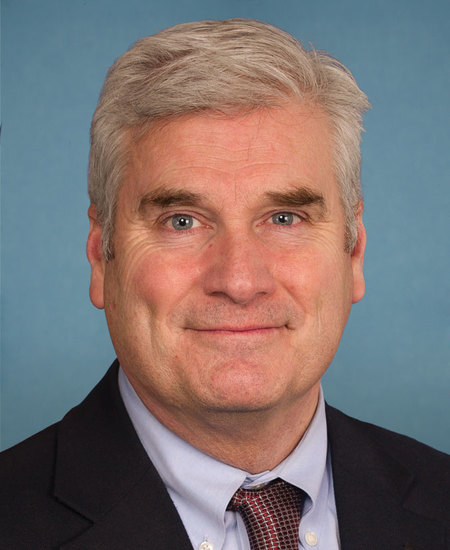
The Water Authority Cybersecurity Protection Act extends the Drinking Water Infrastructure Risk and Resilience Program through fiscal years 2028 and 2029, replacing the previous expiration dates of 2020 and 2021. The bill doubles the authorized funding for technical assistance to $10 million and for grants to small water systems to $20 million. Additionally, it increases the total annual authorization of appropriations for the program from $25 million to $50 million. These changes directly affect public water utilities by providing continued financial support for cybersecurity improvements and risk management.
The Wildfire Response and Readiness Act establishes a national prescribed fire program that requires federal agencies to increase the acreage of controlled burns on public lands by 10 percent annually for a decade. It creates a ten-year national wildfire plan to coordinate landscape-scale forest restoration, reforestation, and watershed protection efforts across federal, state, tribal, and private boundaries. The bill also authorizes new funding for community resilience, including grants for home hardening, satellite monitoring technology, and a joint office dedicated to fire environment data and prediction. Additionally, it modernizes the firefighting workforce by establishing training academies, expanding civilian conservation centers, and providing liability protections for non-federal partners conducting prescribed fires.
The Penalties for Polluters Act significantly increases the maximum civil penalties for violations of federal mineral leasing, oil and gas royalty management, and offshore lands laws to better account for inflation. These higher fines apply to companies and individuals who fail to comply with regulations regarding natural resource extraction and environmental protection. The bill also establishes a Penalty Revenue Reinvestment Fund that collects the additional revenue generated by these increased penalties. Half of this fund is distributed to states, Indian tribes, and local governments harmed by violations, while the other half supports federal agencies in enforcing compliance and safety standards.
The Green New Deal for Public Schools Act directs over $700 billion in federal funding to public schools, prioritizing those serving the most vulnerable communities based on CDC social vulnerability rankings. The legislation establishes a new Office of Sustainable Schools and authorizes grants for "healthy green retrofits" that convert school buildings into zero-carbon facilities with clean air, water, and energy systems, while also providing funds to hire additional educators, mental health professionals, and support staff. Additionally, the bill mandates increased federal funding for special education under the Individuals with Disabilities Education Act and creates a climate resiliency program that allows schools to function as community centers during natural disasters. All grant recipients must adhere to strict labor standards, including prevailing wage requirements, Buy American provisions, and local hiring goals that prioritize residents of the surrounding community.
The Water Cyber Shield Act of 2026 mandates cybersecurity risk assessments and emergency response plans for community water systems serving more than 3,300 people and large wastewater treatment facilities serving over 10,000 people with a design flow rate of at least one million gallons. The bill requires the Environmental Protection Agency to establish baseline cybersecurity standards in collaboration with federal agencies and industry experts, while authorizing states to assume primary enforcement responsibilities if they demonstrate adequate capacity and security protocols. It allocates $300 million annually for fiscal years 2027 through 2032 to help water systems build cybersecurity resilience, prioritizing assistance for facilities with the greatest need for resources or expertise. Additionally, the legislation expands cyber incident reporting obligations under the Homeland Security Act to include these specific water infrastructure entities and requires that submitted security documentation be protected from public disclosure under federal and state freedom of information laws.
The RANCH Act establishes a program for the Secretary of Agriculture to enroll cropland that has been planted in at least four of the last six years, requiring its conversion to perennial grass and forb cover to support grazing. Landowners who enter into contracts lasting 10 to 15 years receive annual rental payments equal to 75 percent of the local average dryland cash rental rate, along with cost-sharing assistance for establishing vegetation. To participate, landowners must develop a site-specific grazing management plan within two years and are permitted to graze livestock, manage fire risks, and conduct emergency haying during declared droughts or natural disasters. The program prioritizes beginning farmers, wildlife habitat conservation, and highly erodible land, with a total enrollment cap of 20 million acres and an individual annual payment limit of $155,000.
The Green New Deal for Public Housing Act directs the Department of Housing and Urban Development to provide grants to public housing agencies and tribal entities for the comprehensive rehabilitation, energy upgrades, and modernization of public housing stock. These funds are intended to transform properties into zero-carbon homes by installing renewable energy systems, electrifying appliances, and repairing infrastructure, while also establishing workforce development programs that offer training, apprenticeships, and stipends to residents and local low-income workers. The bill mandates strict labor standards, including prevailing wages and the use of U.S.-made materials, and requires agencies to maintain or increase the total number of public housing units while prioritizing resident participation through elected councils and community engagement processes.
The Green New Deal for Health Act establishes a comprehensive federal framework to address the health impacts of climate change by creating new offices, expanding funding, and mandating specific actions across the health care sector. It directly affects hospitals, medical facilities, health care workers, and communities, with a specific focus on protecting environmental justice and low-income populations from climate-related health risks. Key provisions include the creation of an Office of Climate Change and Health Equity to develop a national strategic plan, requirements for hospitals to provide extended notice before closing or reducing essential services, and significant grants to upgrade medical facilities for climate resilience. The bill also mandates that the health care sector reduce its own carbon emissions through new disclosure rules for medical supplies and grants for green manufacturing, while simultaneously funding education to train health professionals on climate-related health threats. Additionally, the legislation authorizes Medicare coverage for home resiliency services, such as heat pumps and solar batteries, for individuals at risk during climate disasters, and allocates billions of dollars to expand the community health workforce and support mental health resilience programs.
The Wildfire Air Quality Sensor Expansion Act of 2026 directs the Environmental Protection Agency to provide grants and loans to help local air pollution control agencies purchase and operate portable air sensors in rural and remote areas. These low-cost devices are intended to measure smoke pollutants like PM2.5 and ozone in locations where traditional monitoring equipment is scarce, thereby improving the accuracy of air quality data for communities affected by wildfires. To ensure success, the bill also authorizes funding for technical assistance to help agencies install and maintain these sensors, while requiring that the data collected be shared with the EPA to update public air quality maps. The legislation authorizes $10 million annually through 2032 for grants and provides additional unspecified funding for loan programs and technical support, with a specific focus on expanding coverage to Indian tribes and areas lacking existing monitoring infrastructure.
The Seeds and Breeds for the Future Act directs the U.S. Department of Agriculture to allocate at least $75 million annually toward developing new plant cultivars and animal breeds that are publicly funded and available for commercial use. This funding prioritizes research on climate-resilient crops, nutritionally improved varieties for local populations, and breeds adapted to specific regional conditions or dual-use energy systems. The bill also establishes a new coordinator role to oversee breeding research across the department and mandates that any public breed developed with federal funds must be produced substantially within the United States if sold under exclusive rights. Additionally, the legislation requires the implementation of strategic plans to assess and utilize national collections of plant and animal genetic resources, ensuring these materials remain accessible for future agricultural needs.
Tags
Agriculture