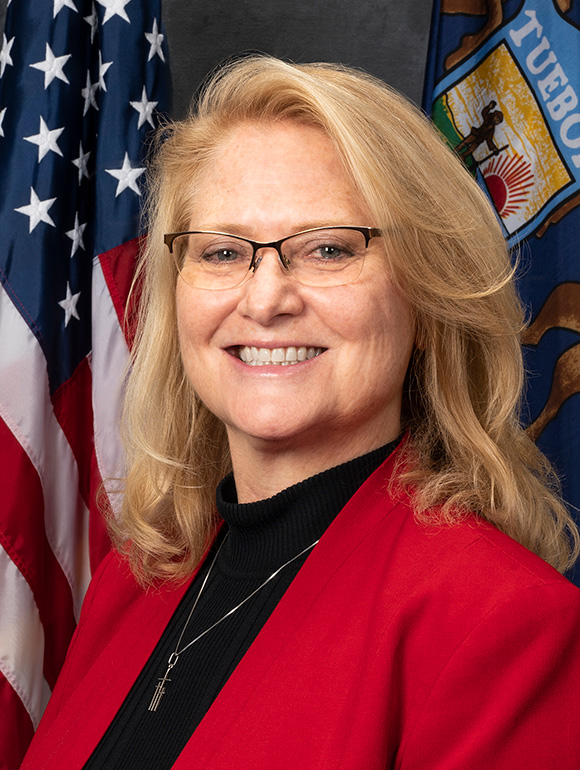
HB 5940 allows electric utilities and other providers to install electronic transmission infrastructure, such as high-voltage power lines, within existing highway rights-of-way without needing separate consent from local governments. The bill establishes specific standards for underground placement to avoid increasing road maintenance costs and introduces a fee structure where utilities pay a one-time permit fee, with revenues dedicated to highway capital and maintenance. Additionally, the legislation creates a coordination process between the state transportation department and utilities to identify suitable routes and includes protections that prevent the state from relocating transmission lines for at least five years once a route is approved.
This bill modifies how tax revenue from internet sports betting in Michigan is distributed among various state and local funds. It requires that thirty percent of the tax go to the city where the betting operator's casino is located for uses such as hiring street patrol officers, neighborhood development, public safety improvements, and road repairs. The remaining revenue is allocated to the state, with specific mandatory payments to the compulsive gaming prevention fund, a first responder coverage fund, and tribal governments for essential services. Any money left over after these designated expenses must be deposited into the state school aid fund to support public education.
SB 52 amends Michigan's Port Authority Act (1978 PA 639) to update financial rules for port authorities. It modifies how these authorities manage grant funds, issue revenue bonds, and use "ancillary financing facilities" like interest rate swaps or insurance contracts. The bill adds new language (Section 19a) and revises multiple existing sections to clarify financial operations. This procedural update directly affects port authorities managing state-owned port facilities, such as piers, docks, and related infrastructure, without creating new facilities or changing their core responsibilities.
HB 4644 allows villages, cities, and townships with populations under 30,000 (based on the 2010 census) to permit golf cart operation on local streets and county roads, subject to specific safety rules. Key provisions include requiring operators to be at least 16 years old with a valid driver’s license, limiting speed to 15 mph, prohibiting operation on sidewalks or during nighttime (30 minutes before sunset to 30 minutes after sunrise), and requiring registration without fees. County boards may block golf cart use if safety or environmental concerns are proven after a public hearing. The bill also establishes procedures for local units to request limited golf cart access on state highways under specific conditions, such as connecting tourist areas or crossing natural barriers.
HB 4415 requires county road commissions to use competitive bidding for certain road projects that were previously exempt. This bill directly affects county road commissions by modifying existing rules (MCL 224.10) to expand the requirement for public bidding on specific infrastructure work. The key provision mandates that counties must solicit competitive bids for projects like road construction or repairs that meet defined criteria, ensuring transparency in spending. This change applies to all counties in Michigan where such projects were previously handled without competitive processes.
This bill extends the state of energy emergency in Michigan by an additional 77 days, effective July 1, 2026. The measure allows the sale of E15 fuel in several counties where current regulations previously restricted it to lower vapor pressure gasoline. By suspending these fuel requirements, the extension aims to increase fuel supply options and help manage rising gas prices for consumers and businesses. The resolution requires approval from both the House and Senate before being sent to the Governor.
This bill allows smaller Michigan communities with populations under 30,000 to pass resolutions permitting golf carts on their streets and county roads. It establishes specific rules for these vehicles, requiring operators to be at least 16 years old and licensed to drive a motor vehicle, while also setting speed limits of 15 mph and restricting use to daylight hours. The legislation grants counties the authority to block golf cart access in townships if they determine there are significant public safety or environmental concerns. Additionally, the bill creates a process for these communities to request permission to use golf carts on certain state highways that are not interstates, provided the roads serve specific local needs like connecting tourist areas or crossing natural barriers.
SB 561 amends Michigan's sales tax law to change how revenue is distributed. It allocates 8.6% of the 4% general sales tax (starting October 1, 2025) to a new Revenue Sharing Trust Fund for distribution to cities, villages, townships, and counties. The bill also directs computer software sales tax revenue ($9-12 million annually) to the Michigan Health Initiative Fund and splits aviation fuel tax revenue (35% to the state aeronautics fund, 65% to airport funds). These changes affect local governments, public schools (via school aid fund allocations), airports, and health programs, without altering the overall tax rates.
SB 695 allows regional transit authorities in Michigan to charge an extra $1.20 per $1,000 of a vehicle’s value (on top of standard registration fees) for transit funding, but only if approved by voters in a November election. It requires ballot measures to specify how funds will be used and limits spending to transit projects. The tax applies to regular vehicle registrations in transit regions, excluding company test vehicles (e.g., manufacturer-owned vehicles used for testing). It takes effect January 1, 2027, pending approval of related legislation. This change directly affects vehicle owners in participating transit regions through their registration costs.
SB 692 modifies how regional transit authorities in Michigan can raise funds for public transportation. It requires voter approval for local transit taxes through a November election, with ballot measures clearly stating the tax rate, duration, purpose, and whether it's a renewal or new tax. The bill mandates that at least 85% of funds collected from local taxes or vehicle registration fees must be spent on transit services within the community where the money was raised. It also adds new reporting requirements for transit authorities starting January 1, 2027, including annual cost/revenue reports and asset management plans.