Issue · Labor & Employment

Labor & Employment

Every labor & employment bill, vote, and legislator stance in Michigan, automatically classified by Maddy, our AI policy reader.

Total bills
262
2025-2026 Regular Session
Top supporter
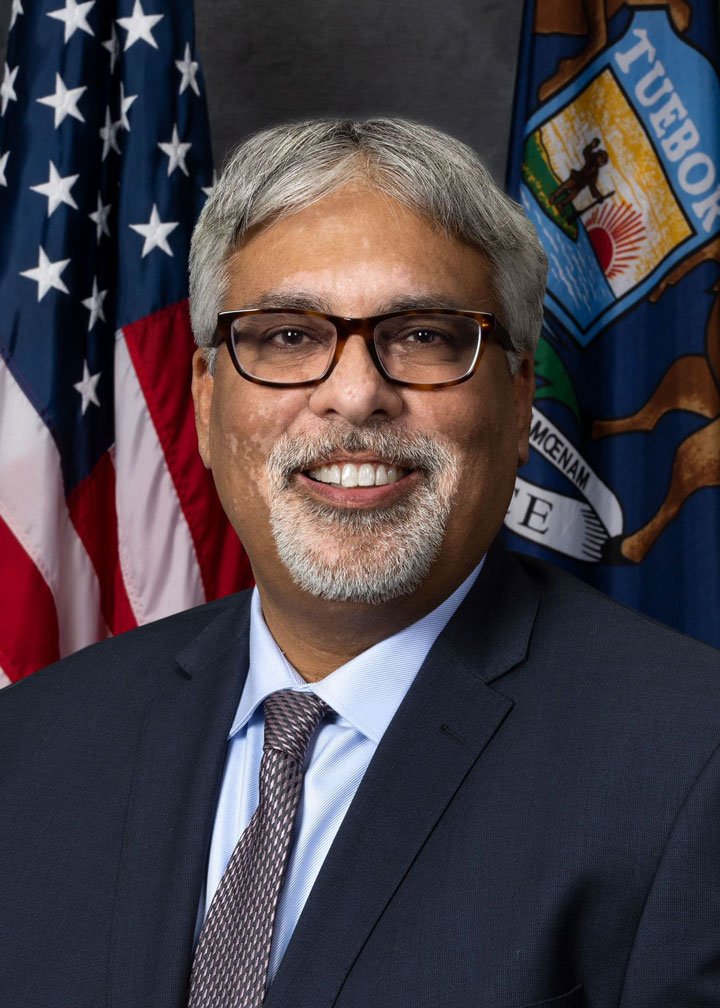
Sam Singh
93% support rate
Top opponent
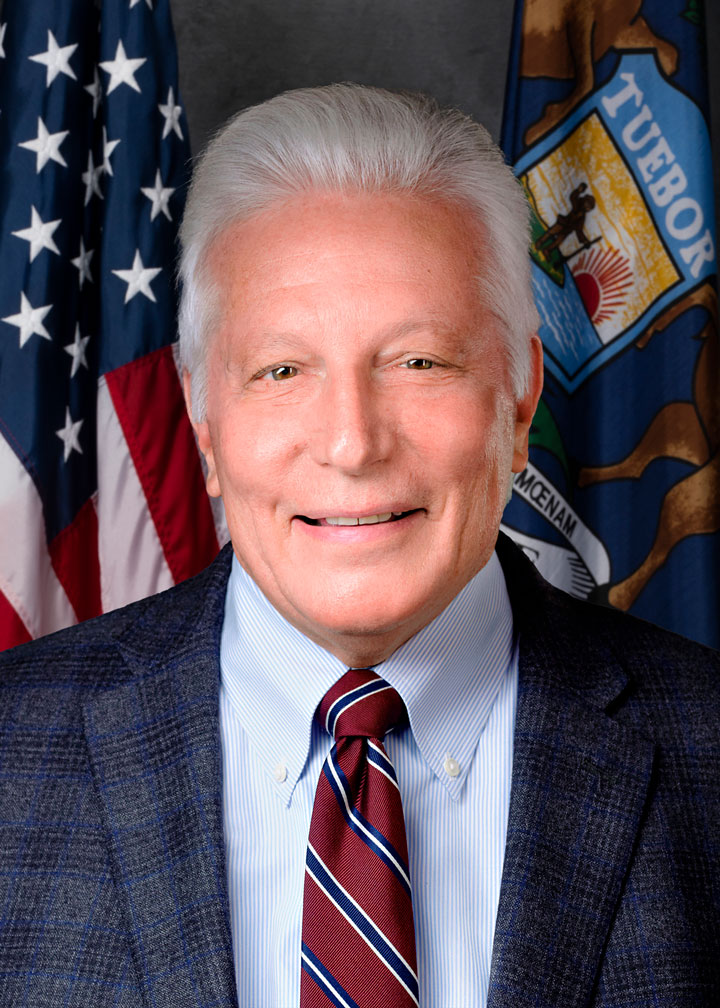
Thomas Albert
13% support rate
Ranked legislators
10
5 support · 5 oppose
Key legislators

Who's moving labor & employment in Michigan

Legislators moving labor & employment in Michigan
Legislator Party Stance Support rate Votes
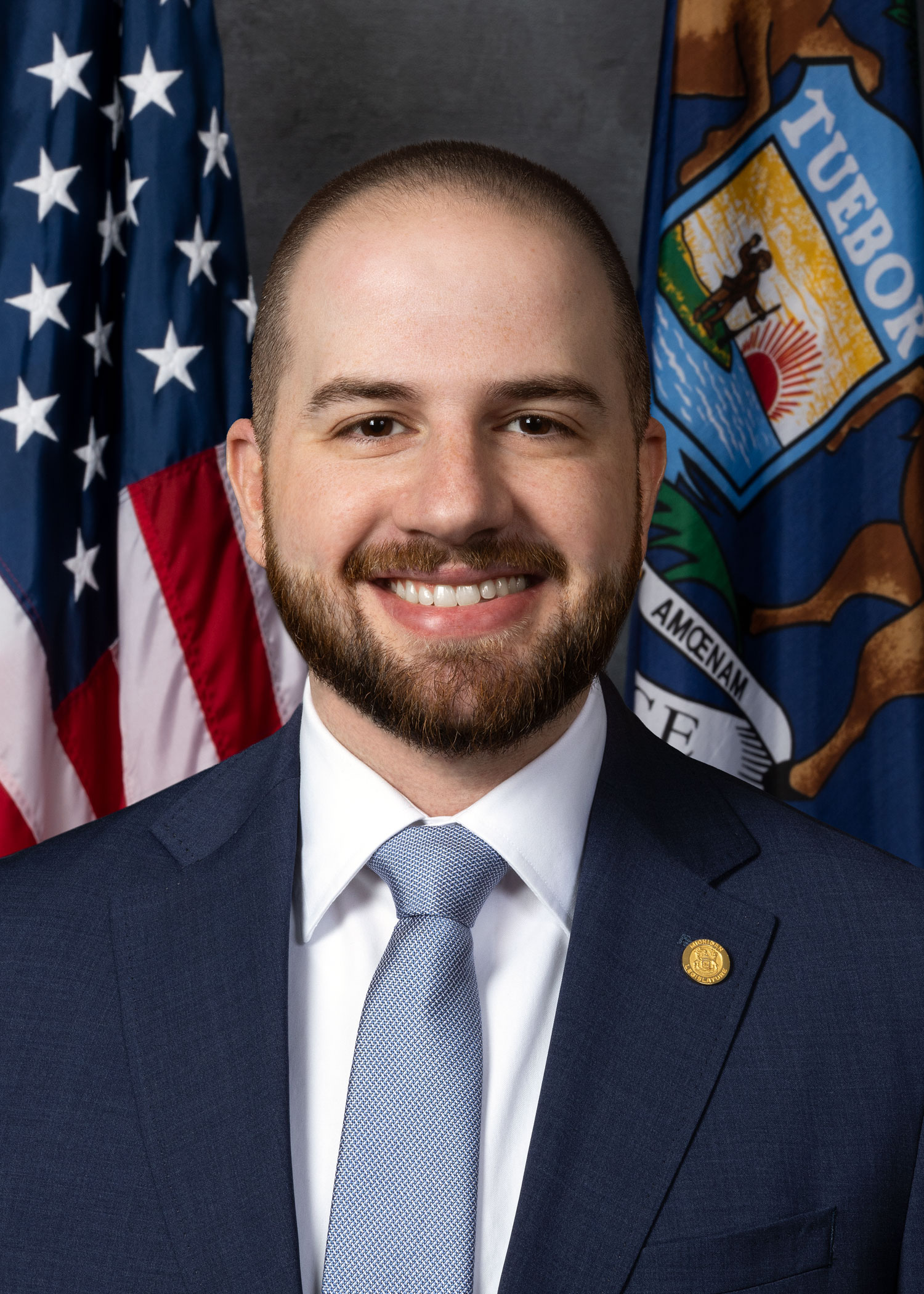
Sam Singh
Sam Singh Senate · District 28
D
Strong +
93% 45
Paul Wojno
Paul Wojno Senate · District 10
D
Strong +
93% 45
Kevin Hertel
Kevin Hertel Senate · District 12
D
Strong +
93% 46
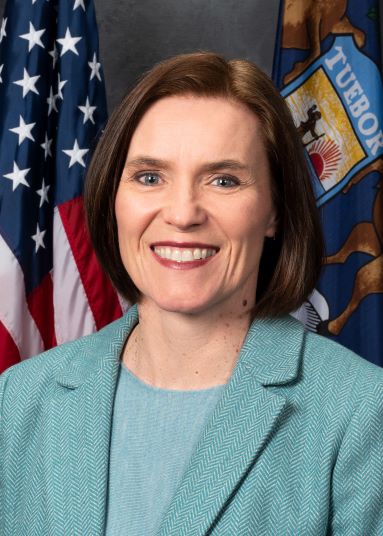
Winnie Brinks
Winnie Brinks Senate · District 29
D
Strong +
93% 45
Jeremy Moss
Jeremy Moss Senate · District 7
D
Strong +
93% 45
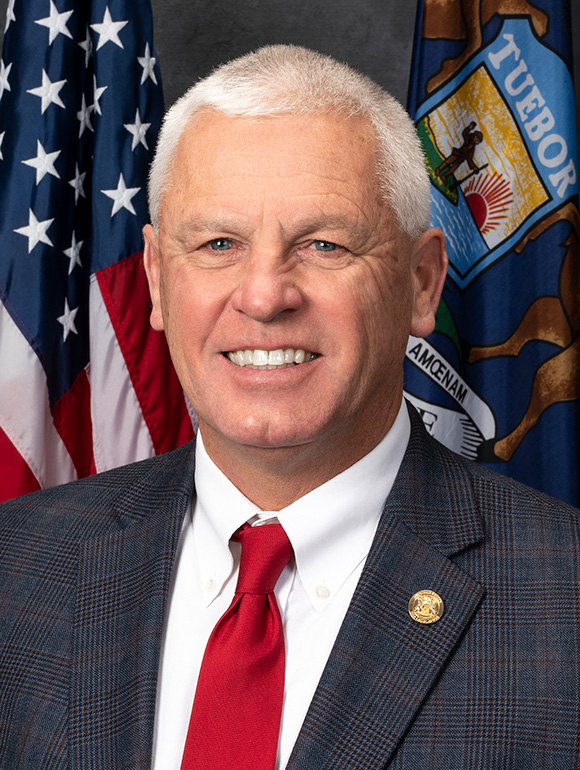
Thomas Albert
Thomas Albert Senate · District 18
R
Strong −
13% 45
Michele Hoitenga
Michele Hoitenga Senate · District 36
R
Strong −
13% 45
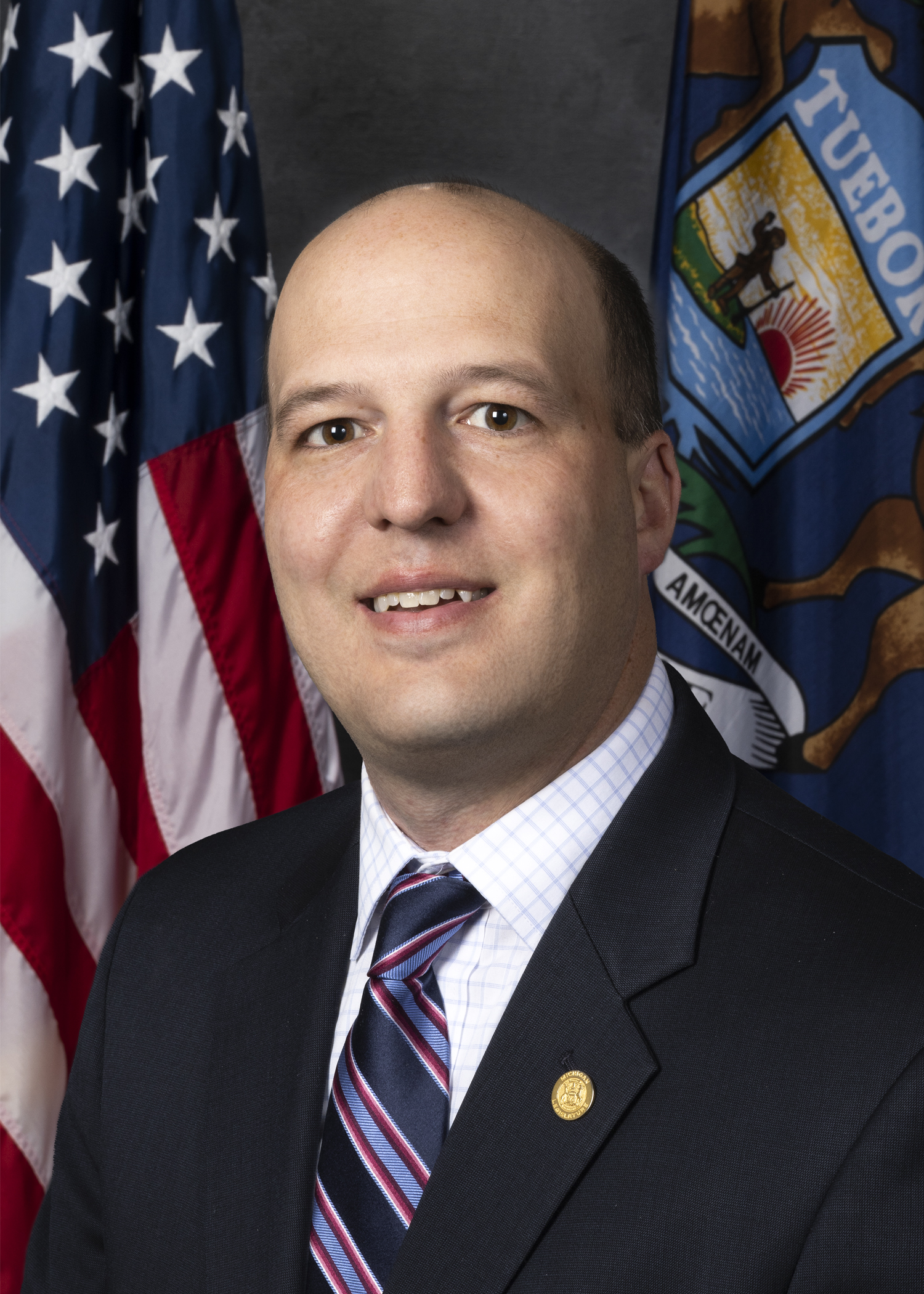
Jim Runestad
Jim Runestad Senate · District 23
R
Strong −
14% 39
Jon Bumstead
Jon Bumstead Senate · District 32
R
Strong −
14% 42
Ruth Johnson
Ruth Johnson Senate · District 24
R
Strong −
17% 36
Showing 81–90 of 262 bills

All labor & employment bills

in committee · Michigan · House Dec 17, 2025

HB 5374: Labor: hours and wages; prevailing wage; require on certain broadband service projects. Amends sec. 1 of 2023 PA 10 (MCL 408.1101).

HB 5374 requires that workers on specific broadband service projects in Michigan be paid prevailing wages and fringe benefits, as defined by state labor law. This applies to broadband developers constructing, maintaining, or expanding infrastructure (like fiber optic lines) for new projects funded by state or local governments, but excludes projects receiving federal funding under the Infrastructure Investment and Jobs Act or the Coronavirus Capital Projects Fund. The bill amends Michigan’s existing prevailing wage law to explicitly include broadband service projects under the same wage standards as other state-funded construction work. It defines key terms like "broadband service project" and clarifies which federal programs are exempt from these requirements.
in committee · Michigan · House Dec 23, 2025

HB 5423: Labor: discrimination; employees who are victims of certain crimes; prohibit employers from discriminating against because of. Creates new act.

HB 5423 prohibits Michigan employers from taking adverse actions (like firing, refusing to hire, or harassing) against employees who are victims of violent crimes or involved in related legal proceedings. It directly protects employees and their family members who experience violent crimes, ensuring employers cannot retaliate for attending court, requesting workplace adjustments (such as schedule changes or safety modifications), or seeking help. Employers must post notices about these protections and provide them to all employees in their primary language. Employees can file lawsuits within three years to seek remedies like reinstatement, back pay, or damages if their rights are violated.
in committee · Michigan · House Dec 18, 2025

HB 5393: Employment security: benefits; recovery waiver of an improperly paid benefit; require after a certain amount of time elapses. Amends sec. 62 of 1936 (Ex Sess) PA 1 (MCL 421.62).

HB 5393 amends Michigan's unemployment benefits law to change how overpaid benefits are recovered. It requires the unemployment agency to issue a repayment demand within 3 years of a final determination about overpayment, and prohibits recovery actions after that deadline (except for suspected identity fraud). The bill creates specific waiver conditions where repayment may be forgiven, including cases of agency errors, low household income (below 150% of federal poverty guidelines), or unintentional wage reporting mistakes by employers. This directly affects unemployed Michiganders who received incorrect benefits, ensuring they aren't required to repay overpayments after the 3-year window unless fraud is involved.
Sub-Topics Unemployment
in committee · Michigan · House Dec 23, 2025

HB 5422: Labor: leave; permissible use for earned sick time; modify. Amends title & secs. 2 & 4 of 2018 PA 338 (MCL 408.962 & 408.964).

HB 5422 amends Michigan's Earned Sick Time Act (2018 PA 338) to clarify and expand permissible uses of accrued sick time for workers. It specifically updates Section 4(1) to allow sick time for medical care related to domestic violence, sexual assault, or violent crime; school meetings about a child's health or disability; and public health emergencies. The bill also refines notice requirements for employers, permitting advance notice up to 7 days for foreseeable absences. This amendment directly affects Michigan workers covered under the existing sick time law, ensuring clearer access to time off for health, family, and safety needs.
in committee · Michigan · House Dec 9, 2025

HB 5336: Retirement: other; retirement program for certain nonpublic employees to participate in a benefit plan; create, and provide oversight. Creates new act. TIE BAR WITH: HB 5335'25

HB 5336 establishes Michigan's Secure Retirement Savings Program, creating a state-administered retirement plan for private-sector employees whose employers don't currently offer retirement benefits. It requires qualifying employers (those without a 401(k) or similar plan for two years) to automatically enroll employees in payroll-deducted retirement savings accounts, with contributions deposited into a separate trust fund outside the state treasury. The program emphasizes portability, allowing employees to roll funds into other retirement accounts, and mandates low-cost investment options managed by a state board. It directly affects private-sector workers at small businesses or nonprofits without existing retirement plans, providing a new savings pathway without state financial risk.
Sub-Topics Retirement Benefits
in committee · Michigan · House Dec 18, 2025

HB 5391: Employment security: benefits; recovery of an improperly paid unemployment benefit more than 1 year after payment; prohibit. Amends sec. 62 of 1936 (Ex Sess) PA 1 (MCL 421.62).

HB 5391 changes Michigan's unemployment benefits recovery rules by limiting the time the state can seek repayment of improperly paid benefits. It prohibits the unemployment agency from recovering benefits more than one year after the claimant receives the payment, affecting most unemployed Michiganders who received benefits by mistake. Exceptions include cases involving suspected identity fraud (where recovery may still be pursued) or intentional fraud (where no time limit applies). The bill also maintains existing hardship waiver options for repayment if recovery would be unfair due to financial hardship or administrative errors.
Sub-Topics Unemployment
in committee · Michigan · House Dec 17, 2025

HB 5375: Employment security: administration; assessment of penalties, interest, or fees on certain unpaid restitution of benefit overpayments; prohibit. Amends sec. 15 of 1936 (Ex Sess) PA 1 (MCL 421.15).

HB 5375 prohibits charging interest on unpaid restitution of overpaid unemployment benefits when the overpayment resulted from specific errors, such as agency mistakes, employer errors, or system issues - not the claimant's fault. It requires the unemployment agency to waive existing interest charges and refund payments made for those errors, with refunds due within 180 days of the law's effective date. The bill also stops interest from accruing during pending appeals and applies retroactively to overpayments from February 2020 through December 2026. This directly affects claimants who received overpayments due to errors beyond their control.
in committee · Michigan · House Dec 18, 2025

HB 5394: Employment security: benefits; certain improperly paid benefits; require waiver of recovery as an administrative or clerical error. Amends sec. 62 of 1936 (Ex Sess) PA 1 (MCL 421.62).

HB 5394 requires Michigan's unemployment insurance agency to automatically waive repayment of benefits improperly paid due to the agency's own administrative or clerical errors, rather than requiring claimants to seek a waiver through a separate process. This applies specifically when overpayments result from the agency's mistakes (e.g., data entry errors), excluding cases involving fraud, identity theft, or intentional misrepresentation by claimants. The bill ensures claimants affected by such agency errors do not face repayment demands or interest, streamlining relief for those who received benefits due to the state's administrative errors. It does not change eligibility rules or apply to overpayments caused by claimant error or fraud.
Sub-Topics Unemployment
in committee · Michigan · House Nov 4, 2025

HB 5191: Worker's compensation: funds; uninsured employer's security fund; modify. Amends sec. 501 of 1969 PA 317 (MCL 418.501) & adds sec. 536.

HB 5191 modifies Michigan's worker's compensation law to strengthen the Uninsured Employer's Security Fund. The fund will pay benefits to workers injured by uninsured employers, effective from the bill's implementation date. It can later seek reimbursement from those employers for up to three times the benefits paid plus administrative costs, and impose fines of up to $10,000 for failing to provide required business records. This directly affects injured workers and uninsured employers who must repay the fund.
passed · Michigan · Senate Nov 13, 2025

SB 443: Health facilities: other; surgical smoke plume evacuation plan; require. Amends 1978 PA 368 (MCL 333.1101 - 333.25211) by adding sec. 20187.

SB 443 requires Michigan health facilities performing specific surgical procedures to implement policies mandating the use of surgical smoke plume evacuation systems. It directly affects hospitals and clinics conducting procedures involving heat-producing equipment (like electrosurgery, lasers, or other heated instruments), which generate harmful smoke containing vapor, gas, or particles. The bill mandates that facilities develop and enforce policies ensuring evacuation systems capture and neutralize the smoke at the surgical site before it can contact staff or patients' eyes or airways. This creates a concrete safety requirement to protect healthcare workers and patients from exposure to potentially hazardous surgical smoke.
Showing 81 to 90 of 262 bills
Previous 1 8 9 10 27 Next