Issue · Labor & Employment

Labor & Employment

Every labor & employment bill, vote, and legislator stance in Michigan, automatically classified by Maddy, our AI policy reader.

Total bills
397
119th Congress
Top supporter
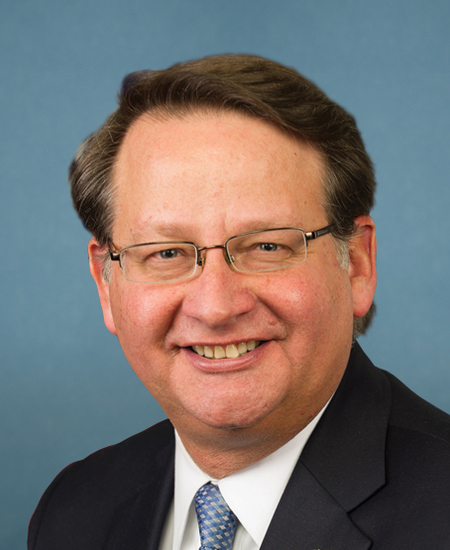
Gary C. Peters
75% support rate
Top opponent
John R. Moolenaar
38% support rate
Ranked legislators
10
5 support · 5 oppose
Key legislators

Who's moving labor & employment in Michigan

Legislators moving labor & employment in Michigan
Legislator Party Stance Support rate Votes
Gary C. Peters
Gary C. Peters Senate
D
Support
75% 212
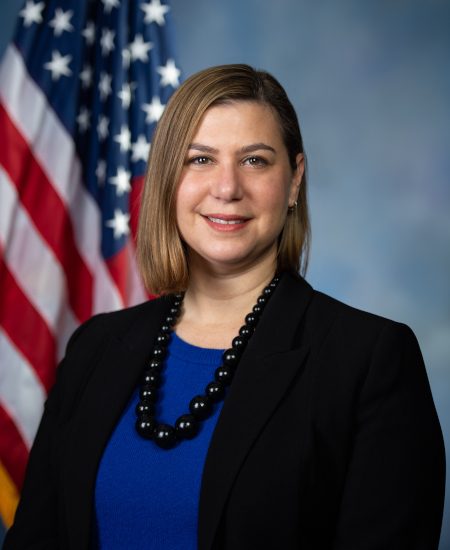
Elissa Slotkin
Elissa Slotkin Senate
D
Support
75% 211
Hillary J. Scholten
Hillary J. Scholten House · District 3
D
Support
69% 192
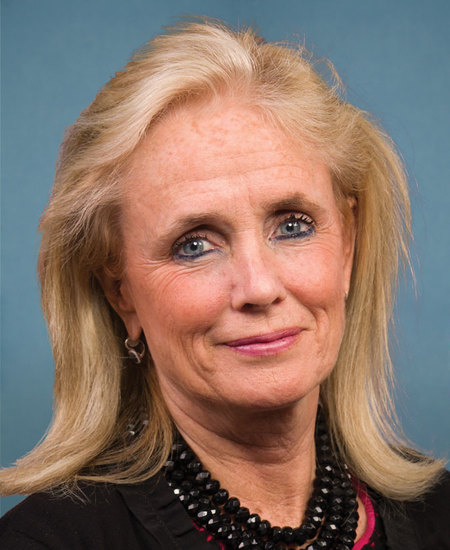
Debbie Dingell
Debbie Dingell House · District 6
D
Support
62% 194
Haley M. Stevens
Haley M. Stevens House · District 11
D
Support
62% 198
John R. Moolenaar
John R. Moolenaar House · District 2
R
Oppose
38% 196
Jack Bergman
Jack Bergman House · District 1
R
Oppose
38% 197
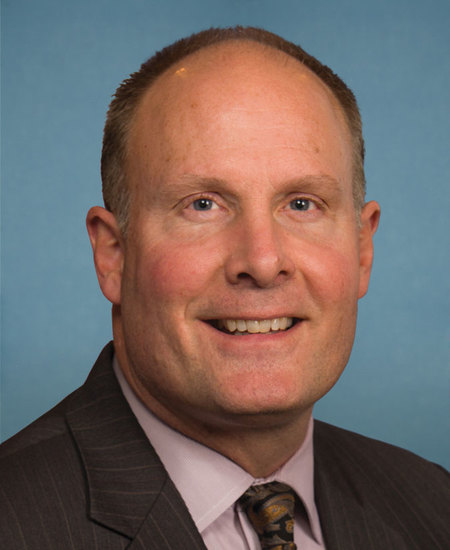
Tim Walberg
Tim Walberg House · District 5
R
Oppose
38% 196
Tom Barrett
Tom Barrett House · District 7
R
Oppose
38% 197
John James
John James House · District 10
R
Oppose
38% 191
Showing 1–10 of 397 bills

All labor & employment bills

in committee · United States · House Sep 8, 2026

HR 10323: Thirty-Two Hour Workweek Act

The Thirty-Two Hour Workweek Act amends the Fair Labor Standards Act to establish a new standard for overtime pay, requiring employers to pay time-and-a-half for hours worked beyond thirty-two hours per week. The bill also introduces daily overtime rules that mandate premium pay for workdays exceeding eight or twelve hours. To allow businesses to adjust, the law phases in the weekly overtime threshold over four years, starting at thirty-eight hours and decreasing by two hours each year until it reaches thirty-two. Employers are prohibited from reducing an employee's total compensation or benefits as a result of these new coverage requirements.
in committee · United States · House Sep 3, 2026

HR 10250: No Preference Act

HR 10250, known as the No Preference Act, prohibits federal executive agencies and the Department of Defense from requiring or giving preference to contractors based on their use of union labor. The bill amends existing laws to ensure that government contract awards cannot be influenced by whether a company's workers are covered by collective bargaining agreements. This change directly affects federal procurement processes by mandating that offers be evaluated without regard to the labor status of the bidding firms.
in committee · United States · House Sep 3, 2026

HR 10297: El Salvador TPS Act of 2026

The El Salvador TPS Act of 2026 requires the Secretary of Homeland Security to grant Temporary Protected Status (TPS) to individuals from El Salvador. This designation would remain in effect until a date 18 months after September 9, 2026. The bill directly affects eligible residents of El Salvador by providing them with legal protection and work authorization during this specified period.
Sub-Topics Work Authorization
in committee · United States · House Aug 6, 2026

HR 10063: Green New Deal for Public Housing Act

The Green New Deal for Public Housing Act directs the Department of Housing and Urban Development to provide grants to public housing agencies and tribal entities for the comprehensive rehabilitation, energy upgrades, and modernization of public housing stock. These funds are intended to transform properties into zero-carbon homes by installing renewable energy systems, electrifying appliances, and repairing infrastructure, while also establishing workforce development programs that offer training, apprenticeships, and stipends to residents and local low-income workers. The bill mandates strict labor standards, including prevailing wages and the use of U.S.-made materials, and requires agencies to maintain or increase the total number of public housing units while prioritizing resident participation through elected councils and community engagement processes.
in committee · United States · Senate Jul 30, 2026

S 5190: Restoring Justice for Workers Act

The Restoring Justice for Workers Act prohibits employers from requiring workers to sign agreements that force them to resolve disputes through individual arbitration rather than in court or as part of a group. It bans retaliation against employees who refuse to arbitrate and mandates that any post-dispute arbitration agreements be truly voluntary, requiring plain language explanations, a 45-day waiting period, and written consent. The bill also amends the National Labor Relations Act to make it illegal for employers to enter into or enforce contracts that prevent workers from joining together to file joint or class-action lawsuits regarding workplace rights. These changes apply to all workers, including independent contractors, and take effect immediately upon enactment.
in committee · United States · Senate Jul 30, 2026

S 5189: A bill to amend title 10, United States Code, and the National Defense Authorization Act for Fiscal Year 1994, to codify and clarify gender neutral standards for members of certain Armed Forces, and for other purposes.

This bill updates federal laws to ensure that members of the Army, Navy, Marine Corps, Air Force, and Space Force cannot be excluded from jobs or assignments based on their gender. It requires the Department of Defense to establish occupational standards using scientifically rigorous methods that evaluate technical, tactical, cognitive, and physical abilities without gender bias. Additionally, the legislation mandates annual reports to Congress detailing any involuntary reclassifications or separations and requires a detailed review of the operational effectiveness of Army and Marine Corps ground combat units. These changes are scheduled to take effect on September 30, 2026, with the first required report due the following year.
in committee · United States · House Jul 23, 2026

HR 9943: Businessowner Immigration Rights and Responsibilities Information Act of 2026

This bill directs the Small Business Administration to create educational resources for small business owners and employees regarding their rights and responsibilities during immigration enforcement actions. The SBA must develop online modules, a physical card, and planning guides that explain how to respond to searches or arrests, including the constitutional right to remain silent and consult a lawyer. These materials will be made available in English and the 15 most commonly spoken languages in the U.S., with content reviewed by legal experts and government agencies to ensure accuracy.
Sub-Topics Detention Immigrant Services Enforcement Tags Small Business
in committee · United States · House Jul 14, 2026

HR 9671: Menopausal Workers’ Fairness Act of 2026

The Menopausal Workers' Fairness Act of 2026 expands federal employment protections to explicitly cover workers experiencing menopause and related symptoms, requiring employers with 15 or more employees to provide reasonable accommodations unless doing so causes significant business hardship. Under this bill, it would be illegal for employers to discriminate against or retaliate against qualified employees who request accommodations for issues such as hot flashes, fatigue, or mood changes, while also mandating that medical information regarding these conditions remains confidential. The legislation includes a specific list of low-cost adjustments, such as allowing extra restroom breaks or flexible sitting and standing, that employers must grant without requiring extensive documentation. Enforcement and legal remedies for violations will follow the same procedures currently used for age and disability discrimination claims, and the Equal Employment Opportunity Commission is tasked with issuing detailed regulations within a year of the law's passage.
in committee · United States · House Jul 30, 2026

HR 10007: Environmental Health Workforce Act of 2026

The Environmental Health Workforce Act of 2026 aims to address staffing shortages in public health by requiring the Department of Health and Human Services to create model standards for credentialed environmental health workers and develop a strategic plan to train and retain them. This legislation directs the government to study best practices in six specific states regarding worker training and credentialing, while also expanding the Public Service Loan Forgiveness program to include full-time employment as an environmental health worker. The bill defines environmental health workers as professionals who assess environmental hazards and enforce safety guidelines, ensuring that efforts to strengthen this workforce are based on concrete policy changes rather than speculation.
in committee · United States · House Jul 13, 2026

HRES 1427: Expressing support for the designation of July 10th as Journeyman Lineworkers Recognition Day.

This resolution expresses support for designating July 10th as Journeyman Lineworkers Recognition Day to honor the workers who maintain the nation's electrical grid. The bill specifically recognizes the dangerous conditions these employees face, such as working at heights near live power lines and responding to disasters like hurricanes and wildfires. It also commemorates Henry Miller, the first president of the International Brotherhood of Electrical Workers, who died on July 10, 1896, while performing his duties. Ultimately, the measure encourages the public to observe this day with reflection on the contributions of lineworkers.
Sub-Topics Apprenticeships
Showing 1 to 10 of 397 bills
1 2 3 40 Next