Issue · Labor & Employment

Labor & Employment

Every labor & employment bill, vote, and legislator stance in Michigan, automatically classified by Maddy, our AI policy reader.

Total bills
262
2025-2026 Regular Session
Top supporter
Sam Singh
93% support rate
Top opponent
Thomas Albert
13% support rate
Ranked legislators
10
5 support · 5 oppose
Key legislators

Who's moving labor & employment in Michigan

Legislators moving labor & employment in Michigan
Legislator Party Stance Support rate Votes
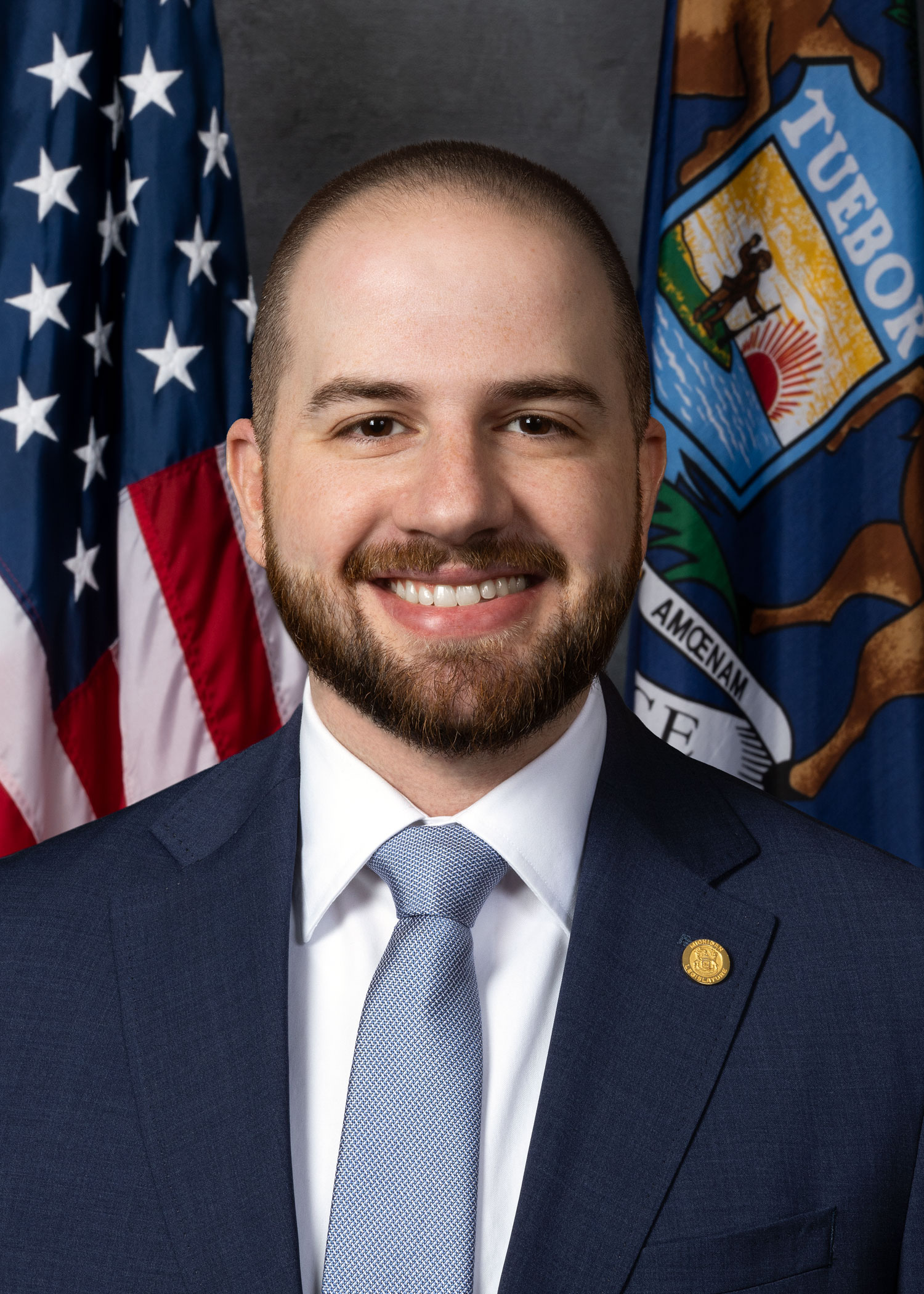
Sam Singh
Sam Singh Senate · District 28
D
Strong +
93% 45
Paul Wojno
Paul Wojno Senate · District 10
D
Strong +
93% 45
Kevin Hertel
Kevin Hertel Senate · District 12
D
Strong +
93% 46
Winnie Brinks
Winnie Brinks Senate · District 29
D
Strong +
93% 45
Jeremy Moss
Jeremy Moss Senate · District 7
D
Strong +
93% 45
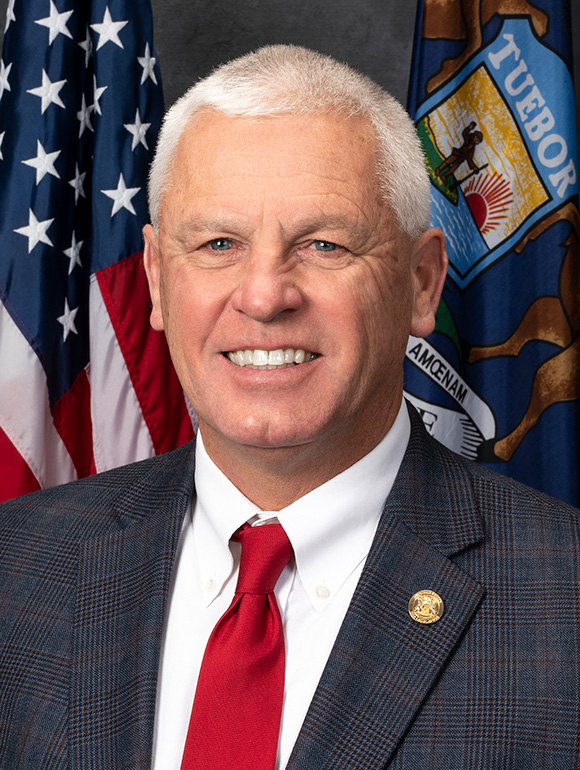
Thomas Albert
Thomas Albert Senate · District 18
R
Strong −
13% 45
Michele Hoitenga
Michele Hoitenga Senate · District 36
R
Strong −
13% 45
Jim Runestad
Jim Runestad Senate · District 23
R
Strong −
14% 39
Jon Bumstead
Jon Bumstead Senate · District 32
R
Strong −
14% 42
Ruth Johnson
Ruth Johnson Senate · District 24
R
Strong −
17% 36
Showing 261–262 of 262 bills

All labor & employment bills

in committee · Michigan · House Dec 2, 2025

HB 5293: Individual income tax: credit; payroll withholding credit; provide for. Amends 1967 PA 281 (MCL 206.1 - 206.847) by adding sec. 714. TIE BAR WITH: HB 5292'25

HB 5293 creates a tax credit for Michigan employers that create new, qualified jobs. Employers can claim a credit equal to 50% of income tax withheld on new jobs meeting specific criteria (permanent, full-time positions paying at least 150% of the local "prosperity region" median wage, exceeding the employer's September 2025 job count). The credit applies to tax years 2026-2035, with a $50 million annual cap and minimum allocations for small ($10M), medium ($15M), and large ($25M) employers. Employers must submit claims by March 15 each year, and unused credits can be carried forward for up to three years. This directly affects employers in Michigan’s designated economic regions seeking to expand their workforce.
Sub-Topics Income Tax Tax Credits
in committee · Michigan · House Dec 2, 2025

HB 5290: Labor: collective bargaining; minimum staffing levels within a bargaining unit; make a mandatory subject of bargaining for certain public employees. Amends secs. 11 & 15 of 1947 PA 336 (MCL 423.211 & 423.215).

HB 5290 requires public employers to negotiate minimum staffing levels as a mandatory topic in collective bargaining agreements for firefighters and other public employees covered under Michigan's 1969 firefighting safety law (MCL 423.231-423.247). This change applies specifically to units where employees face firefighting hazards, making staffing levels part of required negotiations. Employers may opt out of bargaining on staffing levels only if they face budget shortfalls from state revenue or property tax declines, or if a millage increase would be needed to cover costs. The bill amends sections 11 and 15 of Michigan's 1947 Public Employment Relations Act to update mandatory bargaining requirements.
Showing 261 to 262 of 262 bills
Previous 1 25 26 27