Issue · Labor & Employment

Labor & Employment

Every labor & employment bill, vote, and legislator stance in Michigan, automatically classified by Maddy, our AI policy reader.

Total bills
241
2025-2026 Regular Session
Top supporter
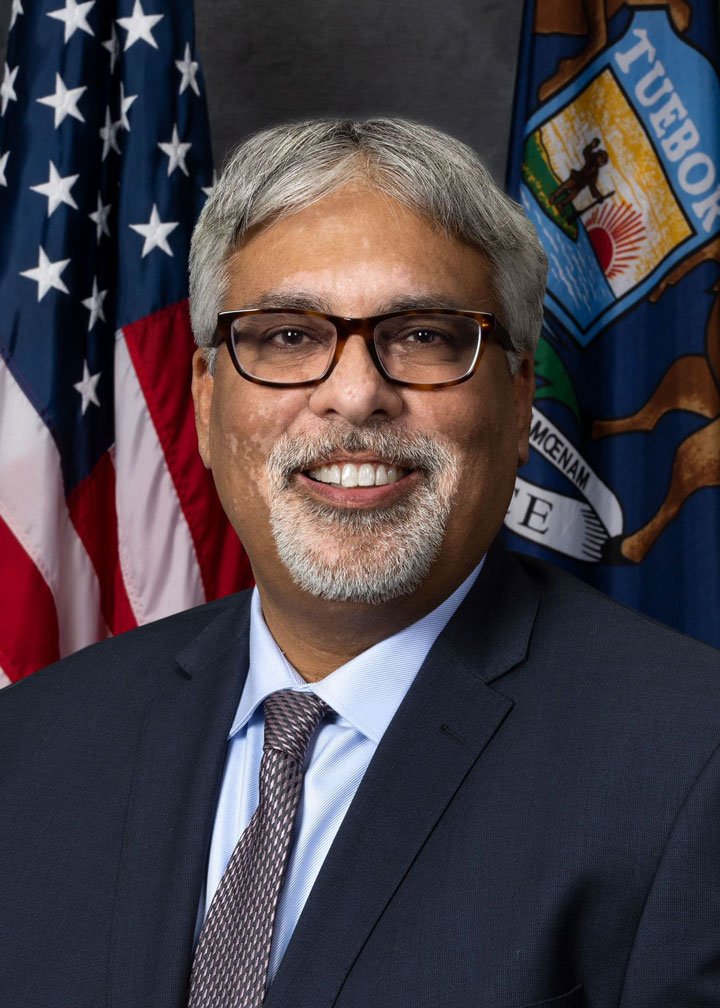
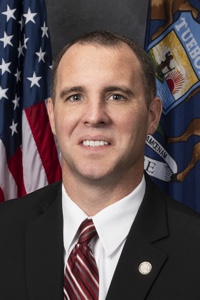
Sam Singh
93% support rate
Top opponent
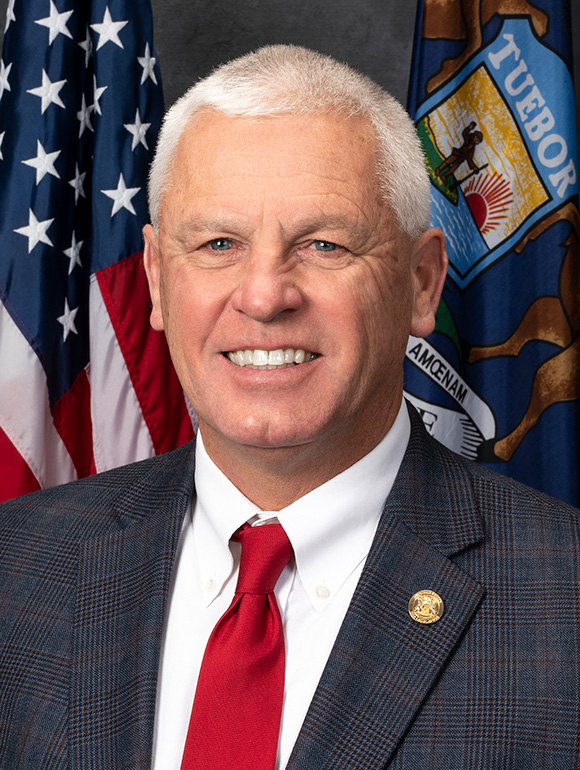
Thomas Albert
13% support rate
Ranked legislators
10
5 support · 5 oppose
Key legislators

Who's moving labor & employment in Michigan

Legislators moving labor & employment in Michigan
Legislator Party Stance Support rate Votes
Sam Singh
Sam Singh Senate · District 28
D
Strong +
93% 45
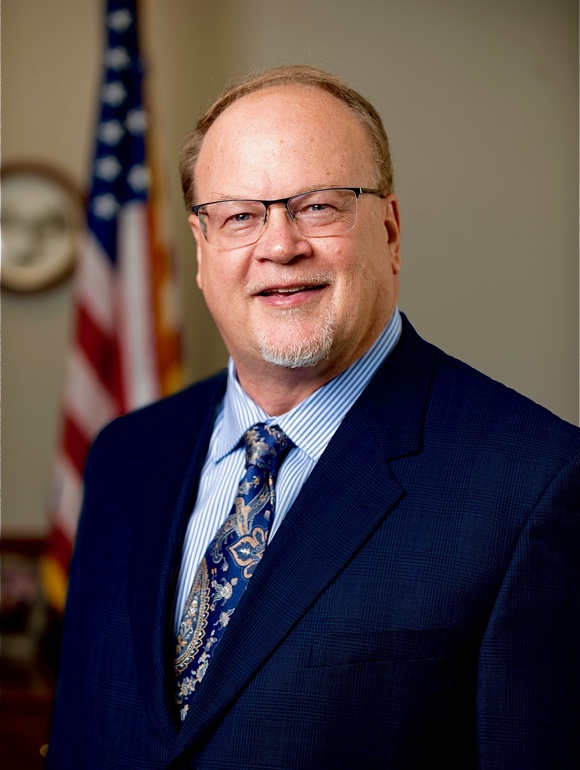
Paul Wojno
Paul Wojno Senate · District 10
D
Strong +
93% 45
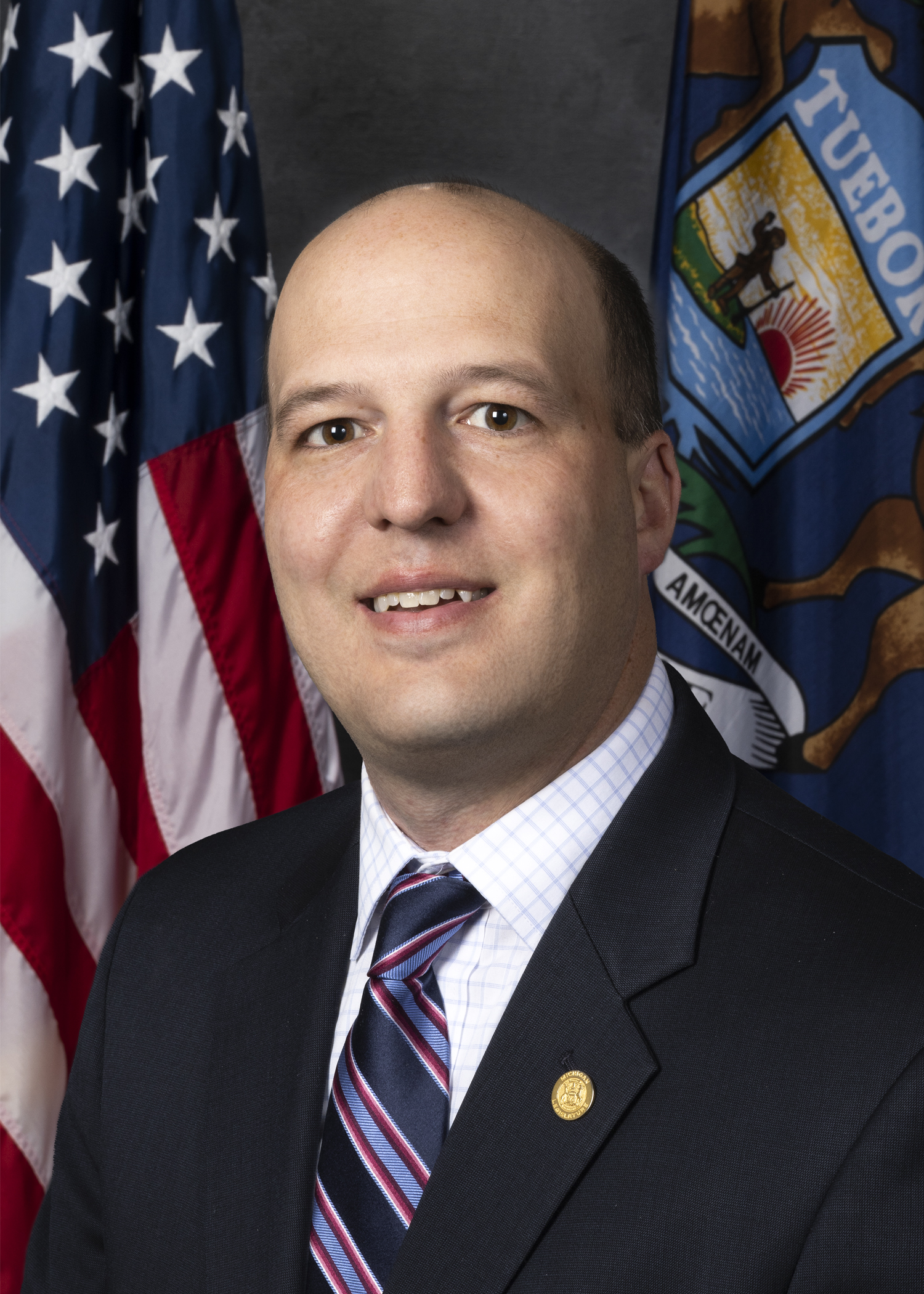
Kevin Hertel
Kevin Hertel Senate · District 12
D
Strong +
93% 46
Winnie Brinks
Winnie Brinks Senate · District 29
D
Strong +
93% 45
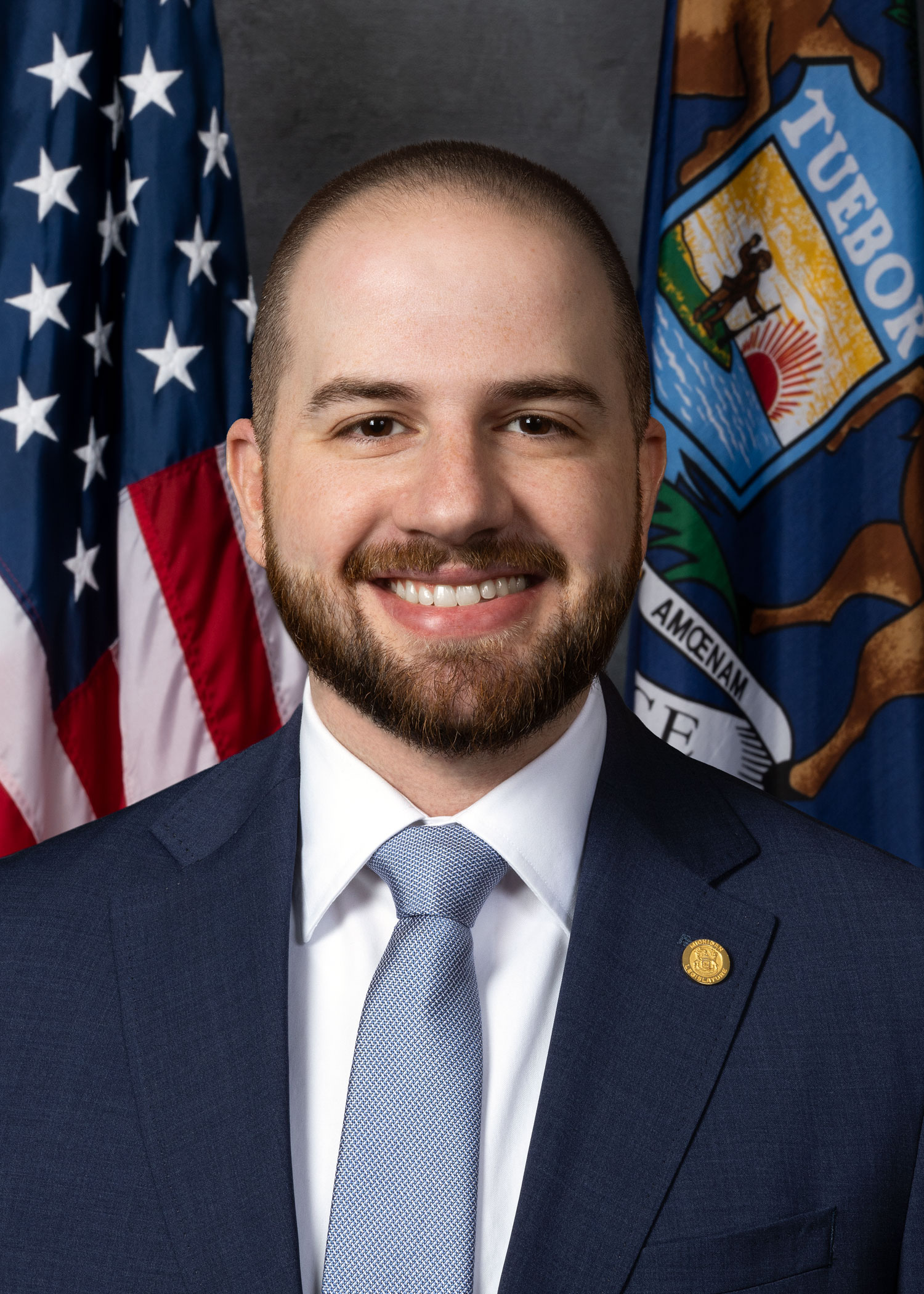
Jeremy Moss
Jeremy Moss Senate · District 7
D
Strong +
93% 45
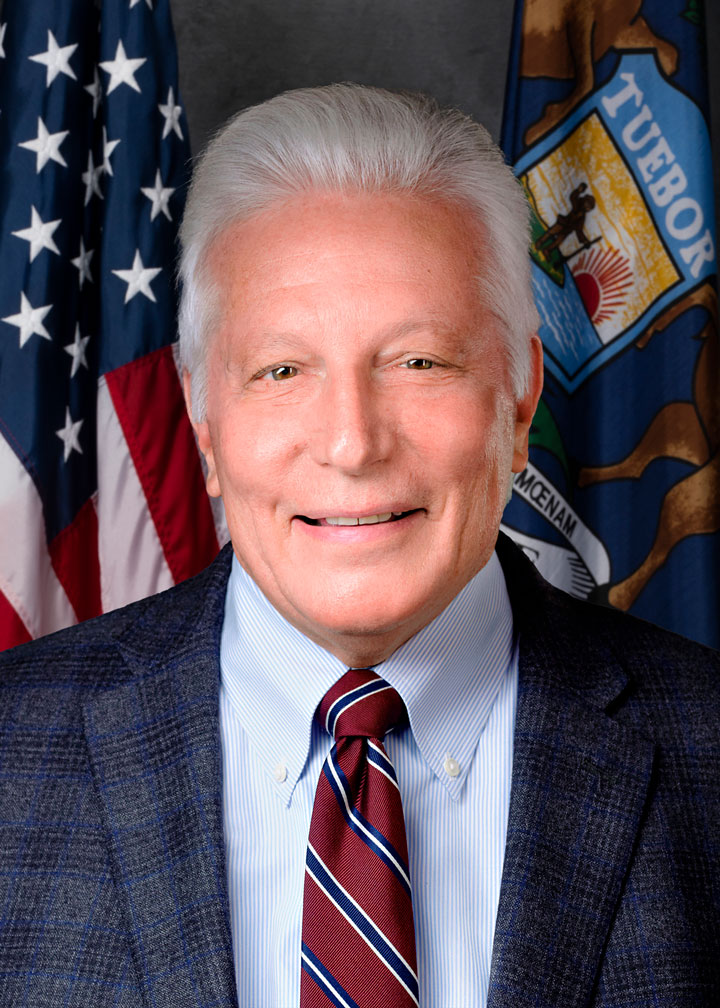
Thomas Albert
Thomas Albert Senate · District 18
R
Strong −
13% 45
Michele Hoitenga
Michele Hoitenga Senate · District 36
R
Strong −
13% 45
Jim Runestad
Jim Runestad Senate · District 23
R
Strong −
14% 39
Jon Bumstead
Jon Bumstead Senate · District 32
R
Strong −
14% 42
Ruth Johnson
Ruth Johnson Senate · District 24
R
Strong −
17% 36
Showing 61–70 of 241 bills

All labor & employment bills

in committee · Michigan · House Feb 19, 2026

HB 5526: Public utilities: rates; approval of new fees and fee increases; require. Amends sec. 10p of 1939 PA 3 (MCL 460.10p).

HB 5526 requires Michigan electric utilities to create worker transition programs during ownership changes, including skills training, job placement, and guarantees of comparable wages/benefits for at least 30 months after a sale. It mandates that acquiring entities must first offer jobs to existing non-supervisory workers before hiring externally and establish dispute resolution for workplace issues. The bill also sets new service quality standards for utilities, covering outages, maintenance, and billing, requiring annual reports on compliance and performance. These changes directly affect electric utilities, their workers, and customers by protecting jobs during ownership transitions and ensuring reliable service.
in committee · Michigan · House Apr 30, 2026

HB 5559: Financial institutions: money transmitters; money transmission services act; provide for exemption for certain earned wage access services. Amends sec. 4 of 2006 PA 250 (MCL 487.1004). TIE BAR WITH: HB 5558'26

HB 5559 exempts licensed earned wage access services from Michigan's money transmission licensing requirements. It directly affects companies offering "earned wage access" services (like early paycheck access for workers), which are already regulated under a separate state law. The bill adds a specific exemption in the Money Transmission Services Act, stating that these providers are not subject to licensing if they operate under the existing earned wage access services act. This change simplifies regulatory compliance for these businesses without altering other money transmission rules.
in committee · Michigan · House Apr 30, 2026

HB 5562: Financial institutions: other; definition of financial licensing acts in the consumer financial services act; modify to include the earned wage access services act. Amends sec. 2 of 1988 PA 161 (MCL 487.2052). TIE BAR WITH: HB 5558'26

HB 5562 amends Michigan's Consumer Financial Services Act to add the "Earned Wage Access Services Act" to the list of financial licensing acts requiring state regulation. This change directly affects companies offering earned wage access services (like apps allowing workers to access earned wages early), requiring them to obtain licenses under the same framework as other financial service providers. The bill modifies Section 2 of the act by explicitly including earned wage access services in the definition of "Financial licensing acts," aligning them with existing regulatory requirements. This is a definitional update without creating new rules or fees, ensuring these services fall under the state's financial licensing oversight.
Tags Licensing
in committee · Michigan · House Apr 30, 2026

HB 5564: Civil procedure: other; regulation and licensing of earned wage access service providers; provide for. Amends sec. 4012 of 1961 PA 236 (MCL 600.4012). TIE BAR WITH: HB 5558'26

HB 5564 amends Michigan's garnishment law to clarify rules for withholding wages or salary (referred to as "periodic payments"). It requires plaintiffs to send regular payment statements to defendants and garnishees (like employers), sets strict deadlines for default judgments, and establishes a 28-day cure period for employers who miss garnishment requirements. The bill specifically excludes earned wage access services (like paycheck advance apps) from these garnishment rules, as noted in section 13(d). This update aims to streamline the process for all parties involved in wage garnishments while ensuring transparency and reducing errors.
Sub-Topics Labor Standards
in committee · Michigan · House Apr 30, 2026

HB 5567: Financial institutions: generally; regulatory loan act; amend to exempt earned wage access services. Amends sec. 20 of 1939 PA 21 (MCL 493.20). TIE BAR WITH: HB 5558'26

HB 5567 amends Michigan's Regulatory Loan Act to exempt earned wage access services from its regulations. Specifically, it adds a new exemption for businesses operating under a license issued by the earned wage access services act, meaning these services would no longer be treated as loans under the current law. This change would directly affect providers of earned wage access services (such as employers or third-party apps offering early wage access) by removing requirements like licensing under the Regulatory Loan Act. The bill's implementation is contingent on another related bill (HB 5558) being enacted.
passed · Michigan · House Apr 30, 2026

HB 5558: Businesses: other; regulation and licensing of earned wage access service providers; provide for. Creates new act.

HB 5558 creates a new licensing system for businesses providing "earned wage access services" (EWAS), which allow workers to access part of their earned but unpaid wages before payday. It requires all EWAS providers (excluding banks, payroll services, and employers offering early pay) to obtain a state license, pay annual fees based on business volume, and submit detailed application information. The law defines key terms like "earned but unpaid income" (wages earned but not yet paid by an employer) and outlines penalties for unlicensed operation. This directly affects EWAS providers operating in Michigan, imposing regulatory requirements while exempting certain financial institutions and employer-provided early wage options.
Tags Licensing
in committee · Michigan · House Feb 26, 2026

HB 5579: Labor: fair employment practices; use of electronic monitoring or automated decisions tools by an employer; prohibit except for certain purposes. Creates new act.

HB 5579, the "Responsible Artificial Intelligence Security for Employees Act," prohibits most employers from using automated decisions tools (like AI for hiring) or electronic monitoring tools (like tracking software) for employment decisions affecting employees or job applicants. Employers may only use these tools for specific, limited purposes, such as screening large applicant volumes for job skills or monitoring essential work functions, safety, or compliance. The bill requires employers to obtain written consent from workers, provide clear notice of monitoring, ensure data accuracy, and use tools in the least invasive way possible. It directly affects all Michigan employers and their employees/applicants, creating new rules for technology use in the workplace.
in committee · Michigan · House Apr 30, 2026

HB 5563: Consumer credit: collection practices; regulation of collection practices; provide for exemption for certain earned wage access services. Amends sec. 1 of 1981 PA 70 (MCL 445.251). TIE BAR WITH: HB 5558'26

HB 5563 amends Michigan's consumer credit law to exempt licensed earned wage access services from being classified as "regulated persons" under debt collection rules. This means businesses offering early wage access (allowing workers to receive part of their earned wages before payday) are not subject to standard debt collection regulations for their core wage access operations. The exemption specifically applies to activities conducted under the earned wage access services act, separating these services from traditional debt collection oversight. The bill requires another related bill (HB 5558) to become law before it takes effect.
in committee · Michigan · House Feb 24, 2026

HB 5554: Education: other; protections against harassment by an educational institution; provide for. Amends secs. 103, 401, 402, 801 & 802 of 1976 PA 453 (MCL 37.2103 et seq.) & adds secs. 402b, 402c & 402d.

HB 5554 amends Michigan's Elliott-Larsen Civil Rights Act to strengthen protections against harassment in educational institutions. It directly affects public and private schools, colleges, and their students and staff by expanding the definition of harassment to explicitly include electronic communications (like texts or social media) and adding specific protections for students based on gender identity/expression and sexual orientation. Key mechanisms require educational institutions to prevent harassment that creates intimidating, hostile, or offensive environments, and clarify that discrimination includes harassment based on these protected characteristics. The bill updates existing provisions (Sec. 401-402) and adds new sections (402b-d) to ensure consistent enforcement of these protections.
in committee · Michigan · House Feb 10, 2026

HB 5509: Labor: fair employment practices; agreements that prohibit employees from disclosing certain information about violations of the Elliott-Larsen civil rights act; prohibit employers from entering into unless certain conditions are met. Amends 1976 PA 453 (MCL 37.2101 - 37.2804) by adding sec. 202b.

HB 5509 prohibits employers in Michigan from requiring employees to sign agreements that block disclosure of violations (or suspected violations) of the Elliott-Larsen Civil Rights Act. It specifically bans such agreements unless employers provide written notice of the prohibition, give employees at least 5 business days to consult an attorney, and ensure the agreement explicitly releases the employee’s civil rights claim. The bill amends the Elliott-Larsen Act (MCL 37.2101-37.2804) by adding Section 202b, making non-compliant agreements void. This directly affects Michigan employees covered by the Elliott-Larsen Act, ensuring they can report workplace discrimination without being silenced by restrictive contracts.
Showing 61 to 70 of 241 bills
Previous 1 6 7 8 25 Next