Issue · Labor & Employment

Labor & Employment

Every labor & employment bill, vote, and legislator stance in Michigan, automatically classified by Maddy, our AI policy reader.

Total bills
262
2025-2026 Regular Session
Top supporter
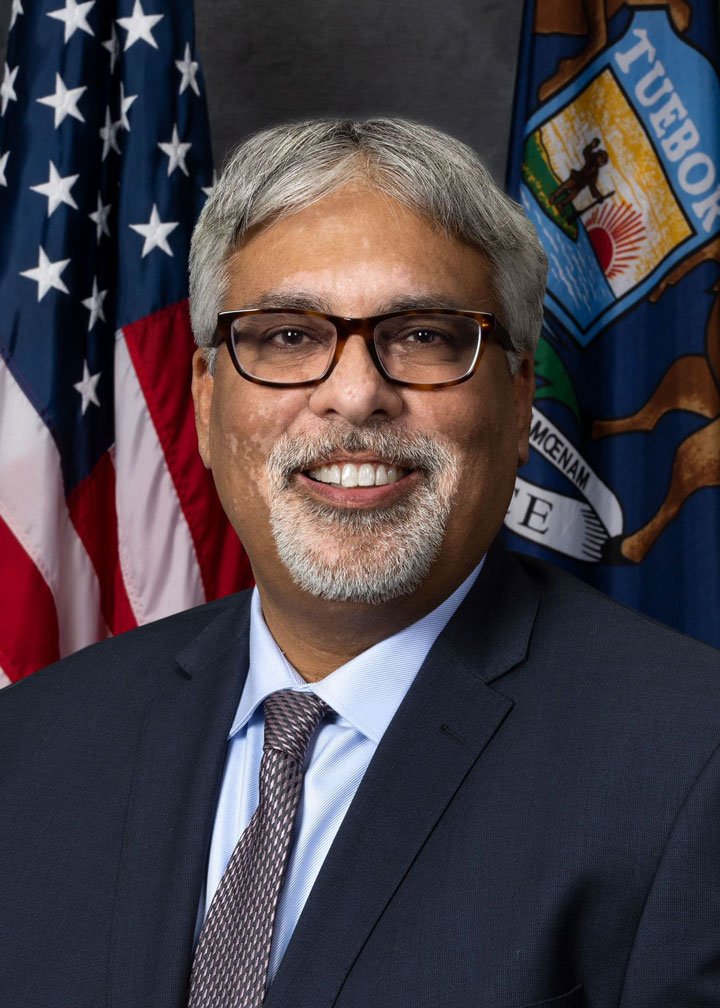
Sam Singh
93% support rate
Top opponent
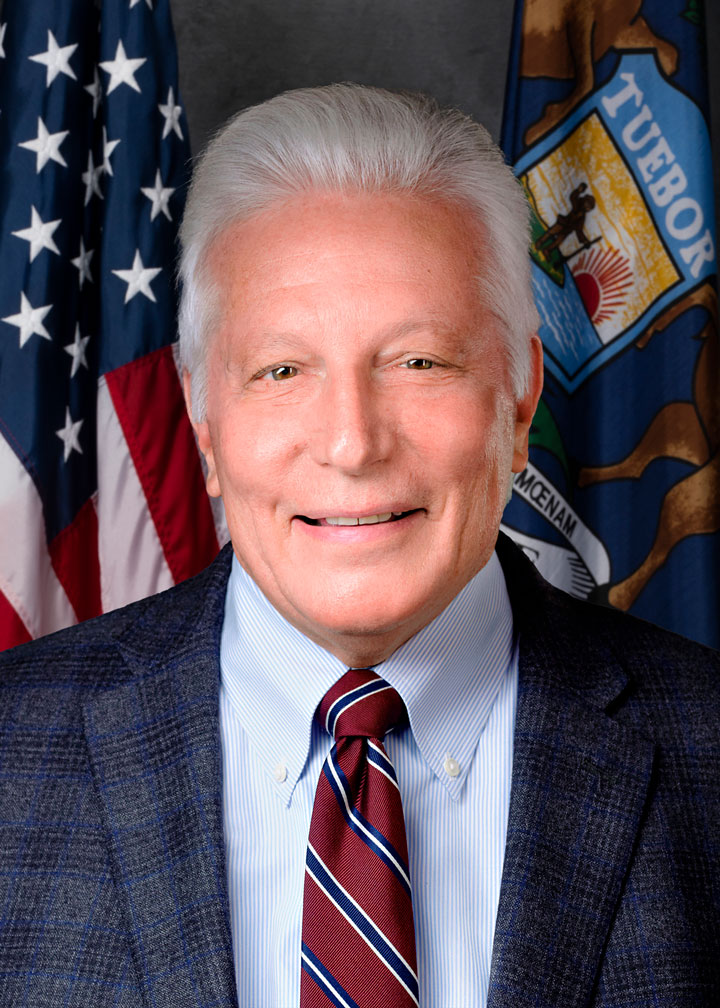
Thomas Albert
13% support rate
Ranked legislators
10
5 support · 5 oppose
Key legislators

Who's moving labor & employment in Michigan

Legislators moving labor & employment in Michigan
Legislator Party Stance Support rate Votes
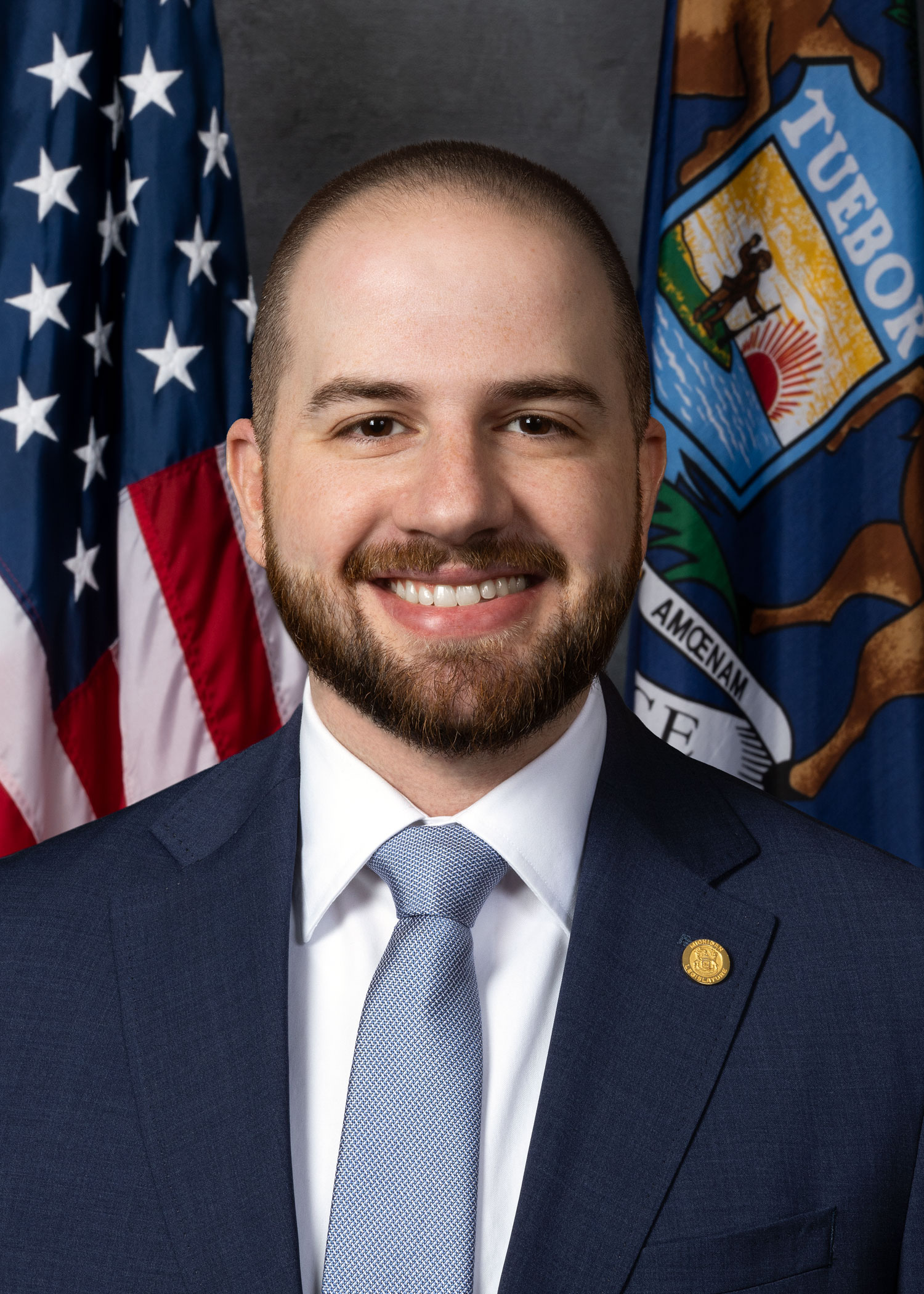
Sam Singh
Sam Singh Senate · District 28
D
Strong +
93% 45
Paul Wojno
Paul Wojno Senate · District 10
D
Strong +
93% 45
Kevin Hertel
Kevin Hertel Senate · District 12
D
Strong +
93% 46
Winnie Brinks
Winnie Brinks Senate · District 29
D
Strong +
93% 45
Jeremy Moss
Jeremy Moss Senate · District 7
D
Strong +
93% 45
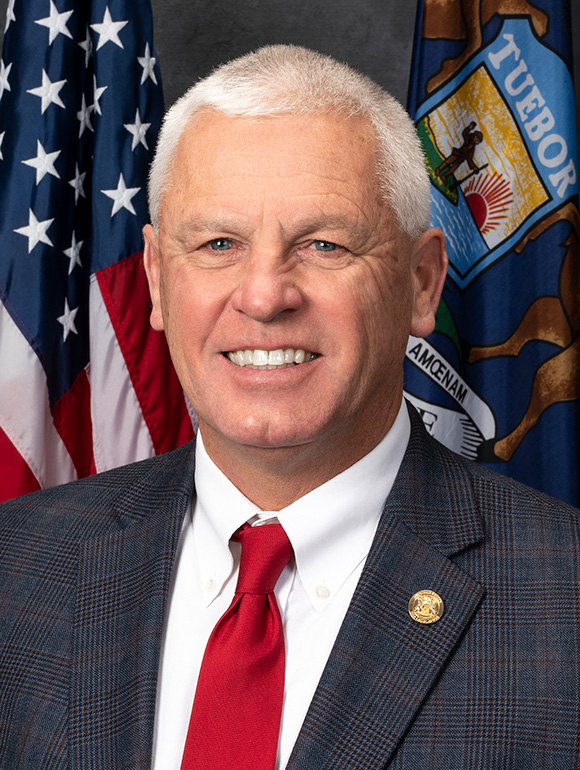
Thomas Albert
Thomas Albert Senate · District 18
R
Strong −
13% 45
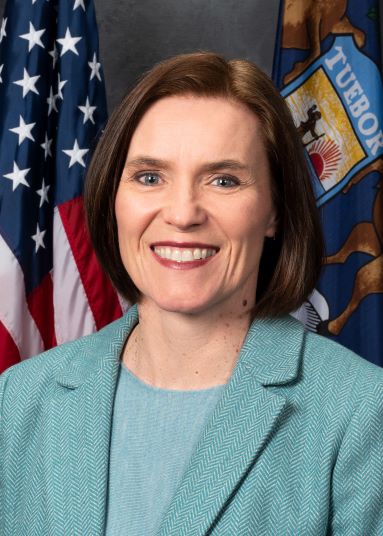
Michele Hoitenga
Michele Hoitenga Senate · District 36
R
Strong −
13% 45
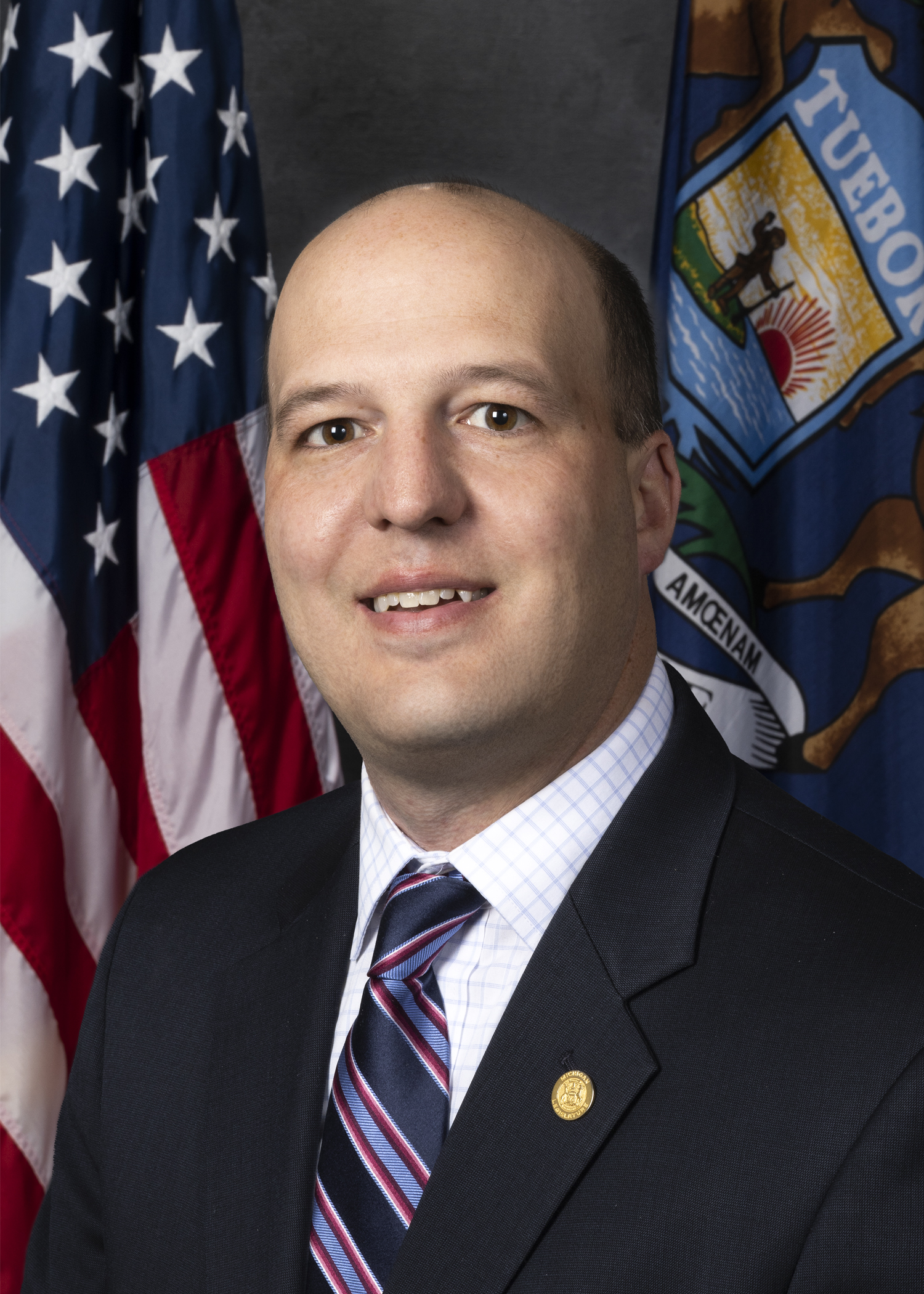
Jim Runestad
Jim Runestad Senate · District 23
R
Strong −
14% 39
Jon Bumstead
Jon Bumstead Senate · District 32
R
Strong −
14% 42
Ruth Johnson
Ruth Johnson Senate · District 24
R
Strong −
17% 36
Showing 41–50 of 262 bills

All labor & employment bills

in committee · Michigan · House Apr 15, 2026

HB 5786: Labor: employment preference; prioritization of local union labor; require for the construction of enterprise data centers. Creates new act. TIE BAR WITH: HB 5785'26, HB 5787'26

This bill establishes new requirements for construction contracts related to enterprise data centers in Michigan, mandating that owners prioritize hiring local union workers before considering those from other regions or states. Contractors must also ensure that at least 10% of total labor hours are performed by registered apprentices, unless the state determines they are unavailable for specific job roles. To enforce these rules, the legislation requires contractors to document their hiring efforts, submit detailed workforce reports, and face potential penalties such as the loss of tax exemptions if they fail to comply.
passed · Michigan · Senate Apr 30, 2026

SR 116: A resolution to recognize May 1, 2026, as International Workers’ Day.

This Senate resolution officially designates May 1, 2026, as International Workers' Day within the state. The measure honors the contributions of Michigan's workforce and commemorates the historical significance of the labor movement, including events like the Haymarket Affair and the Flint Sit-Down Strike. By adopting this resolution, the legislative body acknowledges the importance of workers' rights and the state's legacy in advancing economic and social justice.
in committee · Michigan · Senate May 14, 2026

SB 969: Health facilities: other; definition of covered facility; include hospitals that provide swing bed services. Amends secs. 20173a & 20173b of 1978 PA 368 (MCL 333.20173a & 333.20173b).

SB 969 expands the definition of "covered facilities" in Michigan's public health code to include hospitals that provide swing bed services, in addition to existing nursing homes and similar institutions. This change ensures that these additional hospitals must adhere to the same strict rules regarding the employment and clinical privileges of staff who have direct access to patients. The bill requires facilities to conduct criminal history checks on new employees and prohibits hiring individuals with specific convictions related to violence, abuse, fraud, or drug offenses within certain timeframes. By including swing bed hospitals, the legislation aims to maintain consistent safety standards across a broader range of healthcare settings that care for vulnerable populations.
Sub-Topics Public Health
in committee · Michigan · House Apr 28, 2026

HR 295: A resolution calling on residents, employers, and community organizations in the state of Michigan to promote awareness of workers’ rights and protections in the workplace.

This legislative resolution asks residents, employers, and community groups in Michigan to raise awareness about workers' rights and workplace protections. It highlights the importance of these rights for economic stability and directs attention to existing resources provided by state agencies like the Bureau of Employment Relations and the Occupational Safety and Health Administration. The bill specifically encourages promoting these rights during Workplace Rights Week, which is scheduled for April 27 through May 1, 2026. A copy of the resolution will be sent to the Director of the Department of Labor and Economic Opportunity to facilitate this outreach.
in committee · Michigan · House May 13, 2026

HB 5953: Worker's compensation: disabilities; presumption of causation of post-traumatic stress disorder; provide for certain occupations and allow for claims against post-traumatic stress injury fund. Amends 1969 PA 317 (MCL 418.101 - 418.941) by adding sec. 407. TIE BAR WITH: HB 5952'26

This bill creates a new Post-Traumatic Stress Injury Fund to provide disability benefits to specific first responders and public safety workers who develop PTSD from work-related traumatic events. It allows eligible individuals, such as firefighters, police officers, and 911 dispatchers with at least five years of service, to suspend claims against their employers and instead seek compensation from the fund if they meet the criteria. The legislation establishes a legal presumption that the PTSD arose from employment, which can only be overturned by clear and convincing medical evidence proving non-work-related causes or an incorrect diagnosis. Additionally, the bill sets strict timelines for processing claims, requiring hearings within 90 days and decisions within 30 days, while also defining which high-stress situations qualify as traumatic events.
in committee · Michigan · House May 13, 2026

HB 5954: Labor: hours and wages; scheduling standards for certain employers; provide for. Creates new act.

This Michigan bill, known as the Employee Fair Scheduling Act, establishes new rules for larger employers in retail, hospitality, and food service industries to provide more predictable work schedules. It requires companies with at least 20 employees to give new hires a written estimate of their expected hours and to post detailed work schedules at least 14 days in advance. The legislation also mandates compensation for certain last-minute schedule changes, allows employees to request schedule adjustments, and prohibits retaliation against workers who exercise these rights.
Sub-Topics Labor Standards
passed both · Michigan · House Jul 1, 2026

HB 6009: Public employees and officers: compensation and benefits; severance pay for executive and legislative branch employees and officers; limit, and require reporting if greater than a certain amount. Creates new act.

This bill establishes the State Employment Contract Regulation Act to limit severance pay for employees and officers in Michigan's executive and legislative branches. It generally prohibits contracts that offer more than 12 weeks of wages in severance, ban non-disclosure agreements that prevent reporting illegal activities, and require contracts to be fully disclosed to the public. Exceptions allowing higher severance or restricted contracts are permitted only if legal counsel determines they are necessary to protect public funds from litigation risks, provided such agreements include legal releases of claims. Additionally, the law mandates that any contract offering six weeks or more of severance be posted online within 28 days, while contracts for elected officials must be shared with legislative leaders within three days.
Sub-Topics Public Employees
in committee · Michigan · Senate May 7, 2026

SB 948: Labor: fair employment practices; requirement for an employee to access or respond to work-related communications outside of usual work hours; prohibit. Creates new act.

This bill, known as the Workplace Employee Boundaries Act, prohibits employers from requiring employees to check work emails, texts, or calls outside of their regular working hours. It allows workers to set specific times when they are available for work-related messages and protects them from retaliation, such as firing or threatening them, if they do not respond during off-hours. The law also bans employers from forcing employees to give up these protections as a condition of getting a job and provides for fines and extra pay for violations. Exceptions exist for emergencies, urgent notices to all staff, and situations where employees are already paid to be on call.
Sub-Topics Labor Standards
passed both · Michigan · House Apr 28, 2026

HB 5715: Military affairs: other; direct deposit for compensation of Michigan national guard members; provide for. Amends sec. 6 of 1978 PA 390 (MCL 408.476).

This bill requires the Michigan National Guard to pay all servicemembers their compensation through direct deposit or electronic transfer starting with their first eligible pay period. The legislation amends existing state wage payment laws to mandate this specific payment method for National Guard members, who must provide the necessary banking information to enable the transfers. While the bill maintains existing protections for other employees regarding payroll debit cards and direct deposit consent, it creates a special provision that applies exclusively to the National Guard without requiring individual opt-in consent from each servicemember. This change ensures consistent electronic payment processing for military compensation while preserving the broader legal framework governing wage payments for other Michigan employees.
in committee · Michigan · House Mar 4, 2026

HB 5649: Corporate income tax: credits; employer credit for certain apprenticeship and career and technical education programs: provide for. Amends 1967 PA 281 (MCL 206.1 - 206.847) by adding secs. 279 & 672.

This bill creates a new corporate income tax credit for Michigan employers who train apprentices and employ students in career and technical education programs. Starting in 2026, eligible businesses can receive tax credits covering up to 50% of certain training expenses or $2,000 per apprentice or student, with small businesses under 50 employees receiving an additional 10% bonus credit. The credit applies to qualified expenses such as wages, benefits, and classroom instruction costs, and any unused portion can be refunded to the taxpayer. Additionally, the bill requires the state Department of Labor to annually report on program participation, employment outcomes, and the fiscal impact of the credits to legislative committees.
Showing 41 to 50 of 262 bills
Previous 1 4 5 6 27 Next