Issue · Labor & Employment

Labor & Employment

Every labor & employment bill, vote, and legislator stance in Michigan, automatically classified by Maddy, our AI policy reader.

Total bills
262
2025-2026 Regular Session
Top supporter
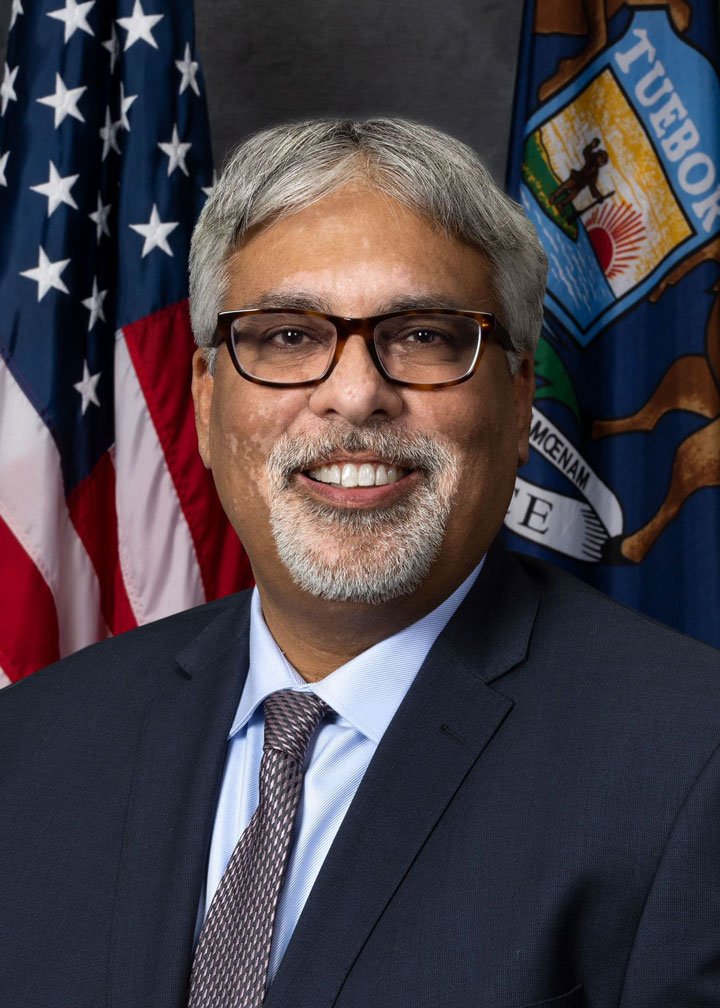
Sam Singh
93% support rate
Top opponent
Thomas Albert
13% support rate
Ranked legislators
10
5 support · 5 oppose
Key legislators

Who's moving labor & employment in Michigan

Legislators moving labor & employment in Michigan
Legislator Party Stance Support rate Votes
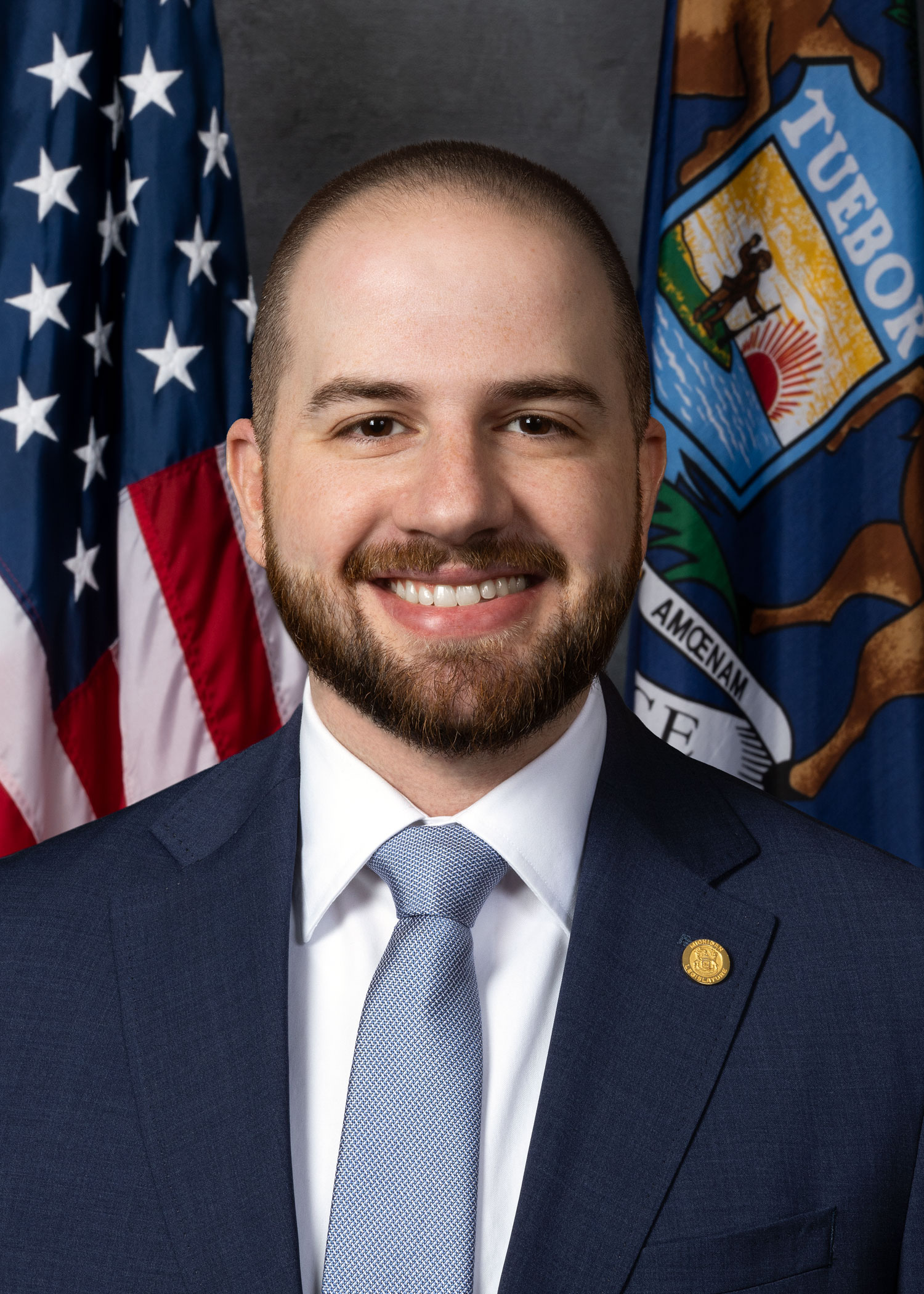
Sam Singh
Sam Singh Senate · District 28
D
Strong +
93% 45
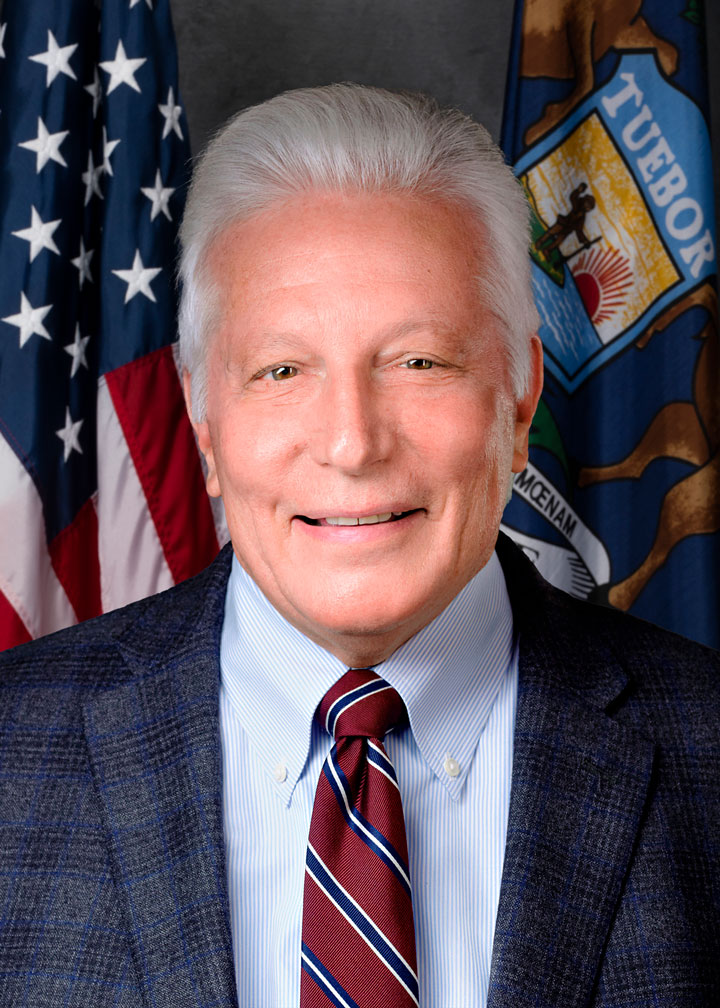
Paul Wojno
Paul Wojno Senate · District 10
D
Strong +
93% 45
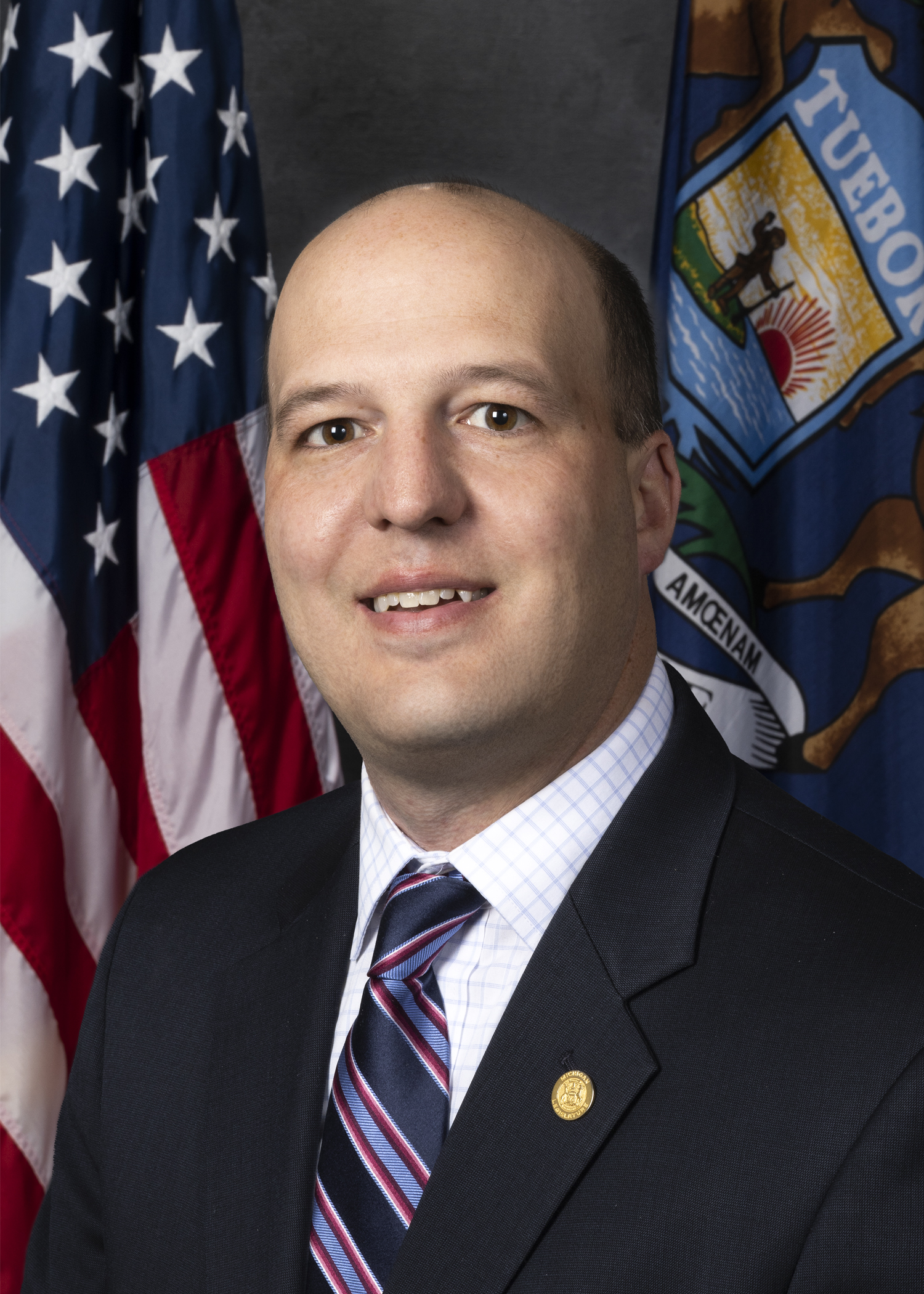
Kevin Hertel
Kevin Hertel Senate · District 12
D
Strong +
93% 46
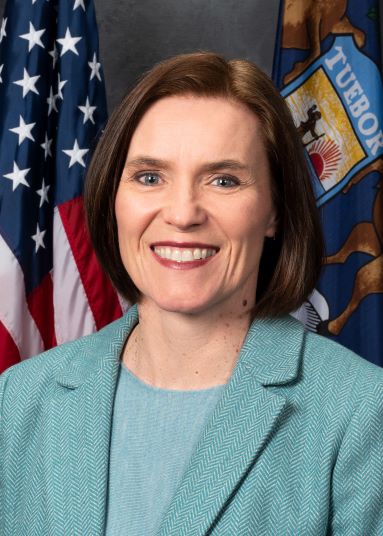
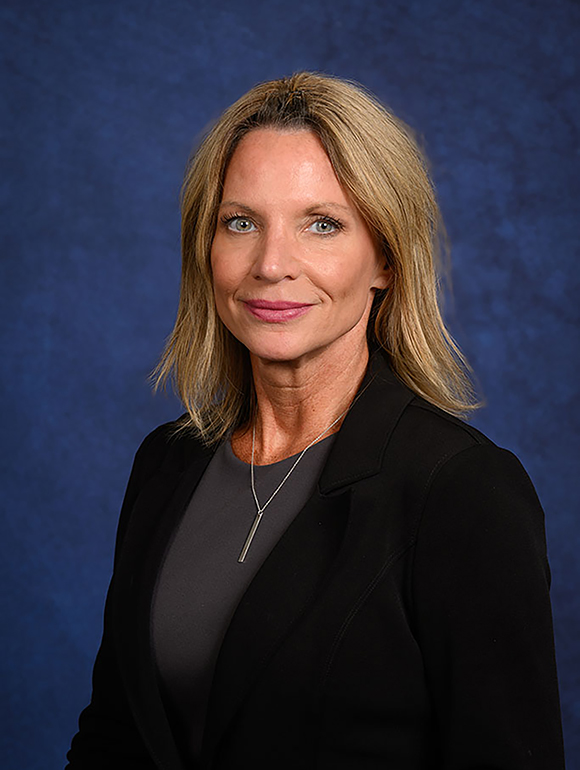
Winnie Brinks
Winnie Brinks Senate · District 29
D
Strong +
93% 45
Jeremy Moss
Jeremy Moss Senate · District 7
D
Strong +
93% 45
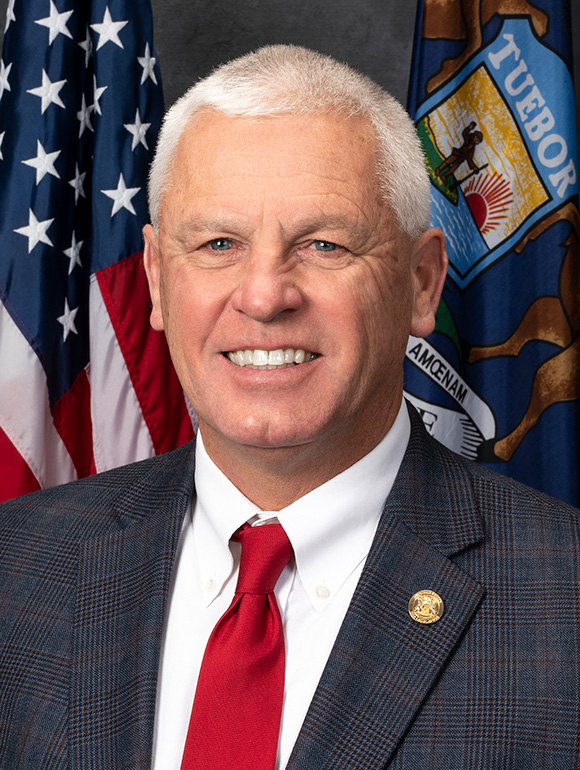
Thomas Albert
Thomas Albert Senate · District 18
R
Strong −
13% 45
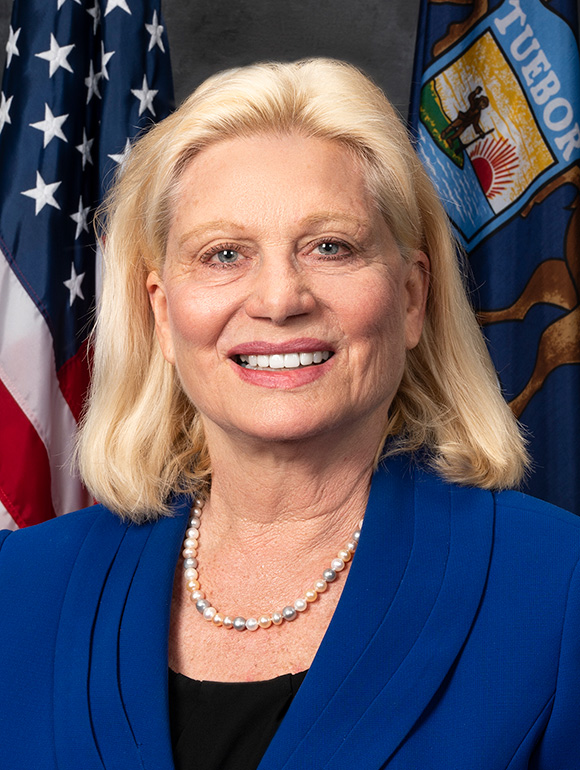
Michele Hoitenga
Michele Hoitenga Senate · District 36
R
Strong −
13% 45
Jim Runestad
Jim Runestad Senate · District 23
R
Strong −
14% 39
Jon Bumstead
Jon Bumstead Senate · District 32
R
Strong −
14% 42
Ruth Johnson
Ruth Johnson Senate · District 24
R
Strong −
17% 36
Showing 241–250 of 262 bills

All labor & employment bills

in committee · Michigan · House Sep 24, 2025

HB 5003: Employment security: other; eligibility for restitution waivers; increase income and asset thresholds. Amends sec. 62 of 1936 (Ex Sess) PA 1 (MCL 421.62).

HB 5003 amends Michigan's unemployment benefits law to make it easier for low-income recipients to avoid repaying wrongly paid benefits. It increases the income threshold for hardship waivers from 150% to 200% of the federal poverty guidelines, meaning more individuals with modest household incomes qualify for relief. The bill also maintains existing waiver conditions for cases involving employer errors or agency clerical mistakes, but explicitly excludes intentional fraud. This change directly affects Michigan unemployment benefit recipients who overpaid due to administrative errors or low income, reducing their financial burden.
Sub-Topics Unemployment
in committee · Michigan · House Sep 24, 2025

HB 5002: Employment security: administration; plain language; require the unemployment agency to use in communications and determinations. Amends sec. 2 & 32b of 1936 (Ex Sess) PA 1 (MCL 421.2 & 421.32b) & adds sec. 32e.

HB 5002 requires Michigan's unemployment agency to use simple, clear language in all communications with claimants and employers about benefits, taxes, and agency decisions. It mandates that explanations of denials, modifications, or benefit changes include specific facts about the case and the legal basis for the decision, all at a fourth-grade reading level. The bill also requires the agency to provide clear summaries of appeal rights and consolidate related decisions into single notifications. This directly affects individuals filing for unemployment and businesses managing unemployment tax accounts. The law aims to make the process more understandable without changing benefit eligibility rules.
Sub-Topics Unemployment
signed · Michigan · Senate Feb 25, 2025

SB 8: Labor: hours and wages; minimum hourly wage rate; modify Amends secs. 2, 4, 4d, 9 & 10 of 2018 PA 337 (MCL 408.932 et seq.). TIE BAR WITH: HB 4002'25

SB 8 increases Michigan's minimum hourly wage to $12.48 starting February 21, 2025, with annual raises through 2030 (reaching $15.00 by 2027). It also adjusts the wage annually based on inflation starting in 2027, unless unemployment exceeds 8.5%. The bill includes a provision for tipped workers, allowing employers to pay a lower base wage (starting at 38% of the standard rate in 2025 and rising to 48% by 2030) if workers earn sufficient tips that cover the difference. This directly affects hourly workers and businesses employing them, requiring employers to comply with updated wage rates and tip-sharing rules.
in committee · Michigan · House Aug 19, 2025

HR 152: A resolution opposing any further action by the Trump administration to eliminate the livelihoods of federal workers without just cause and take away their right to organize and collectively bargain.

This House resolution (HR 152) opposes the Trump administration's actions that would terminate federal workers without just cause and eliminate their right to collectively bargain. It specifically targets executive orders from March 2025 that banned collective bargaining for nearly a million federal employees. The resolution, introduced by Rep. Weiss and referred to the Government Operations Committee, is a symbolic statement urging the administration to cease these actions. It does not create new law but expresses legislative disapproval of policies affecting federal workers' job security and labor rights.
passed both · Michigan · House Feb 4, 2026

HB 4361: Public utilities: other; guidelines for trimming trees and branches around power lines; modify. Amends sec. 10p of 1939 PA 3 (MCL 460.10p).

HB 4361 requires Michigan electric utilities to establish worker transition programs for employees during restructuring events, such as ownership transfers of divisions or facilities. It mandates that new owners must first hire existing non-supervisory workers and maintain their wages and benefits for at least 30 months, with dispute resolution mechanisms for workplace concerns. The bill also directs the Public Service Commission to set service quality and reliability standards for utilities, including outage response and maintenance, and to review annual reports from utilities on compliance. These changes directly affect electric utility workers, employers, and the Public Service Commission.
passed · Michigan · Senate Jun 23, 2026

SB 49: Labor: health and safety; revisions to the occupational safety and health act; provide for. Amends title & secs. 4, 13, 14, 14a, 14e 14f, 14j, 14n, 24, 27, 28, 29, 30, 31, 33, 35, 36, 37, 41, 45, 46, 52, 54, 55, 56, 63, 65 & 91 of 1974 PA 154 (MCL 408.1004 et seq.) & repeals sec. 1035a of 1974 PA 154 (MCL 408.1035a).

SB 49 amends Michigan's Occupational Safety and Health Act to update key definitions and clarify enforcement responsibilities. It revises terms like "asbestos," "authorized employee representative," and "construction operations," while specifying that the Department of Labor handles safety enforcement and the Department of Public Health manages health enforcement. The bill requires these departments to annually report to legislative committees on overlapping authority and coordination efforts. This affects Michigan employers and workers, particularly in construction, agriculture, and asbestos-related industries, by updating how safety and health rules are defined and implemented.
Sub-Topics Workplace Safety
passed both · Michigan · House Sep 9, 2025

HB 4017: Labor: health and safety; penalty for failure to report a death; decrease by the maximum allowable amount if the death occurs to a certain individual on a family farm. Amends sec. 35 of 1974 PA 154 (MCL 408.1035).

HB 4017 modifies workplace safety reporting rules by reducing the maximum penalty for failing to report a death if the death occurs on a family farm. It specifically lowers the penalty amount for employers who don't report fatalities involving certain individuals (like family members) working on their own farm. The bill affects employers in Michigan who operate family farms and are subject to workplace safety laws under MCL 408.1035. This change directly alters the penalty structure for reporting requirements related to farm-related workplace deaths.
in committee · Michigan · Senate Oct 22, 2025

SB 623: Labor: health and safety; time to submit a complaint; modify. Amends sec. 65 of 1974 PA 154 (MCL 408.1065).

SB 623 shortens the deadline for Michigan employees to file workplace discrimination complaints related to safety concerns. It changes the current 180-day window for filing a complaint after retaliation to 30 days. This directly affects employees who report safety issues and employers who may retaliate against them. The bill modifies the existing Michigan Occupational Safety and Health Act to require complaints be filed within 30 days of the discriminatory act, streamlining the process for addressing retaliation. The change is procedural and does not alter other protections or enforcement mechanisms under the act.
in committee · Michigan · Senate Oct 22, 2025

SB 622: Labor: health and safety; requirements for proposed administrative rule; modify. Amends sec. 14 of 1974 PA 154 (MCL 408.1014).

SB 622 requires Michigan to adopt federal OSHA standards within 10 working days of their federal adoption, replacing the previous requirement for state rulemaking. It also mandates that state officials justify new Michigan safety rules when federal standards don't cover specific workplace issues, including demonstrating industry-specific needs or broad consensus among employers and workers. The bill directly affects Michigan's Department of Licensing and Regulatory Affairs, which must process these rules, and impacts employers and workers across all regulated industries. These changes streamline alignment with federal standards while adding transparency requirements for state rule development.
in committee · Michigan · House Oct 28, 2025

HB 5118: Individual income tax: credit; work opportunity tax credit for qualified employees; provide for. Amends 1967 PA 281 (MCL 206.1 - 206.847) by adding secs. 279 & 679. TIE BAR WITH: HB 5119'25

HB 5118 would create a Michigan income tax credit for employers hiring residents from specific federal "targeted groups" (like veterans or long-term unemployed individuals). The credit equals 50% of the federal work opportunity tax credit amount, applied to qualified wages paid to Michigan residents certified by the state unemployment agency as part of these groups. It applies to tax years beginning January 1, 2026, and cannot exceed an employer's total tax liability for that year. The bill directly affects Michigan employers (excluding tax-exempt organizations) who hire eligible employees meeting federal and state certification criteria.
Showing 241 to 250 of 262 bills
Previous 1 24 25 26 27 Next