Issue · Healthcare

Healthcare

Every healthcare bill, vote, and legislator stance in Michigan, automatically classified by Maddy, our AI policy reader.

Total bills
530
2025-2026 Regular Session
Top supporter
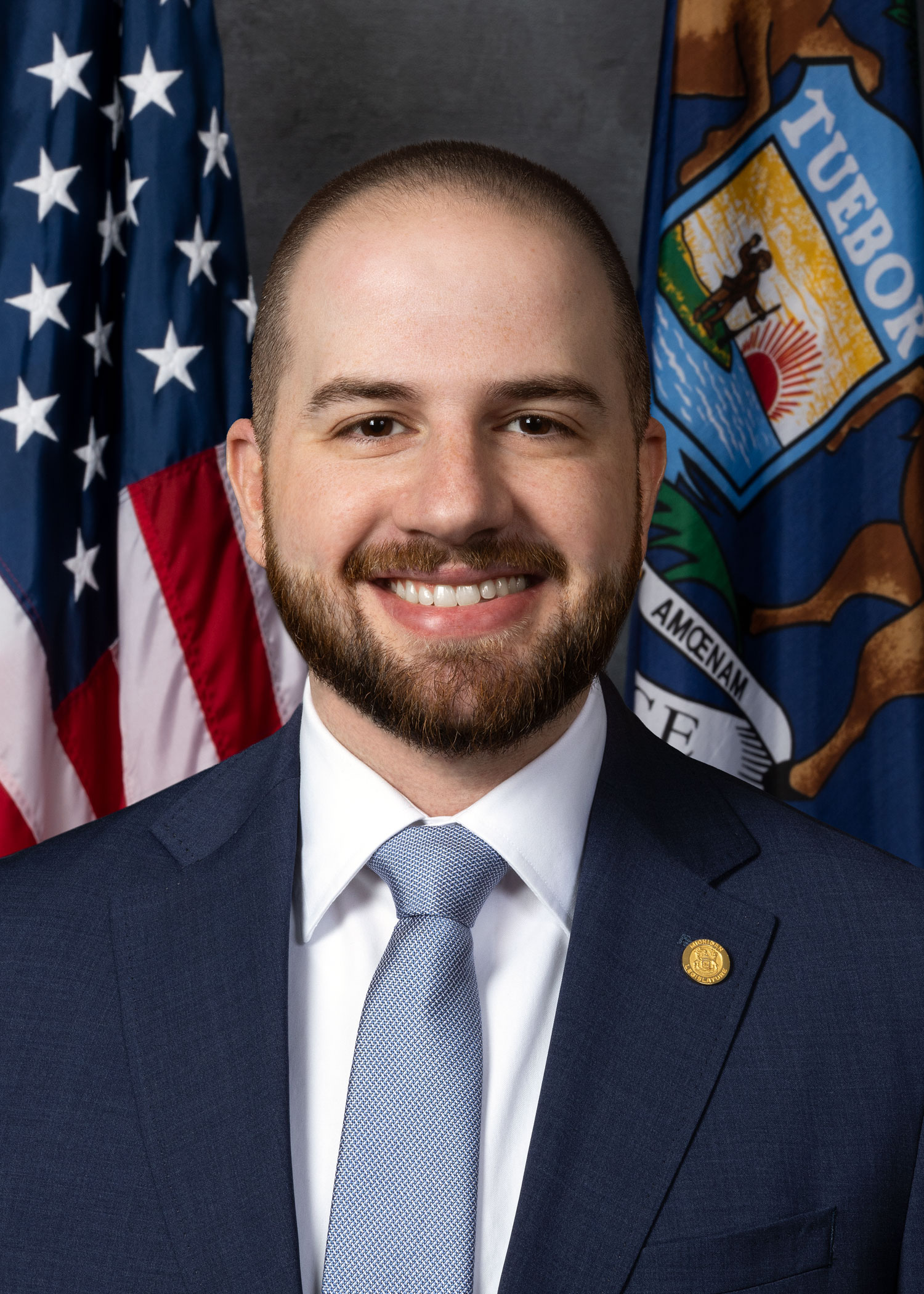
Veronica Klinefelt
96% support rate
Top opponent
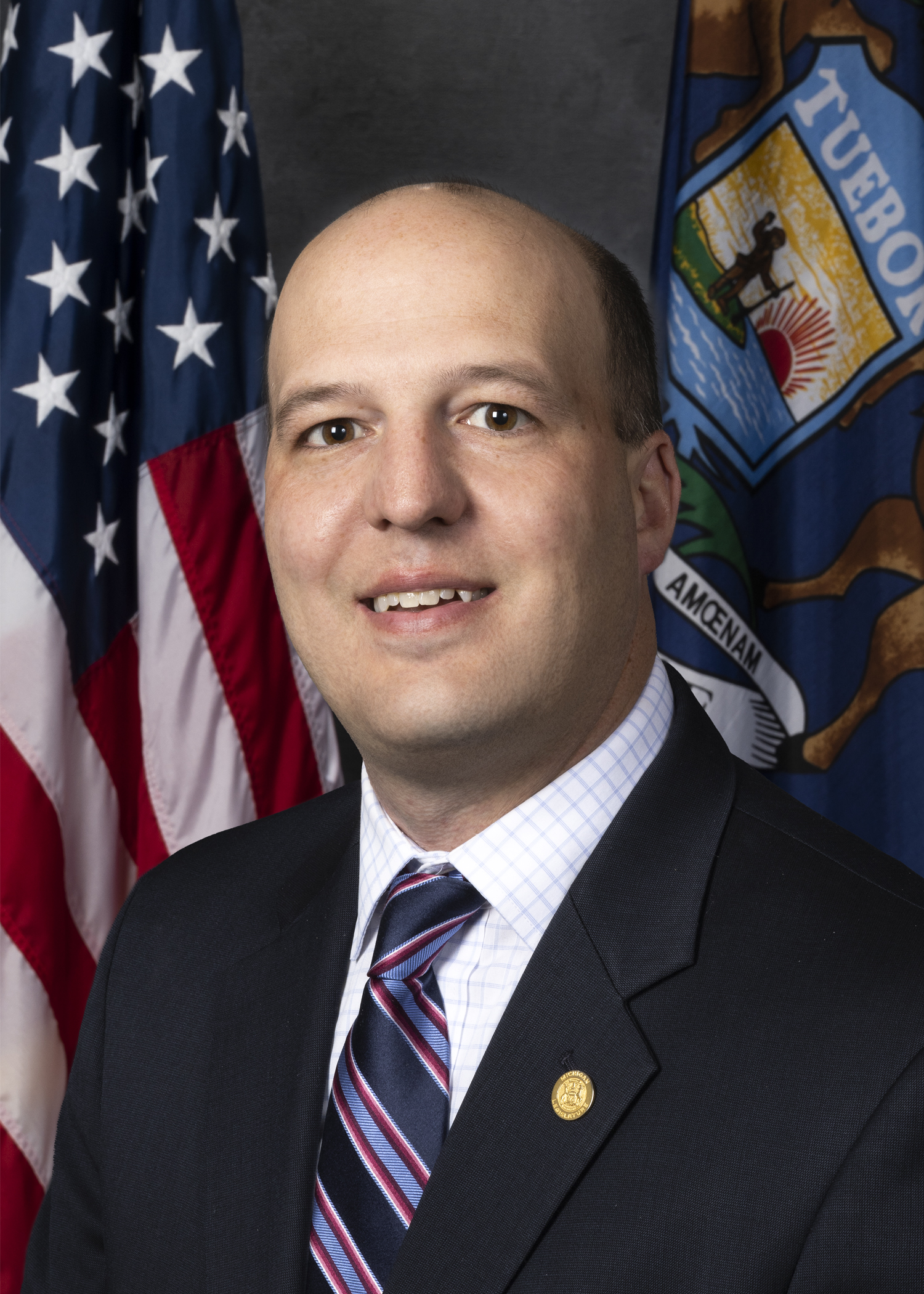
Jim Runestad
8% support rate
Ranked legislators
10
5 support · 5 oppose
Key legislators

Who's moving healthcare in Michigan

Legislators moving healthcare in Michigan
Legislator Party Stance Support rate Votes
Veronica Klinefelt
Veronica Klinefelt Senate · District 11
D
Strong +
96% 60
Winnie Brinks
Winnie Brinks Senate · District 29
D
Strong +
93% 64
Mallory McMorrow
Mallory McMorrow Senate · District 8
D
Strong +
93% 60
Kevin Hertel
Kevin Hertel Senate · District 12
D
Strong +
93% 63
Jeremy Moss
Jeremy Moss Senate · District 7
D
Strong +
93% 62
Jim Runestad
Jim Runestad Senate · District 23
R
Strong −
8% 49
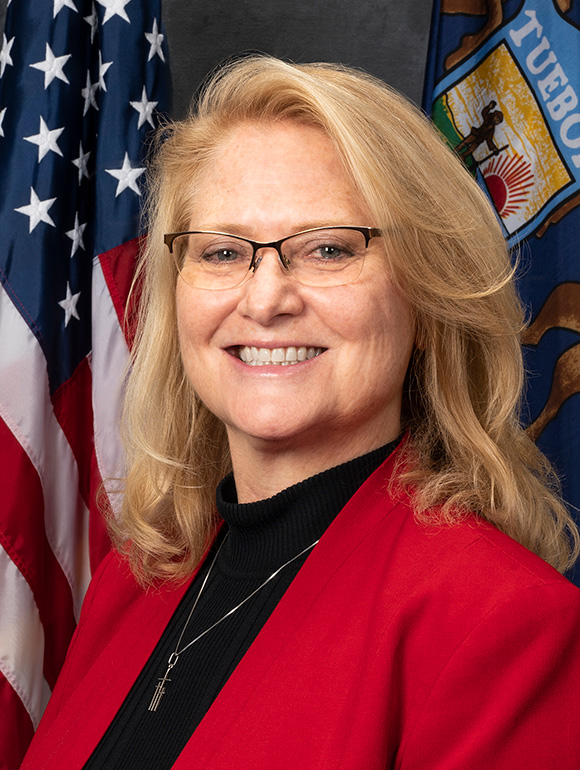
Michele Hoitenga
Michele Hoitenga Senate · District 36
R
Strong −
17% 62
Dan Lauwers
Dan Lauwers Senate · District 25
R
Strong −
17% 63
Thomas Albert
Thomas Albert Senate · District 18
R
Strong −
17% 61
Lana Theis
Lana Theis Senate · District 22
R
Strong −
19% 59
Showing 501–510 of 530 bills

All healthcare bills

passed both · Michigan · House Oct 28, 2025

HB 4484: Human services: medical services; coverage policies for speech-language pathologists; modify. Amends 1939 PA 280 (MCL 400.1 - 400.119b) by adding sec. 109z.

HB 4484 amends Michigan's Social Welfare Act to allow licensed speech-language pathologists (SLPs) to seek reimbursement for audiological rehabilitation and speech-language therapy services, regardless of whether they hold a certificate of clinical competence. This change directly affects SLPs practicing in Michigan who previously faced potential barriers to reimbursement under existing department rules. The bill removes a prior requirement for the clinical certificate, ensuring reimbursement eligibility solely based on state licensure. It applies to all coverage policies under the Social Welfare Act (MCL 400.1-400.119b), streamlining access to payment for these healthcare services.
Sub-Topics Medical Licensing
in committee · Michigan · House Oct 28, 2025

HCR 1: A concurrent resolution to urge the Governor of Michigan to issue an executive directive that would require administrating agencies to assess if the implementation of their programs reduce Adverse Childhood Experiences (ACEs) and provide an annual report and data to the Legislature and general public about progress in reducing ACEs in Michigan.

HCR 1 is a non-binding concurrent resolution urging Michigan's Governor to issue an executive directive requiring state agencies to assess whether their programs reduce Adverse Childhood Experiences (ACEs) and to publish annual reports on progress. It directly affects all state agencies administering programs that could impact children's well-being, such as health, education, and social services. The resolution mandates agencies to evaluate program effectiveness in lowering ACEs - defined as traumatic childhood events like abuse or neglect - and share annual data with the Legislature and public. It cites Michigan data showing 68% of adults experienced at least one ACE, linking these to long-term health risks like depression. As a resolution, it does not create new law but requests the Governor take specific action.
Tags Children
in committee · Michigan · Senate Oct 30, 2025

SB 628: Human services: medical services; coverage for syringe service programs; provide for. Amends 1939 PA 280 (MCL 400.1 - 400.119b) by adding sec. 109t.

SB 628 requires Michigan's medical assistance program (Medicaid) to cover syringe service programs, which provide clean needles, disposal containers, and other harm reduction supplies to people who inject drugs. This directly affects individuals who use injection drugs by expanding access to safer equipment, and it affects the state's Medicaid program by mandating coverage for these services. The bill defines "syringe service programs" as harm reduction initiatives offering supplies like needles, cookers, and sharps disposal containers. It does not change eligibility for Medicaid but ensures these specific harm reduction services are funded under existing medical assistance.
in committee · Michigan · Senate Mar 25, 2026

SB 508: Law enforcement: other; immigration enforcement at certain locations; prohibit in certain circumstances. Creates new act.

SB 508 prohibits law enforcement officers from checking immigration status or enforcing immigration laws in specific "sensitive locations," including schools, hospitals, places of worship, courthouses, and facilities serving vulnerable groups like children or crime victims. The bill allows exceptions only if a court orders entry or if an immediate threat to public safety requires action. It directly affects state and local law enforcement officers and individuals present at these locations during routine activities. The law creates a new legal framework to limit immigration enforcement in settings where people seek safety or services.
passed both · Michigan · House Feb 24, 2026

HB 5039: Health occupations: health professionals; disciplinary action for making a false representation in assisted reproduction; provide for. Amends secs. 16221 & 16226 of 1978 PA 368 (MCL 333.16221 & 333.16226). TIE BAR WITH: HB 5035'25, HB 5036'25

HB 5039 amends Michigan's Public Health Code to add disciplinary action for health professionals who make false representations in assisted reproduction services. It specifically adds "misrepresentation to a consumer or patient" in professional practice (including assisted reproduction) as a prohibited act under disciplinary grounds. This directly affects licensed health professionals, such as fertility specialists or clinics, who provide or advertise assisted reproductive services. The bill expands existing disciplinary criteria to include fraud or false claims related to fees or services in this field, allowing the licensing board to investigate and take action for such violations.
in committee · Michigan · House Nov 5, 2025

HB 5204: Insurance: health insurers; prescription drug coverage for metastatic cancer; prohibit certain conditions. Amends 1956 PA 218 (MCL 500.100 - 500.8302) by adding sec. 3406rr.

HB 5204 requires health insurers in Michigan to cover prescription drugs for advanced metastatic cancer without first forcing patients to fail other treatments or prove prior drug failures. It directly affects patients diagnosed with advanced metastatic cancer (cancer that has spread beyond its original site) and their health insurance plans. The law prohibits insurers from imposing conditions like "fail first" requirements or demanding proof of previous drug ineffectiveness before approving coverage for these drugs or related symptoms. This applies to all health insurance policies covering prescription drugs for such cancer cases. The bill defines "advanced metastatic cancer" and "associated conditions" (symptoms or side effects worsening without treatment) to clarify coverage requirements.
Sub-Topics Prescription Drugs
in committee · Michigan · House Nov 5, 2025

HB 5205: Insurance: health insurers; coverage for examinations and medications related to breast cancer; provide for. Amends sec. 3406d of 1956 PA 218 (MCL 500.3406d).

HB 5205 requires Michigan health insurers to cover specific breast cancer-related services without cost-sharing. It mandates coverage for diagnostic exams, screening mammograms (every 5 years for ages 35-39, annually for 40+), outpatient treatment, and rehabilitation services like reconstructive surgery. The law prohibits deductibles, copays, or dollar limits on these services, aligning coverage terms with general medical care. This directly affects Michigan health insurance policyholders, particularly women needing breast cancer screening or treatment.
Sub-Topics Insurance
in committee · Michigan · House Nov 5, 2025

HB 5200: Insurance: health benefits; pap smears; require to be covered in certain cases. Amends 1956 PA 218 (MCL 500.100 - 500.8302) by adding sec. 3406nn.

HB 5200 requires health insurance plans in Michigan that cover gynecological care to include annual pap smear screenings for women aged 21 or older, with coverage mandated every three calendar years. This applies to all health insurance policies delivered, issued, or renewed in Michigan that provide gynecological coverage, directly affecting women 21+ and insurers offering such plans. The bill eliminates cost-sharing requirements (like copays, deductibles, or coinsurance) for these screenings, ensuring full coverage without out-of-pocket costs. It amends Michigan’s Insurance Code (MCL 500.3406nn) to standardize this preventive care requirement. The bill is currently pending in the House Committee on Insurance after introduction on November 4, 2025.
Sub-Topics Primary Care
passed · Michigan · House Nov 5, 2025

HB 4399: Health occupations: advanced practice registered nurses; scope of practice of registered professional nurses who hold specialty certifications as nurse practitioners; modify. Amends secs. 17201, 17210, 17211a & 17212 of 1978 PA 368 (MCL 333.17201 et seq.) & adds sec. 17210a.

HB 4399 modifies Michigan law to expand the scope of practice for registered nurses certified as nurse practitioners. Specifically, it changes rules allowing these nurses to perform certain medical tasks - like diagnosing conditions and prescribing medications - without requiring direct physician oversight. The bill directly affects certified nurse practitioners in Michigan who currently face restrictions under existing law. It amends sections of the 1978 Public Health Code related to health occupations to clarify and broaden their authorized duties. The changes aim to adjust legal boundaries for these nurses' clinical responsibilities.
passed both · Michigan · House Jan 14, 2026

HB 5053: Health: pharmaceuticals; administration of epinephrine; modify. Amends sec. 20919 of 1978 PA 368 (MCL 333.20919). TIE BAR WITH: HB 5054'25, HB 5049'25, HB 5050'25, HB 5051'25, HB 5052'25

HB 5053 requires medical control authorities to ensure all emergency medical services (EMS) agencies and personnel provide epinephrine or auto-injectors and are trained to recognize anaphylaxis, administer epinephrine, and properly dispose of devices. This directly affects EMS providers who deliver prehospital care across Michigan, mandating specific equipment availability and training protocols. The bill amends existing public health code requirements to strengthen emergency response capabilities for severe allergic reactions, with no changes to opioid antagonist or defibrillator requirements.
Showing 501 to 510 of 530 bills
Previous 1 50 51 52 53 Next