Issue · Healthcare

Healthcare

Every healthcare bill, vote, and legislator stance in Michigan, automatically classified by Maddy, our AI policy reader.

Total bills
530
2025-2026 Regular Session
Top supporter
Veronica Klinefelt
96% support rate
Top opponent
Jim Runestad
8% support rate
Ranked legislators
10
5 support · 5 oppose
Key legislators

Who's moving healthcare in Michigan

Legislators moving healthcare in Michigan
Legislator Party Stance Support rate Votes
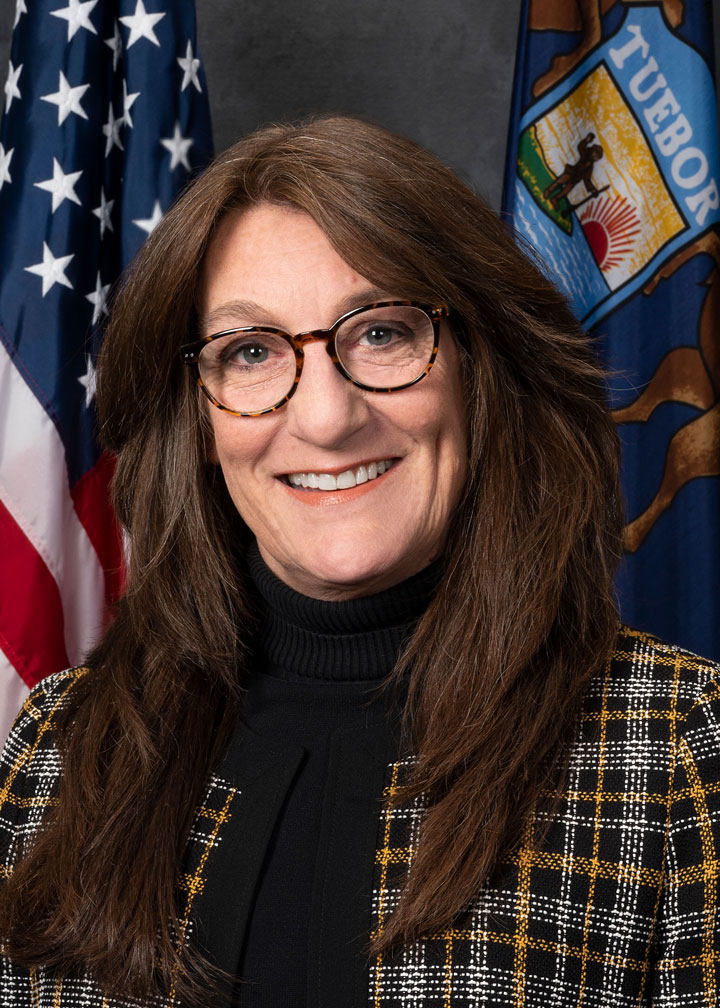
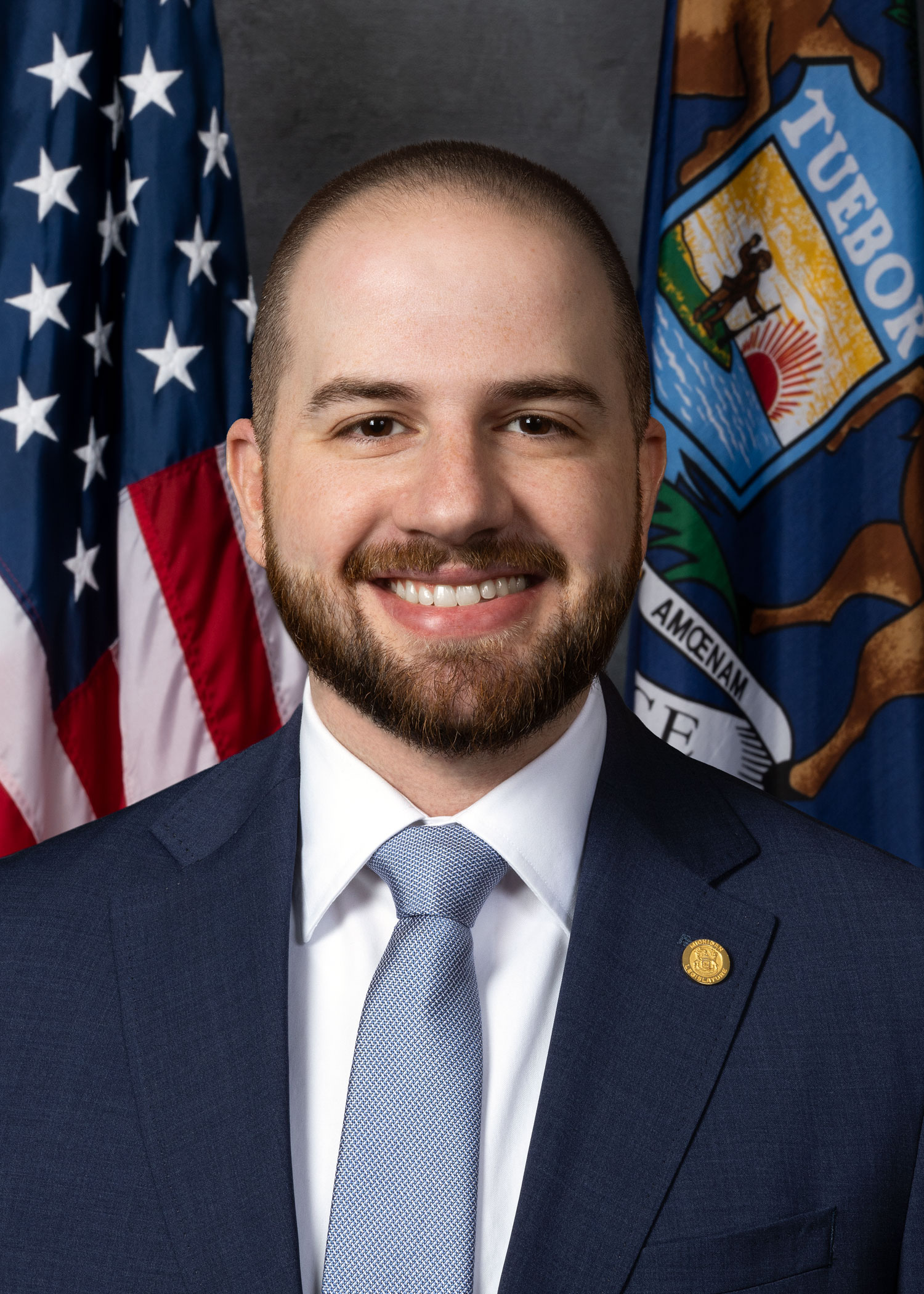
Veronica Klinefelt
Veronica Klinefelt Senate · District 11
D
Strong +
96% 60
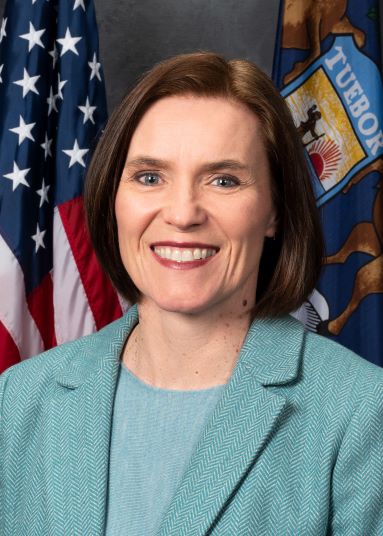
Winnie Brinks
Winnie Brinks Senate · District 29
D
Strong +
93% 64
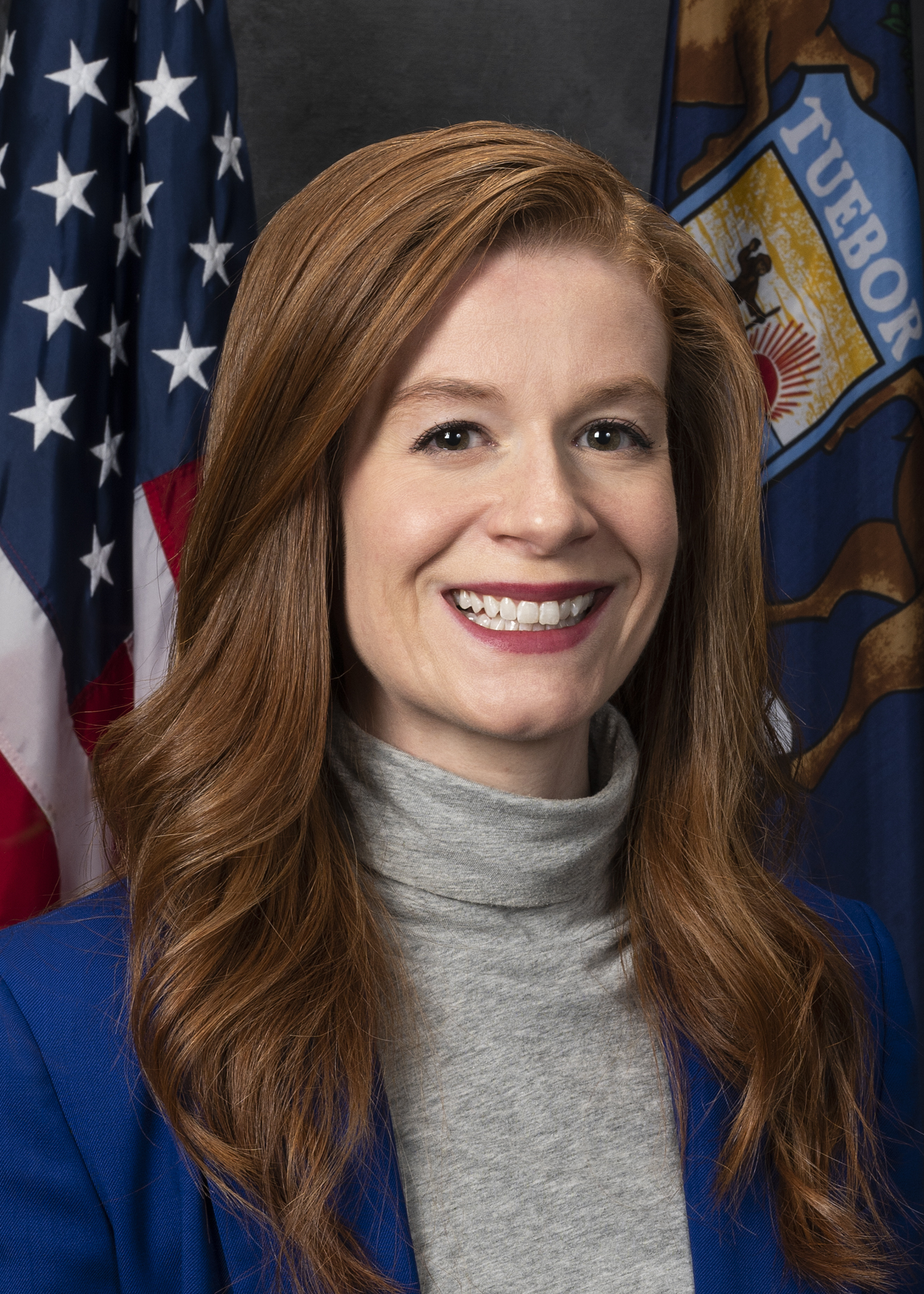
Mallory McMorrow
Mallory McMorrow Senate · District 8
D
Strong +
93% 60
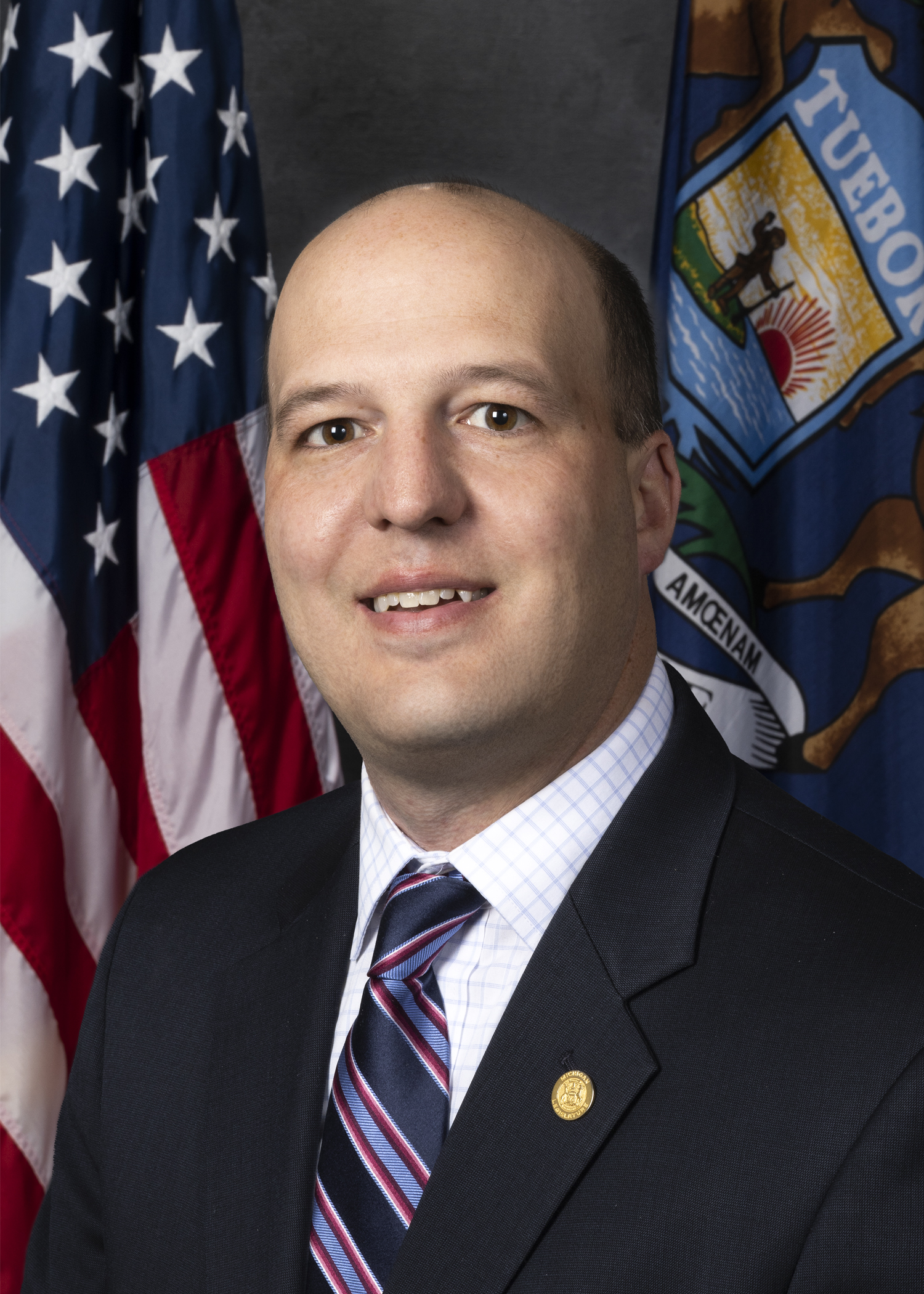
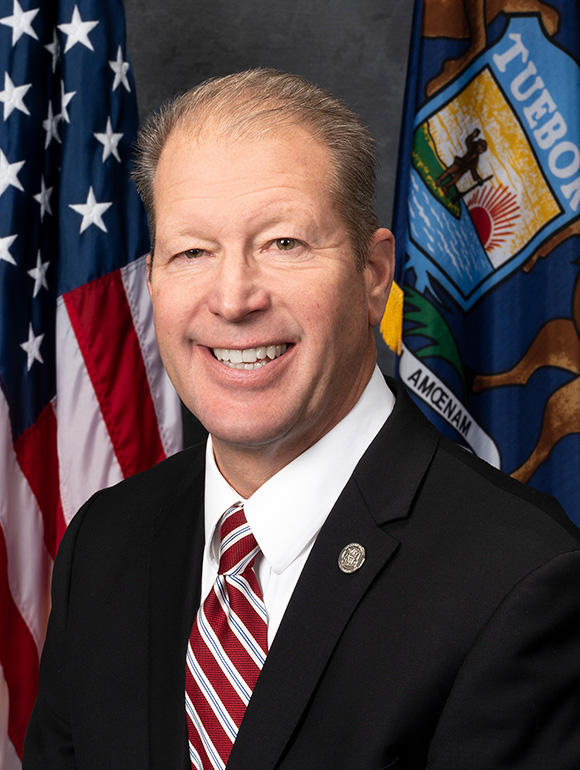
Kevin Hertel
Kevin Hertel Senate · District 12
D
Strong +
93% 63
Jeremy Moss
Jeremy Moss Senate · District 7
D
Strong +
93% 62
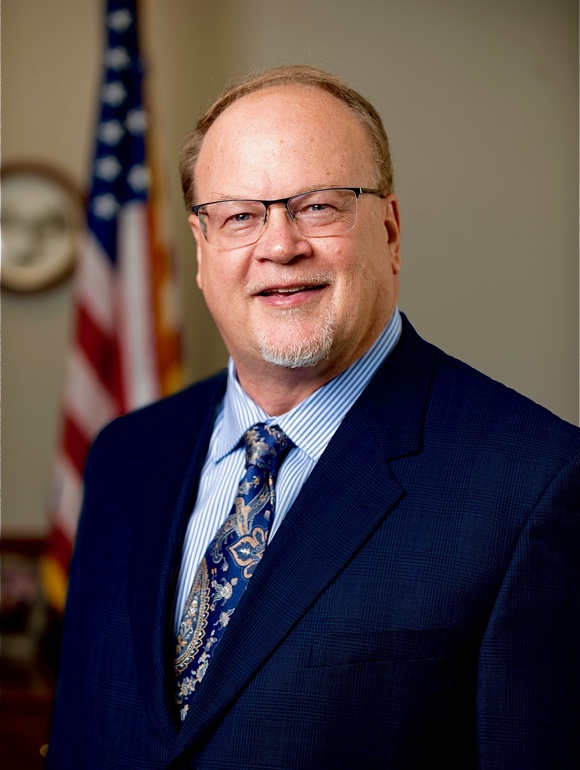
Jim Runestad
Jim Runestad Senate · District 23
R
Strong −
8% 49
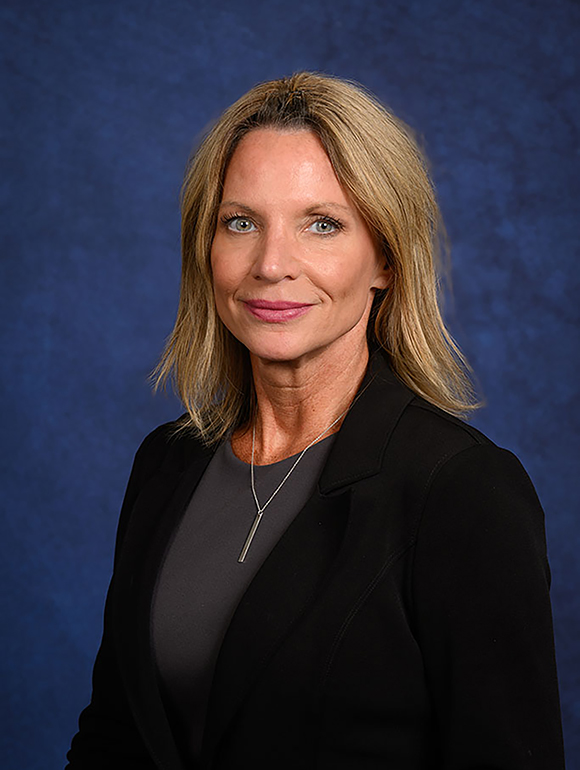
Michele Hoitenga
Michele Hoitenga Senate · District 36
R
Strong −
17% 62
Dan Lauwers
Dan Lauwers Senate · District 25
R
Strong −
17% 63
Thomas Albert
Thomas Albert Senate · District 18
R
Strong −
17% 61
Lana Theis
Lana Theis Senate · District 22
R
Strong −
19% 59
Showing 371–380 of 530 bills

All healthcare bills

in committee · Michigan · House Aug 12, 2025

HB 4752: Mental health: children; conversion therapy; allow. Amends sec. 100a of 1974 PA 258 (MCL 330.1100a) & repeals sec. 901a of 1974 PA 258 (MCL 330.1901a).

HB 4752 defines "conversion therapy" in Michigan's Mental Health Code to prohibit mental health professionals from attempting to change a minor's sexual orientation or gender identity. The bill specifically clarifies that this definition excludes counseling supporting gender transition, providing acceptance, or facilitating identity exploration without seeking to alter orientation or identity. It amends Section 100a of the Mental Health Code (MCL 330.1100a) to include this definition, directly affecting mental health providers working with children and adolescents. This is a definitional change, not a new restriction, aimed at clarifying legal standards for mental health services involving minors.
Sub-Topics Mental Health
passed · Michigan · Senate May 21, 2025

SB 222: Mental health: other; petition for access to assisted outpatient treatment; expand to additional health providers. Amends sec. 473 of 1974 PA 258 (MCL 330.1473).

SB 222 expands who can petition for continued involuntary mental health treatment under Michigan's assisted outpatient program. It adds psychiatric nurse practitioners and physician assistants (working under a psychiatrist's delegation) to the list of eligible petitioners and allows individuals aged 18 or older to file petitions for themselves. Petitions must include a clinical certificate and evidence of a psychiatrist's consultation (unless the filer is a psychiatrist), along with details about the treatment program and estimated duration needed. This change directly affects patients requiring ongoing treatment and increases the number of authorized mental health providers who can initiate the petition process.
in committee · Michigan · House Sep 16, 2025

HB 4872: School aid: supplemental; funding for school mental health and security needs; provide for. Amends 1976 PA 451 (MCL 380.1 - 380.1852) by adding sec. 1310f.

HB 4872 requires Michigan public schools to receive at least $210 per student annually starting in fiscal year 2026 for mental health and safety programs. It directly affects all public schools in the state by mandating this minimum per-pupil funding level, defined using the standard "membership" calculation from Michigan's school aid law. The bill creates a new funding mechanism within the School Code to address school safety and student mental health needs. This is a concrete policy change that would allocate state funds specifically for these purposes, not a procedural or commemorative measure.
passed · Michigan · House Feb 19, 2026

HB 4899: Health occupations: nurses; evaluation of foreign trained registered nurses; modify. Amends sec. 17213 of 1978 PA 368 (MCL 333.17213).

This bill modifies Michigan's licensing rules for foreign-trained registered nurses. It requires the Board of Nursing to accept verification from specific organizations (like CGFNS) to confirm foreign education programs are substantially equivalent to Michigan-approved programs. The bill also simplifies licensing for nurses already licensed in another U.S. state or Canadian province with 5+ years of active, unblemished practice, eliminating the need for program verification in those cases. These changes directly affect foreign-educated nurses and out-of-state nurses seeking Michigan licensure.
passed both · Michigan · House Jul 1, 2026

HB 4905: Health occupations: counselors; virtual supervision to earn marriage and family therapy licensing; provide for. Amends sec. 16909 of 1978 PA 368 (MCL 333.16909).

HB 4905 amends Michigan's licensing requirements for marriage and family therapists to explicitly allow virtual supervision via secure technology during training. It directly affects individuals seeking licensure who must complete supervised clinical hours, permitting them to meet the 300-hour practicum and 1,000-hour post-degree experience requirements through real-time video sessions instead of requiring in-person sessions only. The bill modifies specific sections of the Public Health Code (MCL 333.16909) to clarify that supervision via secure video technology qualifies, as long as it enables direct, contemporaneous interaction. This change aligns licensing standards with modern telehealth practices while maintaining the same hour requirements and supervision ratios. The bill does not alter the total hours needed or the qualifications of supervisors.
in committee · Michigan · House Sep 16, 2025

HB 4923: Health occupations: physical therapists; jurisprudence examination requirement for certain health professions; eliminate. Amends secs. 16329, 16335, 17826, 18307 & 18309 of 1978 PA 368 (MCL 333.16329 et seq.) & adds secs. 17428, 17828 & 18310.

HB 4923 would eliminate a jurisprudence examination requirement for physical therapists and certain other health professionals licensed under Michigan's Public Health Code. The bill amends specific sections of the code (16329, 16335, 17826, 18307, and 18309) to remove the mandatory test on healthcare laws and regulations. This change would directly affect individuals seeking or renewing licenses for these health occupations by removing a specific testing barrier. The bill, introduced on September 11, 2025, is currently referred to the House Health Policy Committee.
Sub-Topics Public Health
passed · Michigan · Senate Apr 15, 2026

SB 296: Health facilities: hospitals; mandatory overtime for nurses; prohibit except under certain circumstances. Amends 1978 PA 368 (MCL 333.1101 - 333.25211) by adding sec. 21526. TIE BAR WITH: SB 0297'25

Senate Bill 296 prohibits hospitals from requiring registered professional nurses to work beyond their regularly scheduled, on-call, or voluntarily agreed-upon hours. It mandates that nurses working 12 or more consecutive hours receive 8 consecutive hours of off-duty time immediately afterward. Exceptions to this prohibition include declared states of emergency, mass casualty incidents, certain patient-care procedures, and situations where an oncoming nurse is unexpectedly absent. The bill also protects nurses from retaliation if they refuse work assignments that exceed these limits and requires hospitals to post notices informing nurses of these provisions.
passed · Michigan · Senate May 21, 2025

SB 221: Criminal procedure: mental capacity; outpatient treatment for misdemeanor offenders with mental health issues; provide for. Amends 1974 PA 258 (MCL 330.1001 - 330.2106) by adding sec. 1021 & ch. 10A. TIE BAR WITH: SB 219'25

Senate Bill 221 establishes a new process for individuals charged with misdemeanor offenses who have mental health issues. The bill allows for the diversion of these defendants into assisted outpatient treatment (AOT) if the prosecuting attorney, defendant, and defense counsel agree to an assessment and the defendant meets the AOT criteria. If a court orders AOT for up to 180 days, the misdemeanor charges remain pending but are dismissed after 90 days (or 180 days for serious misdemeanors). This diversion pathway provides an alternative to standard mental competency procedures for eligible misdemeanor offenders.
Sub-Topics Mental Health
passed · Michigan · Senate Jul 1, 2025

SB 404: Controlled substances: other; opioid antagonist policy; require schools to implement in certain circumstances. Amends sec. 1178 of 1976 PA 451 (MCL 380.1178) & adds sec. 1179c. TIE BAR WITH: SB 405'25

SB 404 requires public schools in Michigan to ensure at least one staff member at each school is trained to administer naloxone (an opioid overdose reversal medication) if the state health department provides it at no cost. Schools must develop policies requiring staff to notify parents when naloxone is used and call 9-1-1 for suspected opioid overdoses. The bill directly affects public school districts, intermediate districts, and public school academies by mandating training and response protocols for opioid-related emergencies. It specifies naloxone must be FDA-approved and defines "opioid-related overdose" to include symptoms like respiratory depression or unconsciousness needing medical help.
Sub-Topics Substance Abuse
passed · Michigan · Senate Jul 1, 2025

SB 405: Controlled substances: other; definition of governmental agency under the administration of opioid antagonist act; modify. Amends sec. 101 of 2019 PA 39 (MCL 15.671). TIE BAR WITH: SB 404'25

SB 405 amends Michigan's "Administration of Opioid Antagonists Act" by revising the definition of "governmental agency" to explicitly exclude school district boards, public school academies, and licensed healthcare providers (under Public Health Code Part 209). This change means these entities will no longer be subject to the act's requirements regarding opioid antagonist access and training. The bill directly affects school districts, public school academies, and licensed healthcare facilities by removing them from the scope of the law. The amendment clarifies which organizations must comply with the act's provisions, focusing on state and local government entities rather than schools or healthcare providers. This is a technical definitional update with no new requirements or funding changes.
Showing 371 to 380 of 530 bills
Previous 1 37 38 39 53 Next