Issue · Healthcare

Healthcare (Hospitals)

Every healthcare bill, vote, and legislator stance in Michigan, automatically classified by Maddy, our AI policy reader.

Total bills
27
2025-2026 Regular Session
Top supporter
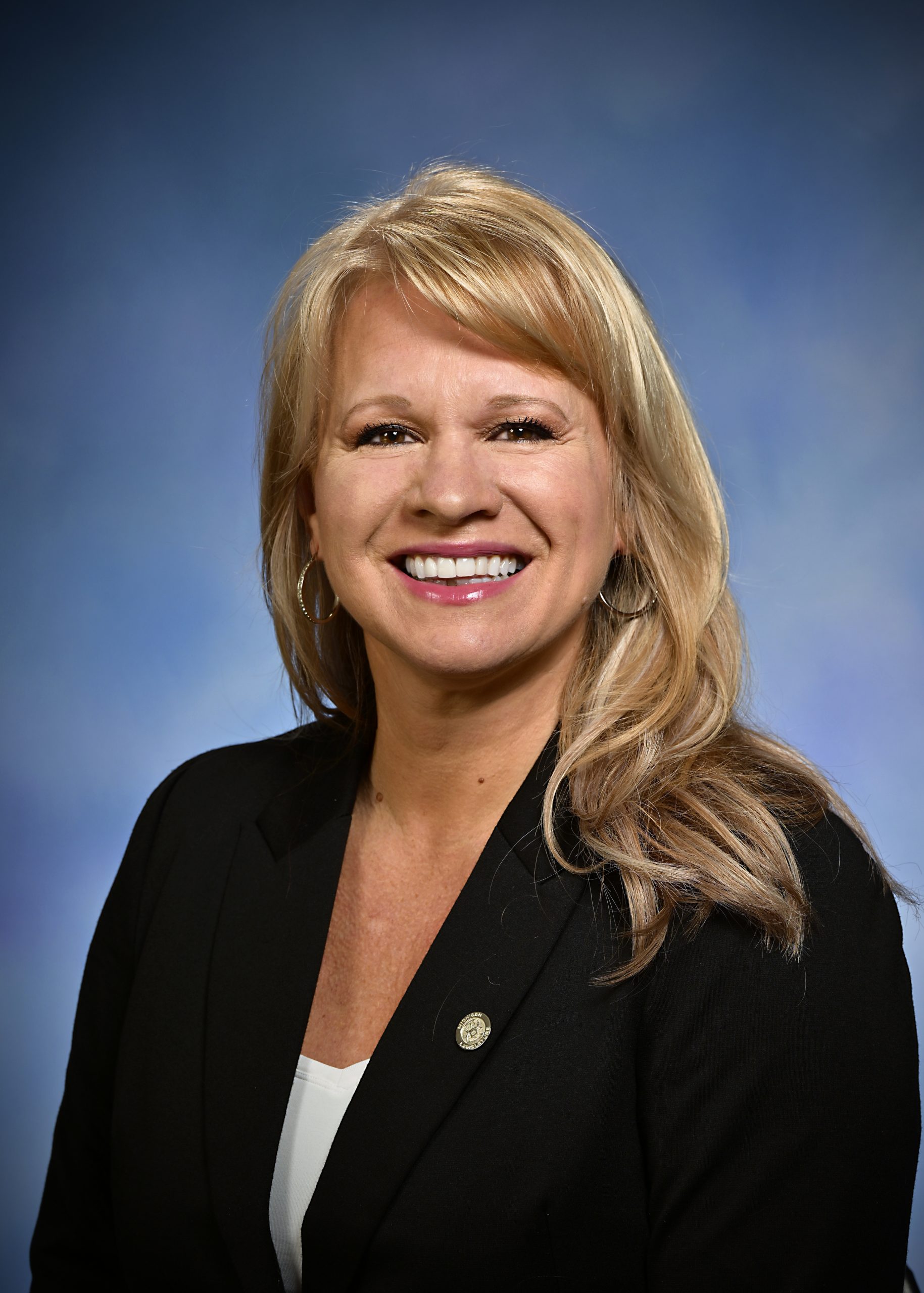
Alicia St. Germaine
100% support rate
Top opponent
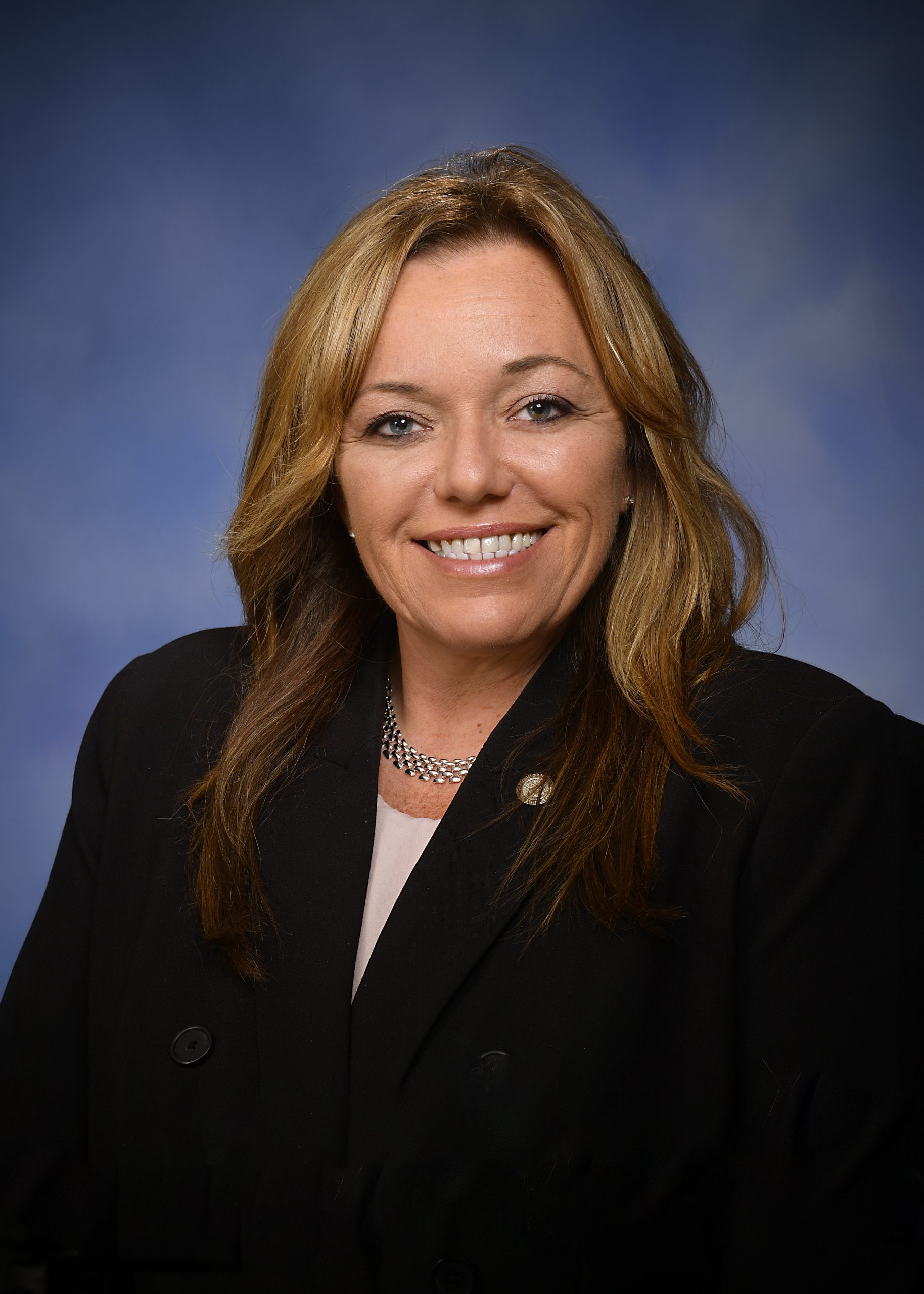
Steve Carra
0% support rate
Ranked legislators
10
5 support · 5 oppose
Key legislators

Who's moving hospitals in Michigan

Legislators moving hospitals in Michigan
Legislator Party Stance Support rate Votes
Alicia St. Germaine
Alicia St. Germaine House · District 62
R
Strong +
100% 3
Angela Rigas
Angela Rigas House · District 79
R
Strong +
100% 3
Angela Witwer
Angela Witwer House · District 76
D
Strong +
100% 3
Ann Bollin
Ann Bollin House · District 49
R
Strong +
100% 3
Betsy Coffia
Betsy Coffia House · District 103
D
Strong +
100% 3
Steve Carra
Steve Carra House · District 36
R
Strong −
0% 3
Donni Steele
Donni Steele House · District 54
R
Oppose
33% 3
Greg VanWoerkom
Greg VanWoerkom House · District 88
R
Oppose
33% 3
Jaime Greene
Jaime Greene House · District 65
R
Oppose
33% 3
Jamie Thompson
Jamie Thompson House · District 28
R
Oppose
33% 3
Showing 1–10 of 27 bills

All healthcare bills

in committee · Michigan · House Sep 1, 2026

HB 6289: Health: other; primary care access, improvement, and transformation commission; establish. Creates new act. TIE BAR WITH: HB 6288'26

HB 6289 establishes the Primary Care Access, Improvement, and Transformation Commission within Michigan's Department of Health and Human Services to advise on strategies for expanding access to affordable primary care. The commission will consist of 21 members appointed by the governor from lists provided by various medical, nursing, hospital, and advocacy organizations, representing a broad range of stakeholders including physicians, community health workers, insurers, and patients. Its key duties include recommending ways to increase state spending on primary care by at least 12%, analyzing other states' models and federal innovation programs, and publishing an annual report on workforce trends, payer spending, and the impact of artificial intelligence. The bill also requires the commission to hold regional meetings for public feedback and mandates a review of its continued necessity after eight years, with the act itself expiring ten years after it takes effect.
Sub-Topics Hospitals Primary Care
in committee · Michigan · Senate Jul 15, 2026

SB 1110: Health: licensing; name requirements for licensure; provide for. Amends sec. 16177 of 1978 PA 368 (MCL 333.16177).

This bill updates Michigan's public health code to standardize the information required on professional licensure and renewal applications for healthcare workers. It mandates that applicants provide their full legal name and Social Security number, while ensuring these numbers are not printed on the final license or registration certificate. The legislation also expands disclosure requirements by asking applicants to report felony convictions, specific misdemeanor offenses, out-of-state disciplinary actions, hospital employment details, and written policies for medical record management. Exceptions are made for individuals who are legally exempt from obtaining a Social Security number or who have religious objections to disclosing it.
Sub-Topics Hospitals Medical Licensing Public Health Tags Licensing
in committee · Michigan · Senate Jul 15, 2026

SB 1121: Mental health: recipient rights; members employed by licensed hospital; prohibit from serving on the recipient rights advisory committee. Amends sec. 758 of 1974 PA 258 (MCL 330.1758).

This bill prohibits individuals who are current or former board members of a licensed hospital, as well as their family members, from serving on the hospital's recipient rights advisory committee. The legislation aims to ensure that these committees, which are made up largely of patients and their families, remain independent and free from conflicts of interest. It requires hospitals to maintain these committees, which must meet regularly, review hospital reports, and provide advice to hospital leadership. Additionally, all committee members must complete annual training provided by the state office of recipient rights.
passed · Michigan · House Jun 25, 2026

HB 6071: Health facilities: hospitals; hospital financial assistance act; enact. Creates new act.

This bill establishes the Hospital Financial Assistance Act, which requires hospitals in Michigan to create and enforce financial aid programs for patients by January 1, 2027. The law mandates that these programs use federal poverty guidelines to determine eligibility, offering up to a full discount on medical bills for uninsured individuals earning at or below 350% of the poverty line. Hospitals must also publish clear information about these programs on their websites and in billing statements, and they are required to submit annual reports detailing the number of applications and the amount of debt forgiven or collected. To ensure compliance, the state Department of Health and Human Services will oversee the process, investigate complaints, and impose civil fines of up to $10,000 on hospitals that fail to follow the new rules.
Sub-Topics Hospitals
passed · Michigan · House Jun 25, 2026

HB 6072: Health facilities: hospitals; certain hospital financial assistance policies; make subject to the hospital financial assistance act. Amends sec. 17 of 1913 PA 350 (MCL 331.167). TIE BAR WITH: HB 6071'26

HB 6072 requires hospital boards in Michigan to follow the existing Hospital Financial Assistance Act when deciding how to provide financial help to patients. This change ensures that the rules for determining who qualifies for charity care and setting fees are consistent with state standards rather than being set solely by individual hospital boards. The bill only becomes active if a companion bill, HB 6071, is also passed into law. It directly affects public hospital trustees and the patients they serve by standardizing assistance policies.
Sub-Topics Hospitals
in committee · Michigan · House Jun 23, 2026

HB 6117: Health facilities: hospitals; health care cost reduction fund; create. Creates new act. TIE BAR WITH: HB 6116'26, HB 6118'26

This bill creates a new state fund called the Health Care Cost Reduction Fund to collect and manage money from civil fines related to hospital regulations. The fund will be administered by the Department of Licensing and Regulatory Affairs, which will use the money to support a specific grant program for health care costs. The bill also establishes that this new fund cannot become active unless two other related bills are passed into law.
Sub-Topics Hospitals
in committee · Michigan · House Jun 23, 2026

HB 6118: Health facilities: other; certain acquisitions and mergers involving a health facility or agency; regulate. Creates new act. TIE BAR WITH: HB 6116'26, HB 6117'26

This bill, known as the Health Facility Consolidation Prevention Act, regulates mergers and acquisitions of health facilities in Michigan by requiring approval from the Hospital Cost Review Board before they can proceed. It establishes a new assessment tax on these transactions, with the collected funds directed toward a state health care cost reduction fund, while also outlining specific civil penalties for non-compliance. The legislation applies to large consolidations but includes exemptions for smaller facilities with combined annual revenues under $10 million or those owned by individual health professionals. Applicants must submit detailed financial data and evidence of how the merger will impact service availability and pricing to the board before receiving authorization.
Sub-Topics Hospitals
in committee · Michigan · House Jun 2, 2026

HB 6019: Insurance: health insurers; closure or removal of a health system considered a qualifying event for a special enrollment period; provide for. Amends 1956 PA 218 (MCL 500.100 - 500.8302) by adding sec. 3406ww.

This bill requires health insurers in Michigan to treat the closure or removal of a health system from their network as a qualifying event for a special enrollment period. Under this rule, individuals who lose access to their current doctors or hospitals due to these changes would be allowed to sign up for new health insurance plans outside of the usual annual open enrollment window. The legislation defines a "health system" broadly to include hospitals, physician practices, and other related care facilities that operate under common ownership or control. By codifying this requirement, the bill aims to ensure that people can maintain continuous coverage when their existing healthcare options are no longer available.
Sub-Topics Hospitals Insurance
passed · Michigan · House Jul 1, 2026

HB 5903: Health facilities: certificate of need; allowable use of hospital swing beds; expand to include behavioral health patients. Amends sec. 134 of 1974 PA 258 (MCL 330.1134).

This bill amends Michigan's mental health code to clarify how hospital swing beds can be used for behavioral health patients. It allows psychiatric facilities to temporarily place adult or minor patients in licensed inpatient psychiatric beds when needed for care, provided safety and staffing rules are met. The legislation ensures that using these beds for behavioral health does not count as adding new capacity for the purpose of state approval reviews. Additionally, it requires the state director to coordinate regulations across agencies to avoid duplicate inspections and ensure consistent oversight of psychiatric facilities.
passed · Michigan · House Aug 26, 2026

HB 5770: Health facilities: other; facility fees; prohibit under certain circumstances. Creates new act.

This bill prohibits health care providers in Michigan from charging facility fees for certain services starting January 1, 2027. It directly affects hospitals, urgent care clinics, and other health facilities that currently bill patients for facility fees separate from professional medical fees. The law bans facility fees for telemedicine services, services provided in non-hospital facilities, and outpatient hospital services except in emergency rooms or during observation periods. Providers must clearly identify facility fees on bills and inform patients about the fee amount before services are rendered. Patients who believe they were improperly charged can sue for damages, with court costs and attorney fees awarded to successful plaintiffs.
Sub-Topics Hospitals Telehealth
Showing 1 to 10 of 27 bills
1 2 3 Next