Issue · Education

Education

Every education bill, vote, and legislator stance in Michigan, automatically classified by Maddy, our AI policy reader.

Total bills
306
2025-2026 Regular Session
Top supporter
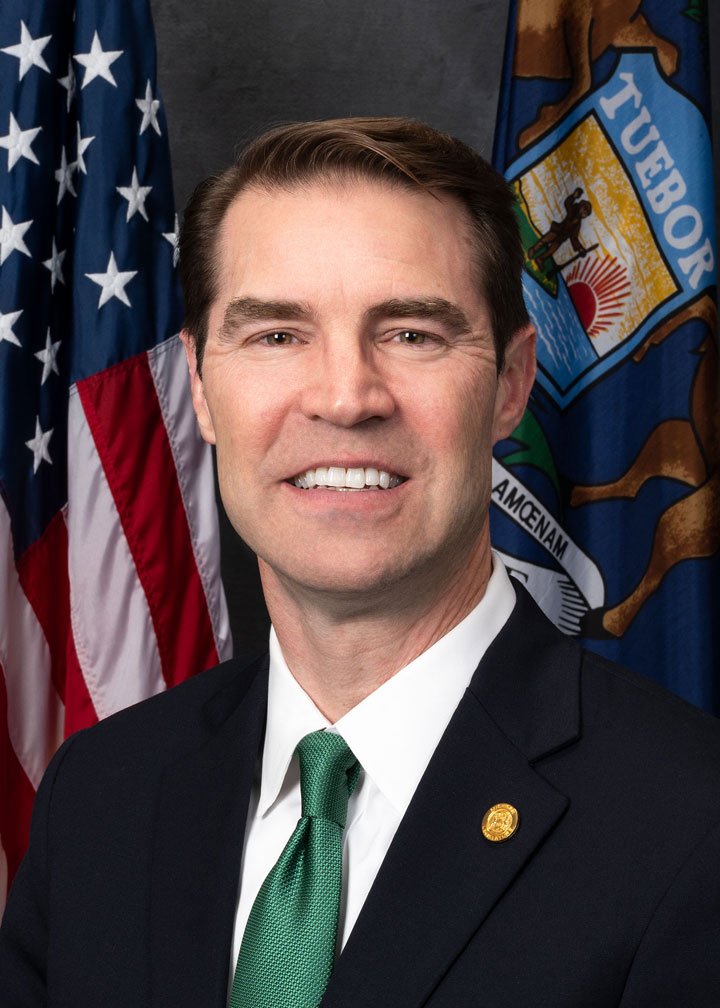
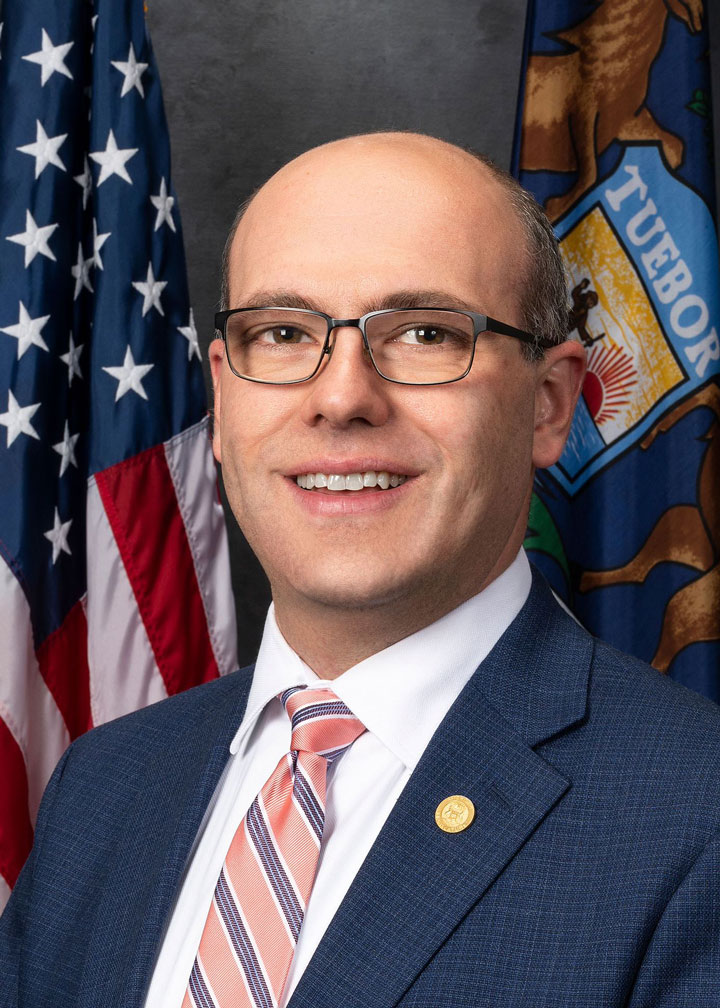
Sean McCann
95% support rate
Top opponent
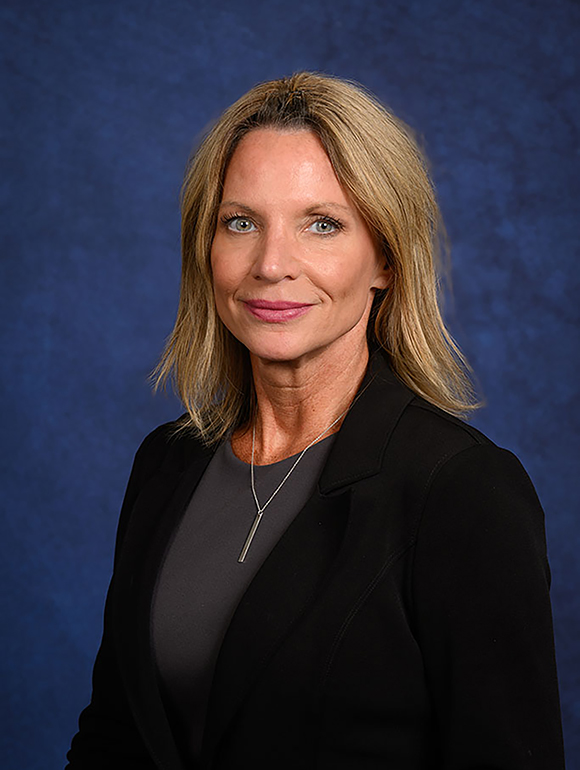
Michele Hoitenga
11% support rate
Ranked legislators
10
5 support · 5 oppose
Key legislators

Who's moving education in Michigan

Legislators moving education in Michigan
Legislator Party Stance Support rate Votes
Sean McCann
Sean McCann Senate · District 19
D
Strong +
95% 55
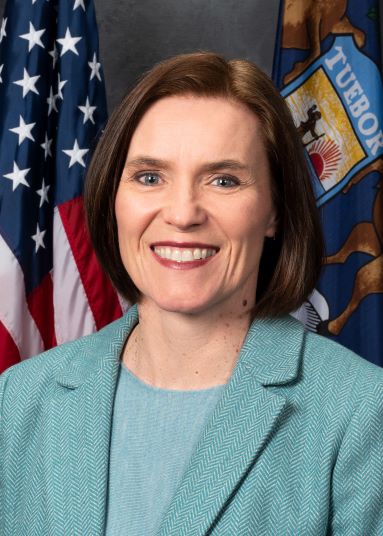
Winnie Brinks
Winnie Brinks Senate · District 29
D
Strong +
95% 56
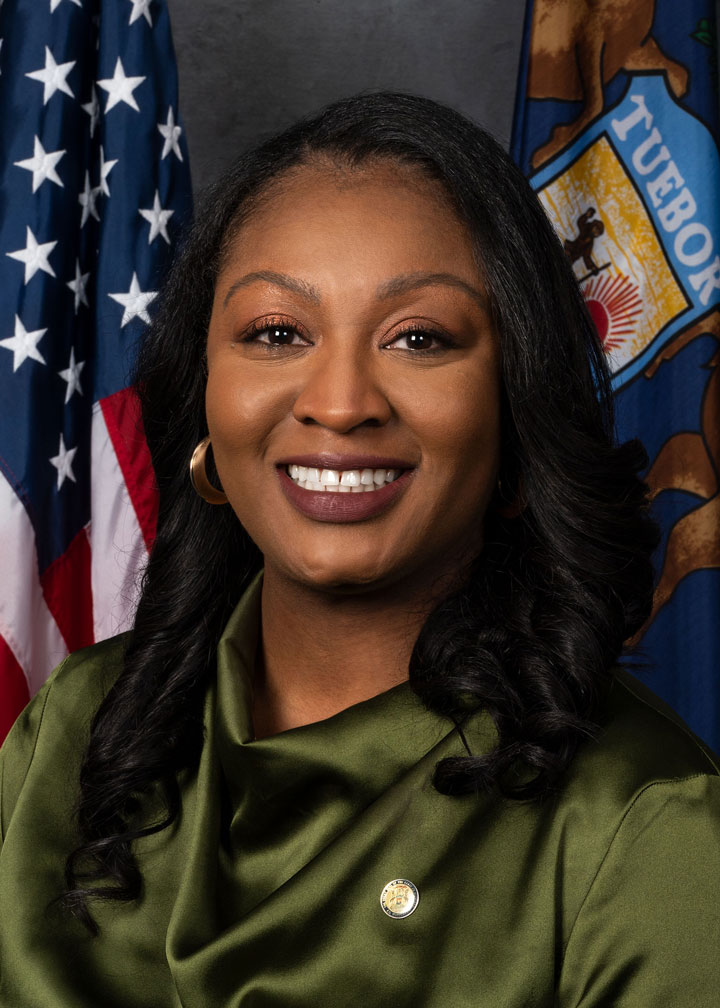
Sarah Anthony
Sarah Anthony Senate · District 21
D
Strong +
95% 56
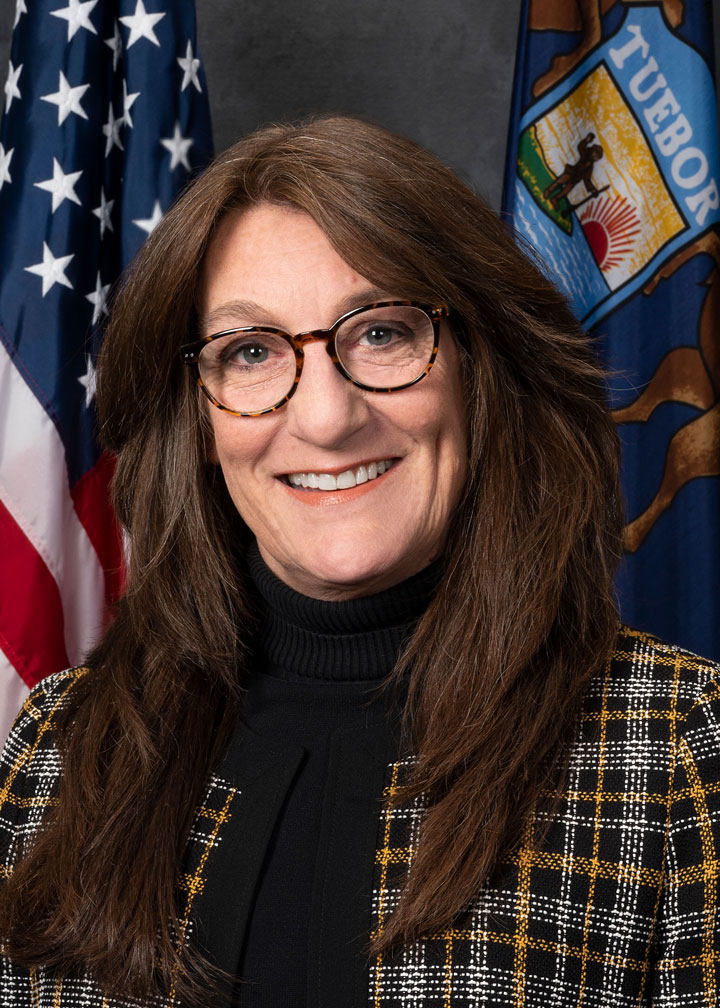
Veronica Klinefelt
Veronica Klinefelt Senate · District 11
D
Strong +
95% 54
John Cherry
John Cherry Senate · District 27
D
Strong +
95% 55
Michele Hoitenga
Michele Hoitenga Senate · District 36
R
Strong −
11% 53
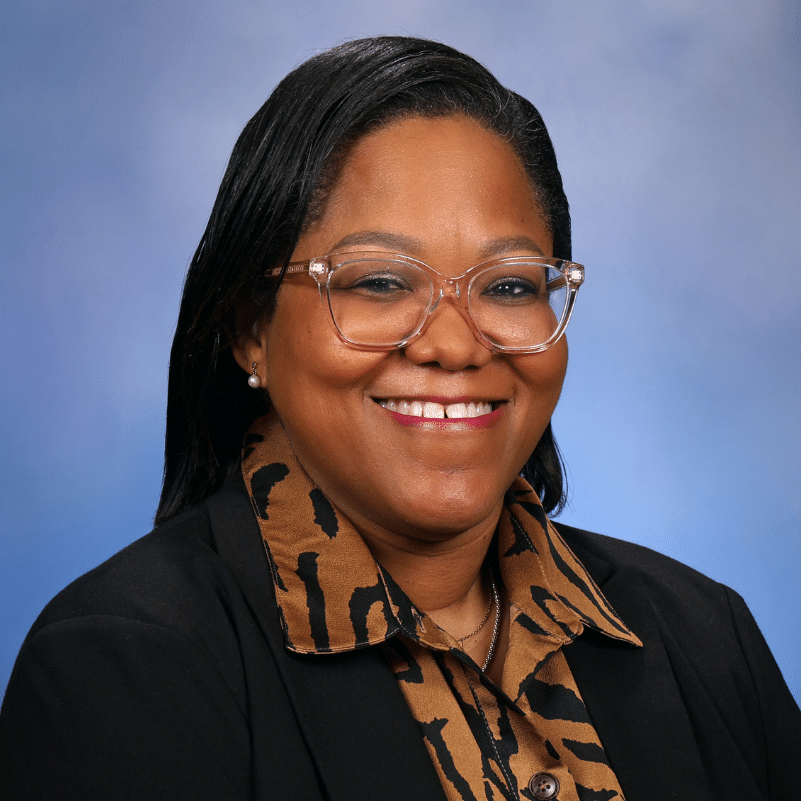
Kimberly Edwards
Kimberly Edwards House · District 12
D
Strong −
15% 49
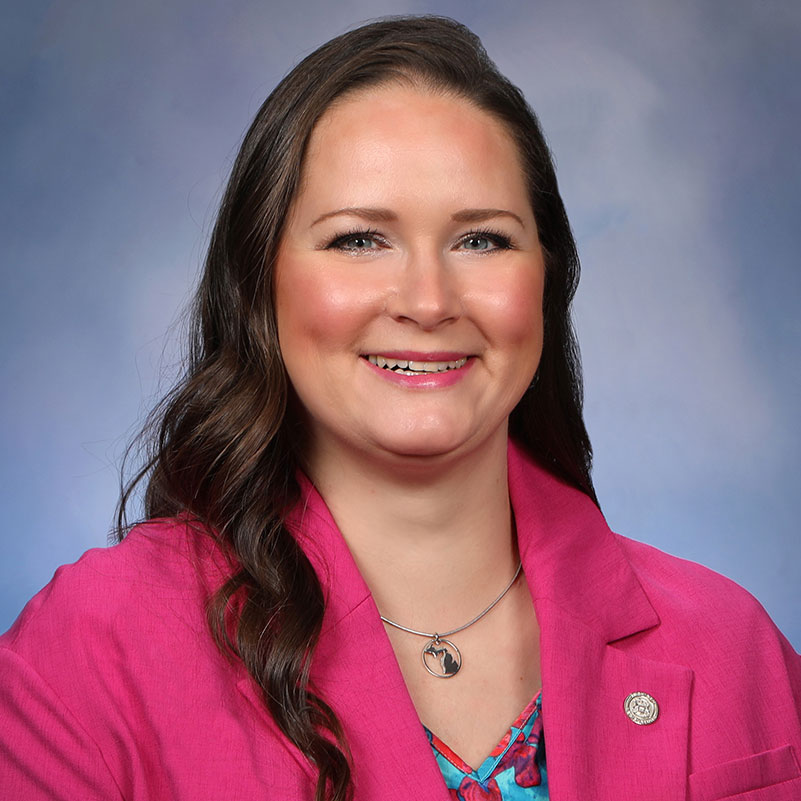
Carrie Rheingans
Carrie Rheingans House · District 47
D
Strong −
15% 62
Joe Bellino
Joe Bellino Senate · District 16
R
Strong −
16% 54
Jonathan Lindsey
Jonathan Lindsey Senate · District 17
R
Strong −
16% 53
Showing 181–190 of 306 bills

All education bills

passed · Michigan · Senate Dec 10, 2025

SB 232: Higher education: financial aid; Michigan reconnect grant recipient act; modify. Amends secs. 11, 15 & 21 of 2020 PA 68 (MCL 390.1711 et seq.). TIE BAR WITH: SB 0233'25

SB 232 amends Michigan's Reconnect Grant program to expand access to financial aid for adult learners. It modifies eligibility requirements (setting a minimum age of 25, or 21 if funds allow before 2032) and adds a "reconnect short-term training program" offering skills scholarships of up to $1,500 for industry-recognized certificates or credentials. The bill directly affects Michigan residents aged 25+ (or 21+ with available funding) seeking associate degrees or occupational training who have not earned prior college degrees. Key mechanisms include streamlined application processes, mandatory federal aid filings, and a pathway to convert short-term training credits into associate degree coursework at community colleges.
in committee · Michigan · Senate Jan 8, 2025

SB 9: Education: facilities; requirements concerning restrooms and other certain areas in public schools; modify. Amends 1976 PA 451 (MCL 380.1 - 380.1852) by adding sec. 1146a.

SB 9 requires Michigan public schools to restrict access to multiple-occupancy restrooms and changing areas (like locker rooms or showers) based solely on biological sex, defined as the sex listed on a person's original birth certificate. Exceptions allow use by individuals entering for custodial, maintenance, medical, or caregiver purposes (including parents or authorized caregivers), or when temporarily designated for their biological sex. The bill directly affects public school students and staff by mandating gender-based restroom access in shared facilities. It modifies existing school code to establish this requirement, with specific definitions clarifying terms like "biological sex" and "multiple-occupancy area." The law does not apply to single-stall restrooms or facilities not designed for multiple users at once.
in committee · Michigan · Senate Feb 4, 2025

SB 59: School aid: membership; requirements concerning counting pupils in membership; modify for pupils enrolled in certain work-based learning experiences. Amend secs. 6 & 11 of 1979 PA 94 (MCL 388.1606 & 388.1611) & adds sec. 61e.

SB 59 adjusts how Michigan school districts count students enrolled in approved work-based learning programs for state funding purposes. It modifies the "membership" calculation (used to determine school funding) to ensure these students are included in district counts, rather than being excluded under current rules. This change directly affects school districts and public school academies that operate or enroll students in work-based learning programs. The bill adds a new provision (Section 61e) to clarify that students in such programs must be counted in membership for funding, aligning with their educational placement. This ensures consistent funding for districts supporting these students' learning experiences.
in committee · Michigan · Senate Feb 4, 2025

SB 58: Education: curriculum; firearm safety instruction; provide for. Amends 1976 PA 451 (MCL 380.1 - 380.1852) by adding sec. 1163a.

SB 58 requires Michigan's Department of Education, with input from the Department of Natural Resources, to create a model firearm safety program for students in grades 6-12 by June 2025. The program must be at least 10 hours long, taught by certified hunter education instructors, and cover safe handling, storage, types of firearms, and hunting practices - without bringing firearms into school buildings. Schools may offer the instruction as an optional extracurricular activity or integrate it into existing courses, and students or parents can request excusal without academic penalty. Completing the program fulfills the hunter safety requirement for obtaining a hunting license under state law. The bill directly affects public schools, students in grades 6-12, and the state departments overseeing education and natural resources.
in committee · Michigan · Senate Feb 5, 2025

SB 62: Education: other; requirement for installation of filtration systems in child care centers and schools; exempt if child care center or school does not test positive for lead. Amends secs. 5 & 7 of 2023 PA 154 (MCL 380.1905 & 380.1907).

This bill requires Michigan schools and child care centers to install filtration systems in drinking water outlets (like bottle-filling stations or filtered faucets) by the end of the 2025-2026 school year, unless they test negative for lead. Schools must develop a water management plan by January 2025, conduct annual lead testing (keeping levels below 5 parts per billion), and immediately shut off outlets exceeding that limit while notifying parents. Child care centers and schools not testing positive for lead are exempt from installing filtration systems. The law also mandates posting signs about water outlet status and submitting compliance documentation annually to the state department.
in committee · Michigan · House Mar 5, 2025

HR 33: A resolution calling on the United States Congress to reinstate United States Agency for International Development funding to research universities.

This resolution (HR 33) calls on the U.S. Congress to restore funding from the United States Agency for International Development (USAID) to research universities. It directly affects research institutions that rely on USAID for critical projects in agriculture, food security, public health, and global development. The resolution states that a recent funding freeze has disrupted programs like the Feed the Future Lab, threatening research progress and international partnerships. As a non-binding resolution, it urges Congress to act but does not change funding policies itself.
Sub-Topics Public Health
in committee · Michigan · Senate Mar 5, 2025

SB 119: Education: curriculum; biology content standards and subject area content expectations and guidelines; modify to require instruction on human development. Amends 1976 PA 451 (MCL 380.1 - 380.1852) by adding sec. 1170c.

SB 119 requires Michigan public schools to include specific content about human development in biology curriculum by the 2025-2026 school year. It mandates that biology standards cover: (1) an overview of fetal development inside the uterus, (2) a minimum 3-minute high-definition ultrasound video showing early organ development, and (3) a computer animation depicting all stages of fetal growth with key developmental markers. This applies directly to Michigan public schools and biology teachers implementing the state’s required curriculum standards. The bill modifies existing education code sections to enforce these specific instructional requirements.
Sub-Topics Curriculum
in committee · Michigan · Senate Mar 5, 2025

SB 118: Individual income tax: credit; credit for certain qualified dependents; provide for. Amends 1967 PA 281 (MCL 206.1 - 206.847) by adding sec. 281.

SB 118 creates a tax credit for Michigan taxpayers with qualifying dependents. It allows a credit equal to the state's "target foundation allowance" (from school funding law) for each dependent aged 5-18 who isn't enrolled in public school and has demonstrated grade-level reading/math proficiency through state or private tests. The credit reduces tax liability, and any excess amount is refunded to the taxpayer. This directly affects families with children meeting these specific educational and enrollment criteria.
in committee · Michigan · House Mar 11, 2025

HB 4175: Education: curriculum; merit curriculum requirement; modify. Amends secs. 1278a & 1278b of 1976 PA 451 (MCL 380.1278a & 380.1278b).

HB 4175 modifies Michigan's high school diploma requirements by adding specific course credits students must complete. It requires all students graduating after 2023 to complete a half-credit personal finance course (fulfilling part of math, arts, or language requirements), while maintaining existing requirements for 4 math credits (including algebra I, geometry, and algebra II), 3 social science credits (including U.S. history and geography), 1 health/PE credit, and 1 arts credit. The bill also mandates two credits in a language other than English (including American Sign Language) for all students by graduation, with schools encouraged to offer language courses in early grades. These changes directly affect Michigan high school students and school districts responsible for implementing diploma standards.
Sub-Topics Curriculum
in committee · Michigan · House Mar 12, 2025

HB 4198: Education: school districts; mobile panic alert system in schools; require. Amends 1976 PA 451 (MCL 380.1 - 380.1852) by adding sec. 1308c. TIE BAR WITH: HB 4199'25

HB 4198 requires all Michigan public and nonpublic schools to implement a mobile panic alert system by the 2025-2026 school year, using existing school safety funds. The system must enable real-time coordination between schools, law enforcement, and first responders during security emergencies (like active-shooter situations), integrating directly with 9-1-1 infrastructure for both mobile and landline activations. Schools already using a compliant system may seek exemption by petitioning the state, while noncompliance could result in loss of future school safety grants. The bill specifies technical requirements and mandates state procurement through competitive bidding with vendor certification standards.
Sub-Topics School Safety
Showing 181 to 190 of 306 bills
Previous 1 18 19 20 31 Next