Issue · Criminal Justice

Criminal Justice

Every criminal justice bill, vote, and legislator stance in Michigan, automatically classified by Maddy, our AI policy reader.

Total bills
337
2025-2026 Regular Session
Top supporter
Amos O'Neal
100% support rate
Top opponent
Lana Theis
27% support rate
Ranked legislators
10
5 support · 5 oppose
Key legislators

Who's moving criminal justice in Michigan

Legislators moving criminal justice in Michigan
Legislator Party Stance Support rate Votes
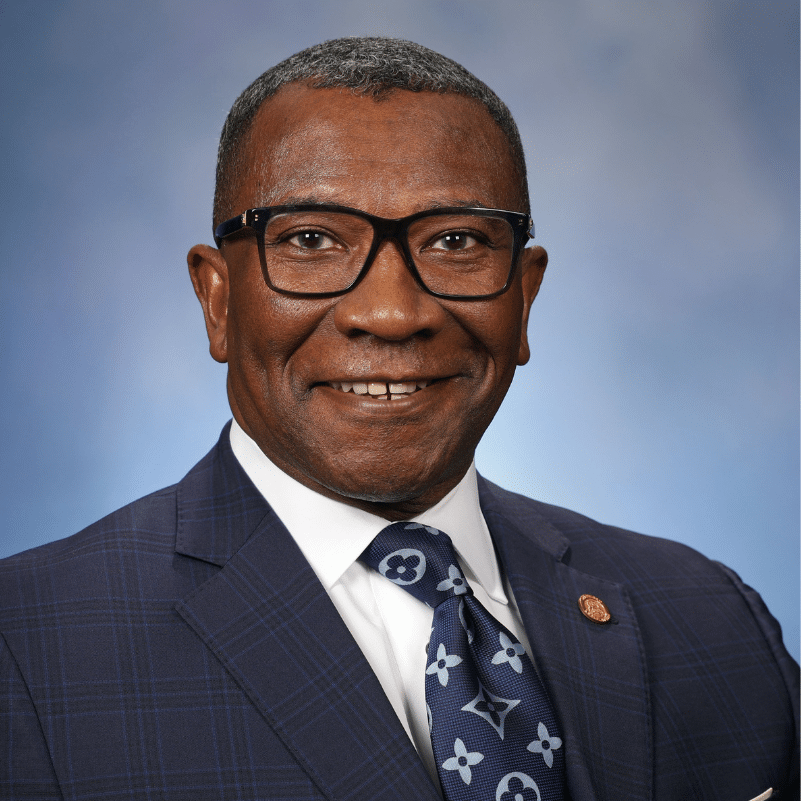
Amos O'Neal
Amos O'Neal House · District 94
D
Strong +
100% 18
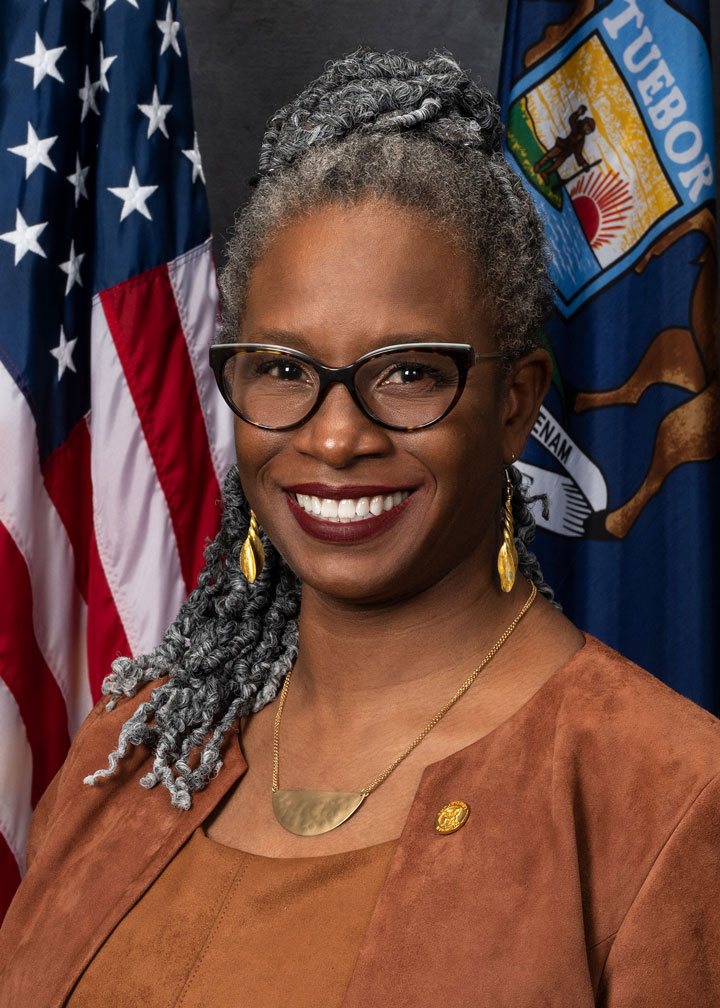
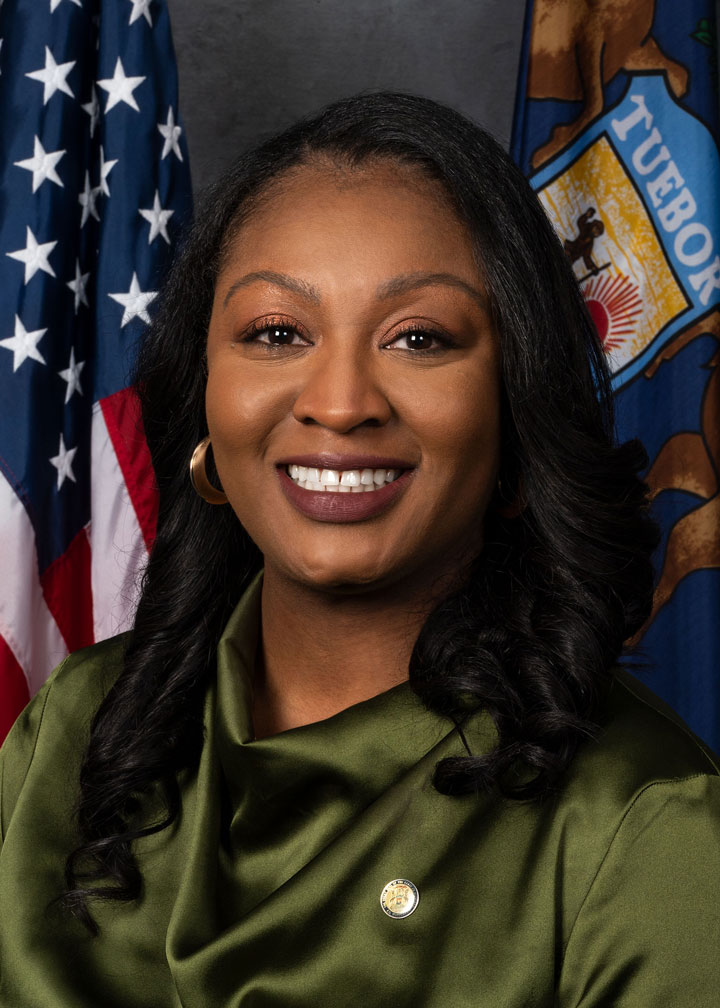
Erika Geiss
Erika Geiss Senate · District 1
D
Support
77% 43
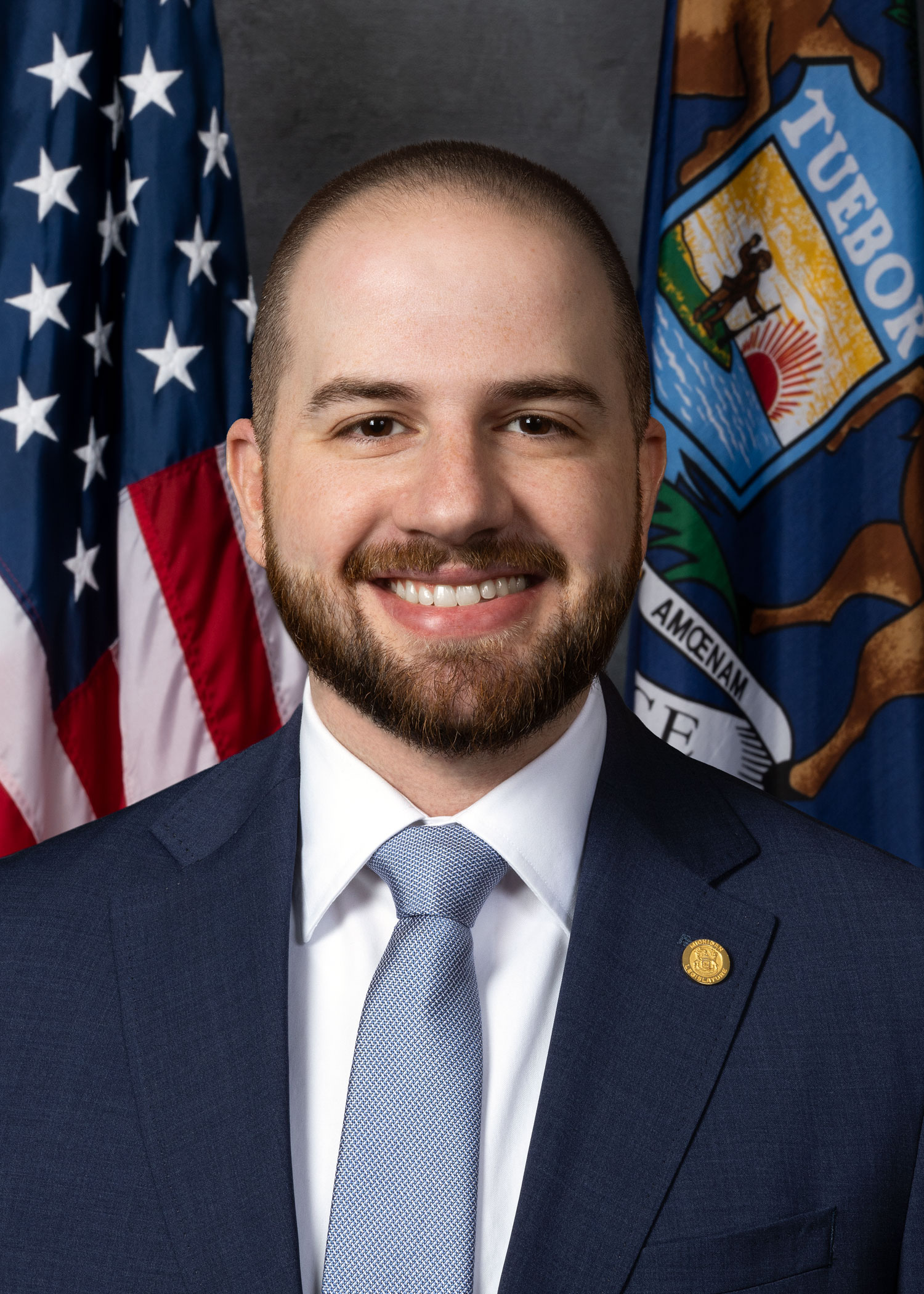
Jeremy Moss
Jeremy Moss Senate · District 7
D
Support
73% 48
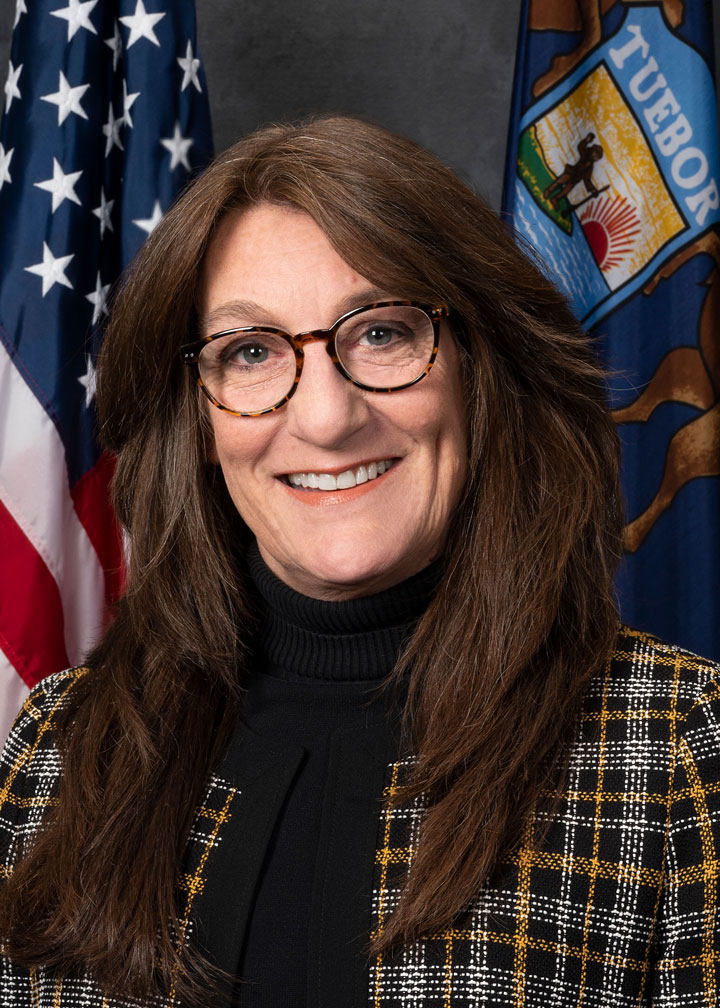
Veronica Klinefelt
Veronica Klinefelt Senate · District 11
D
Support
73% 48
Sarah Anthony
Sarah Anthony Senate · District 21
D
Support
73% 48
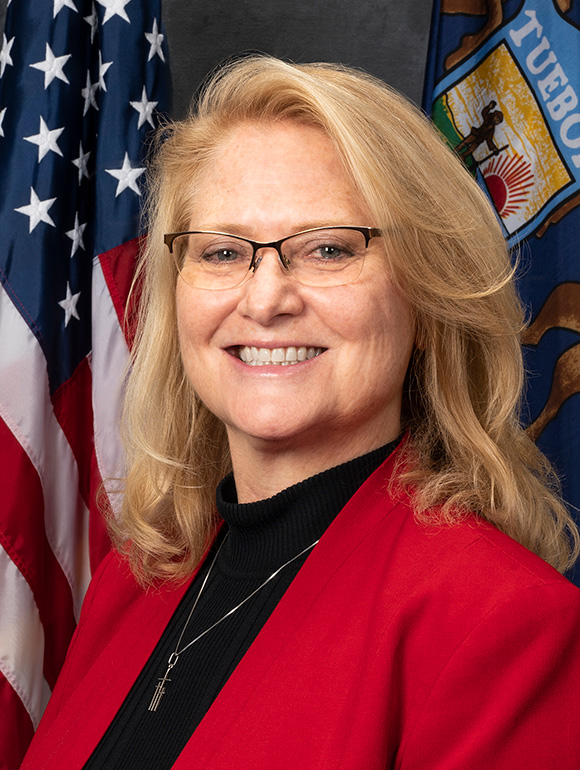
Lana Theis
Lana Theis Senate · District 22
R
Oppose
27% 43
Thomas Albert
Thomas Albert Senate · District 18
R
Oppose
27% 48
Michele Hoitenga
Michele Hoitenga Senate · District 36
R
Oppose
27% 48
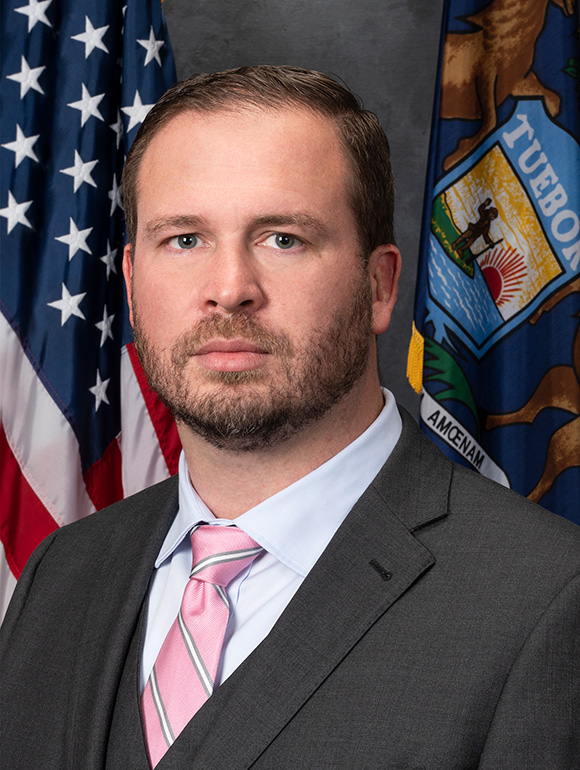
Jonathan Lindsey
Jonathan Lindsey Senate · District 17
R
Oppose
27% 47
Jon Bumstead
Jon Bumstead Senate · District 32
R
Oppose
29% 44
Showing 31–40 of 337 bills

All criminal justice bills

in committee · Michigan · Senate Jun 17, 2026

SR 130: A resolution calling on the United States Department of Justice to investigate the recent deaths at the Huron Valley Correctional Facility.

This Senate resolution asks the U.S. Department of Justice to investigate recent inmate deaths at Michigan's Huron Valley Correctional Facility. The bill highlights concerns about unsafe conditions, including toxic mold exposure and high staff vacancy rates, which lawmakers believe may have contributed to the fatalities of two inmates in May 2026. By requesting a federal inquiry, the resolution seeks to ensure that the deaths are thoroughly examined and that constitutional rights are protected within the state's correctional system. Copies of the request are to be sent to the Acting Attorney General for action.
Sub-Topics Corrections
in committee · Michigan · House Jun 9, 2026

HB 6049: Civil procedure: statute of limitations; civil actions for criminal sexual conduct; modify period of limitations. Amends sec. 5805 of 1961 PA 236 (MCL 600.5805).

HB 6049 modifies the statute of limitations for civil lawsuits involving criminal sexual conduct in Michigan, extending the time a victim has to file a claim to 10 years. This change applies to cases where the alleged conduct falls under specific criminal sexual offenses, regardless of whether a criminal prosecution was ever filed or resulted in a conviction. The bill defines "criminal sexual conduct" to include acts prohibited under specific sections of the Michigan penal code and clarifies that a dating relationship involves frequent, intimate associations with an expectation of affection. By updating these timelines, the legislation ensures that survivors have a longer window to seek damages for injuries sustained from such conduct.
Sub-Topics Courts
in committee · Michigan · House Jun 23, 2026

HB 6110: Civil procedure: civil actions; violation of constitutionally or legally provided civil rights; provide a cause of action for. Creates new act.

This bill creates a new legal cause of action in Michigan allowing individuals to sue anyone who deprives them of rights protected by the U.S. Constitution while acting under the authority of the law. It establishes that victims of such civil rights violations can seek redress in court, while also defining specific rules for when judges can be held personally liable and limiting the types of relief available against them. The legislation sets a two-year time limit for filing these lawsuits and permits courts to award reasonable attorney fees to successful plaintiffs, though it preserves existing defenses like sovereign immunity and qualified immunity.
Sub-Topics Civil Rights Courts Tags Civil Liberties
in committee · Michigan · House Jun 3, 2026

HB 6029: Criminal procedure: sentencing; consideration of veteran status in sentencing; require. Amends secs. 1 & 21, ch. XVII of 1927 PA 175 (MCL 777.1 & 777.21).

This bill modifies Michigan's criminal sentencing guidelines to formally recognize veteran status as a factor in determining sentences. It defines a "veteran" as someone who served at least 180 days in the U.S. Armed Forces and was discharged under conditions other than dishonorable, with specific exceptions for those diagnosed with service-connected mental health conditions. The key provision requires courts to set a minimum sentence of zero months if they find a clear connection between the crime and a condition stemming from the offender's military service. This change applies to offenses where the defendant is a veteran and the court makes the required finding regarding the link between their service and the offense.
in committee · Michigan · Senate Jun 11, 2026

SB 1035: Criminal procedure: DNA; postconviction DNA testing; modify. Amends sec. 16, ch. X of 1927 PA 175 (MCL 770.16).

This bill modifies Michigan's existing laws regarding post-conviction DNA testing for individuals convicted of felonies. It allows defendants to petition the court for DNA testing of biological evidence collected during their original investigation, with specific conditions for those convicted before and after January 8, 2001. The legislation outlines the process for requesting testing, including requirements to prove the evidence is available and relevant to the case, and establishes rules for handling the results. If the testing excludes the defendant as the source of the evidence, the court must appoint counsel and hold a hearing to decide if a new trial is warranted. Additionally, the bill ensures that victims receive written notice of these petitions and hearings when the victim's identity is known.
Sub-Topics Courts Victims' Rights
in committee · Michigan · House Jun 25, 2026

HB 6128: State agencies (existing): generally; use of open fields doctrine by law enforcement officers and state agencies; prohibit. Creates new act.

This bill prohibits law enforcement officers and state agency employees in Michigan from using the "open fields doctrine" during searches. The open fields doctrine is a legal rule that currently allows police to search open areas without a warrant, but this legislation would remove that exception for state-level searches. As a result, any search conducted by these officials in open fields would require a warrant or another valid legal justification. The law directly affects state departments, boards, and commissions, as well as the officers and agents who work for them.
in committee · Michigan · Senate Jun 23, 2026

SB 1056: Occupations: individual licensing and registration; preliminary determination process for certain applicants seeking licensure; modify. Amends secs. 202a & 411 of 1980 PA 299 (MCL 339.202a & 339.411).

This bill amends Michigan's occupational code to create a preliminary determination process for individuals seeking professional licenses who have criminal convictions. It allows applicants to request an early assessment from the department to see if their past court judgments would likely lead to a denial based on good moral character requirements. The legislation also modifies rules for relicensing, permitting individuals who let their licenses expire to renew without re-examination or additional training if they apply within three years and meet specific conditions. These changes aim to provide clearer guidance for applicants with criminal records and streamline the process for those who have lapsed in maintaining their professional credentials.
Sub-Topics Courts Tags Licensing
in committee · Michigan · Senate Jun 23, 2026

SB 1016: State agencies (proposed): other; grants for community violence intervention services; provide for. Creates new act. TIE BAR WITH: SB 1015'26

This bill establishes a new grant program and fund to support community violence intervention and prevention efforts in Michigan. It directs state funding to eligible local governments and nonprofit organizations that meet specific criteria, such as having high homicide rates or a demonstrated need to address violence. The grants must be used for evidence-based strategies that utilize trauma-informed care, expand economic opportunities, and avoid contributing to mass incarceration. Furthermore, the legislation requires that at least 75% of any grant given to a local government be passed on to community-based or nonprofit groups, ensuring that law enforcement agencies do not receive these specific funds. The bill also mandates regular reporting on financial use and program outcomes to ensure accountability.
in committee · Michigan · Senate May 13, 2026

SB 953: Civil rights: other; standards for public bodies collecting and reporting data related to race and ethnicity; establish. Creates new act.

SB 953 establishes the Michigan Data Collection Act, which requires state and local public bodies to use specific criteria when gathering race and ethnicity data in official documents. The law mandates that these forms include a single combined question for race and ethnicity, listing seven broad categories with six specific subcategories for each, along with an option for individuals to add their own details. Public agencies must also publish an action plan outlining their data collection compliance and potential risks on their websites within 18 months of the bill's effective date. Additionally, the data collected under this act is exempt from public disclosure under the state's Freedom of Information Act, and the list of subcategories must be updated every ten years based on federal census results.
Sub-Topics Civil Rights Tags Data Reporting
in committee · Michigan · Senate May 13, 2026

SB 955: Civil rights: public records; certain writings requesting racial or ethnic identification; modify. Amends secs. 202a & 402a of 1976 PA 453 (MCL 37.2202a & 37.2402a).

This bill requires private employers and educational institutions in Michigan to include "multiracial" as an option when collecting racial or ethnic data from individuals. It also mandates that these organizations remove the "other" classification from such forms. If a federal agency rejects the "multiracial" category, the bill instructs employers and schools to redistribute those responses among approved racial categories based on population ratios. Public bodies and state universities are explicitly exempt from these new requirements.
Sub-Topics Civil Rights Tags Government Transparency
Showing 31 to 40 of 337 bills
Previous 1 3 4 5 34 Next