

Issue · Criminal Justice
Criminal Justice
Every criminal justice bill, vote, and legislator stance in Michigan, automatically classified by Maddy, our AI policy reader.
Total bills
239
2025-2026 Regular Session
Top supporter
Amos O'Neal
100% support rate
Top opponent
Lana Theis
27% support rate
Ranked legislators
10
5 support · 5 oppose
Key legislators
Who's moving criminal justice in Michigan
| Legislator | Party | Stance | Support rate | Votes |
|---|---|---|---|---|
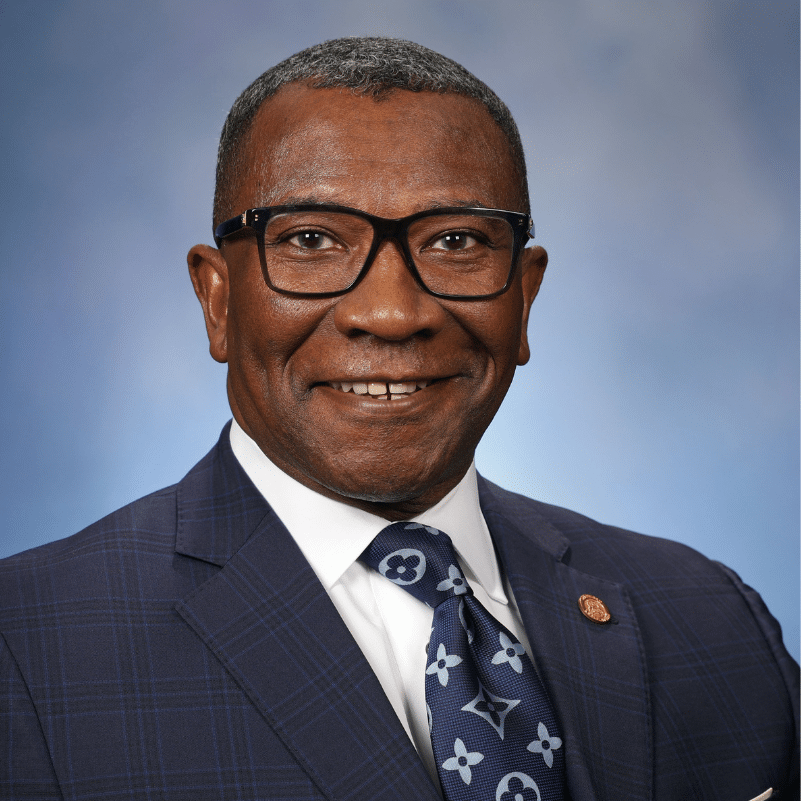
Amos O'Neal
House · District 94
|
D |
Strong +
|
100% | 18 |
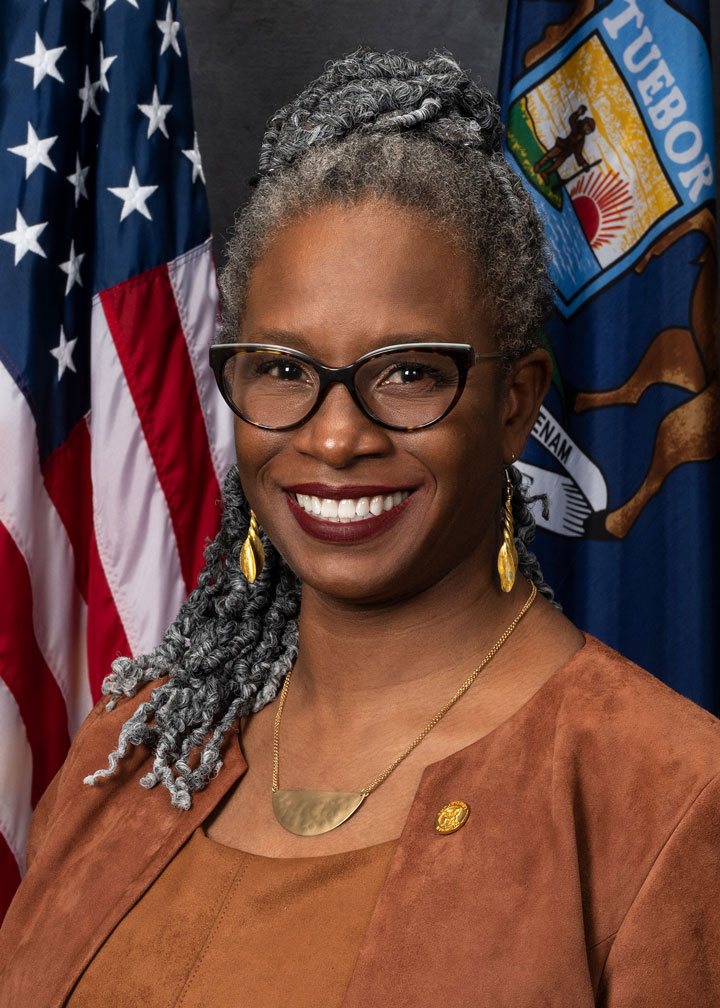
Erika Geiss
Senate · District 1
|
D |
Support
|
77% | 43 |
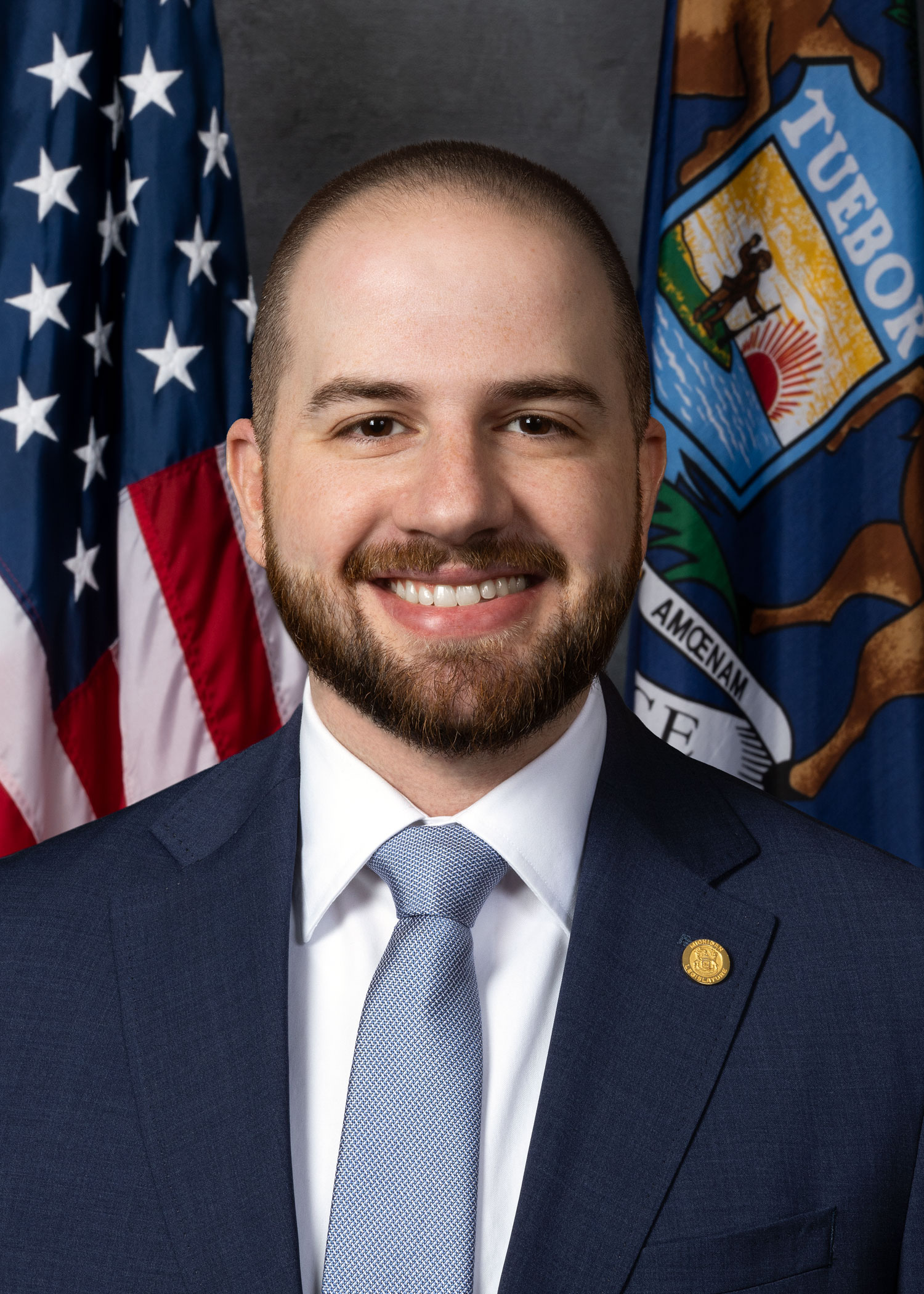
Jeremy Moss
Senate · District 7
|
D |
Support
|
73% | 48 |
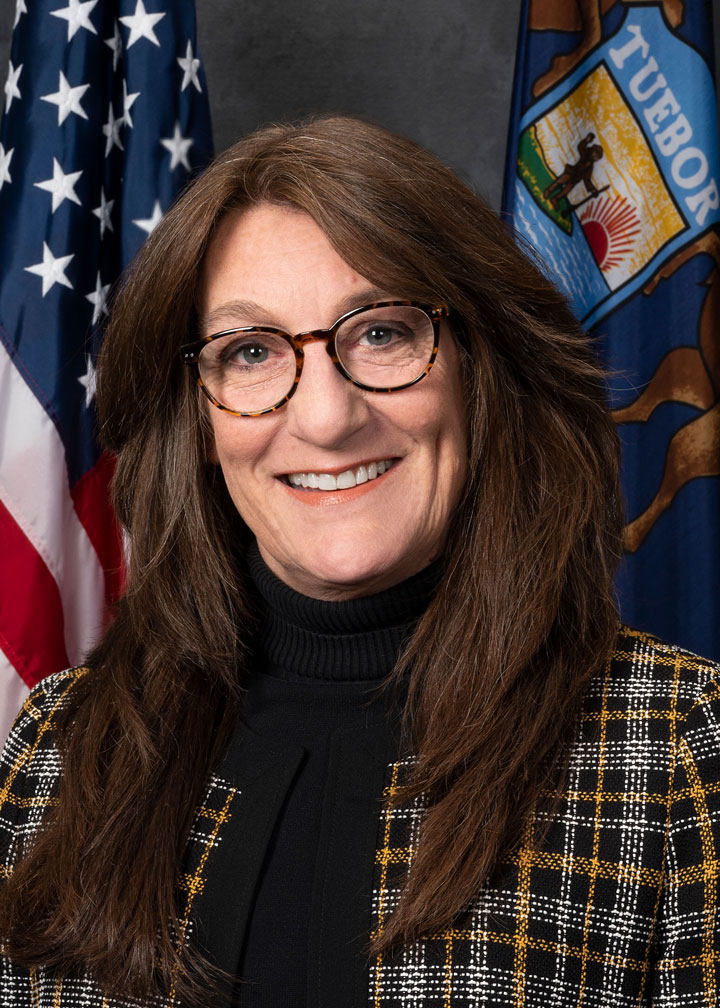
Veronica Klinefelt
Senate · District 11
|
D |
Support
|
73% | 48 |
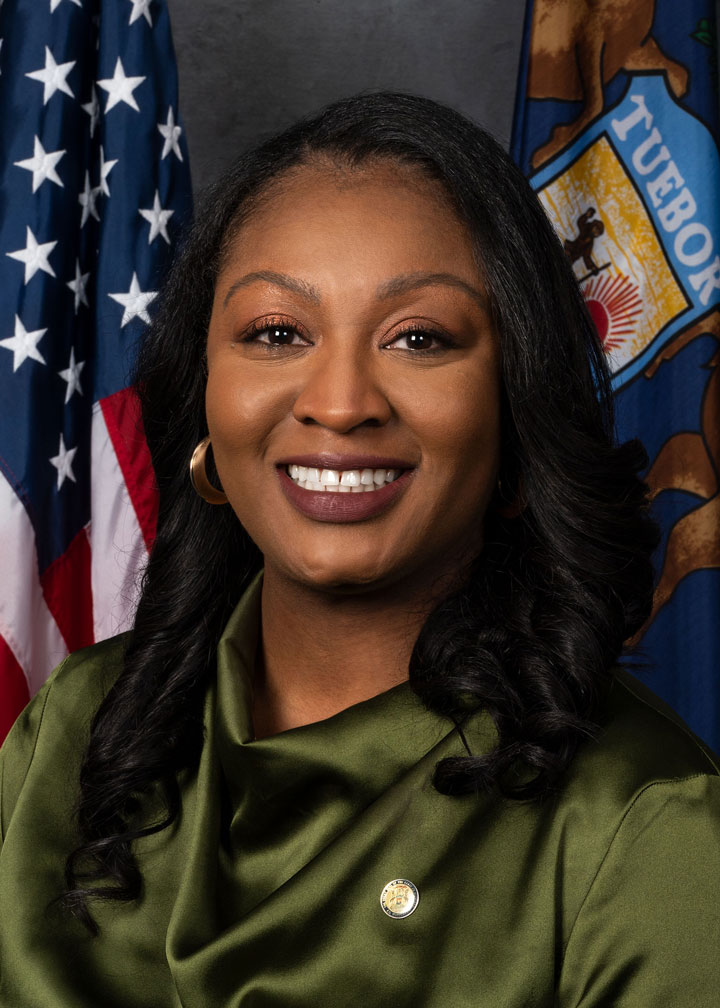
Sarah Anthony
Senate · District 21
|
D |
Support
|
73% | 48 |
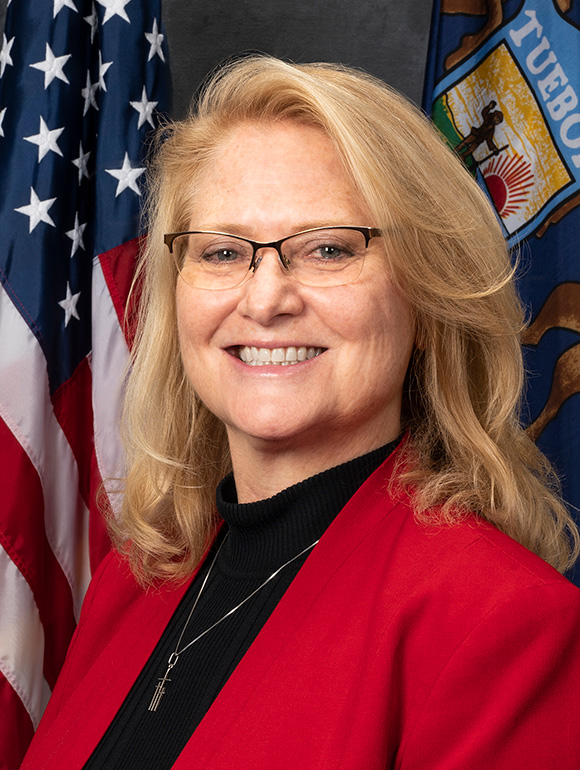
Lana Theis
Senate · District 22
|
R |
Oppose
|
27% | 43 |

Thomas Albert
Senate · District 18
|
R |
Oppose
|
27% | 48 |

Michele Hoitenga
Senate · District 36
|
R |
Oppose
|
27% | 48 |
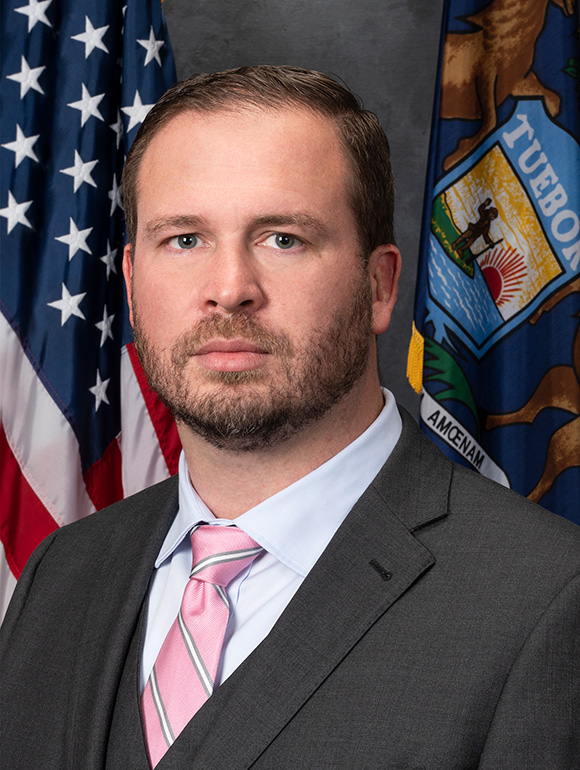
Jonathan Lindsey
Senate · District 17
|
R |
Oppose
|
27% | 47 |
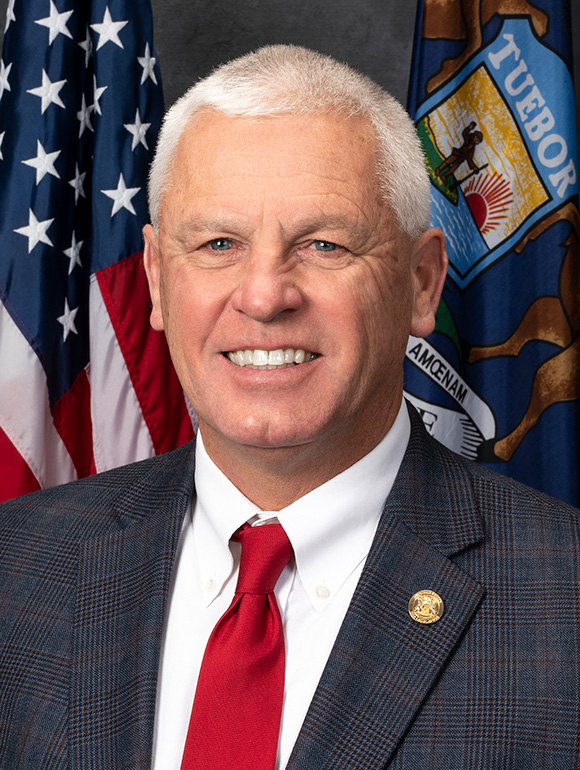
Jon Bumstead
Senate · District 32
|
R |
Oppose
|
29% | 44 |
Showing 231–239 of 239
bills
All criminal justice bills
HB 5196: Corrections: other; screening and treatment for post traumatic prison disorder; provide for and require certain other mental health screening, planning, and treatment of incarcerated individuals. Amends sec. 67 of 1953 PA 232 (MCL 791.267) & adds secs. 34e, 67c & 67d.
Topics
✓ Criminal JusticeSupports Criminal JusticeRequires mental health discharge plans for incarcerated individuals to reduce recidivism and ensure post-release care, aligning with criminal justice reform goals.
✓ HealthcareSupports HealthcareMandates mental health discharge plans including assessments, appointment scheduling, medication continuity, and Medicaid eligibility checks for incarcerated individuals transitioning to community care.
SB 510: Law enforcement: other; use of certain masks or disguises by law enforcement; prohibit in certain circumstances and require certain uniforms. Amends 1931 PA 328 (MCL 750.1 - 750.568) by adding sec. 396a.
Sub-Topics
Law Enforcement
SB 509: Civil rights: public records; disclosure of certain information without a warrant; prohibit. Creates new act.
Topics
✓ Criminal JusticeSupports Criminal JusticeProhibits warrantless sharing of personal data with federal agencies, protecting civil rights and enhancing oversight in criminal justice data handling
✓ ImmigrationSupports ImmigrationProhibits sharing personal data with federal immigration authorities without a warrant, limiting cooperation with federal enforcement and protecting immigrant privacy.
✓ TechnologySupports TechnologyProhibits sharing personal data without warrant, strengthening data privacy protections per Technology topic description.
Sub-Topics
Civil Rights
Policing
Driver Licenses & IDs
Enforcement
Sanctuary Policies
Data Privacy
Tags
Civil Liberties
SB 432: Criminal procedure: probation; probation for certain major controlled substances offenses; allow. Amends sec. 1, ch. XI of 1927 PA 175 (MCL 771.1). TIE BAR WITH: SB 0430'25
Topics
✓ Criminal JusticeSupports Criminal JusticeExpands probation eligibility for drug offenses to enable treatment programs, reducing incarceration and promoting rehabilitation - core criminal justice reform goals.
✓ HealthcareSupports HealthcareEnables drug treatment access via probation, improving patient access to healthcare services for substance use disorders while diverting from incarceration.
HB 4211: Corrections: other; reentry services and support for certain individuals after resentencing; require. Amends sec. 83 of 1953 PA 232 (MCL 791.283).
Topics
✓ Criminal JusticeSupports Criminal JusticeMandates reentry services (housing, job training, counseling) for resentenced individuals, directly supporting rehabilitation and reducing recidivism per criminal justice reform indicators.
✓ HousingSupports HousingMandates housing assistance for individuals post-resentencing as part of reentry services, directly advancing affordable housing access for a vulnerable population.
SB 256: Criminal procedure: sentencing guidelines; sentencing guidelines for tampering with utility shutoff to residence; amend to reflect decriminalization of certain acts. Amends secs. 16o & 16s, ch. XVII of 1927 PA 175 (MCL 777.16o & 777.16s). TIE BAR WITH: SB 0255'25
Topics
✓ Criminal JusticeSupports Criminal JusticeDecriminalizes utility tampering (previously criminal), shifting to civil matters per bill summary, reducing unnecessary criminal charges aligning with reform goals.
✓ HousingSupports HousingBill decriminalizes tampering with utilities to prevent home shutoffs, removing criminal penalties for tenants facing housing insecurity, thus supporting tenant protections.
Sub-Topics
Sentencing
SR 86: A resolution to urge the United States Congress to pass legislation to require immigration officers to display visible identification, prohibit immigration officers from covering their faces, and limit immigration enforcement actions in sensitive locations.
Topics
✓ Criminal JusticeSupports Criminal JusticeBill mandates visible ID for immigration officers and limits enforcement in sensitive locations, enhancing accountability and protecting civil rights in law enforcement - aligning with criminal justice reform indicators.
✓ ImmigrationSupports ImmigrationUrges federal limits on immigration enforcement tactics (face coverings, sensitive locations), protecting immigrant interactions with public spaces like schools/hospitals.