Issue · Education

Education

Every education bill, vote, and legislator stance in Maryland, automatically classified by Maddy, our AI policy reader.

Total bills
252
2026 Regular Session
Top supporter
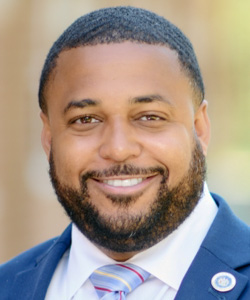
Nick Charles
100% support rate
Top opponent
Robin Grammer
6% support rate
Ranked legislators
10
5 support · 5 oppose
Key legislators

Who's moving education in Maryland

Legislators moving education in Maryland
Legislator Party Stance Support rate Votes
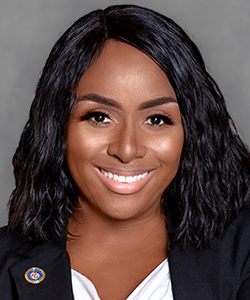
Nick Charles
Nick Charles Senate · District 25
D
Strong +
100% 48
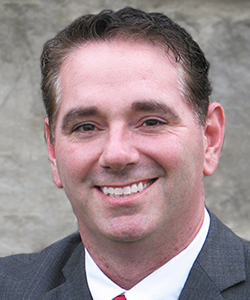
Denise Roberts
Denise Roberts House · District 25
D
Strong +
96% 92
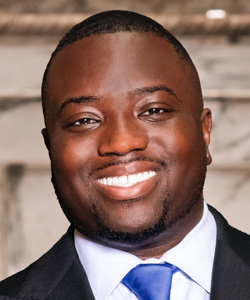
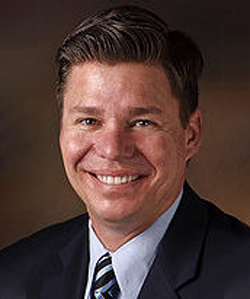
Adrian Boafo
Adrian Boafo House · District 23
D
Strong +
96% 48
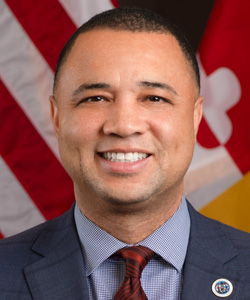
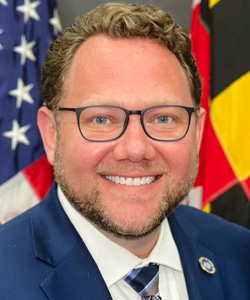
Antonio Hayes
Antonio Hayes Senate · District 40
D
Strong +
95% 50
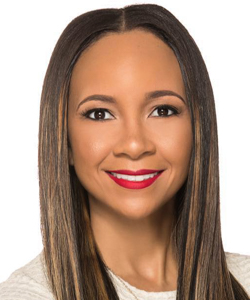
Shaneka Henson
Shaneka Henson Senate · District 30
D
Strong +
95% 51
Robin Grammer
Robin Grammer House · District 6
R
Strong −
6% 85
Matt Morgan
Matt Morgan House · District 29A
R
Strong −
9% 98
Mark Fisher
Mark Fisher House · District 27C
R
Strong −
9% 98
Nic Kipke
Nic Kipke House · District 31
R
Strong −
9% 100
Lauren Arikan
Lauren Arikan House · District 7B
R
Strong −
9% 98
Showing 181–190 of 252 bills

All education bills

signed · Maryland · Senate May 26, 2026

SB 402: Residential Child Care Programs - Education of Children and Training of Child and Youth Care Practitioners

SB 402 requires licensed residential child care programs in Maryland to ensure children aged 5-16 receive appropriate education, including enrolling them in local schools (unless the program has an approved educational plan), transferring academic records promptly, meeting with teachers, and providing study time and homework assistance. It also establishes new certification standards for child and youth care practitioners, mandating approved training covering child development, special needs, and diverse learning styles, along with background checks and minimum age/education requirements. The bill directly affects residential care program operators and their staff, replacing existing licensing rules in Maryland's Education and Health Occupations codes. Key changes include standardized educational support for children in care and mandatory practitioner training to improve service quality.
Tags Children
in committee · Maryland · House of Delegates Feb 9, 2026

HB 76: Local School Systems - School Safety - Grant Allocations

HB 76 allows Maryland school systems to reallocate unspent school safety grant funds to other schools within the same system that still have unmet safety needs during the same fiscal year. It modifies existing grant rules to let districts that fully used their initial allocation (based on school count) redirect funds to schools requiring additional safety resources, such as resource officers or law enforcement coverage. The bill does not create new funding but adjusts how the existing $10 million annual grant pool is distributed. It directly affects local school systems and law enforcement agencies receiving these safety grants. The change takes effect July 1, 2026.
Sub-Topics School Safety
in committee · Maryland · Senate Feb 19, 2026

SB 307: Public Schools - Restocking Menstrual Hygiene Products - Requirement

SB 307 requires Maryland county school boards to provide free tampons and pads in women’s restrooms at all public schools. Schools must install dispensers in at least two women’s restrooms by October 2022 (for middle/high schools) and all women’s restrooms by August 2025, with elementary schools needing at least one dispenser by October 2022. Boards must regularly restock products and can seek reimbursement from the state for installation costs, using a $500,000 fiscal year 2023 appropriation. This bill directly affects public school districts and students in Maryland’s public schools.
signed · Maryland · Senate May 26, 2026

SB 339: Maryland School for the Deaf - Membership of Board of Trustees - Alterations

SB 339 changes the composition of the Maryland School for the Deaf's Board of Trustees. It reduces the total number of trustees from 19 to 13 and increases the required number of deaf trustees from 6 to 7. The bill also adds a requirement that each geographic region of Maryland must be represented by at least one board member. These changes, effective July 1, 2026, aim to better reflect the deaf community and geographic diversity in the school's governance.
passed · Maryland · House of Delegates Mar 5, 2026

HB 486: Public Schools - Ruby Bridges Walk to School Day - Establishment

HB 486 designates November 14 each year as "Ruby Bridges Walk to School Day" to honor Ruby Bridges' 1960 integration of an all-white school, and the second Wednesday in October as "Maryland School Pedestrian Awareness Day" to promote safe walking routes to schools. The Maryland State Department of Education must provide free, age-appropriate resources to all public schools, including civil rights lesson plans for Ruby Bridges Day and pedestrian safety materials like lesson plans and walk audit guides for Pedestrian Awareness Day. The bill directly affects Maryland public school systems by requiring state-provided educational tools for these designated days, starting July 1, 2026. It focuses on commemoration and safety education without mandating specific school activities.
Sub-Topics Pedestrian Safety
in committee · Maryland · House of Delegates Feb 17, 2026

HB 715: Algorithmic Addiction Fund – Establishment

HB 715 establishes the Algorithmic Addiction Fund as a special, nonlapsing state fund to address harms linked to social media algorithms affecting children. The fund is financed by civil penalties from settlements/judgments about social media-related harm to youth, state budget appropriations, and interest earnings. It mandates the Maryland Department of Health to use these resources exclusively for evidence-based prevention, intervention, and treatment services - including school education programs on digital literacy, mental health support for issues like depression and anxiety, and research - prioritizing youth mental health outcomes. The fund cannot replace existing state funding for these services.
in committee · Maryland · House of Delegates Feb 3, 2026

HB 662: Election Law - Election Judges - Compensation for Public School Students

HB 662 amends Maryland election law to allow public school students serving as election judges to simultaneously earn service-learning hours for graduation and receive standard election judge compensation. The bill specifically updates Section 10-205(d) to confirm students can qualify for both benefits - $250 per day (or $350 for returning judges) plus service hours under COMAR 13A.03.02.05 - without choosing between them. This change directly affects public school students in Maryland who serve in election roles, effective October 1, 2026. The law does not alter compensation rates but clarifies eligibility for dual benefits.
Tags Elections
signed · Maryland · Senate May 26, 2026

SB 285: Higher Education - Scholarships for Correctional Officers

SB 285 expands Maryland's existing scholarship program to include correctional officers. The bill amends state law to add "correctional officers" to the eligibility criteria for the Maryland Police Officers, Probation Agents, and Correctional Officers Scholarship Program, which previously covered only police officers and probation agents. It defines "correctional officer" per Maryland law and allows current or future correctional officers to apply for tuition assistance if they meet residency, enrollment, and service obligation requirements. The scholarship requires recipients to work in the field for at least five years within eight years of graduation or repay funds. This change directly affects correctional officers seeking higher education in Maryland.
passed · Maryland · House of Delegates Apr 2, 2026

HB 627: Commission on Historic, Cultural, and Civic Contributions in Education - Establishment

HB 627 establishes the Commission on History, Culture, and Civics in Education to improve how Maryland public schools teach U.S. and Maryland history, culture, and civics. The commission, composed of 16 members representing diverse groups (including Indigenous tribes, LGBTQIA+ communities, disabled individuals, teachers, and racial/ethnic communities), must examine contributions of marginalized groups and make recommendations to the State Board of Education. Key provisions require the commission to examine topics like Native American contributions, LGBTQIA+ history, and disability community impacts, while ensuring recommendations promote equitable learning for all students. The commission must publicly share meeting materials, reports, and livestream sessions online, with members serving four-year terms without pay but receiving travel reimbursements. This bill directly affects Maryland public school curricula and student learning experiences through its recommendations.
passed · Maryland · House of Delegates Mar 20, 2026

HB 505: Public and Nonpublic Schools - Student School Transfers - Academic Records Documentation

HB 505 requires public and nonpublic Maryland schools to accept specific unofficial documents as proof of academic records when a student transfers, *only* if the sending school denies an official transcript due to a dispute between the school and the student. The bill specifies that receiving schools must accept: unofficial transcripts, student-provided report cards, standardized test scores, copies of awards, or unofficial AP/IB results. This directly affects transferring students facing transcript denial, sending schools involved in disputes, and receiving schools that must follow these documentation rules. The policy change aims to prevent educational disruption during transfers by providing alternative verification methods.
Showing 181 to 190 of 252 bills
Previous 1 18 19 20 26 Next