

Issue · Budget & Taxes
Budget & Taxes
Every budget & taxes bill, vote, and legislator stance in Maryland, automatically classified by Maddy, our AI policy reader.
Total bills
413
2026 Regular Session
Top supporter
Carl Jackson
92% support rate
Top opponent
Jason Gallion
27% support rate
Ranked legislators
10
5 support · 5 oppose
Key legislators
Who's moving budget & taxes in Maryland
| Legislator | Party | Stance | Support rate | Votes |
|---|---|---|---|---|
Carl Jackson
Senate · District 8
|
D |
Strong +
|
92% | 95 |
Cory McCray
Senate · District 45
|
D |
Strong +
|
89% | 97 |
Arthur Ellis
Senate · District 28
|
D |
Strong +
|
88% | 60 |
Anthony Muse
Senate · District 26
|
D |
Strong +
|
88% | 65 |
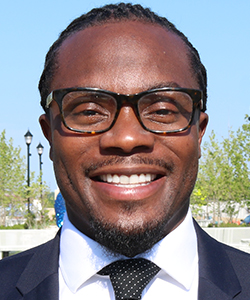
Alonzo Washington
Senate · District 22
|
D |
Strong +
|
87% | 90 |

Jason Gallion
Senate · District 35
|
R |
Oppose
|
27% | 103 |
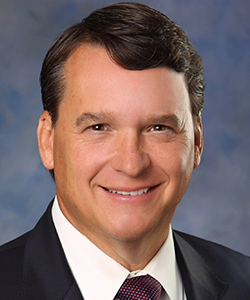
Steve Hershey
Senate · District 36
|
R |
Oppose
|
30% | 96 |
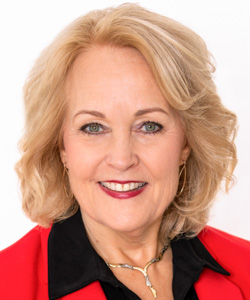
Kathy Szeliga
House · District 7A
|
R |
Oppose
|
30% | 220 |
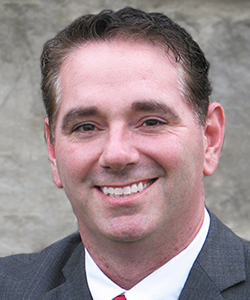
Matt Morgan
House · District 29A
|
R |
Oppose
|
30% | 218 |

Lauren Arikan
House · District 7B
|
R |
Oppose
|
30% | 214 |
Showing 401–410 of 413
bills
All budget & taxes bills
SB 379: Recovery Residence Grant Program - Funding
Topics
✓ Budget & TaxesSupports Budget & TaxesBill mandates annual $500k state budget allocation for recovery residences, ensuring stable funding for essential addiction support services through 2030.
✓ Criminal JusticeSupports Criminal JusticeFunds recovery residences for addiction rehabilitation, directly advancing criminal justice reform by supporting rehabilitation programs and reducing recidivism.
✓ HealthcareSupports HealthcareFunds addiction recovery residences (mental health support) via mandatory annual $500k budget allocation, preventing funding gaps for critical healthcare services.
✓ HousingSupports HousingFunds recovery residences (sober living housing) for addiction recovery, directly supporting affordable housing initiatives via annual budget allocation.
Sub-Topics
Substance Abuse
SB 118: Comprehensive Community Safety Funding Act
Topics
✓ Budget & TaxesSupports Budget & TaxesImposes new excise tax on firearm sales to fund community safety programs (violence prevention, trauma centers), directly advancing fiscal management through targeted revenue allocation for essential services.
✓ Criminal JusticeSupports Criminal JusticeBill funds violence prevention (26%) and trauma centers (26%) via firearm tax, aligning with reform goals like reducing recidivism and community safety partnerships.
✓ HealthcareSupports HealthcareAllocates 26% of tax revenue to trauma centers, directly funding healthcare infrastructure and emergency services as part of community safety programs.
HB 197: Comprehensive Community Safety Funding Act
Topics
✓ Budget & TaxesSupports Budget & TaxesCreates new excise tax on firearms dealers to fund community safety programs, supplementing existing services without replacement.
✓ Criminal JusticeSupports Criminal JusticeFunds violence prevention & trauma care programs, key criminal justice reform initiatives targeting root causes of violence.
✓ HealthcareSupports HealthcareAllocates 26% to trauma care and 8% to University of Maryland Medical System, directly funding healthcare services without replacement.
SB 224: Property Taxes - Authority of Counties to Establish a Subclass and Set a Special Rate for Commercial and Industrial Property
Topics
✓ Budget & TaxesSupports Budget & TaxesBill creates special property tax rate for commercial/industrial properties to fund transportation projects and school budgets, directly advancing public service funding through targeted taxation.
✓ EducationSupports EducationBill explicitly permits counties to use special property tax revenue for school budgets, creating a potential new funding source for education.
HB 129: Public Funding - Nonprofit Entities - Reporting
Sub-Topics
Audits & Accountability
HB 548: Land Use - Permitting - Development Rights (Maryland Housing Certainty Act)
Topics
✗ Budget & TaxesOpposes Budget & TaxesProhibits local development fees/taxes until project completion, restricting local tax revenue collection during construction.
✓ HousingSupports HousingStreamlines housing development via vested rights, reducing regulatory barriers to increase housing supply
HB 178: Public Health - Sickle Cell Disease - Specialized Clinics and Scholarship Program for Medical Residents
Topics
✓ Budget & TaxesSupports Budget & TaxesAllocates $6.1M for clinic operations and services, directly increasing state budget spending on public health programs.
✓ HealthcareSupports HealthcareAllocates $6.1M for specialized sickle cell clinics with comprehensive care including mental health services, pain management, and social support, directly advancing healthcare access and funding.
HB 660: Public Libraries - State Library Resource Center - Funding
SB 185: Subtraction Modification - Public Safety Retirement Income
Tags
Public Safety