Issue · Healthcare

Healthcare (Public Health)

Every healthcare bill, vote, and legislator stance in Maryland, automatically classified by Maddy, our AI policy reader.

Total bills
52
2026 Regular Session
Top supporter
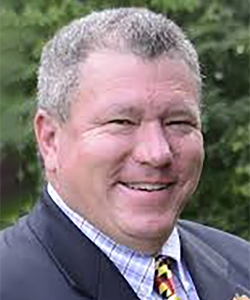
Ben Barnes
100% support rate
Top opponent
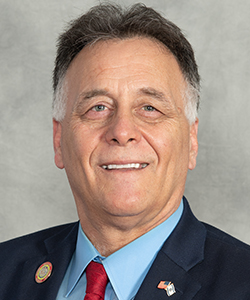
J.B. Jennings
0% support rate
Ranked legislators
10
5 support · 5 oppose
Key legislators

Who's moving public health in Maryland

Legislators moving public health in Maryland
Legislator Party Stance Support rate Votes
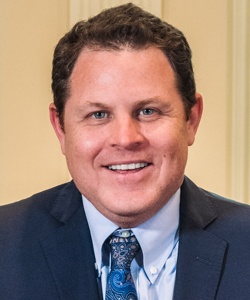
Ben Barnes
Ben Barnes House · District 21
D
Strong +
100% 16
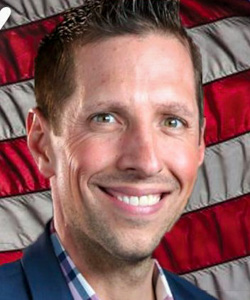
Stuart Schmidt
Stuart Schmidt House · District 33B
R
Strong +
100% 16
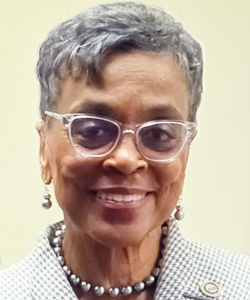
Cheryl Pasteur
Cheryl Pasteur House · District 11A
D
Strong +
100% 15
Sarah Wolek
Sarah Wolek House · District 16
D
Strong +
100% 15
Caylin Young
Caylin Young House · District 45
D
Strong +
100% 13
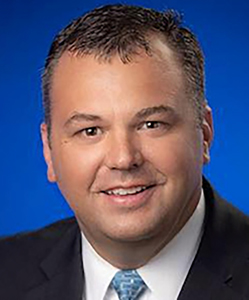
J.B. Jennings
J.B. Jennings Senate · District 7
R
Strong −
0% 10
Jack Bailey
Jack Bailey Senate · District 29
R
Strong −
0% 10
Jason Gallion
Jason Gallion Senate · District 35
R
Strong −
0% 10
Johnny Salling
Johnny Salling Senate · District 6
R
Strong −
0% 10
Justin Ready
Justin Ready Senate · District 5
R
Strong −
0% 10
Showing 1–10 of 52 bills

All healthcare bills

passed · Maryland · House of Delegates Mar 25, 2026

HB 1625: Public Health - Newborn Screening Program - Fees and Core Conditions

This bill updates Maryland's newborn screening program by changing how fees are set and how new tests are added to the screening panel. It requires the Department of Health to charge fees that cover all administrative, laboratory, and follow-up costs rather than setting a specific maximum amount. The bill also establishes a process where an advisory council must review risks, costs, and accessibility before the department decides whether to test for new conditions added to the national screening panel. Additionally, it extends the timeline for implementing new tests to two years if equipment or supplies are delayed, with required reporting to state committees.
Sub-Topics Public Health
in committee · Maryland · House of Delegates Mar 12, 2026

HB 1645: Public Health - American Legion Automated External Defibrillator Grant Program - Established

This Maryland bill establishes a grant program to help American Legion posts purchase and install automated external defibrillators on their property. The Maryland Department of Health will administer the program and seek funding to award grants to eligible posts that currently lack at least two AEDs on-site. Posts with no AEDs will be prioritized for funding over those with only one, and the program will include simplified application procedures and accommodations for posts with limited resources or language barriers. The law takes effect on October 1, 2026, and allows the Governor to include funding for the program in the annual budget.
Sub-Topics Public Health
signed · Maryland · Senate Apr 14, 2026

SB 907: Public Health - Female Genital Mutilation

This bill expands Maryland's child abuse reporting requirements by explicitly including female genital mutilation in the legal definition of abuse, which directly affects healthcare providers, educators, and other mandated reporters. It mandates that these professionals report suspected cases of female genital mutilation to authorities and increases penalties for violations while allowing individuals subjected to the procedure to file civil lawsuits for relief. The legislation also requires the Maryland Department of Health to create and distribute educational materials about female genital mutilation in partnership with various public and private organizations. Additionally, the bill authorizes health licensing boards to revoke licenses of individuals who commit violations related to female genital mutilation under specific circumstances.
Sub-Topics Public Health
in committee · Maryland · House of Delegates Feb 12, 2026

HB 1337: Frederick County - Well and Septic Service - Plan Approval

HB 1337 requires Frederick County's local health department to automatically approve well and septic service plans for properties on lots subdivided between 1976 and 2019, if prepared by certified professionals. Specifically, it mandates approval for plans certified by a professional engineer (for complex systems) or a licensed environmental health specialist (for traditional systems), without changes or comments. The health department may only deny a plan if it issues a written finding of "imminent threat" to public health/safety, which property owners can appeal within 30 days. This bill directly affects property owners in Frederick County seeking to install or modify wells or septic systems on qualifying lots, effective October 1, 2026.
Sub-Topics Public Health
signed · Maryland · House of Delegates May 26, 2026

HB 1365: Health Occupations, Public Health, and Insurance - Menopause - Provider Training Coverage Requirements, Policy Initiatives, and Access to Care

HB 1365 requires healthcare providers (like doctors and nurses) to complete menopause-specific training to earn continuing education credits, with licensing boards mandated to grant double credit (2 hours for every 1 hour of training). It also requires insurers, nonprofit health plans, and health maintenance organizations to cover the evaluation and management of menopause and related symptoms. The law applies to all relevant providers and insurers in Maryland, effective January 1, 2027. The Department must identify a standardized training program after consulting with professional associations like The Menopause Society.
Sub-Topics Public Health
signed · Maryland · House of Delegates May 12, 2026

HB 1372: Public Health - Office of Health Care Quality Information and Maryland Health Centralization Commission

HB 1372 requires the Maryland Health Care Commission, working with the Office of Health Care Quality, to create a process for publishing health facility inspection data (including inspection dates, quality ratings, next inspection dates, and compliance statements) on a public website. It establishes the Maryland Department of Health Centralization Commission, composed of legislators, department officials, and health board leaders, to advise on improving efficiency between the Department and health occupations boards. The bill also mandates that all health occupations boards meet minimum cybersecurity standards set by the Secretary of Information Technology. These changes directly affect health care facilities subject to inspections, health occupations boards, and the Maryland Department of Health.
Sub-Topics Public Health
signed · Maryland · House of Delegates Apr 14, 2026

HB 1389: Public Health - Female Genital Mutilation

HB 1389 updates Maryland law to explicitly include female genital mutilation (FGM) under the legal definition of "abuse" for child protection purposes. This requires healthcare workers, educators, and others to report suspected FGM cases - just like other forms of child abuse - and increases penalties for violations. The bill also allows victims to file civil lawsuits and mandates the Maryland Department of Health to create educational materials about FGM. These changes directly affect mandated reporters, medical professionals, and individuals at risk of FGM.
Sub-Topics Public Health
in committee · Maryland · House of Delegates Mar 13, 2026

HB 1565: Public Health - Obesity Management and Treatment Programs (Healthy Maryland for Every Body)

HB 1565 requires Maryland’s State Employee and Retiree Health and Welfare Benefits Program to include an obesity treatment and management program for state employees. It also mandates that private health insurers, nonprofit health plans, and health maintenance organizations cover evidence-based obesity treatment - including FDA-approved medications, metabolic/bariatric surgery, and CDC-approved behavioral programs - for individuals diagnosed with obesity, diabetes, or related conditions. The program must be developed with the Secretary of Health and follow the same coverage rules applied to other chronic diseases, avoiding stricter requirements. This bill directly affects state employees and covered individuals with qualifying health conditions by expanding access to medically necessary obesity care.
in committee · Maryland · Senate Feb 9, 2026

SB 527: Public Health - Ibogaine Clinical Research Grant Program - Establishment (Veterans Mental Health Innovations Act)

SB 527 establishes Maryland's Ibogaine Clinical Research Grant Program to fund clinical trials on ibogaine for treating opioid use disorder and other neurological conditions. The program provides up to three annual grants to eligible Maryland-based research institutions with neuroscience expertise, requiring matching funds equal to the grant amount. Funding comes from the Opioid Restitution Fund ($500,000 annually for fiscal years 2028-2030), administered by the Department of Health in consultation with the Department of Veterans and Military Families. Institutions must conduct FDA-reviewed trials, submit quarterly progress and financial reports, and report annually to the General Assembly on grant usage and trial outcomes. The bill directly affects research institutions, veterans (via the veterans mental health focus), and the Opioid Restitution Fund.
in committee · Maryland · House of Delegates Mar 19, 2026

HB 1401: Public Health - Abortion - Informed Consent

HB 1401 requires healthcare providers performing abortions to inform patients about specific risks - including depression, infection, hemorrhage, breast cancer, future pregnancy dangers, infertility, and regret - and obtain their signed, written consent before the procedure. This applies directly to qualified providers (like doctors or clinics) offering abortion services and affects patients seeking those services in Maryland. The bill mandates providers to document the signed consent in the patient’s medical record. It takes effect October 1, 2026, and updates Maryland’s health code to require this informed consent process for abortion procedures.
Showing 1 to 10 of 52 bills
1 2 3 6 Next