Issue · Budget & Taxes

Budget & Taxes

Every budget & taxes bill, vote, and legislator stance in Maryland, automatically classified by Maddy, our AI policy reader.

Total bills
373
2026 Regular Session
Top supporter
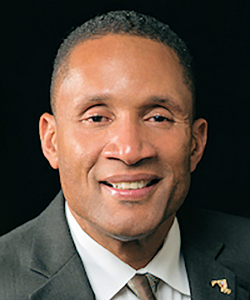
Carl Jackson
92% support rate
Top opponent
Jason Gallion
27% support rate
Ranked legislators
10
5 support · 5 oppose
Key legislators

Who's moving budget & taxes in Maryland

Legislators moving budget & taxes in Maryland
Legislator Party Stance Support rate Votes
Carl Jackson
Carl Jackson Senate · District 8
D
Strong +
92% 95
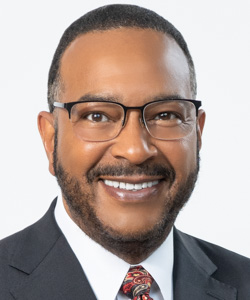
Cory McCray
Cory McCray Senate · District 45
D
Strong +
89% 97
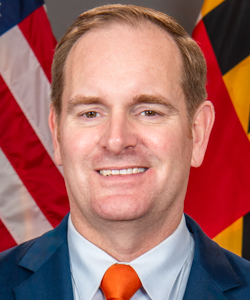
Arthur Ellis
Arthur Ellis Senate · District 28
D
Strong +
88% 60
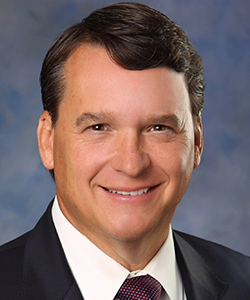
Anthony Muse
Anthony Muse Senate · District 26
D
Strong +
88% 65
Alonzo Washington
Alonzo Washington Senate · District 22
D
Strong +
87% 90
Jason Gallion
Jason Gallion Senate · District 35
R
Oppose
27% 103
Steve Hershey
Steve Hershey Senate · District 36
R
Oppose
30% 96
Kathy Szeliga
Kathy Szeliga House · District 7A
R
Oppose
30% 220
Matt Morgan
Matt Morgan House · District 29A
R
Oppose
30% 218
Lauren Arikan
Lauren Arikan House · District 7B
R
Oppose
30% 214
Showing 1–10 of 373 bills

All budget & taxes bills

signed · Maryland · Senate May 12, 2026

SB 1003: Howard County - Sheriff and State's Attorney - Compensation Ho. Co. 13-26

This bill sets new salary schedules for the Howard County Sheriff and State's Attorney, effective October 1, 2026. It establishes specific annual compensation amounts for both positions through 2030, with the Sheriff's salary tied to a police management schedule for the first year of their term and the State's Attorney's salary linked to a District Court judge's pay for 2026. The legislation also includes a provision ensuring these salary changes apply only to officials whose terms begin after the act takes effect, except for those appointed or elected to fill unexpired terms.
in committee · Maryland · Senate Mar 25, 2026

SB 1008: Alcohol and Cannabis - Cannabinoid Beverages Off-Premises Sales Permit - Establishment

This bill establishes a new permit system allowing licensed alcohol retailers to sell cannabinoid beverages for off-premises consumption, such as take-home delivery. It authorizes Class 1 cannabinoid beverage wholesalers to deliver these products to alcohol retailers holding the new permit, which local licensing boards will issue under specific conditions. The legislation also adjusts tax rules by exempting certain cannabinoid beverage sales involving Class 1 wholesalers from sales and use taxes. Additionally, the bill defines cannabinoid beverages as single-serving products containing 5 milligrams or less of THC per serving and sets distribution restrictions similar to those for alcoholic beverages.
in committee · Maryland · House of Delegates Mar 12, 2026

HB 1645: Public Health - American Legion Automated External Defibrillator Grant Program - Established

This Maryland bill establishes a grant program to help American Legion posts purchase and install automated external defibrillators on their property. The Maryland Department of Health will administer the program and seek funding to award grants to eligible posts that currently lack at least two AEDs on-site. Posts with no AEDs will be prioritized for funding over those with only one, and the program will include simplified application procedures and accommodations for posts with limited resources or language barriers. The law takes effect on October 1, 2026, and allows the Governor to include funding for the program in the annual budget.
Sub-Topics Public Health
in committee · Maryland · Senate Feb 23, 2026

SB 999: County Boards of Education - Reappointments of County Superintendents of Schools - Audit Requirement (Local School System Fiscal Accountability Act)

This bill requires county school boards in Maryland to conduct a financial audit before reappointing a county superintendent of schools, ensuring the district's financial management is evaluated for effectiveness and efficiency. The audit must be completed by the Office of Legislative Audits or an independent certified public accountant during the final year of the superintendent's term, with results submitted to the State Superintendent of Schools and made public. This provision applies to all county school systems except Baltimore City and Prince George's County, which already have different appointment procedures. The bill also maintains existing requirements that superintendents must have a college degree and two years of graduate work in public school administration to be eligible for appointment or reappointment.
in committee · Maryland · Senate Feb 23, 2026

SB 997: Retail Supply of Electricity and Gas

This bill modifies Maryland's retail electricity and gas supply regulations by changing how utility companies can charge fees, what marketing materials they can bill customers for, and how long residential energy contracts can last. It reduces the annual assessment fee that electric and gas companies pay to the state Public Service Commission from 0.50% to 0.25% of their gross operating revenues, while keeping separate fees for the Strategic Energy Planning Office and Office of People's Counsel. The legislation also limits residential electricity contracts to a maximum of 36 months and removes the ability for suppliers to automatically renew green power contracts without customer consent. Additionally, the bill clarifies that marketing materials must be neutral when informing customers about standard energy options and repeals previous regulations on green power pricing.
Sub-Topics Utility Regulation
signed · Maryland · Senate Apr 28, 2026

SB 1007: Prior Authorizations of State Debt - Alterations

This bill amends existing state debt authorizations to update grant details for various community projects across Maryland. It directly affects multiple local organizations and municipalities that have received state funding for construction, renovation, and infrastructure improvements. The key provision allows the state to change grantee names, modify authorized project uses, and extend termination dates for several grants without requiring new legislation for each change. Specific projects include facilities for the National Road Museum, Harford Crisis Center, Imagination Stage, and various community centers, with funding amounts and deadlines being adjusted accordingly.
in committee · Maryland · House of Delegates Feb 5, 2026

HB 902: Retire in Maryland Tax Relief Act

This bill creates a state income tax credit for Maryland residents aged 77 and older to help reduce their tax burden. Eligible taxpayers must have federal adjusted gross income below $175,000 for individuals or $250,000 for couples filing jointly. The credit amount increases with age, ranging from 25% of the state income tax for those turning 77 to a full 100% credit for those aged 80 and older. The bill applies to taxable years beginning after December 31, 2025, and prevents taxpayers from claiming both this credit and another existing senior tax credit in the same year.
Sub-Topics Income Tax Tax Credits Tags Seniors
in committee · Maryland · House of Delegates Feb 5, 2026

HB 909: Sales and Use Tax - Cut Flowers - Exemption

This bill creates a sales and use tax exemption for cut flowers sold by farmers in Maryland. It directly affects agricultural producers by removing the tax burden on their cut flower sales, while leaving other floral products like uncut and living flowers subject to existing tax rules. The change is implemented by adding a new provision to the state's tax code that explicitly excludes cut flower sales from taxation. The exemption takes effect on July 1, 2026, allowing farmers to sell cut flowers without paying the applicable sales tax.
in committee · Maryland · House of Delegates Feb 6, 2026

HB 905: Recipients of State and Local Government Funding - Reporting (Buy Maryland Reporting Requirements)

This bill requires recipients of Maryland state and local government funding to report annually to the Comptroller on how they use those funds, including details about any contractors or subcontractors they hire. Entities receiving payments for providing goods or services must also include this information on their income tax returns, such as the number of employees, work locations, and whether contractors are certified minority businesses. The Comptroller will then compile this data and submit a summary report to the General Assembly each year, showing the percentage of in-state versus out-of-state contractors, average employee counts, and the share of minority business enterprises. These reporting requirements apply to state, county, and municipal government units as well as individuals and corporations that receive public funding.
in committee · Maryland · House of Delegates Feb 5, 2026

HB 903: Income Tax - Subtraction Modification - Donations to Food Banks and Other Charitable Entities

This Maryland bill allows taxpayers to subtract up to $1,000 from their state income tax when donating food or cash specifically designated for food purchases to qualified charitable organizations. The law defines eligible recipients as food banks, homeless shelters, domestic violence shelters, religious groups, and other registered charities that provide free food to people in need. To claim this benefit, taxpayers must list the recipient organization's name and provide proof of the donation's value on their income tax return. The Comptroller will create regulations to establish registration criteria for these organizations, and the bill includes a requirement for a report by January 1, 2029, on whether donations have increased since the law took effect. The provision applies to taxable years beginning after December 31, 2025, and automatically expires on June 30, 2029.
Showing 1 to 10 of 373 bills
1 2 3 38 Next