

Maddy summaryHR 3473, the Humane Accountability Act, requires U.S. Customs and Border Protection (CBP), Immigration and Customs Enforcement (ICE), and the Office of Refugee Resettlement (ORR) to submit detailed reports to Congress about immigration detentions and facility conditions. It mandates specific data on detention numbers, removals, locations (including sensitive sites like schools), and incidents of abuse, medical care, or deaths in custody. The bill also requires advance notice to Congress before using non-traditional detention sites (such as military bases or tribal lands), including justification, capacity, and compliance plans. These reports aim to increase transparency for detainees, their families, and Congress regarding detention practices. The bill directly affects immigration detention facilities, immigrant detainees, and federal agencies managing immigration enforcement.
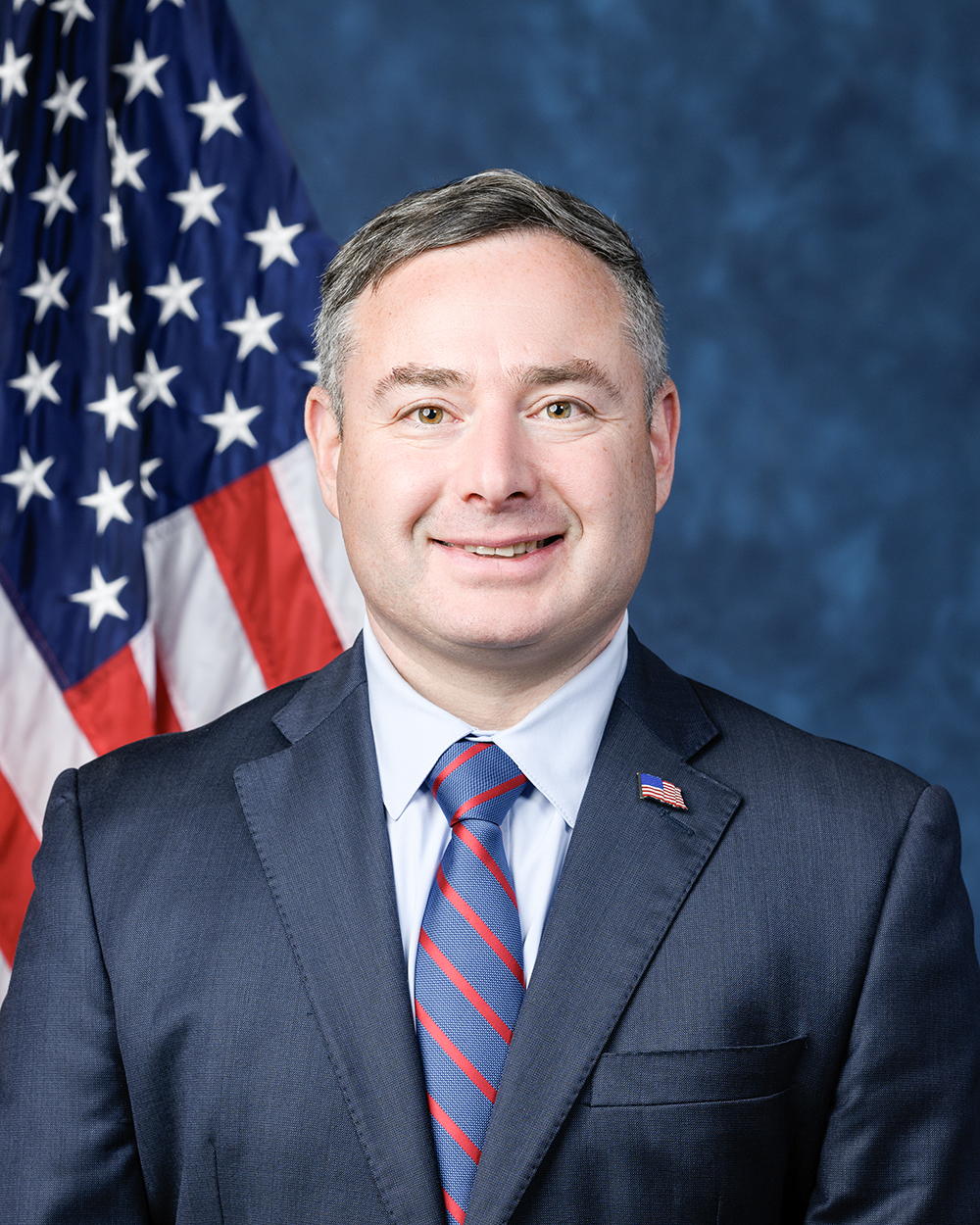
Rep. Eugene Simon Vindman
Sponsored bills
Maddy summaryThis bill restores a tax deduction for personal losses caused by disasters, crimes, or scams (like stolen property or damage from hurricanes). It directly affects taxpayers who filed returns before 2025 but couldn’t claim this deduction due to a prior suspension. The bill reinstates the deduction and extends the deadline to file refund claims for these losses until the tax filing deadline for the year the bill becomes law. This allows eligible individuals to claim refunds they were previously barred from receiving.
Maddy summaryThe Federal Cyber Workforce Training Act of 2025 establishes a Federal Institute to train federal employees in cybersecurity roles and human resources staff managing cybersecurity positions. The Institute will develop role-specific training modules - including hands-on exercises and assessments - based on the NICE cybersecurity framework, offering both in-person and virtual options without requiring a cybersecurity degree. The National Cyber Director must submit a detailed implementation plan to Congress within 180 days, and the Institute will operate without new funding, leveraging existing federal resources. This training aims to enhance skills for entry-level cybersecurity roles, support mid-career transitions, and improve hiring practices for federal cybersecurity personnel.
Maddy summaryHR 3457 establishes a federal program to control and eradicate feral swine (wild pigs) that threaten agriculture, ecosystems, and public health. The program provides financial assistance to farmers and ranchers in affected areas for eradication efforts and land restoration, while requiring coordination between federal agencies and contracts with eligible land-grant universities for research and technical support. It allocates $150 million over five years (2026-2030), with 40% funding producer assistance and 60% supporting population control methods, and limits administrative costs to 10% of the total funds.
Maddy summaryHR 3460, the AI Whistleblower Protection Act, prohibits employers from retaliating against employees or independent contractors who report AI security vulnerabilities or AI violations to regulators, Congress, or internal supervisors. It directly affects workers in AI development, deployment, or use - such as software engineers or safety auditors - who identify risks like stolen AI technology or failures to address safety dangers. Key provisions include banning termination, demotion, or harassment for lawful reporting, requiring employers to reinstate affected workers with double back pay, and blocking contracts that force arbitration to resolve retaliation claims. The bill establishes a 180-day window to file complaints with the Labor Department or sue in court, with remedies covering legal fees and compensatory damages. It applies broadly to any employer in commerce, ensuring protections cannot be waived by employment agreements.
Maddy summaryThis bill requires the Department of Defense to promote competition when purchasing artificial intelligence, cloud computing, and data infrastructure services by mandating competitive award processes and prioritizing multi-cloud technology. It defines covered providers as companies with at least $50 million in DoD contracts over five years and restricts how these vendors can use government-provided data, prohibiting unauthorized use for training commercial products. The legislation also establishes annual reporting requirements to Congress on market competition and innovation in the AI sector, including details on any exemptions granted for national security reasons.
Maddy summaryThis bill clarifies that the President has no constitutional authority to withhold funds Congress has appropriated. It creates new legal mechanisms allowing private citizens and state/local governments to sue the federal government for impoundments of appropriated funds. The bill strengthens the Comptroller General's oversight role by requiring executive branch cooperation in investigations of potential violations. Federal employees who knowingly violate these provisions would face personal liability and lose immunity protections. The legislation aims to reinforce Congress's constitutional authority over the budget process.
Maddy summaryThe Strong Communities Act of 2025 creates a new grant program under the COPS Office to fund law enforcement training. It provides competitive grants to local police departments for officers and recruits to attend training at eligible partner organizations (like colleges or police agencies), requiring them to work full-time in their home communities for at least 4 years after training. Recruits must live within 7 miles (or 20 miles in small counties) of their residence for 5+ years to qualify, and must repay benefits if they don’t complete the service. The program requires annual transparency reports detailing grant recipients, training participants, and retention rates.
Maddy summaryHRES 410 is a non-binding House resolution requiring President Trump to comply with the Constitution’s Foreign Emoluments Clause regarding a $400 million Boeing 747-8 jet gift from Qatar’s royal family. It directs the President to immediately submit all plans for the aircraft to Congress and obtain explicit congressional consent before accepting it, as required by the Constitution. The resolution cites historical precedent where all prior presidents sought Congress’s approval for foreign gifts, including items like medals, horses, and the Statue of Liberty. It emphasizes that accepting the jet without consent would violate the Constitution and pose national security risks. The bill focuses solely on procedural compliance, not the merits of the gift itself.
Maddy summaryHR 3392, the STOP Screwworms Act, requires the U.S. Department of Agriculture to build modular facilities for rearing sterile New World screwworm flies within 180 days of enactment. These facilities will disperse sterile flies into at-risk agricultural areas - identified based on migratory patterns and suitability for dispersal - to prevent infestations that threaten livestock. The bill authorizes $300 million in funding for construction, operation, and annual reporting to Congress on threat assessments and effectiveness. It directly affects livestock producers and agricultural regions vulnerable to screwworm fly migration, using sterile insect technique as a preventive measure.