Maddy summaryHR 3418, the Historic Preservation Fund Reauthorization Act, extends the federal Historic Preservation Fund through 2035 and increases its annual funding from $150 million to $250 million. This bill directly affects historic preservation programs nationwide, including state and local grants for protecting historic sites and buildings. The key provision updates the funding levels and duration in existing law (54 U.S. Code § 303102), ensuring continued support for preservation efforts. The change maintains current program operations without creating new requirements or altering eligibility.
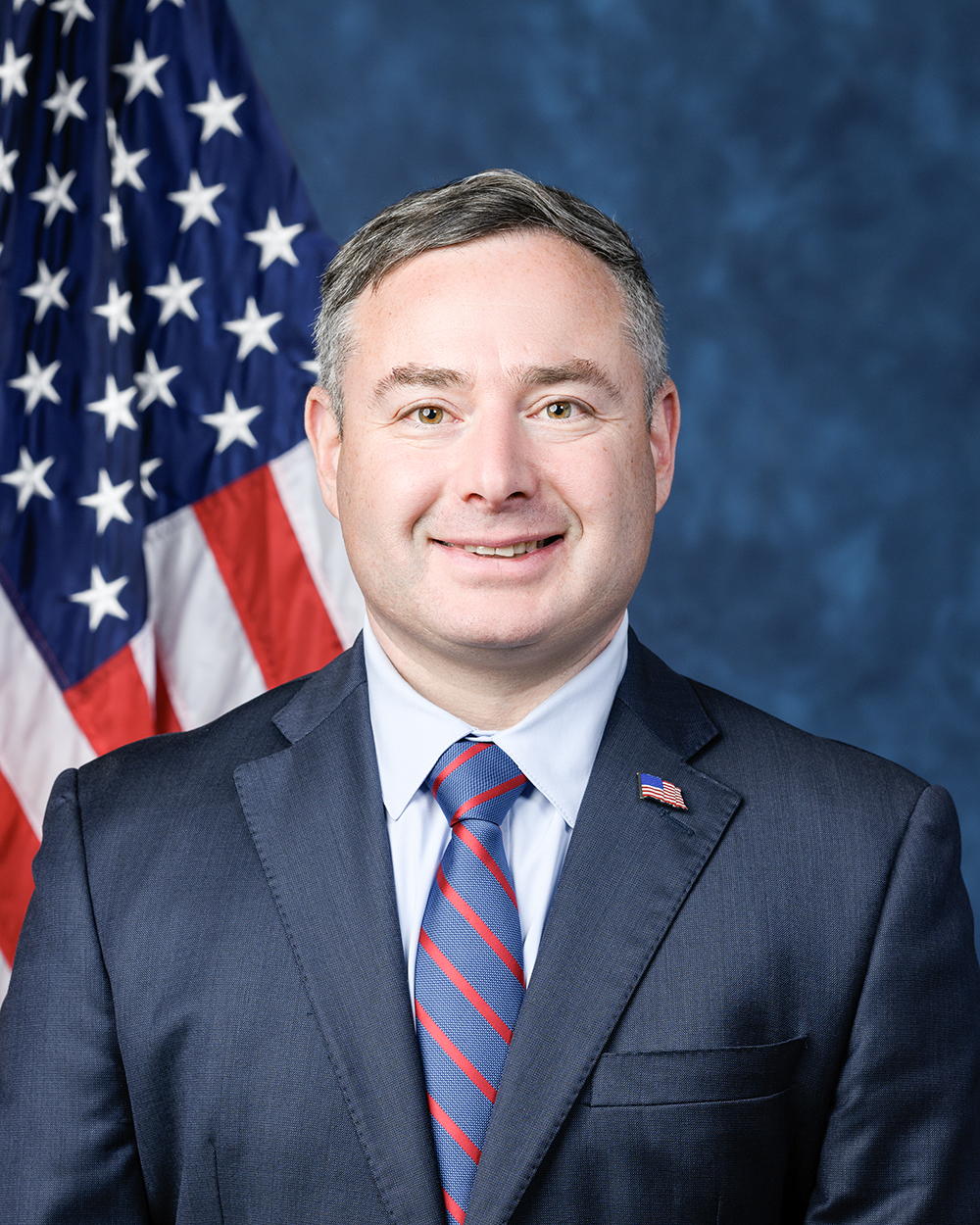
Rep. Eugene Simon Vindman
Sponsored bills
Maddy summaryHR 3417, the Websites and Software Applications Accessibility Act of 2025, requires websites and applications used by covered entities - including businesses, government agencies, and public accommodations - to be accessible to people with disabilities. The bill mandates the Department of Justice and Equal Employment Opportunity Commission to establish accessibility standards within 24 months, with different compliance timelines for small businesses (2-3 years) versus larger entities (30 days). It includes provisions for technical assistance, grants to help small entities remediate inaccessible websites, and enforcement mechanisms to address violations. The law aims to ensure people with disabilities can access the same information, services, and transactions online as people without disabilities. Commercial providers who develop websites or applications for covered entities must also ensure their products meet accessibility standards.
Maddy summaryThe Racehorse Health and Safety Act of 2025 replaces the 2020 Horseracing Integrity and Safety Act with a new framework for horse racing safety and medication control. The bill establishes a Racehorse Health and Safety Organization (RHSO) to coordinate safety rules across states, with breed-specific committees for Thoroughbreds, Standardbreds, and Quarter Horses to develop medication control and safety protocols. It creates new rules prohibiting certain medications, mandates track safety standards, and establishes procedures for handling violations, including administrative sanctions and disciplinary processes. The law requires states to join an interstate compact to participate in the new system, with states that don't join prohibited from allowing interstate wagering on races. This legislation directly affects all entities involved in horse racing, including owners, trainers, veterinarians, racetracks, and breed associations across the country.
Maddy summaryHR 3349, the Healthy Dog Importation Act, requires importers to provide electronic health documentation before bringing dogs into the U.S., including proof of vaccinations, parasite treatment, health status, and permanent identification. It directly affects importers and import transporters who move dogs across borders, mandating these requirements for all dogs except specific exceptions like returning U.S. military working dogs or dogs under veterinary care. Key mechanisms include a centralized database for tracking health certificates, annual reporting on import origins and purposes, and penalties for noncompliance. The bill also establishes a 18-month timeline for implementing regulations and repeals outdated importation rules under the Animal Welfare Act.
Maddy summaryHR 3353, the Lieutenant Osvaldo Albarati Stopping Prison Contraband Act, increases penalties for providing prohibited items like phones to prisoners in federal custody, imposing up to two years in prison for violations involving such items. The bill requires the Bureau of Prisons to review and update its policies within one year of enactment to better address contraband possession by inmates, aiming to improve safety for both incarcerated individuals and staff. It specifically amends federal law to clarify penalties for trafficking prohibited objects, including phones, under Section 1791 of Title 18. The legislation directly affects federal prison operations, inmates, and staff by targeting contraband trafficking and mandating policy reforms.
Maddy summaryThe Public Safety Retirees Healthcare Protection Act of 2025 increases the tax exclusion for health and long-term care insurance premiums paid by retired public safety officers from $3,000 to $6,000 annually. This change applies to distributions from governmental retirement plans used for these insurance costs, directly affecting retired police officers, firefighters, and other public safety personnel. The bill amends the Internal Revenue Code to allow a higher portion of retirement income to remain tax-free for these retirees. It takes effect for taxable years beginning after December 31, 2025.
Maddy summaryThis bill gives states the option to create coordinated care teams (called "maternity health homes") for pregnant and postpartum women enrolled in Medicaid. It requires states to develop individualized care plans covering medical, behavioral, and social services, with increased federal funding (15% higher for the first four years) to support this model. Eligible women include those who are pregnant or within one year of pregnancy (excluding those with limited pregnancy-only coverage), and participation is voluntary for both women and providers. States must track care quality, costs, and outcomes through data reporting but are not required to adopt the program.
Maddy summaryThis bill amends the Fair Labor Standards Act to prohibit children under 18 from having direct contact with tobacco plants or dried tobacco leaves on farms. It directly affects minors who might work on tobacco farms and tobacco farm employers who currently allow such employment. The key change adds tobacco farming to the list of occupations where children under 18 cannot work, closing a loophole that previously permitted this activity. This update explicitly excludes tobacco-related agriculture from exceptions allowing minors in certain farm jobs under federal law.
Saving Our Veterans Lives Act of 2025 This bill requires the Department of Veterans Affairs (VA) to implement a program to provide, upon request, a firearm lockbox (or voucher for such item) to eligible individuals. Currently, there is a pilot program under which certain veterans may be prescribed a lockbox by a VA clinician. The VA must also provide information with respect to the benefits of and options for secure firearm storage. The VA must develop an informational video on the secure storage of firearms as a suicide prevention strategy and publish the video on its website. Additionally, the VA must publish information to inform individuals who participate in the lockbox program that such lockboxes are not for resale. The VA must also implement a public education campaign to educate eligible individuals about the availability of lockboxes under the program and that participation in the program does not affect the rights of an individual with respect to the lawful ownership of a firearm.
Maddy summaryThis bill allows U.S. Representatives and Senators to use space within Department of Veterans Affairs (VA) facilities for meetings with veterans who are their constituents. It requires the VA Secretary to establish clear rules within 90 days, including that meeting spaces must be visible, accessible during business hours, and rented at rates similar to commercial office space in the area. The bill prohibits political campaigning, recording veterans without consent, or using VA spaces during the 60 days before federal elections. It directly affects veterans seeking in-person help from their representatives and the VA facilities managing these access points. The key change is creating a formal, regulated process for congressional access to VA locations, not altering veterans' benefits or policies.