

Maddy summaryThe Appropriations Transparency Act of 2024 requires the Congressional Budget Office to provide detailed cost breakdowns for bills reported by the House and Senate Appropriations Committees. Specifically, these estimates must include total budget authority, comparisons to spending allocations, outlay projections, rescissions, offsetting receipts, changes to mandatory programs (CHIMPs), direct spending, and categorization details. The bill directly affects the Appropriations Committees by mandating these specific disclosures in all cost estimates for their reported bills. This aims to clarify how funding is allocated and spent, though it does not change actual funding levels or program provisions. The bill also adjusts House Rule XIII to ensure these detailed estimates are not blocked by procedural rules.
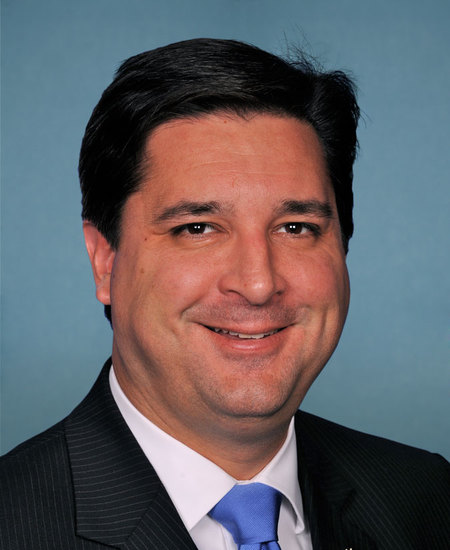
Rep. David Rouzer
Sponsored bills
Maddy summaryHRES 1031 is a non-binding House resolution declaring the U.S. southern border situation an "invasion," citing three specific claims: over 8 million migrant crossings since 2021, a 1,000% rise in watchlist entries, and drug-related deaths. It does not create new laws or affect individuals, as resolutions like this only express legislative sentiment. The bill formally states the House's viewpoint through these cited statistics without proposing policy changes. As a symbolic gesture, it has no legal force or impact on border policy.
Maddy summaryHR 7455, the Sunset Act of 2024, requires federal agencies to automatically expire significant rules after 10 years unless Congress passes a new law extending them. Agencies must submit reports 180 days before expiration, and Congress can extend rules via joint resolution within 3 legislative days of receiving the report. The bill also mandates annual reviews of 10% of active agency rules for 9 years, with rules not extended by Congress after the 10-year period expiring. It applies to all major agency rules (e.g., environmental or safety regulations) and includes limited presidential exemptions for emergencies, but does not affect existing rules already in effect.
Maddy summaryHR 7450, the Protecting Privacy in Purchases Act, prohibits payment card networks and covered entities (like payment processors) from requiring or assigning merchant category codes that specifically identify firearms retailers as different from general stores or sporting goods retailers. This directly affects firearms retailers and payment networks by preventing them from using business classification codes that could flag firearm sales. The bill establishes an enforcement process where the Attorney General investigates complaints, issues remediation notices, and can seek court injunctions for non-compliance, while preempting state or local laws on this issue. It does not create private lawsuits for individuals.
Maddy summaryHR 7129, the "Put America on Commission Act of 2024," creates an Office of Whistleblower Awards within the Small Business Administration (SBA) to incentivize reporting of fraud in pandemic relief loans. It directly affects whistleblowers who provide original information about financial misconduct by SBA loan recipients and the recipients themselves who face penalties. The bill establishes a Whistleblower Award Fund, paying 10% (U.S. entities) or 15% (foreign entities) of recovered funds from convictions or settlements related to "COVID loan actions" (defined as fraud cases under CARES Act provisions). It includes anti-retaliation protections for whistleblowers and requires annual reports to Congress on award distributions. The program sunset provisions end its authority once all related cases are resolved.
This joint resolution nullifies the final rule issued by the Animal and Plant Health Inspection Service (APHIS) titled Importation of Fresh Beef From Paraguay and published on November 14, 2023. The final rule allows for the importation of fresh (chilled or frozen) beef from Paraguay into the United States under certain conditions. The United States prohibits or restricts the importation of certain animals and animal products to prevent the introduction of various animal diseases, including foot-and-mouth disease (FMD). In response to a request from Paraguay to allow the importation of fresh beef from Paraguay into the United States, APHIS conducted a risk analysis. APHIS concluded that fresh beef could be safely imported from Paraguay, provided that certain conditions are met. These conditions include that (1) FMD has not been diagnosed in the exporting region within the previous 12 months; (2) the meat originated from premises where FMD has not been present during the lifetime of any bovines slaughtered for U.S. meat export; and (3) APHIS may periodically conduct on-site evaluations and subsequent inspections of the slaughter facilities, records, and operations.
Maddy summaryThis bill prohibits the Department of Labor from finalizing, implementing, or enforcing a specific proposed rule (published September 8, 2023) that would have raised the salary threshold for overtime eligibility for certain white-collar workers. It directly affects the Department of Labor's ability to move forward with that rule change. The bill does not create new overtime rules or alter current requirements; it simply blocks this particular proposed rule from taking effect. As a procedural measure, it prevents the rule from becoming final policy.
Maddy summaryThis resolution (HRES 1012) is a symbolic statement by the U.S. House of Representatives condemning Azerbaijan's detention of Dr. Gubad Ibadoghlu, an imprisoned academic and economist. It specifically addresses Azerbaijan's alleged wrongful arrest, beatings in custody, denial of medical care and legal access, and poor prison conditions. The resolution calls for Dr. Ibadoghlu's immediate release and urges the U.S. Secretary of State to prioritize his case in diplomatic engagements with Azerbaijan. As a non-binding resolution, it expresses congressional concern but does not enact new laws or impose sanctions.
Maddy summaryThis bill updates the BEACH Act to improve monitoring of water quality at public beaches and coastal recreation areas. It expands the definition of monitored waters to include nearby shallow upstream areas and locations "present on" beaches, and allows states using federal grants to identify specific pollution sources. The bill also extends annual funding for these programs from $30 million per year through 2029 (replacing the previous 2001-2005 authorization) and requires the EPA to incorporate new water testing technologies into its guidance for states. These changes directly affect states and local governments receiving EPA grants for beach water quality monitoring.
Maddy summaryHJRES 114 is a joint resolution seeking congressional disapproval of a Federal Highway Administration (FHWA) rule that would have required tracking greenhouse gas emissions as part of assessing performance for the National Highway System. The rule, published in the Federal Register in December 2023, aimed to establish specific metrics for evaluating highway system performance, including emissions data. If approved, this resolution would nullify the rule, preventing the FHWA from implementing the emissions tracking requirement. This action directly affects how the FHWA measures highway system performance, specifically regarding environmental metrics.