Maddy summaryThis is a commemorative resolution (HRES 1100) passed by the U.S. House of Representatives to mark Duke University's 100th anniversary. It formally celebrates Duke's founding in 1924, recognizes its historical milestones (including medical advancements, desegregation, and athletic achievements), and encourages North Carolina residents to participate in anniversary events. The resolution directs the House Clerk to provide five copies to Duke University President Vincent E. Price. As a symbolic gesture with no policy impact, it directly affects Duke University and its community through recognition, not legislative action.
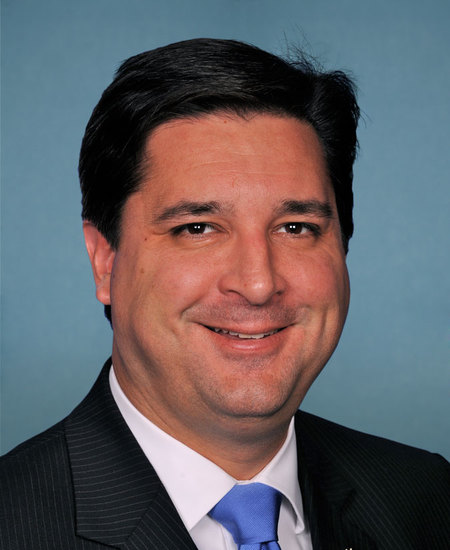
Rep. David Rouzer
Sponsored bills
Maddy summaryHR 5499, titled "Congressional Oversight of the Antiquities Act," would amend the Antiquities Act to impose time limits on national monument designations. It requires that any national monument established by presidential proclamation under the law expires after six months unless Congress extends it, and if not extended, the land cannot be re-designated as a monument for 25 years. This directly affects federal land managers and future presidents, who would need congressional action to maintain or expand monument boundaries. The bill changes the current process by adding automatic expiration and a long-term moratorium on re-designation, shifting authority to Congress.
Maddy summaryThis resolution (HRES 1086) is a symbolic gesture expressing the House's support for designating March 19, 2024, as "National Agriculture Day." It does not create new laws or policies, but instead formally recognizes agriculture as a vital industry in the U.S. economy. The resolution celebrates agriculture's broad economic impact without imposing any requirements or changes on farmers, consumers, or government programs. It is a commemorative statement, not a substantive legislative action.
Maddy summaryHR 7725 would block federal funding for graduate medical schools that require students or staff to adopt specific statements about race, gender, or identity (like claiming systemic racism or collective guilt), use race-based distinctions in admissions or programs, maintain DEI offices, or mandate "diversity statements" for admission. It directly affects graduate medical schools at colleges/universities receiving federal financial aid, including student loans. The bill exempts medical education about race-related health needs, demographic data collection for reporting, and religious institutions from adhering to policies conflicting with their beliefs. Schools violating these rules would lose eligibility for federal funds, though they could still comply with anti-discrimination laws and provide general academic instruction.
Maddy summaryHR 4278, the Restore VA Accountability Act of 2023, establishes new disciplinary procedures for VA supervisors and management officials (excluding senior executives and political appointees). It requires the VA Secretary to use "substantial evidence" for removal, demotion, or suspension, sets strict timelines (15 business days total for decisions), and creates a new internal grievance process. The bill limits judicial review to procedural errors, not penalty severity, and strengthens whistleblower protections by requiring Office of Special Counsel approval for disciplinary actions involving disclosures. This directly affects VA supervisors and managers whose performance or misconduct leads to disciplinary action.
Maddy summaryThe Linemen Legacy Act amends Section 2(6) of the Homeland Security Act of 2002 to explicitly include "utility line technicians responding to a major disaster or emergency declared by the President" as emergency response providers. This directly affects utility line technicians who work during federally declared disasters, granting them formal recognition under federal law as part of the emergency response workforce. The bill updates an existing legal definition without creating new programs, funding, or requirements - only expanding the scope of who qualifies under current disaster response frameworks.
Maddy summaryThe Action for Dental Health Act of 2023 extends the authorization period for federal grants addressing dental workforce shortages. It amends Section 340G(f) of the Public Health Service Act to change the grant funding period from 2019-2023 to 2024-2028. This extension directly affects dental health programs and organizations receiving these grants, ensuring continued funding for initiatives that train and deploy dental professionals in underserved communities. The key provision is a straightforward renewal of the grant timeline without altering funding amounts or eligibility criteria.
Maddy summaryThe PARC Act requires national parks that charge entrance fees to accept cash payments as a standard option. This applies to all National Park System units where fees are collected, ensuring visitors can pay with physical currency. The bill amends federal law to mandate this change, directly affecting park visitors who rely on cash and park staff responsible for payment systems. It does not alter fee amounts or other park policies, only the accepted payment methods. The requirement is now enforced across all fee-charging park locations.
Maddy summaryHR 7587, the Port Optimization for Responsible Transportation Act, streamlines federal approval processes for port infrastructure projects. It directs the Maritime Administration to adopt environmental review shortcuts (categorical exclusions) used by other transportation agencies and create new ones specifically for port projects, reducing lengthy reviews. The bill also extends grant application deadlines when solicitation details change, allows minor budget adjustments without delays, and requires annual reports on grant processing times. These changes directly affect port authorities receiving federal grants and the Maritime Administration, aiming to speed up project approvals while maintaining environmental standards.
Maddy summaryHR 7577, the CHEERS Act, creates a new tax deduction for restaurants, bars, and entertainment venues by expanding eligibility under the energy efficiency tax code (Section 179D). It defines "qualified energy-efficient draft property" as stainless steel or aluminum containers and tap equipment used for alcohol distribution in these businesses, treating them as eligible for the existing energy efficiency tax deduction. This change applies to equipment placed in service after the bill's enactment date, directly benefiting hospitality businesses that own or lease such equipment. The provision modifies existing tax code language without creating new tax rates or altering other regulations.