Issue · Education

Education

Every education bill, vote, and legislator stance in Colorado, automatically classified by Maddy, our AI policy reader.

Total bills
57
2026 Regular Session
Top supporter
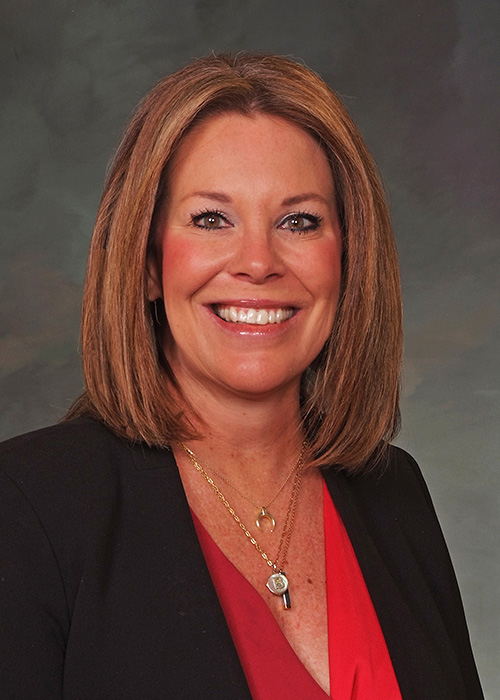
Lorena García
100% support rate
Top opponent
Lisa Frizell
8% support rate
Ranked legislators
10
5 support · 5 oppose
Key legislators

Who's moving education in Colorado

Legislators moving education in Colorado
Legislator Party Stance Support rate Votes
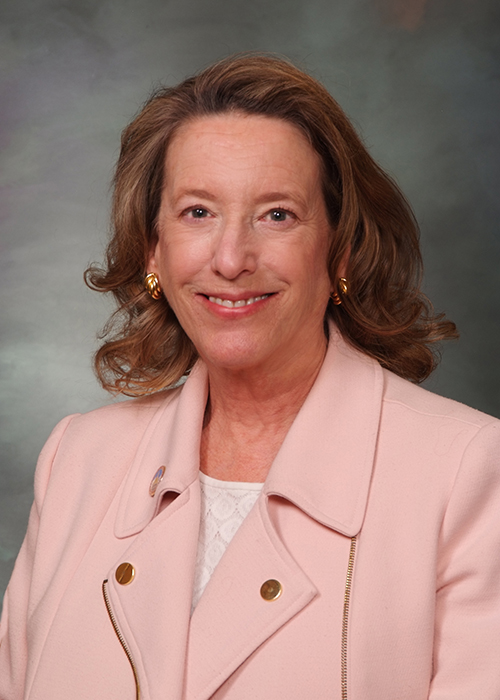
LG
Lorena García House · District 35
D
Strong +
100% 20
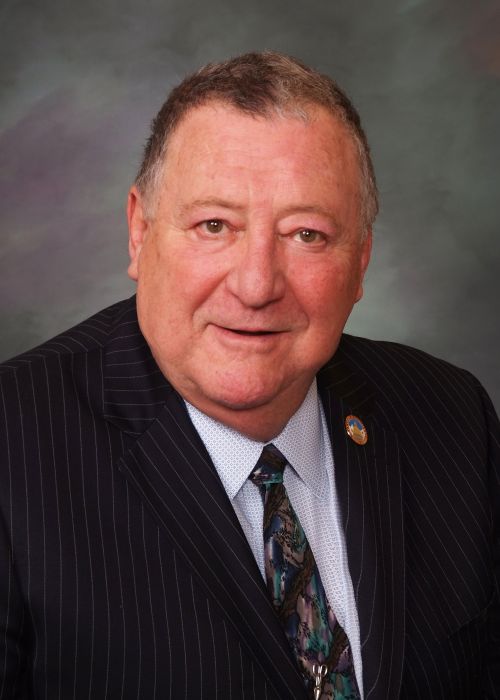
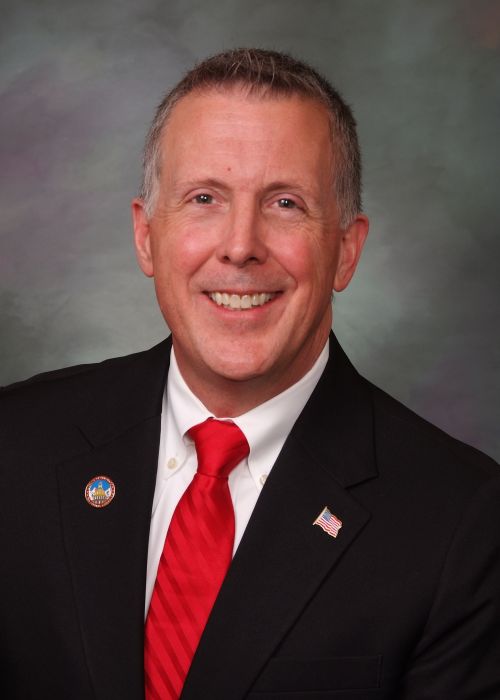
Marc Snyder
Marc Snyder Senate · District 12
D
Strong +
100% 13
Regina English
Regina English House · District 17
D
Strong +
94% 85
Rebekah Stewart
Rebekah Stewart House · District 30
D
Strong +
93% 106
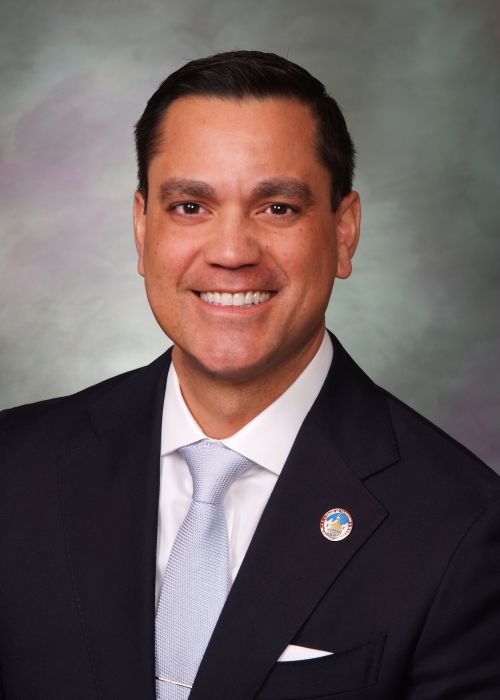
Sean Camacho
Sean Camacho House · District 6
D
Strong +
93% 102
Lisa Frizell
Lisa Frizell Senate · District 2
R
Strong −
8% 18
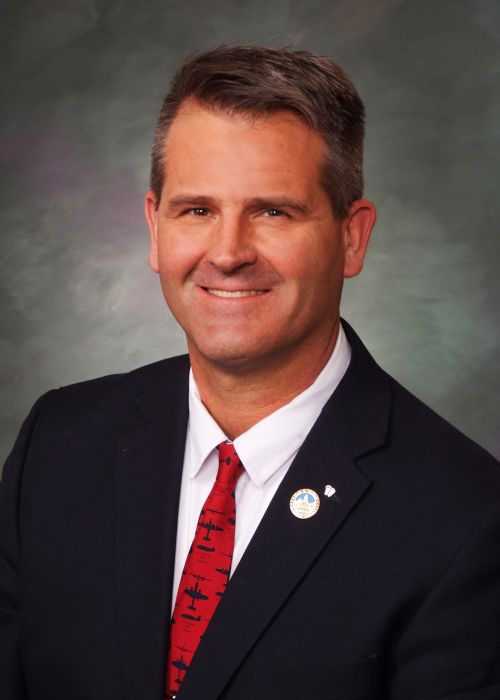
Ken DeGraaf
Ken DeGraaf House · District 22
R
Strong −
9% 84
Scott Bottoms
Scott Bottoms House · District 15
R
Strong −
10% 118
Brandi Bradley
Brandi Bradley House · District 39
R
Strong −
13% 111
Max Brooks
Max Brooks House · District 45
R
Strong −
15% 108
Showing 31–40 of 57 bills

All education bills

signed · Colorado · House Jun 3, 2026

HB 1193: Vision Tests for Pre-Kindergarten Students

The act requires that school districts test the vision of students in pre-kindergarten, in addition to testing the vision of students in kindergarten and the first, second, third, fifth, seventh, and ninth grades.     The act updates terminology by replacing the word 'sight' with the word 'vision'.(Note: This summary applies to this bill as enacted.)
in committee · Colorado · House Apr 23, 2026

HB 1264: Safety Program for Students & Others at Public School

The bill requires public schools to provide information to staff, students, and parents or guardians about the safe2tell program. School districts and charter schools are required to create written policy regarding safety reports and other policies related to student safety.The department of public safety is required to create a model message relating to the safe storage of firearms, preventing youth access to firearms, cybersecurity, and online safety. A school district shall annually distribute the model message to families.(Note: This summary applies to this bill as introduced.)
signed · Colorado · House Mar 12, 2026

HB 1153: Department of Education Supplemental

The 2025 general appropriations act is amended to balance and make adjustments to the total amount appropriated to the department of education. The general fund portion of the appropriation is decreased, and the cash funds, reappropriated funds, and federal funds portions are increased.     Amends House Bill 25-1278, concerning modifications to the statewide education accountability system, to further appropriate the amount appropriated to the department to implement the act to the 2026-27 fiscal year.     Amends Senate Bill 25-214, concerning reimbursements for eligible meals provided through the healthy school meals for all program, to transfer the appropriation for the healthy school meals for all program from the cash funds to a fund created in the healthy school meals for all program statute. The amount for school meal reimbursements is increased.(Note: This summary applies to this bill as enacted.)
signed · Colorado · House Apr 20, 2026

HB 1090: Teacher Licensing Requirements

The act requires that an applicant for a teacher license disclose misdemeanor convictions that occurred in the last 7 years, except traffic misdemeanors, unless:The misdemeanor was committed against an at-risk person or a child; or The department of education has specified that the misdemeanor is grounds for denial, annulment, suspension, or revocation of a license, certificate, endorsement, or authorization.     The act requires that an applicant for a teacher license disclose any misdemeanor conviction in the 2 above categories, regardless of the date of conviction.(Note: This summary applies to this bill as enacted.)
Sub-Topics Teachers
signed · Colorado · House Jun 1, 2026

HB 1141: Discriminatory Practices in Public Schools

The act clarifies that an educational institution denies a person the full and equal enjoyment of a place of public accommodation when the educational institution:On the basis of a protected class, excludes a student from participation in, denies a student the benefits of, or otherwise subjects a student to discrimination in any of the educational institution's programs or activities;Denies educational services, benefits, or opportunities to a student or group of students by treating them differently from a similarly situated student who is, or group of students who are, part of a different subgroup of students within the same protected class; orHas actual notice that a hostile environment based on a protected class exists at the educational institution but fails to take prompt and effective steps reasonably calculated to eliminate the hostile environment, end the harassment that gave rise to the hostile environment, and prevent the harassment from recurring.     The act adds pregnancy and parental status as characteristics that may constitute a protected class for the purpose of 'harassment or discrimination' at an elementary or secondary public school.     The act requires each public institution of higher education (institution) to designate an individual to serve as the Title VI coordinator for the institution. The Title VI coordinator is responsible for ensuring the institution's compliance with the requirements of Title VI of the federal 'Civil Rights Act of 1964', enforcing the institution's Title VI grievance procedures, identifying institutional issues related to Title VI compliance, and aggregating and making publicly available data about alleged violations of Title VI at the institution.(Note: This summary applies to this bill as enacted.)
Sub-Topics K-12 Education
signed · Colorado · Senate Jun 2, 2026

SB 103: At-Risk Public School Program & Public School Accountability

The act requires school districts and charter schools to adopt, implement, and post on their websites an achieving community commitment to equitable school success (ACCESS) policy, on or before July 1, 2027, that directs resources and supports toward at-risk students. The act describes what the required policy may include, such as partnerships with community organizations, wraparound services, after-school programs, and tutoring.     School districts and charter schools that are participating in a performance, improvement, priority improvement, or turnaround plan that directs resources and supports to at-risk students satisfies the ACCESS policy requirements and shall post the plan on the school or school district's website.(Note: This summary applies to this bill as enacted.)
in committee · Colorado · House Apr 30, 2026

HB 1292: Scholarship Granting Organizations

If the state voluntarily elects to participate in a federal program that provides a tax credit for a qualified contribution to a scholarship granting organization, the bill requires the state to include all eligible scholarship granting organizations on its list identifying scholarship granting organizations to the federal government.If a school enrolls a student whose education-related expenses are paid, in whole or in part, by a scholarship granting organization, the bill requires the school to comply with nondiscrimination requirements and laws concerning students with disabilities.If the school that is subject to these requirements violates a requirement, the school is subject to an injunction and may have its eligibility to receive money for a student whose education-related expenses are paid by a scholarship granting organization suspended.(Note: This summary applies to this bill as introduced.)
signed · Colorado · Senate Apr 20, 2026

SB 126: Licensure for Experienced Out-of-State Teachers

The act allows the state department of education (CDE) to issue a professional teacher license to a teacher with at least 3 years of successful teaching experience in another state or country for which CDE has granted reciprocity. The act eliminates the requirement that an applicant have the successful teaching experience within the previous 7 years.     The act creates a temporary licensing process for teachers from states that participate in the 'Interstate Teacher Mobility Compact' (Compact). The process requires that CDE:Issue an initial teacher license within 30 days of receiving a complete teacher license application from a person licensed by a Compact state when the applicant passes a criminal history record check and holds an unencumbered eligible license issued by a Compact state that is equivalent to an eligible license in Colorado; and Publish an annual table showing how out-of-state licenses correspond to Colorado endorsement areas.     The act repeals the temporary licensing process when CDE begins issuing licenses pursuant to the Compact.(Note: This summary applies to this bill as enacted.)
Sub-Topics Teachers
signed · Colorado · House Jun 3, 2026

HB 1143: Non-Employment Educational Opportunities Background Check Information

The act requires an entity that requires an individual to provide a social security number for a background check for a non-employment-based educational opportunity to accept an individual's taxpayer identification number in lieu of a social security number, including in clinical educational experiences for health-related academic programs, subject to certain exceptions.     A licensed or certified hospital or covered school, or a state institution of higher education or local district college that offers a non-employment-based educational opportunity that involves work with a vulnerable population, shall accept either an applicant's taxpayer identification number or a fingerprint-based background check in lieu of a social security number.     An applicant for a non-employment-based educational opportunity that involves work with a vulnerable population at a licensed or certified hospital or covered school, or a state institution of higher education or local district college, is permitted to have their fingerprints taken by a local law enforcement agency or an entity approved by the Colorado bureau of investigation for taking fingerprints for the purpose of a background check. A licensed or certified hospital or covered school, or state institution of higher education or local district college, must determine who pays the fee for the fingerprint-based background check.     The attorney general is authorized to bring a civil action to enforce the provisions of the act. An entity that violates this act is subject to a civil penalty of $2,000 for the first violation and $5,000 for each subsequent violation.(Note: This summary applies to this bill as enacted.)
Sub-Topics Higher Education
signed · Colorado · House Jun 1, 2026

HB 1299: Reducing Regulatory Burden on Education Providers

The act requires the Colorado bureau of investigation to transmit a list of missing children to the Colorado department of education (department) instead of each school district and requires the department to notify the bureau if the department's list of enrolled students includes information about a missing child.     The act repeals the requirement for a school district, board of cooperative services, district charter school, or institute charter school to have paper and pencil assessment policies for state-administered assessments in public schools.     The act allows a school district or a charter school network with 1,200 students or fewer to submit a single plan to satisfy school district, school network, or school accreditation plan requirements.     The act prohibits the department from representing as mandatory a voluntary data collection request to a school district, the state charter school institute, or a public school and prohibits the department from conditioning any benefit unrelated to a specific grant on the completion of a voluntary data collection request.(Note: This summary applies to this bill as enacted.)
Showing 31 to 40 of 57 bills
Previous 1 3 4 5 6 Next