Issue · Labor & Employment

Labor & Employment (Labor Standards)

Every labor & employment bill, vote, and legislator stance in California, automatically classified by Maddy, our AI policy reader.

Total bills
60
2025-2026 Regular Session
Top supporter
María Elena Durazo
100% support rate
Top opponent
Tony Strickland
0% support rate
Ranked legislators
10
5 support · 5 oppose
Key legislators

Who's moving labor standards in California

Legislators moving labor standards in California
Legislator Party Stance Support rate Votes
ME
María Elena Durazo Senate · District 26
D
Strong +
100% 63
John Laird
John Laird Senate · District 17
D
Strong +
100% 61
Aisha Wahab
Aisha Wahab Senate · District 10
D
Strong +
100% 56
Dave Cortese
Dave Cortese Senate · District 15
D
Strong +
100% 54
Lola Smallwood-Cuevas
Lola Smallwood-Cuevas Senate · District 28
D
Strong +
100% 53
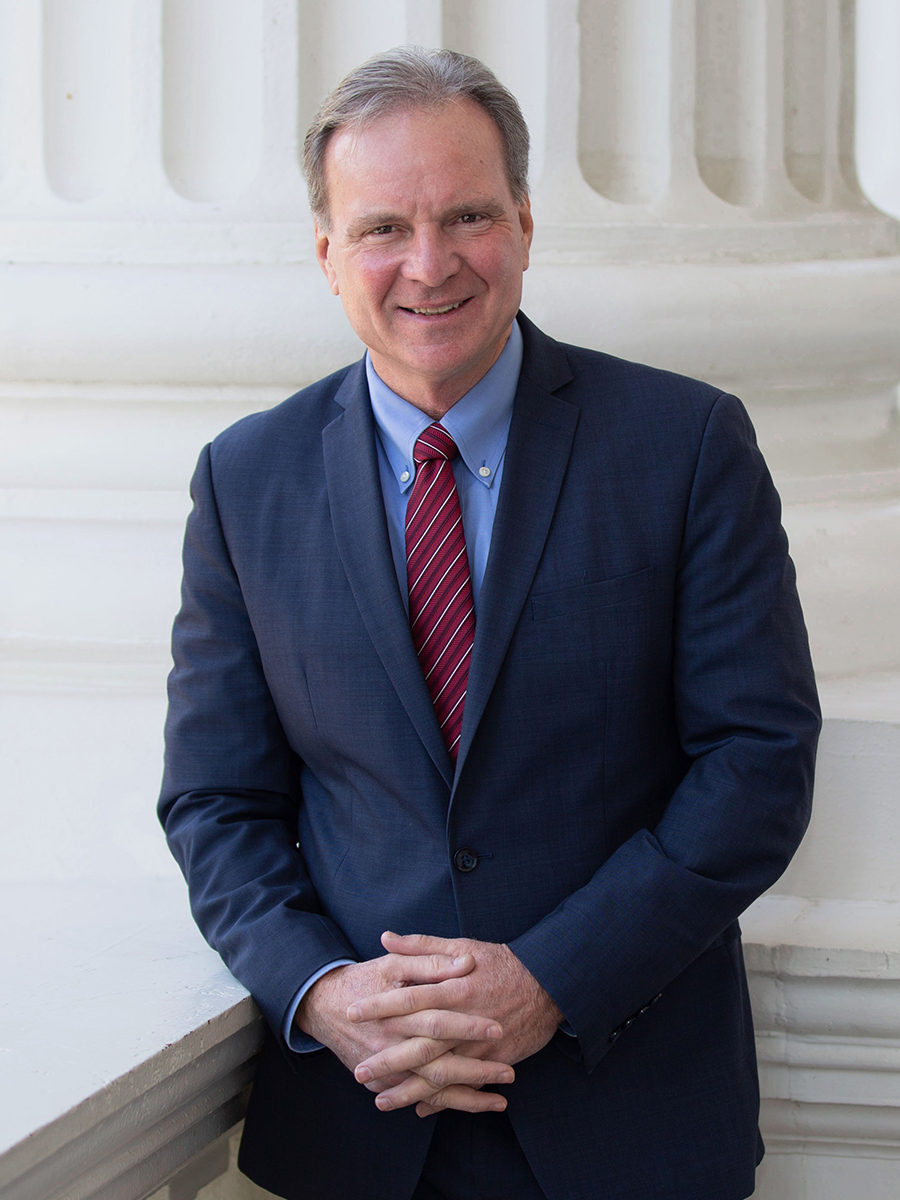
Tony Strickland
Tony Strickland Senate · District 36
R
Strong −
0% 53
Kelly Seyarto
Kelly Seyarto Senate · District 32
R
Strong −
0% 51
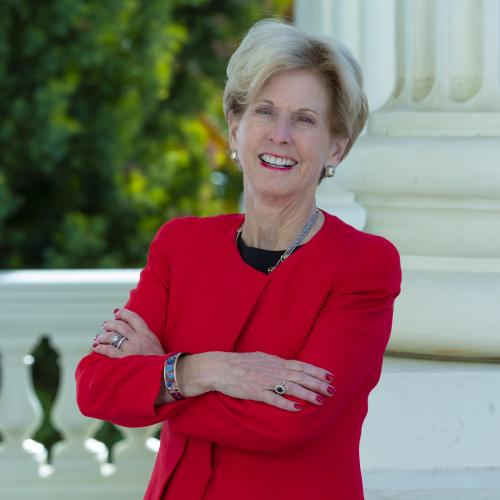
Diane Dixon
Diane Dixon House · District 72
R
Strong −
0% 40
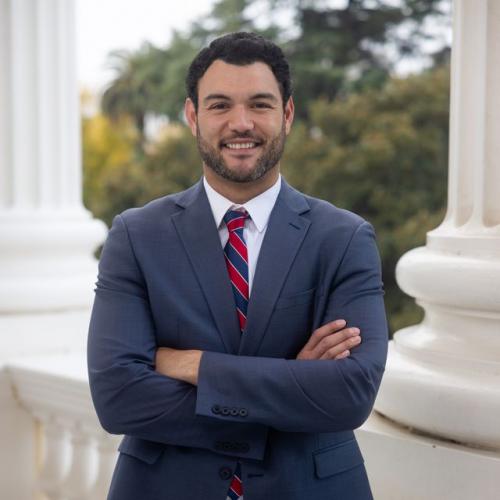
David Tangipa
David Tangipa House · District 8
R
Strong −
0% 32
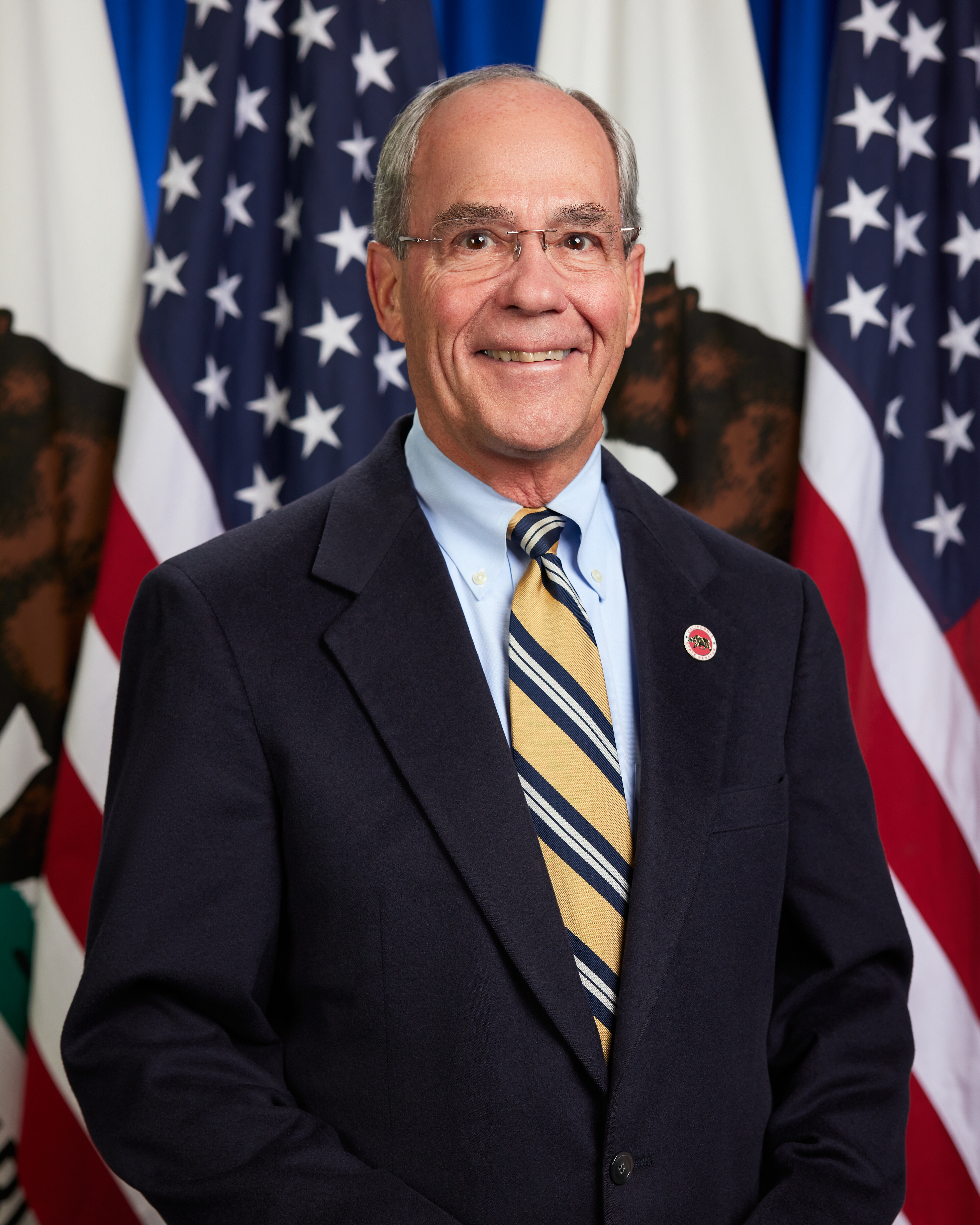
Roger Niello
Roger Niello Senate · District 6
R
Strong −
0% 31
Showing 41–50 of 60 bills

All labor & employment bills

failed · California · Assembly Feb 2, 2026

AB 504: Worker classification: employees and independent contractors: licensed manicurists.

Existing law requires a 3-part test, commonly known as the "ABC" test, to determine if workers are employees or independent contractors for purposes of the Labor Code, the Unemployment Insurance Code, and the wage orders of the Industrial Welfare Commission. Under the ABC test, a person providing labor or services for remuneration is considered an employee rather than an independent contractor unless the hiring entity demonstrates that the person is free from the control and direction of the hiring entity in connection with the performance of the work, the person performs work that is outside the usual course of the hiring entity's business, and the person is customarily engaged in an independently established trade, occupation, or business. Existing law charges the Labor Commissioner with the enforcement of labor laws, including worker classification. Existing law exempts specified occupations and business relationships from the application of the ABC test described above. Existing law, instead, provides that these exempt relationships are governed by the multifactor test previously adopted in the case of S. G. Borello & Sons, Inc. v. Department of Industrial Relations (1989) 48 Cal.3d 341. These exemptions include services provided by a licensed manicurist, subject to the manicurist meeting specified conditions. Existing law makes this exemption for licensed manicurists inoperative on January 1, 2025. This bill would delete the January 1, 2025, inoperative date, thereby making licensed manicurists subject to this exemption indefinitely.
failed · California · Senate Feb 2, 2026

SB 565: Employee housing: H-2A agricultural workers: inspections.

Existing federal law governing immigration authorizes the importation of an alien as a nonimmigrant agricultural worker, known as an H-2A worker, if specified requirements are met, including that the employer furnish housing, as provided. Existing state law, the Employee Housing Act, requires a person operating employee housing, as defined, to obtain a permit to operate that housing from the agency that enforces the act, which can either be the Department of Housing and Community Development or a city, county, or city and county that assumes responsibility for enforcing the act. The act requires the enforcement agency to annually enter and inspect all employee housing for compliance with the act, as provided. This bill would require, for employee housing that houses an H-2A worker, the enforcement agency to conduct the above-described inspection in person, as defined, and to post the results of that inspection on its internet website. The bill would prohibit a person operating employee housing that houses an H-2A worker from receiving a permit to operate employee housing without passing that inspection. The California Constitution requires the state to reimburse local agencies and school districts for certain costs mandated by the state. Statutory provisions establish procedures for making that reimbursement. This bill would provide that no reimbursement is required by this act for a specified reason.
Sub-Topics Labor Standards
failed · California · Assembly Feb 2, 2026

AB 1442: Essential Worker Commission.

Existing law establishes the Labor and Workforce Development Agency, consisting of various offices and entities, including the office of the Secretary of Labor and Workforce Development, the Agricultural Labor Relations Board, and the California Workforce Development Board. This bill would establish the Essential Worker Commission within the Labor and Workforce Development Agency, to review, investigate, and analyze issues relating to essential workers in the state, including workplace safety and health protections and wages and benefits for undocumented workers. The bill would require the Essential Worker Commission, based on that review, investigation, and analysis, to establish the Essential Worker Legal Work Program to provide essential workers with legal pathways to remain in California and work lawfully.
failed · California · Senate Feb 2, 2026

SB 801: Agricultural workers: wages, hours, and working conditions: definitions.

Existing law sets wage, hour, meal break requirements, and other working conditions for employees and requires an employer to pay overtime wages to an employee who works in excess of a workday or workweek. Existing law establishes the Department of Industrial Relations and provides that one of its functions is to foster, promote, and develop the welfare of the wage earners of California, to improve their working conditions, and to advance their opportunities for profitable employment. Existing law establishes specific labor protections for sheepherders and goat herders, as defined, relating to wages, meal and rest periods, lodging, and other conditions of employment. Existing law imposes civil penalties, as prescribed, for violations of these provisions. Existing law, the Phase-In Overtime for Agricultural Workers Act of 2016, establishes a schedule that phases in overtime requirements for persons employed in an agricultural occupation, as defined. The act, beginning January 1, 2022, among other things, requires that any work performed by a person employed in an agricultural occupation in excess of 12 hours per day be compensated at a rate of no less than twice the employee's regular rate of pay. Existing law requires the Department of Industrial Relations to update a specific wage order of the Industrial Welfare Commission governing agricultural occupations to be consistent with the act, except in specified circumstances in which the existing wage order offers greater protections. The act defines the term "employed in an agricultural occupation" for these purposes as having the same meaning as in that wage order. For purposes of the Phase-In Overtime for Agricultural Workers Act of 2016, this bill would create an exception from the above-described definition for sheepherders or goat herders, as defined in that order.
Sub-Topics Labor Standards
failed · California · Assembly Feb 2, 2026

AB 1221: Workplace surveillance tools.

Existing law establishes the Division of Labor Standards Enforcement within the Department of Industrial Relations. Existing law authorizes the division, which is headed by the Labor Commissioner, to enforce the Labor Code and all labor laws of the state, the enforcement of which is not specifically vested in any other officer, board, or commission. This bill would generally regulate the use of workplace surveillance tools and an employer's use of worker data. The bill would, among other things, require an employer, at least 30 days before introducing a workplace surveillance tool, to provide a worker who will be affected a written notice that includes, among other things, a description of the worker data to be collected, the intended purpose of the workplace surveillance tool, and how this form of worker surveillance is necessary to meet that purpose. The bill would define "employer" to include public employers, as specified. The bill would prohibit an employer from transferring, selling, disclosing, or licensing worker data to a vendor, unless the vendor is under contract to analyze or interpret the worker data and the contract includes certain terms. The bill would prohibit an employer from using certain workplace surveillance tools, including a workplace surveillance tool that incorporates facial, gait, or emotion recognition technology, except as specified. The bill would also prohibit an employer from using a workplace surveillance tool to infer specified categories of information about a worker, including, among others, their immigration status, veteran status, ancestral history, religious or political beliefs, disability status, criminal record, or credit history. The bill would require the Labor Commissioner to enforce the bill's provisions, would authorize an employee to bring a civil action for specified remedies for a violation of the bill's provisions, and would authorize a public prosecutor to enforce the provisions. The bill would subject an employer who violates the bill's provisions to a civil penalty of $500 for each violation. The bill would define various terms for purposes of its provisions.
failed · California · Senate Feb 2, 2026

SB 469: Department of Industrial Relations: task force: public infrastructure: employment: underrepresented communities.

Existing law creates in the Labor and Workforce Development Agency the Department of Industrial Relations to foster, promote, and develop the welfare of wage earners of California, to improve their working conditions, and to advance their opportunities for profitable employment. This bill would require the department to establish the California Public Infrastructure Task Force, composed of representatives of specified agencies to promote employment in public infrastructure projects for underrepresented communities and to provide compliance assistance to contractors and subcontractors in public infrastructure projects regarding their nondiscrimination obligations, as specified.
passed · California · Senate Jul 1, 2026

SB 238: Workplace surveillance tools.

Existing law establishes the Department of Industrial Relations in the Labor and Workforce Development Agency to administer and enforce various laws relating to employment and working conditions. This bill would require a business, as defined, to annually provide a notice to the department of all the workplace surveillance tools the employer is using in the workplace. The bill would require the notice to include, among other information, a list of the workplace surveillance tools being used that surveil employees and the categories of information being collected on employees by the workplace surveillance. The bill would also require a business to send the notice to employees and any union that represents employees of the business. The bill would make a business that violates these provisions subject to a civil penalty of $500 per violation. This bill would require the department to submit a report to the Legislature by January 1, 2029, compiling the above-described notices provided by businesses. The bill would require that the report include, among other requirements, a breakdown of notices by industry type.
signed · California · Senate Jul 10, 2025

SJR 2: Relative to classified workers.

This measure would urge President Donald J. Trump and the Congress of the United States to approve federal legislation guaranteeing specified rights to classified workers that would, among other things, empower those workers to work in a stable, safe environment and receive livable and competitive wages, as provided.
Sub-Topics Labor Standards
passed · California · Assembly Aug 30, 2026

AB 1331: Workplace surveillance.

Existing law establishes the Division of Labor Standards Enforcement within the Department of Industrial Relations. Existing law authorizes the division, which is headed by the Labor Commissioner, to enforce the Labor Code and all labor laws of the state the enforcement of which is not specifically vested in any other officer, board, or commission. This bill would limit the use of workplace surveillance tools, as defined, by employers, including by prohibiting an employer from monitoring or surveilling employees in a bathroom located in the workplace, except as specified. The bill would provide an employee with the right to leave behind workplace surveillance tools that are on their person or in their possession when entering a bathroom, except as specified. This bill would authorize the commissioner to enforce the bill's provisions, as prescribed, and would authorize a public prosecutor to bring specified enforcement actions. The bill would subject an employer who violates the bill to a civil penalty of up to $500 for each violation. The bill would include findings that changes proposed by this bill address a matter of statewide concern rather than a municipal affair and, therefore, apply to all cities, including charter cities.
Sub-Topics Labor Standards
passed · California · Assembly Aug 29, 2025

AB 1251: Job postings.

Existing law establishes the Division of Labor Standards Enforcement, under the direction of the Labor Commissioner, within the Department of Industrial Relations to enforce various labor laws. Existing law requires certain employers to disclose certain salary information in job postings. This bill would require a private employer who publicly advertises a job posting to include in the posting a statement disclosing whether the posting is for a vacancy for the advertised position or not, as specified.
Sub-Topics Labor Standards
Showing 41 to 50 of 60 bills
Previous 1 4 5 6 Next