Issue · Labor & Employment

Labor & Employment (Labor Standards)

Every labor & employment bill, vote, and legislator stance in California, automatically classified by Maddy, our AI policy reader.

Total bills
60
2025-2026 Regular Session
Top supporter
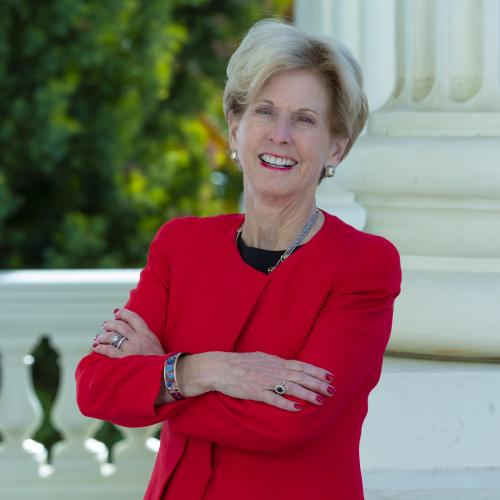
María Elena Durazo
100% support rate
Top opponent
Tony Strickland
0% support rate
Ranked legislators
10
5 support · 5 oppose
Key legislators

Who's moving labor standards in California

Legislators moving labor standards in California
Legislator Party Stance Support rate Votes
ME
María Elena Durazo Senate · District 26
D
Strong +
100% 63
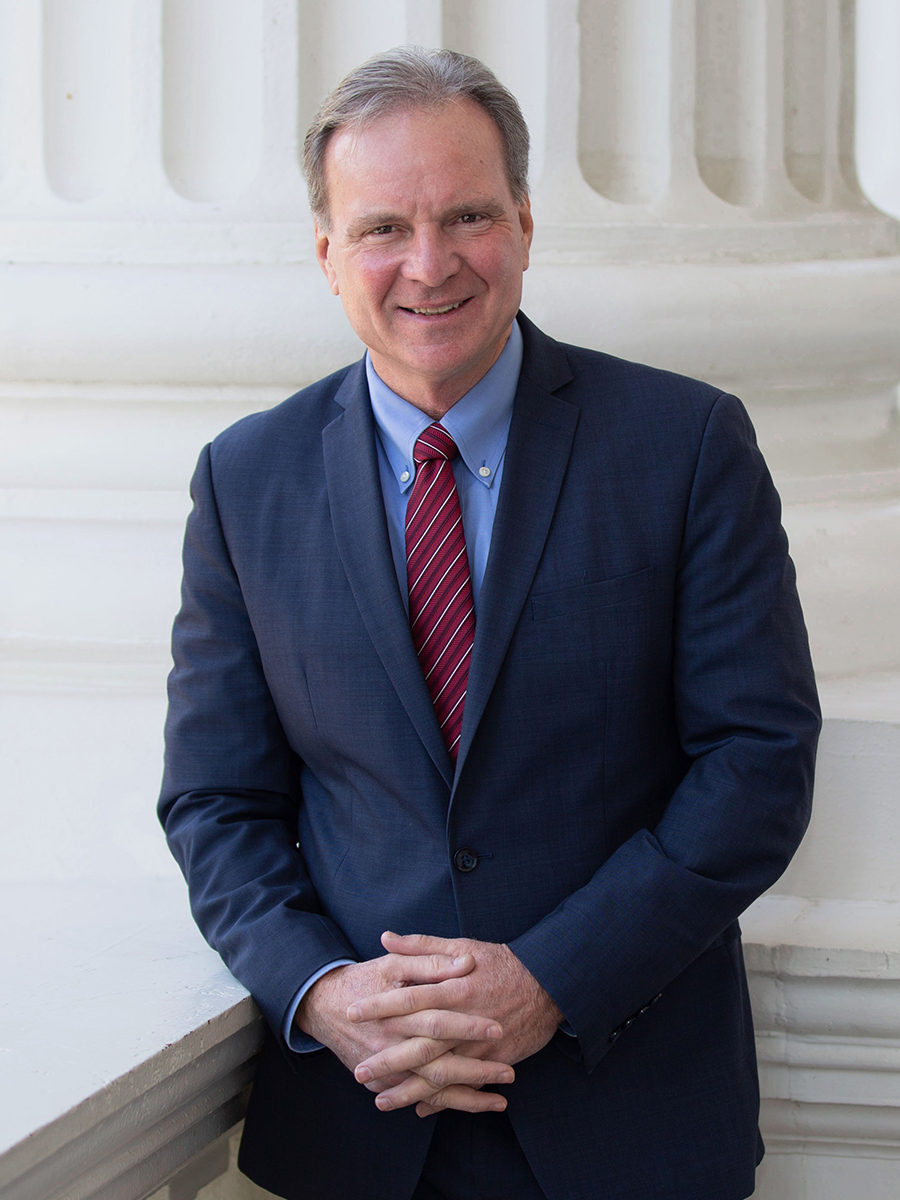
John Laird
John Laird Senate · District 17
D
Strong +
100% 61
Aisha Wahab
Aisha Wahab Senate · District 10
D
Strong +
100% 56
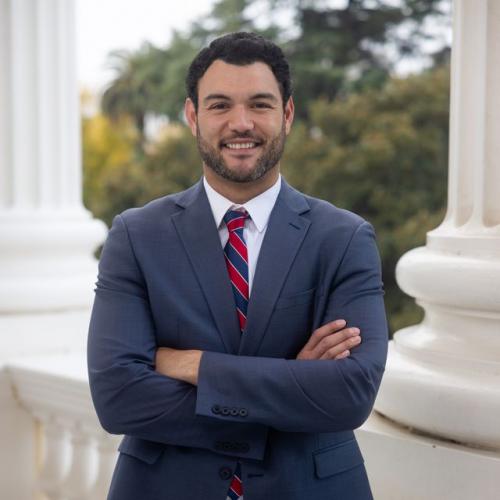
Dave Cortese
Dave Cortese Senate · District 15
D
Strong +
100% 54
Lola Smallwood-Cuevas
Lola Smallwood-Cuevas Senate · District 28
D
Strong +
100% 53
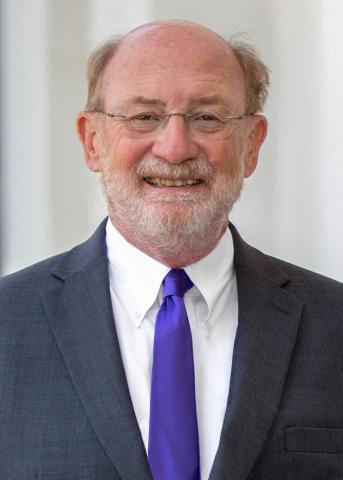
Tony Strickland
Tony Strickland Senate · District 36
R
Strong −
0% 53
Kelly Seyarto
Kelly Seyarto Senate · District 32
R
Strong −
0% 51
Diane Dixon
Diane Dixon House · District 72
R
Strong −
0% 40
David Tangipa
David Tangipa House · District 8
R
Strong −
0% 32
Roger Niello
Roger Niello Senate · District 6
R
Strong −
0% 31
Showing 1–10 of 60 bills

All labor & employment bills

in committee · California · Assembly Mar 2, 2026

AB 1992: Labor Code Private Attorneys General Act of 2004: notice and cure: filing fees.

The Labor Code Private Attorneys General Act of 2004 (PAGA) authorizes an aggrieved employee, as defined, to bring a civil action on behalf of that employee, and other current or former employees against whom a violation of the same provision of the Labor Code was committed, to enforce a violation of any provision of the Labor Code that provides for a civil penalty to be assessed and collected by the Labor and Workforce Development Agency, as specified, pursuant to certain notice and cure provisions, as prescribed. Before a civil action alleging certain violations of the Labor Code by an aggrieved employee pursuant to PAGA commences, PAGA requires the aggrieved employee or representative to give written notice by online filing with the Labor and Workforce Development Agency and by certified mail to the employer of the specific provisions of the Labor Code alleged to have been violated, including the facts and theories to support the alleged violation, and requires that notice and any response to that notice by the employer to be accompanied by a filing fee of $75, as specified. This bill would exempt a nonprofit organization exempt from federal income taxation pursuant to Section 501(c) (3) of the Internal Revenue Code of 1986 from the requirement to pay those filing fees.
in committee · California · Assembly Mar 2, 2026

AB 2070: Employees: meal periods: construction industry.

Existing law generally prohibits an employer from employing an employee for a work period of more than 5 hours per day without providing the employee with a meal period of not less than 30 minutes, except as specified. Existing law also prohibits an employer from employing an employee for a work period of more than 10 hours per day without providing the employee with a 2nd meal period, as prescribed. Existing law creates exceptions from these work limits for employees in specified occupations, including those in a construction occupation, as defined, covered by a valid collective bargaining agreement expressly providing for wages, hours of work, and working conditions. Existing law also authorizes the Industrial Welfare Commission to adopt a working condition order permitting a meal period to commence after 6 hours of work if it determines that the order is consistent with the health and welfare of the affected workers. Existing law charges the Labor Commissioner with enforcement of these provisions. This bill would create an exception from the above-described work period limits for an employee in a construction occupation while the employee is on the jobsite, as specified.
in committee · California · Assembly May 14, 2026

AB 2511: Behavioral Health Provider Comparable Worth Study.

Existing law establishes the Department of Industrial Relations in the Labor and Workforce Development Agency and provides that one of the functions of the department is to foster, promote, and develop the welfare of the wage earners of California, to improve their working conditions, and to advance their opportunities for profitable employment. This bill would require the department, in consultation with the Department of Managed Health Care, the Department of Insurance, the Department of Health Care Access and Information, and the Office of Health Care Affordability, to conduct a comparable worth study to examine and compare compensation and reimbursement for behavioral health providers with compensation and reimbursement for similarly situated medical-surgical providers. The bill would require the study to analyze compensation and reimbursement across specified payment flows, including payments made by health care service plans and health insurers directly to behavioral health providers and medical-surgical providers, and payments made to intermediaries and health systems for behavioral health services and medical-surgical services. The bill would require the department to take certain actions in conducting the study, including developing a methodology for determining which behavioral health provider roles are comparable to which medical-surgical provider roles. The bill would require a health care service plan or health insurer to report certain data to the department with respect to payments made directly to providers and payments made to intermediaries and health systems. The bill would also require specified intermediaries and health systems to report certain data to the department relating to payments received and payments made. The bill would make an entity that fails to comply with the reporting requirements subject to civil penalty, as prescribed. The bill would require the department and the other state entities listed above to protect the confidentiality of any propriety or commercially sensitive information submitted pursuant to the bill, as provided. The bill would require the department, on or before January 1, 2028, to submit a report to the Legislature containing the findings of the study. Existing constitutional provisions require that a statute that limits the right of access to the meetings of public bodies or the writings of public officials and agencies be adopted with findings demonstrating the interest protected by the limitation and the need for protecting that interest. This bill would make legislative findings to that effect.
in committee · California · Assembly Apr 27, 2026

AB 2336: Personal Income Tax Law: exclusions from income: retirement: overtime.

The Personal Income Tax Law, in modified conformity with federal income tax laws, defines "gross income" as income from whatever source derived, except as specifically excluded, and provides various exclusions from gross income. This bill would, for taxable years beginning on or after January 1, 2026, and before January 1, 2031, exclude from gross income the first $25,000 of overtime pay received by a taxpayer during the taxable year. The bill would also exclude from gross income the first $25,000 received by a taxpayer as proceeds from a defined benefit plan, as defined. Existing law requires any bill authorizing a new tax expenditure to contain, among other things, specific goals that the tax expenditure will achieve, detailed performance indicators, and data collection requirements. This bill also would include additional information required for any bill authorizing a new tax expenditure. This bill would take effect immediately as a tax levy.
passed · California · Assembly Aug 13, 2026

AB 1859: Public works.

Existing law requires that, except as specified, not less than the general prevailing rate of per diem wages be paid to workers employed on public works. Existing law defines "public works," for the purposes of regulating public works contracts as, among other things, construction, alteration, demolition, installation, or repair work done under contract and paid for, in whole or in part, out of public funds. Existing law makes any officer, agent, or representative of the state or of any political subdivision who willfully violates specified provisions, including providing notice of certain public works projects, as specified, to the Department of Industrial Relations, guilty of a misdemeanor. Existing law requires the Labor Commissioner to investigate allegations that a contractor or subcontractor violated the law regulating public works projects, including the payment of prevailing wages. Existing law requires each contractor and subcontractor on a public works project to keep accurate payroll records, showing the name, address, social security number, work classification, straight time and overtime hours worked each day and week, and the actual per diem wages paid to each journeyman, apprentice, worker, or other employee employed by the contractor or subcontractor in connection with the public work. This bill would require an awarding body or owner to give reasonable access, as defined, to representatives of a joint-labor management committee in order to monitor compliance with the prevailing wage and apprenticeship requirements. The bill would authorize an awarding body, owner, contractor, or subcontractor to deny or revoke access to the committee's representative if the representative fails or refuses to comply with job site safety requirements, as specified. The bill would authorize the committee to bring an action against an awarding body, contractor, or subcontractor that willfully denies the committee's representative reasonable access. The bill would authorize the court to award a civil penalty, not to exceed $1,000, and would require the court to award reasonable attorney's fees and costs to the prevailing party. By expanding the definition of a crime, this bill would impose a state-mandated local program. The California Constitution requires the state to reimburse local agencies and school districts for certain costs mandated by the state. Statutory provisions establish procedures for making that reimbursement. This bill would provide that no reimbursement is required by this act for a specified reason.
in committee · California · Senate May 14, 2026

SB 1132: Workforce development: workplace rights training.

Existing law establishes the California Workforce Development Board as the body responsible for assisting the Governor in the development, oversight, and continuous improvement of California's workforce investment system and the alignment of the education and workforce investment systems to the needs of the 21st century economy and workforce. Existing law requires the board to assist the Governor in specified activities for this purpose. Existing law requires each local workforce development board to develop and submit to the Governor a comprehensive 4-year local plan and to establish at least one full service one-stop career center, as specified. This bill would require the California Workforce Development Board to develop a workplace rights curriculum in partnership with subject matter experts and would require the local boards to ensure provision of a workplace rights training consistent with that curriculum to individuals receiving services through the California workforce system. The bill would require each local plan to include a description of how the local board plans to comply with this training requirement. The bill would state the intent of the Legislature to provide this training to individuals receiving services through the one-stop system, as specified. The bill would require the California Workforce Development Board, in partnership with the Employment Development Department and the Labor and Workforce Development Agency, to ensure local compliance with these provisions. By imposing new requirements on local workforce development boards, this bill would impose a state-mandated local program. The California Constitution requires the state to reimburse local agencies and school districts for certain costs mandated by the state. Statutory provisions establish procedures for making that reimbursement. This bill would provide that, if the Commission on State Mandates determines that the bill contains costs mandated by the state, reimbursement for those costs shall be made pursuant to the statutory provisions noted above.
passed both · California · Assembly Aug 26, 2026

AB 2078: Employees: meal periods: stationary engineers.

Existing law generally prohibits an employer from employing an employee for a work period of more than 5 hours per day without providing the employee with a meal period of not less than 30 minutes. Existing law creates exceptions from this prohibition for employees in specified occupations, including employees of an electrical corporation, a gas corporation, a water corporation, or a local publicly owned electric utility covered by a valid collective bargaining agreement meeting certain conditions. Existing law charges the Labor Commissioner with enforcement of these provisions. This bill would also create an exception from the above-described prohibition for employees who perform building maintenance work as a stationary engineer, as defined, covered by a valid collective bargaining agreement meeting certain conditions.
in committee · California · Assembly Mar 19, 2026

AB 1870: Private Attorneys General Act: penalties: reduction.

The Labor Code Private Attorneys General Act of 2004 authorizes an aggrieved employee, as defined, to bring a civil action on behalf of that employee, and other current or former employees against whom a violation of the same provision of the Labor Code was committed, to enforce a violation of any provision of the Labor Code that provides for a civil penalty to be assessed and collected by the Labor and Workforce Development Agency, as specified, pursuant to certain notice and cure provisions, as prescribed. In a civil action under the act, existing law caps the civil penalty that may be recovered at 15%, if, prior to receiving the notice of violation, or prior to receiving a certain request for records from the aggrieved employee or the employee's counsel, the employer has taken all reasonable steps to be in compliance with all provisions identified in the notice, as specified. Similarly, existing law caps the civil penalty at 30% if within 60 days of receiving the notice of violation, the employer has taken all reasonable steps to prospectively be in compliance with all provisions identified in the notice. The act requires an evaluation of whether the employer's conduct was reasonable to be based on a totality of the circumstances. This bill would specify certain practices that may support a finding that the employer took all reasonable steps. Notwithstanding the above-described totality of the circumstances evaluation requirement, the bill would create a rebuttable presumption that the employer took all reasonable steps if they comply with specified compliance activities within the 24 months preceding the alleged violation period, provide documentation to the Labor and Workforce Development Agency, and certify under penalty of perjury that the violation has been cured, as specified. By expanding the scope of the existing crime of perjury, this bill would impose a state-mandated local program. The California Constitution requires the state to reimburse local agencies and school districts for certain costs mandated by the state. Statutory provisions establish procedures for making that reimbursement. This bill would provide that no reimbursement is required by this act for a specified reason.
passed both · California · Assembly Aug 25, 2026

AB 2646: Employment: minimum wages: agricultural workers.

Existing law establishes a minimum wage for all industries and imposes criminal penalties for violation of these wage provisions. Existing law authorizes the Labor Commissioner to collect due and unpaid wages or benefits on behalf of workers. Under existing law, the commissioner acts as trustee and deposits collected wages and benefits into the Industrial Relations Unpaid Wage Fund, which is continuously appropriated for the purpose of remitting the collected wages or benefits. This bill would require the minimum hourly wage for an approved agricultural employee and corresponding employee, as defined, to be $19.75 per hour. Commencing January 1, 2027, and each January thereafter, the bill would require the above-described minimum hourly wage to be adjusted by an amount equal to the cost-of-living adjustment for social security benefits, as specified. By expanding the scope of a crime, the bill would impose a state-mandated local program. By increasing the revenue to the Industrial Relations Unpaid Wage Fund, a continuously appropriated fund, and expanding the purposes for which moneys in that fund may be used, the bill would make an appropriation. The California Constitution requires the state to reimburse local agencies and school districts for certain costs mandated by the state. Statutory provisions establish procedures for making that reimbursement. This bill would provide that no reimbursement is required by this act for a specified reason.
in committee · California · Assembly May 14, 2026

AB 2391: Health care: workforce training programs.

Existing law, the Song-Brown Health Care Workforce Training Act, declares the intent of the Legislature to increase the number of students and residents receiving quality education and training in specified primary care specialties and as primary care physician's assistants, primary care nurse practitioners, and registered nurses. This bill would require the Department of Health Care Access and Information to maintain a New Nursing Graduate Support and Placement Program to award program grants to community college associate degree of nursing programs, through which support grants would be awarded to recent graduates for loan repayment assistance, relocation, transportation, housing assistance, childcare, and other financial support. The bill would specify grant eligibility criteria for community colleges and recent graduates. The bill would require the department to consider labor standards of hospital sites that employ support grant applicants when determining grant distribution. Implementation of these provisions would be contingent upon appropriation by the Legislature. This bill would also express the intent of the Legislature to support and strengthen existing programs that train registered nurses under the Song-Brown Health Care Workforce Training Act.
Showing 1 to 10 of 60 bills
1 2 3 6 Next