Issue · Criminal Justice

Criminal Justice (Law Enforcement)

Every criminal justice bill, vote, and legislator stance in California, automatically classified by Maddy, our AI policy reader.

Total bills
68
2025-2026 Regular Session
Top supporter
Tim Grayson
100% support rate
Top opponent
Tri Ta
0% support rate
Ranked legislators
10
5 support · 5 oppose
Key legislators

Who's moving law enforcement in California

Legislators moving law enforcement in California
Legislator Party Stance Support rate Votes
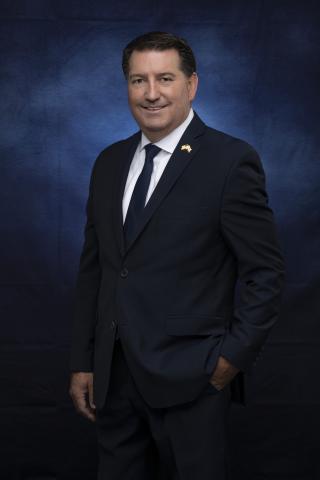
Tim Grayson
Tim Grayson Senate · District 9
D
Strong +
100% 26
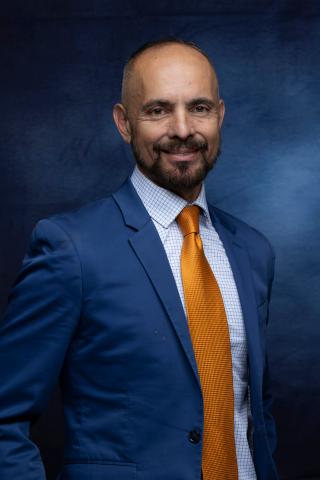
Christopher Cabaldon
Christopher Cabaldon Senate · District 3
D
Strong +
100% 25
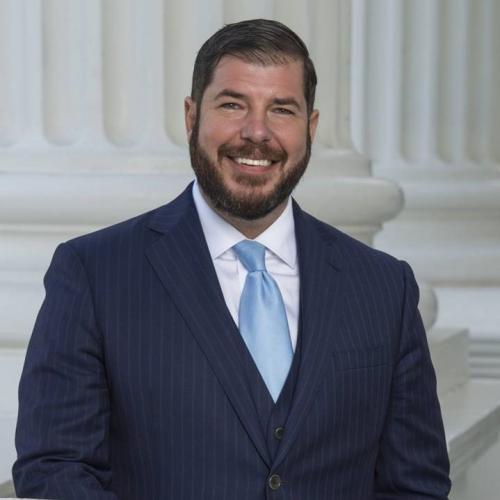
Joaquin Arambula
Joaquin Arambula House · District 31
D
Strong +
100% 24
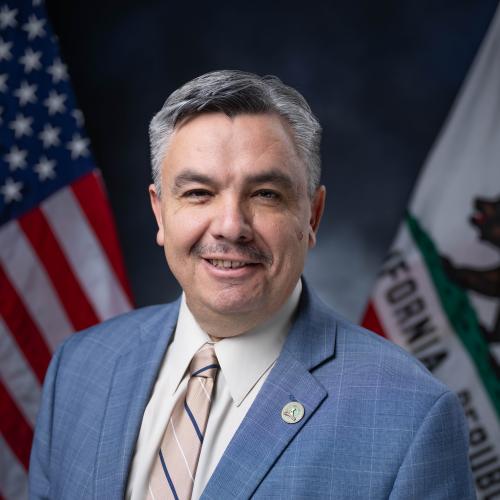
Juan Carrillo
Juan Carrillo House · District 39
D
Strong +
100% 21
ME
María Elena Durazo Senate · District 26
D
Strong +
100% 20
Tri Ta
Tri Ta House · District 70
R
Strong −
0% 27
Phillip Chen
Phillip Chen House · District 59
R
Strong −
0% 19
Steve Choi
Steve Choi Senate · District 37
R
Strong −
0% 19
Suzette Valladares
Suzette Valladares Senate · District 23
R
Strong −
0% 14
Megan Dahle
Megan Dahle Senate · District 1
R
Strong −
4% 25
Showing 1–10 of 68 bills

All criminal justice bills

in committee · California · Senate Aug 11, 2026

SR 138: Relative to the Democratic Socialists of America.

This California Senate resolution formally expresses disagreement with the policy platform of the Democratic Socialists of America, arguing that its proposals would undermine economic growth, fiscal sustainability, and public safety. The bill cites historical examples of socialist governments to support its position that expanding government control over the economy threatens individual liberty and private property rights. It further asserts that DSA advocacy for abolishing police and prisons poses risks to community safety and law and order. Finally, the resolution reaffirms the Senate's commitment to addressing housing affordability through increased supply and regulatory streamlining, while promoting effective law enforcement and free enterprise principles.
passed · California · Assembly Aug 19, 2026

HR 86: Relative to Canine "K-9" Appreciation Week.

California Assembly Resolution 86 proclaims the week of September 1 through 7, 2026, as Canine "K-9" Appreciation Week to honor police dogs and their handlers. The resolution cites the historical growth of canine units in California and highlights their contributions to law enforcement, such as apprehending suspects, detecting narcotics, and locating missing persons. It also notes that these teams often reduce the need for lethal force and engage with the public through community demonstrations.
in committee · California · Assembly May 14, 2026

AB 2347: Commission on Peace Officer Standards and Training: hate crime training and guidelines.

Existing law defines a "hate crime" as a criminal act committed, in whole or in part, because of actual or perceived characteristics of the victim, including, among other things, race, religion, disability, and sexual orientation. Existing law requires the Commission on Peace Officer Standards and Training (POST) , in consultation with specified subject-matter experts, to develop guidelines and a course of instruction and training for law enforcement officers addressing hate crimes. Existing law also requires POST to consult with the subject-matter experts if the guidelines or course of instruction are updated. Beginning January 1, 2027, this bill would require POST to conduct a comprehensive review of existing hate crimes training programs, as specified. The bill would require the review to be completed by January 1, 2028. The bill would require POST to, by July 1, 2028, adopt evidence-based training requirements to address the gaps identified in the review regarding the prevention, identification, and investigation of hate crimes.
in committee · California · Assembly May 14, 2026

AB 1727: Crimes: theft of DNA.

Existing law, the Genetic Information Privacy Act, requires a direct-to-consumer genetic testing company, as defined, to provide a consumer with certain information regarding the company's policies and procedures for the collection, use, maintenance, and disclosure, as applicable, of genetic data, and to obtain a consumer's express consent for collection, use, or disclosure of the consumer's genetic data, as specified. Existing law assesses a civil penalty not to exceed $1,000 for a negligent violation of these provisions, and a civil penalty between $1,000 and $10,000, inclusive, for a willful violation of these provisions. This bill would require all local law enforcement agencies in the state to report to the Attorney General starting July 1, 2027, and annually thereafter, the number of reports filed in the past year on the theft of deoxyribonucleic acid (DNA) and the current status of those cases. The bill would require the Attorney General to, on or before January 1, 2028, report to the Legislature, and post on its internet website, the number of police reports filed on the theft of DNA and the current status of those cases. By increasing duties on local law enforcement, this bill would impose a state-mandated local program. The California Constitution requires the state to reimburse local agencies and school districts for certain costs mandated by the state. Statutory provisions establish procedures for making that reimbursement. This bill would provide that, if the Commission on State Mandates determines that the bill contains costs mandated by the state, reimbursement for those costs shall be made pursuant to the statutory provisions noted above.
in committee · California · Assembly May 14, 2026

AB 1737: Postrelease community supervision.

Existing law requires the Department of Corrections and Rehabilitation to notify the sheriff or chief of police, or both, and the district attorney where certain parolees were convicted and are scheduled to be released of specified information related to the parolee prior to their release. Existing law requires the department to, upon request, provide to the officials described above specified information available to the department, including photographs and fingerprints, concerning persons on parole who may be residing in that city or county, as specified. This bill would additionally require the department to notify the county chief probation officer of, or to provide upon request to the officer, as appropriate, the information described above. Existing law subjects a person to no more than 3 years of postrelease community supervision after release from prison or after the person's term of imprisonment has been deemed to have been served, except as specified. Existing law requires the Department of Corrections and Rehabilitation to, among other things, inform each prisoner subject to postrelease community supervision of their responsibility to report to the county probation department. Existing law requires the department, 30 days before release, to notify the county of all information that would otherwise be required for parolees, as specified. This bill would require the department to provide the county probation department written and verbal notification of the scheduled release date of the person and the information described above no less than 90 days before the person's release, and if the discharge date is set or reset for 90 or fewer days into the future, would require the department to provide notification within 5 business days, but no later than 30 days before the discharge date of the person. The bill would require the department to notify the county probation department of the county in which a person is being released of the name and contact information of the prerelease care manager, postrelease care manager, and enhanced care manager for the person being released to ensure California Advancing and Innovating Medi-Cal (CalAIM) processes are integrated with local reentry service delivery and court-ordered conditions. The bill would require, if a county probation department identifies, prior to the release of a person, that the person's current county of residence may be different than the county of the person's last legal residence, the department to coordinate with the probation department to determine the person's current county of residence and to develop coordinated plans for the release and transport of the released person to the person's current county of residence. By increasing duties on county probation departments, this bill would impose a state-mandated local program. The California Constitution requires the state to reimburse local agencies and school districts for certain costs mandated by the state. Statutory provisions establish procedures for making that reimbursement. This bill would provide that, if the Commission on State Mandates determines that the bill contains costs mandated by the state, reimbursement for those costs shall be made pursuant to the statutory provisions noted above.
signed · California · Senate Jun 30, 2026

SB 1143: Children's advocacy centers: recordings.

Existing law authorizes a county to use a children's advocacy center to implement a coordinated multidisciplinary response to investigate reports involving child physical or sexual abuse, exploitation, or maltreatment. Existing law requires a county that utilizes a child advocacy center to meet specified standards, including, among other things, that the children's advocacy center must verify that interviews conducted in the course of investigations are conducted in a forensically sound manner and occur in a child-focused setting designed to provide a safe, comfortable, and dedicated place for children and families. Existing law requires the children's advocacy center or other identified multidisciplinary team member custodian to ensure that all recordings of child forensic interviews be released only in response to a court order, or, upon request, to law enforcement agencies authorized to investigate child abuse or agencies authorized to prosecute juvenile or criminal conduct described in the forensic interview, or to county counsel evaluating an allegation of child abuse. Existing law requires files, reports, records, communications, and working papers used or developed in providing services through a children's advocacy center to be confidential and not public records. Existing law authorizes the members of a multidisciplinary team associated with a children's advocacy center to share with other multidisciplinary team members any information or records concerning the child and family and the person who is the subject of the investigation of suspected child abuse or neglect for the sole purpose of facilitating a forensic interview, case discussion, or providing services to the child or family, as specified. This bill would additionally authorize the members of a multidisciplinary team associated with a children's advocacy center to share with child welfare agencies authorized to investigate child abuse and neglect any information or records, as specified, for the purposes mentioned above.
passed · California · Assembly Aug 30, 2026

AB 2760: Law enforcement: wearable electroshock devices.

Existing law requires each law enforcement agency, on or before January 1, 2021, to maintain a policy that provides a minimum standard on the use of force. Existing law requires that the policy include, among other things, training standards and requirements relating to demonstrated knowledge and understanding of the law enforcement agency's use of force policy by officers, investigators, and supervisors. Existing law prohibits a law enforcement agency from authorizing the use of a carotid restraint or choke hold by any peace officer employed by that agency. This bill would, until January 1, 2030, prohibit a law enforcement agency, including a federal law enforcement agency, from using a wearable electroshock device within the State of California. The bill would also prohibit a law enforcement agency from using state funds to purchase a wearable electroshock device. The bill would require a law enforcement agency to update their use of force policies to prohibit the use of a wearable electroshock device. By increasing the duties on local law enforcement, the bill would impose a state-mandated local program. The bill would require the Division of Law Enforcement within the Department of Justice to conduct a study on the safety and community impacts of wearable electroshock devices and provide recommendations for appropriate standards and safeguards for their use, and would require the department to report to the Legislature on the findings and recommendations of the study on or before January 1, 2029. The California Constitution requires the state to reimburse local agencies and school districts for certain costs mandated by the state. Statutory provisions establish procedures for making that reimbursement. This bill would provide that, if the Commission on State Mandates determines that the bill contains costs mandated by the state, reimbursement for those costs shall be made pursuant to the statutory provisions noted above.
passed both · California · Assembly Aug 28, 2026

AB 1743: Firearms.

Existing law requires law enforcement agencies to enter each firearm into the Department of Justice Automated Firearms System that has been reported stolen, lost, found, recovered, held for safekeeping, surrendered, relinquished, or under observation. Existing law requires these law enforcement agencies to report to the Department of Justice all available information necessary to identify and trace the history of all recovered firearms that are illegally possessed, have been used in a crime, or are suspected of having been used in a crime, within 7 calendar days of obtaining the information. Existing law requires that the information collected be maintained by the department for a period of not less than 10 years, and to be available, under guidelines set forth by the Attorney General, for academic and policy research purposes. Existing law also requires the department to, on an ongoing basis, analyze the information collected for patterns and trends relating to recovered firearms that have been illegally possessed, used in a crime, or suspected to have been used in a crime, including the leading sources and origins of those firearms. This bill would clarify that the information relied on by the department for its analysis of patterns and trends be available, upon request, to any California town, city, county, or state government agency, the California State University, the University of California, or specified private postsecondary educational institutions in California, under conditions and format options set forth by the Attorney General, as specified.
passed both · California · Assembly Aug 28, 2026

AB 2318: Law enforcement: facilitating medical care.

Existing law generally provides for the regulation of law enforcement agencies and requires specified law enforcement agencies to maintain policies on, among other things, use of force, hate crimes, and gun violence restraining orders. Existing law requires the Commission on Peace Officer Standards and Training to establish and keep updated a field training officer course relating to competencies of the field training program and police training program that addresses how to interact with persons with certain conditions. This bill would make it unlawful for a law enforcement officer to deny, delay, obstruct, or fail to facilitate access to medical evaluation or treatment for an individual under law enforcement control, but who is not in the custody of, or detained by, the Department of Corrections and Rehabilitation, if it is safe and reasonable to provide access to treatment and a medical professional has been requested or is present and is willing to render care to the individual. If access to medical evaluation or treatment is denied or delayed when a medical professional is present and is willing to assist, the bill would require law enforcement to document the basis of the denial within 72 hours of the incident, as specified. The bill would authorize administrative discipline, including suspension or termination, against a law enforcement officer who violates those provisions. By creating a new crime and by increasing the duties on local law enforcement relating to reporting, the bill would impose a state-mandated local program. The California Constitution requires the state to reimburse local agencies and school districts for certain costs mandated by the state. Statutory provisions establish procedures for making that reimbursement. This bill would provide that with regard to certain mandates no reimbursement is required by this act for a specified reason. With regard to any other mandates, this bill would provide that, if the Commission on State Mandates determines that the bill contains costs so mandated by the state, reimbursement for those costs shall be made pursuant to the statutory provisions noted above.
passed both · California · Assembly Aug 30, 2026

AB 2337: Peace officers: theft.

Existing law establishes the Commission on Peace Officer Standards and Training (POST) to set minimum standards for the recruitment and training of peace officers and to develop training courses and curriculum. Existing law authorizes POST to suspend or revoke the certification of a peace officer if the peace officer has engaged in any serious misconduct, as specified. Existing law requires POST to adopt by regulation a definition of "serious misconduct" that serves as the criteria to be considered for ineligibility for, or revocation of, certification, as provided. This bill would additionally authorize POST to suspend or revoke the certification of a peace officer who commits specified theft under color of authority, where the peace officer acted with specific intent to permanently deprive the owner of the property. This bill would incorporate additional changes to Section 13510.8 of the Penal Code proposed by AB 1896 to be operative only if this bill and AB 1896 are enacted and this bill is enacted last.
Showing 1 to 10 of 68 bills
1 2 3 7 Next