Issue · Budget & Taxes

Budget & Taxes

Every budget & taxes bill, vote, and legislator stance in California, automatically classified by Maddy, our AI policy reader.

Total bills
427
2025-2026 Regular Session
Top supporter
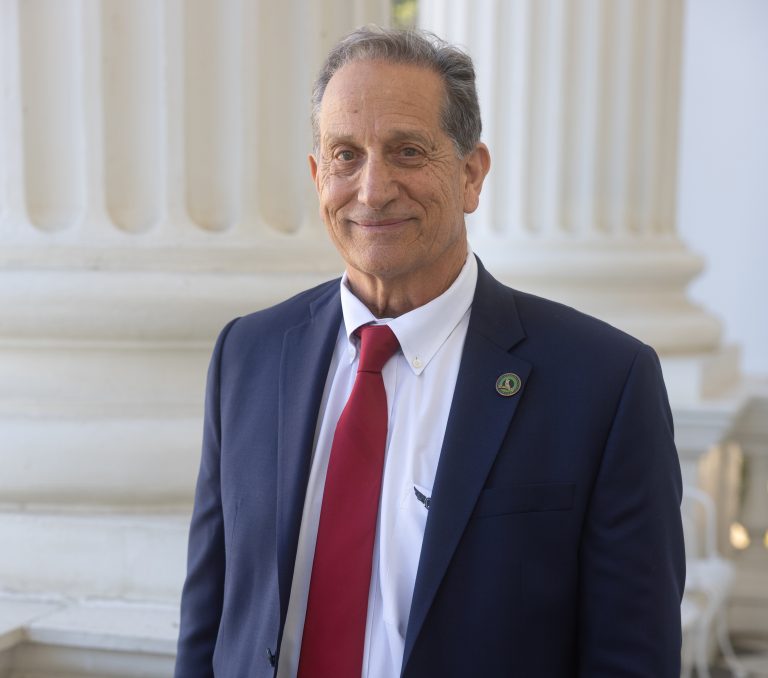
Steve Padilla
97% support rate
Top opponent
Natasha Johnson
4% support rate
Ranked legislators
10
5 support · 5 oppose
Key legislators

Who's moving budget & taxes in California

Legislators moving budget & taxes in California
Legislator Party Stance Support rate Votes
Steve Padilla
Steve Padilla Senate · District 18
D
Strong +
97% 408
JA
Jesse Arreguín Senate · District 7
D
Strong +
97% 509
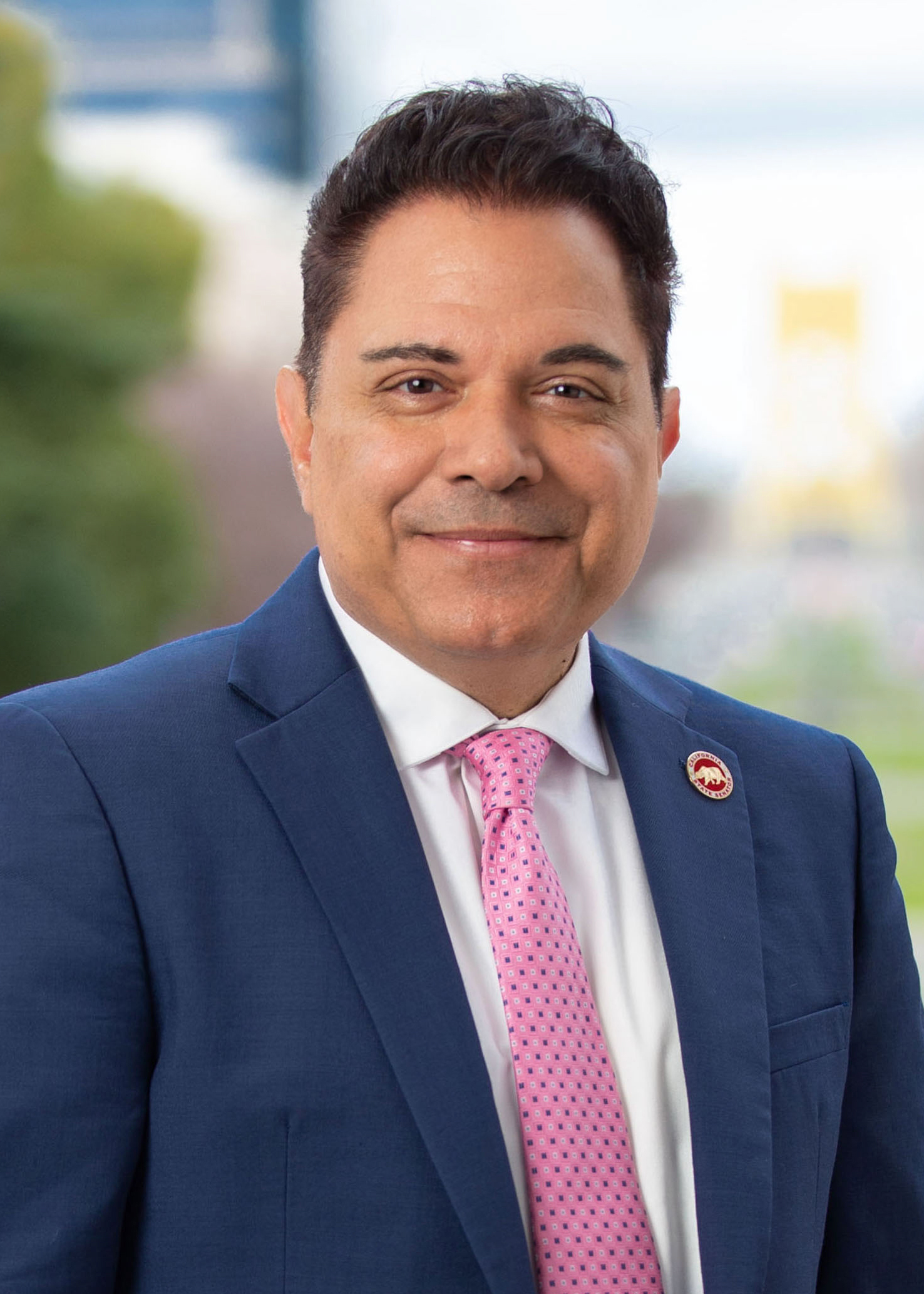
Susan Rubio
Susan Rubio Senate · District 22
D
Strong +
97% 390
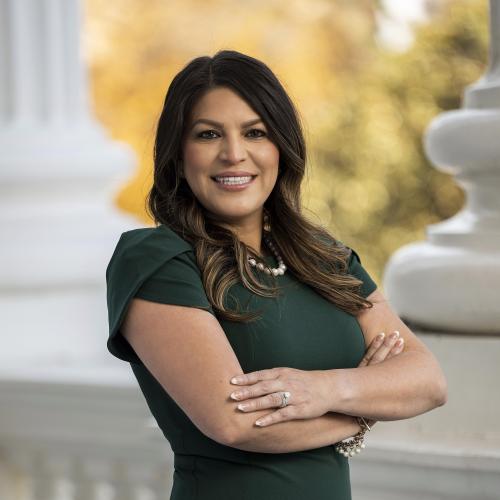
Esmeralda Soria
Esmeralda Soria House · District 27
D
Strong +
97% 342
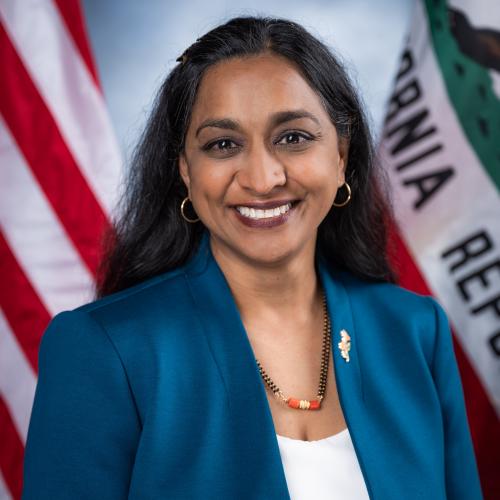
Darsh Patel
Darsh Patel House · District 76
D
Strong +
97% 368
Natasha Johnson
Natasha Johnson House · District 63
R
Strong −
4% 215
Kelly Seyarto
Kelly Seyarto Senate · District 32
R
Strong −
4% 633
Brian Jones
Brian Jones Senate · District 40
R
Strong −
5% 346
Stan Ellis
Stan Ellis House · District 32
R
Strong −
5% 410
Ali Macedo
Ali Macedo House · District 33
R
Strong −
6% 447
Showing 241–250 of 427 bills

All budget & taxes bills

signed · California · Assembly Oct 13, 2025

AB 1076: Qualified ABLE Program: CalABLE accounts: funding.

(1) Existing federal law, the Stephen Beck, Jr., Achieving a Better Life Experience Act of 2014 (ABLE Act) , encourages and assists individuals and families to save private funds for the purpose of supporting eligible individuals with disabilities to maintain their health, independence, and quality of life by excluding from gross income distributions used for qualified disability expenses by a beneficiary of a Qualified ABLE Program established and maintained by a state, as specified. Existing law establishes the Qualified ABLE Program for purposes of implementing the federal ABLE Act in this state, and creates the California ABLE Program Trust with the purposes, powers, and duties of the trust to be vested in and exercised by the California ABLE Act Board. Existing law requires the board to segregate the moneys coming into the ABLE program trust into 2 funds: the program fund, which is continuously appropriated, for specified purposes of the act, and the administrative fund, which is available upon appropriation by the Legislature for administration of the act. Existing law requires all moneys paid by designated beneficiaries or eligible individuals in connection with ABLE accounts to be deposited, as received, into the program fund, promptly invested, and accounted for separately. Existing law grants the board the power to accept grants, gifts, appropriations, and other moneys from any unit of federal, state, or local government, among other specified entities, for deposit to specified funds. This bill would authorize the California ABLE Act Board to additionally accept grants, gifts, legislative appropriations, and other moneys from a philanthropic entity, and would specify that the program can receive legislative appropriations. The bill would authorize the board to target specific subgroups of eligible individuals, as specified, and would authorize the board to use those moneys received to encourage eligible individuals to create an ABLE account or maximize account participation by engaging public awareness about the program. By authorizing new uses of moneys in a continuously appropriated fund, the bill would make an appropriation. (2) Existing law requires the Franchise Tax Board to include, on a taxpayer's form instructions for filing a return, information about the ability of a taxpayer to directly deposit a portion of their refund into the Golden State Scholarshare College Savings Trust, as specified. This bill would additionally require the Franchise Tax Board to include, on a taxpayer's form instructions for filing a return, information about the ability of a taxpayer to directly deposit a portion of their refund into the California ABLE Program Trust.
Sub-Topics Business Taxes
signed · California · Senate Oct 11, 2025

SB 520: Nurse-midwifery education program.

Existing law creates the Vocational Nurse Education Program within the Department of Health Care Access and Information for persons agreeing to serve in an eligible county health facility, state-operated health facility, or a health workforce shortage area, before completing vocational nursing school. Existing law authorizes a person who qualifies for admission to a vocational nursing program to apply for funding under the program, as specified. Existing law establishes the Vocational Nurse Education Fund for the purpose of promoting the education of vocational nurses and related administrative costs. This bill would create the California Nurse-Midwifery Education Fund within the department for the purpose of establishing California-based, master's level, nurse-midwifery education programs within the California State University, the University of California, or both. The bill would require the department to administer the fund, and receive moneys from the General Fund for these purposes upon appropriation by the Legislature. The bill would require the department to establish a competitive application criteria to ensure the optimal sites selection for the education programs within the California State University system or the University of California, would require the department to ensure that a master's degree is an option for students as the culminating degree of the education programs receiving funds, and would require the education programs to meet specified requirements. The bill would also require the fund to support the annual operating costs for the development, operation, and maintenance of the education programs through the graduation of the first cohort of matriculated students, or 5 years, whichever is shorter.
passed · California · Assembly Jul 2, 2025

AB 141: California Cannabis Tax Fund: Department of Cannabis Control: Board of State and Community Corrections grants.

Existing law, the Control, Regulate and Tax Adult Use of Marijuana Act (AUMA) , an initiative measure, authorizes a person who obtains a state license under AUMA to engage in commercial adult-use cannabis activity pursuant to that license and applicable local ordinances. The Medicinal and Adult-Use Cannabis Regulation and Safety Act (MAUCRSA) , among other things, consolidates the licensure and regulation of commercial medicinal and adult-use cannabis activities. Existing law establishes the California Cannabis Tax Fund as a continuously appropriated fund consisting of specified taxes, interest, penalties, and other amounts related to commercial cannabis activity. Each fiscal year, AUMA requires the Controller to make specified disbursements from the fund, including, through the 2022–23 fiscal year, reasonable costs incurred by the Department of Cannabis Control for implementing, administering, and enforcing MAUCRSA. This bill would require the Controller to make a disbursement from the fund for reasonable costs incurred by the Department of Cannabis Control for maintaining and operating the track and trace program and for conducting civil or criminal enforcement against unauthorized commercial cannabis activity, as specified. By requiring moneys in the California Cannabis Tax Fund, a continuously appropriated fund, to be used for a new purpose, the bill would make an appropriation. AUMA also requires the Controller to make a disbursement from the fund to the Board of State and Community Corrections for making grants to local governments to assist with law enforcement, fire protection, or other local programs addressing public health and safety associated with the implementation of AUMA. AUMA prohibits the board from making grants to local governments that ban both indoor and outdoor commercial cannabis cultivation, or ban retail sale of cannabis or cannabis products. This bill would repeal that prohibition, thereby authorizing the Board of State and Community Corrections to make grants to local governments that ban both indoor and outdoor commercial cannabis cultivation or ban retail sale of cannabis or cannabis products. In order to be eligible for a grant, the bill would require a local government either to allow the retail sale of cannabis in storefronts or, for jurisdictions with a population of 10,000 residents or less, to allow cannabis delivery, as specified. The bill would require the board to prioritize grant awards for local governments whose grant application includes illicit cannabis enforcement, and would authorize the board to award grants both competitively and based on a formula to provide consistent and ongoing funding for local governments, as provided. AUMA authorizes the Legislature to amend its provisions with a 23 vote of both houses to further its purposes and intent, except as specified. This bill would declare that its provisions further the purposes and intent of AUMA. This bill would declare that it is to take effect immediately as a bill providing for appropriations related to the Budget Bill.
Sub-Topics Drug Policy
passed · California · Assembly Jul 2, 2025

AB 142: Deaf and Disabled Telecommunications Program.

Existing law establishes the Deaf and Disabled Telecommunications Program and required the Public Utilities Commission to administer a surcharge to collect revenues of up to $100,000,000 per year until January 1, 2025, subject to an annual appropriation of moneys by the Legislature, to allow providers of equipment and service pursuant to the Deaf and Disabled Telecommunications Program to recover their costs as they are incurred. Existing law establishes the Deaf and Disabled Telecommunications Program Administrative Committee Fund for the program described above. This bill would extend the requirement on the commission to collect the surcharge described above until December 31, 2034, subject to annual appropriation of moneys by the Legislature, and would require the commission to transfer moneys it collects from the surcharge to the Controller for deposit into the Deaf and Disabled Telecommunications Program Administrative Committee Fund. Existing law requires the commission to annually review the surcharge level and the balances in the fund identified above. Existing law authorized, until January 1, 2025, the commission to make necessary adjustments to the surcharge to ensure that the programs supported by the surcharge are adequately funded and that the fund balances are not excessive, as defined. This bill would repeal that requirement and, instead, would authorize the commission to make recommendations to the Legislature regarding appropriations under the Deaf and Disabled Telecommunications Program. Under existing law, a violation of an order, decision, rule, direction, demand, or requirement of the commission is a crime. Because a violation of a commission action implementing this bill's requirements would be a crime, the bill would impose a state-mandated local program. The California Constitution requires the state to reimburse local agencies and school districts for certain costs mandated by the state. Statutory provisions establish procedures for making that reimbursement. This bill would provide that no reimbursement is required by this act for a specified reason. This bill would declare that it is to take effect immediately as an urgency statute.
signed · California · Assembly Jul 28, 2025

AB 1416: Property taxation: redemption: permanent installment plan.

Existing property tax law permits, at the election of the assessee, the installment payment of delinquent taxes on tax-defaulted property under an installment payment plan. Existing law also permits a one-year deferral of payment under an existing installment plan if the county was declared by the Governor to be in a state of emergency or disaster due to a major misfortune or calamity and specified conditions are met, including that the installment plan was already in existence at the time deferral is requested by the assessee or the agent of the assessee. This bill would modify the above-described condition to be that the installment plan was already in existence, or that the taxpayer had submitted an application for the installment plan, at the time deferral is requested by the assessee or the agent of the assessee. The bill would also remove an obsolete definition from these provisions.
Sub-Topics Property Tax
passed · California · Assembly Aug 13, 2026

AB 402: Student financial aid: Cal Grant Program and the California Community College Expanded Entitlement Program.

(1) Existing law, the Ortiz-Pacheco-Poochigian-Vasconcellos Cal Grant Program, provides awards to certain California postsecondary students to help pay the costs of postsecondary education. Existing law sets the maximum Cal Grant A and B tuition award amount for new recipients in the 2023–24 award year at $9,358 for students attending independent institutions of higher education. Existing law authorizes community colleges to award an associate degree for transfer, and provides that the Cal Grant A and B tuition award amount for future years for students attending independent institutions of higher education depends on the number of commitments those institutions make to accept associate degrees for transfer. Beginning with the 2024–25 award year, existing law sets the maximum tuition award amount for new Cal Grant A and B recipients at either $9,358 or $8,056, depending upon whether the number of new unduplicated transfer students accepted by those institutions who have been given associate degree for transfer commitments in the prior award year exceeds statutory targets. This bill would set, beginning with the 2026–27 award year, and subject to an appropriation for this purpose, the maximum tuition award amount for new Cal Grant A and B recipients at either $9,708 or $8,056, with the higher amount conditioned on the achievement of the target numbers for associate degree for transfer commitments that apply for the prior award year. (2) Existing law establishes a California Community College Expanded Entitlement Award for students who were not awarded a Cal Grant A or B award at the time of the student's high school graduation but who will be enrolled at a California community college during the award year and meet other criteria. Existing law authorizes a student who receives a California Community College Expanded Entitlement Award to subsequently transfer to a University of California or California State University campus and remain eligible to receive the award. Existing law also authorizes a student who receives a California Community College Expanded Entitlement Award and who subsequently transfers to an independent institution of higher education to remain eligible to receive the award, but only if General Fund moneys over the multiyear forecasts beginning in the 2024–25 fiscal year are available to support ongoing augmentations and actions, and if funding is provided in the annual Budget Act to implement the Cal Grant Reform Act. This bill would instead authorize a student who receives a California Community College Expanded Entitlement Award and who subsequently transfers to an independent institution of higher education to remain eligible to receive the award without the above-described conditions.
signed · California · Senate Jun 27, 2025

SB 141: California Cannabis Tax Fund: Department of Cannabis Control: Board of State and Community Corrections grants.

Existing law, the Control, Regulate and Tax Adult Use of Marijuana Act (AUMA) , an initiative measure, authorizes a person who obtains a state license under AUMA to engage in commercial adult-use cannabis activity pursuant to that license and applicable local ordinances. The Medicinal and Adult-Use Cannabis Regulation and Safety Act (MAUCRSA) , among other things, consolidates the licensure and regulation of commercial medicinal and adult-use cannabis activities. Existing law establishes the California Cannabis Tax Fund as a continuously appropriated fund consisting of specified taxes, interest, penalties, and other amounts related to commercial cannabis activity. Each fiscal year, AUMA requires the Controller to make specified disbursements from the fund, including, through the 2022–23 fiscal year, reasonable costs incurred by the Department of Cannabis Control for implementing, administering, and enforcing MAUCRSA. This bill would require the Controller to make a disbursement from the fund for reasonable costs incurred by the Department of Cannabis Control for maintaining and operating the track and trace program and for conducting civil or criminal enforcement against unauthorized commercial cannabis activity, as specified. By requiring moneys in the California Cannabis Tax Fund, a continuously appropriated fund, to be used for a new purpose, the bill would make an appropriation. AUMA also requires the Controller to make a disbursement from the fund to the Board of State and Community Corrections for making grants to local governments to assist with law enforcement, fire protection, or other local programs addressing public health and safety associated with the implementation of AUMA. AUMA prohibits the board from making grants to local governments that ban both indoor and outdoor commercial cannabis cultivation, or ban retail sale of cannabis or cannabis products. This bill would repeal that prohibition, thereby authorizing the Board of State and Community Corrections to make grants to local governments that ban both indoor and outdoor commercial cannabis cultivation or ban retail sale of cannabis or cannabis products. In order to be eligible for a grant, the bill would require a local government either to allow the retail sale of cannabis in storefronts or, for jurisdictions with a population of 10,000 residents or less, to allow cannabis delivery, as specified. The bill would require the board to prioritize grant awards for local governments whose grant application includes illicit cannabis enforcement, and would authorize the board to award grants both competitively and based on a formula to provide consistent and ongoing funding for local governments, as provided. AUMA authorizes the Legislature to amend its provisions with a 23 vote of both houses to further its purposes and intent, except as specified. This bill would declare that its provisions further the purposes and intent of AUMA. This bill would declare that it is to take effect immediately as a bill providing for appropriations related to the Budget Bill.
Sub-Topics Drug Policy
passed · California · Senate Jul 17, 2025

SB 138: State employment: state bargaining units.

(1) Existing law provides that a provision of a memorandum of understanding reached between the state employer and a recognized employee organization representing state civil service employees that requires the expenditure of funds does not become effective unless approved by the Legislature in the annual Budget Act. Existing law requires the Department of Human Resources to provide a memorandum of understanding to the Legislative Analyst, who then has 10 calendar days from the date the tentative agreement is received to issue a fiscal analysis to the Legislature. Existing law prohibits the memorandum of understanding from being subject to legislative determination until either the Legislative Analyst has presented a fiscal analysis of the memorandum of understanding or until 10 calendar days have elapsed since the memorandum was received by the Legislative Analyst. This bill, notwithstanding the above-described statutory provisions, would approve provisions of the agreements entered into by the state employer and specified state bargaining units. The bill would provide that the provisions of the agreements that require the expenditure of funds will not take effect unless funds for these provisions are specifically appropriated by the Legislature. The bill would authorize the state employer or the bargaining units to reopen negotiations if funds for these provisions are not specifically appropriated by the Legislature. The bill would require the provisions of the agreement that require the expenditure of funds to become effective even if the provisions are approved by the Legislature in legislation other than the annual Budget Act. By approving provisions of the agreements that require the expenditure of funds, this bill would make an appropriation. (2) Existing law, for the 2026–27 fiscal year, continuously appropriates to the Controller from the General Fund unallocated special funds, including federal funds and unallocated nongovernmental cost funds, and any other fund from which state employees are compensated, the amount necessary for the payment and compensation and employee benefits to state employees covered by specified memoranda of understanding if the Budget Act of 2026 is not enacted by July 1, 2026. This bill would additionally include the memoranda of understanding for State Bargaining Unit 2 (effective July 1, 2025, to June 30, 2028, inclusive) , State Bargaining Unit 7 (effective July 1, 2023, to June 30, 2027, inclusive) , State Bargaining Unit 13 (effective July 1, 2025, to June 30, 2027, inclusive) , State Bargaining Unit 16 (effective July 1, 2025, to July 1, 2028, inclusive) , and State Bargaining Unit 19 (effective July 1, 2025, to June 30, 2028, inclusive) . Existing law, for the 2027–28 fiscal year, continuously appropriates to the Controller from the General Fund unallocated special funds, including federal funds and unallocated nongovernmental cost funds, and any other fund from which state employees are compensated, the amount necessary for the payment and compensation and employee benefits to state employees covered by specified memoranda of understanding if the Budget Act of 2027 is not enacted by July 1, 2027. This bill would additionally include the memoranda of understanding for State Bargaining Unit 2 (effective July 1, 2025, to June 30, 2028, inclusive) , State Bargaining Unit 16 (effective July 1, 2025, to July 1, 2028, inclusive) , and State Bargaining Unit 19 (effective July 1, 2025, to June 30, 2028, inclusive) . Existing law, for the 2028-29 fiscal year, continuously appropriates to the Controller from the General Fund unallocated special funds, including federal funds and unallocated nongovernmental cost funds, and any other fund from which state employees are compensated, the amount necessary for the payment and compensation and employee benefits to state employees covered by the memorandum of understanding for State Bargaining Unit 6, if the Budget Act of 2028 is not enacted by July 1, 2028. This bill would additionally include the memorandum of understanding for State Bargaining Unit 16 (effective July 1, 2025, to July 1, 2028, inclusive) . (3) Existing law states that it is the policy of the state that the workweek of the state employee shall be 40 hours, and the workday of state employees 8 hours, except that workweeks and workdays of a different number of hours may be established in order to meet the varying needs of the different state agencies. Existing law also requires state employees in Bargaining Units 6, 9, and 12, except as specified, from July 1, 2025, to June 30, 2027, inclusive, to participate in the Personal Leave Program 2025 (PLP 2025) , either as required by an applicable memorandum of understanding reached or by the direction of the department for excluded employees, under which each employee receives a reduction in pay not greater than 3% in exchange for a specified number of hours per month of PLP 2025 leave credits. This bill would also require state employees in Bargaining Units 1, 2, 3, 4, 5, 7, 11, 13, 14, 15, 16, 17, 19, 20, and 21 to participate in the PLP 2025, for the period from July 1, 2025, to June 30, 2027, inclusive, either as required by an applicable memorandum of understanding or by the direction of the department for excluded employees. Under the program, in exchange for a reduction in pay not greater than certain listed amounts, those employees would receive monthly PLP 2025 leave credits, subject to certain exclusions. The bill would make other related and conforming changes to these provisions. (4) The Public Employees' Retirement Law (PERL) creates the Public Employees' Retirement System for the purpose of providing public employees pension and other benefits, which are funded by employee and employer contributions and investment returns. Contributions and investment returns are deposited in the Public Employees' Retirement Fund, which is continuously appropriated for the payment of benefits and administration of the system. PERL vests management and control of PERS in its board of administration. PERL and labor agreements prescribe different normal rates of contribution for employees depending on bargaining unit, employer, and inclusion of service in the federal social security system, among other factors. Under PERL, effective July 1, 2023, the normal contribution rates for state miscellaneous or state industrial members who are represented by State Bargaining Unit 2 are adjusted in accordance with specified procedures based on increases or decreases in normal cost rates, as determined by the board. This bill would change the above-described effective date to July 1, 2027. The bill would also provide that, effective July 1, 2025, to June 30, 2027, inclusive, specified employee contributions for state miscellaneous and industrial members represented by State Bargaining Unit 2 will remain in place. Existing law adjusts the normal contribution rate for state miscellaneous and industrial members who are represented by State Bargaining Unit 12 in accordance with certain procedures. Under existing law, effective July 1, 2026, certain employee contribution rates are to remain in effect for those members unless the board makes certain determinations regarding cost rate increases or decreases. This bill would suspend increases to those employee retirement contributions effective July 1, 2025, to June 30, 2027, inclusive. Under existing law, effective July 1, 2026, the normal rate of contribution for state safety members who are represented by State Bargaining Unit 12 is to remain in effect unless the board determines that certain total normal cost rates have increased or decreased, as prescribed. This bill would suspend increases to those employee retirement contributions effective July 1, 2025, to June 30, 2027, inclusive. Existing law establishes that, effective July 1, 2026, the employee contribution rates for state miscellaneous, state industrial, and state safety members who are represented by State Bargaining Unit 19 shall remain in effect unless the board determines that specified conditions have been met regarding increases or decreases in normal cost rates. This bill would revise the above-described effective date for those provisions to July 1, 2027. Existing law, effective July 1, 2023, requires an adjustment in the normal contribution rates for state safety members represented by State Bargaining Unit 2 when specified conditions occur regarding normal cost rate increases or decreases, as determined by the board. This bill would revise the effective date of the above provision to July 1, 2027. The bill would also require the employee contribution for state safety members represented by State Bargaining Unit 2 to remain at 11.5% from July 1, 2025, to June 30, 2027, inclusive. (5) The Public Employees' Medical and Hospital Care Act (PEMHCA) , which is administered by the Board of Administration of the Public Employees' Retirement System, prescribes methods for calculating the state employer contribution for postemployment health care benefits for eligible retired public employees and their families and for the vesting of these benefits. PEMHCA establishes the Annuitants' Health Care Coverage Fund, which is continuously appropriated, for the purpose of prefunding health care coverage for annuitants, including administrative costs. PEMHCA requires employees in specified state bargaining units to prefund retiree health care and the state to make a matching contribution. PEMHCA suspends employer's and employees' monthly contributions for prefunding other postemployment benefits for the 2025–26 and 2026–2027 fiscal years for specified state bargaining units, including State Bargaining Unit 6. This bill would suspend the employee and employer monthly contributions for prefunding other post employment benefits for other employees in specified bargaining units for the 2025-26 and 2026-27 fiscal years, including State Bargaining Units 1, 2, 3, 4, 5, 7, 13, 14, 15, 16, 17, 19, 20, and 21. The bill would establish the percentage of pensionable compensation to be contributed for prefunding those benefits commencing July 1, 2027, and for each year thereafter, as prescribed. The bill would make other related changes to these provisions. (6) The Budget Act of 2025 makes various appropriations for the purpose of employee compensation. This bill would provide for the reduction of specified Budget Act item appropriations pursuant to agreements reached between the state employer and State Bargaining Units 1, 2, 3, 4, 5, 7, 8, 11, 13, 14, 15, 16, 17, 18, 19, 20, and 21 in accordance with a specified schedule. The Budget Act of 2025 also states that it is the expectation of the Legislature that all state employee bargaining units meet and confer in good faith with the Governor or the Governor's representative on or before July 1, 2025, to achieve savings through the collective bargaining process for represented employees and existing authority for the administration to adjust compensation for nonrepresented employees. This bill would provide that the reductions achieved through the PLP 2025 do not apply to employees of specified state entities. (7) This bill would declare that it is to take effect immediately as a bill providing for appropriations related to the Budget Bill.
signed · California · Senate Jul 30, 2025

SB 251: Claims against the state: appropriation.

Under existing law, if sufficient appropriations are not available for the payment of certain claims, settlements, or judgments, the Attorney General is required to report the claims, settlements, and judgments to the chairperson of either the Senate Committee on Appropriations or the Assembly Committee on Appropriations, who is then required to cause introduction of legislation appropriating the funds necessary for payment. This bill would appropriate $1,221,491.30 from the General Fund to the Attorney General for the payment of claims, settlements, or judgments against the state arising from 3 specified actions. This bill would declare that it is to take effect immediately as an urgency statute.
passed · California · Assembly Jun 9, 2025

AB 1496: Cannabis task force.

The Control, Regulate and Tax Adult Use of Marijuana Act of 2016 (AUMA) , an initiative measure, authorizes a person who obtains a state license under AUMA to engage in commercial adult-use cannabis activity pursuant to that license and applicable local ordinances. The Medicinal and Adult-Use Cannabis Regulation and Safety Act (MAUCRSA) , among other things, consolidates the licensure and regulation of commercial medicinal and adult-use cannabis activities under the jurisdiction of the Department of Cannabis Control. Existing law authorizes local jurisdictions to enforce the provisions of MAUCRSA and to regulate cannabis businesses, as specified. Prior existing law, which was repealed on January 1, 2025, established a task force on state and local regulation of commercial cannabis activity to promote communication between state and local entities engaged in the regulation of commercial cannabis activity and facilitate cooperation to enforce applicable state and local laws, consisting of specified members from state agencies and all local jurisdictions regulating commercial cannabis activity that opt to participate. That prior law exempted the meetings of the task force from the Bagley-Keene Open Meeting Act and the Ralph M. Brown Act. This bill would reinstate the task force and expand the task force to include representatives from tribal governmental entities regulating commercial cannabis activity that opt to participate in the task force. The bill would exempt the meetings of the task force from the Bagley-Keene Open Meeting Act and the Ralph M. Brown Act. Existing constitutional provisions require that a statute that limits the right of access to the meetings of public bodies or the writings of public officials and agencies be adopted with findings demonstrating the interest protected by the limitation and the need for protecting that interest. This bill would make legislative findings to that effect.
Showing 241 to 250 of 427 bills
Previous 1 24 25 26 43 Next