Issue · Budget & Taxes

Budget & Taxes

Every budget & taxes bill, vote, and legislator stance in California, automatically classified by Maddy, our AI policy reader.

Total bills
718
119th Congress
Top supporter
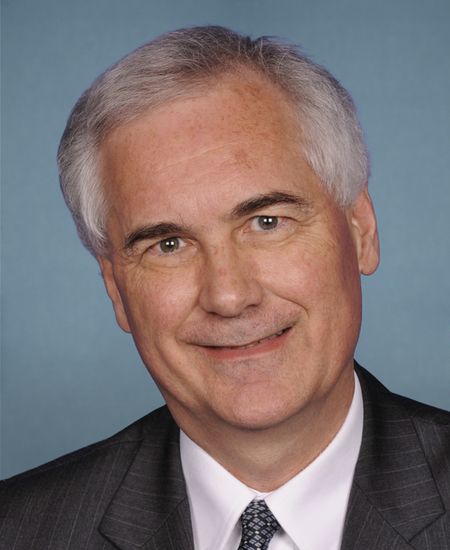
Tom McClintock
72% support rate
Top opponent
Lateefah Simon
16% support rate
Ranked legislators
10
5 support · 5 oppose
Key legislators

Who's moving budget & taxes in California

Legislators moving budget & taxes in California
Legislator Party Stance Support rate Votes
Tom McClintock
Tom McClintock House · District 5
R
Support
72% 180
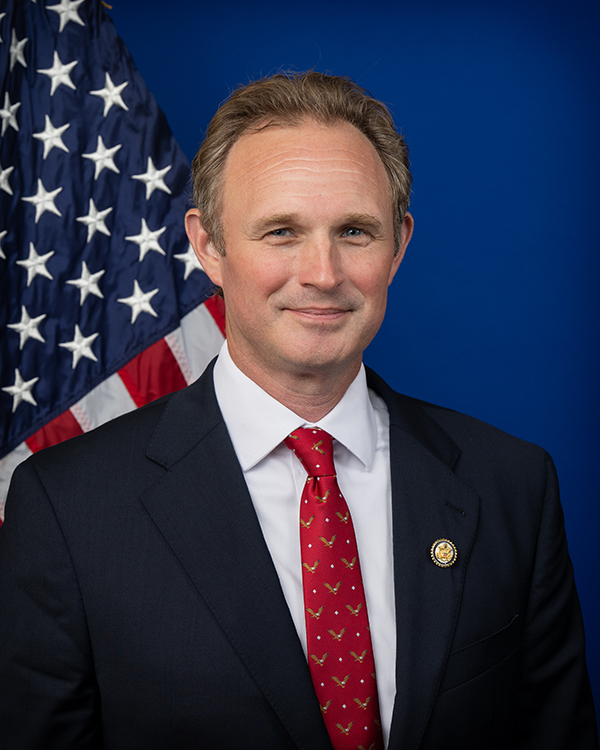
James Gallagher
James Gallagher House · District 1
R
Support
66% 38
Adam B. Schiff
Adam B. Schiff Senate
D
Support
65% 271
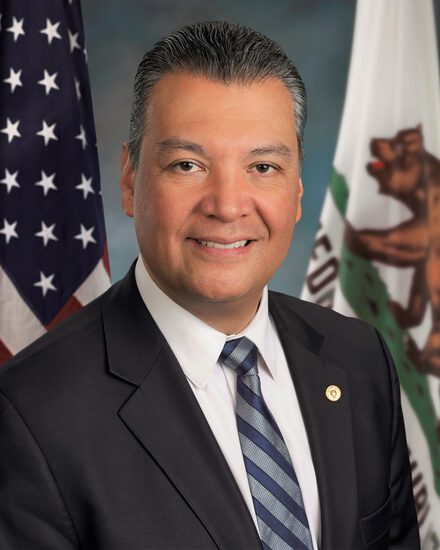
Alex Padilla
Alex Padilla Senate
D
Support
62% 268
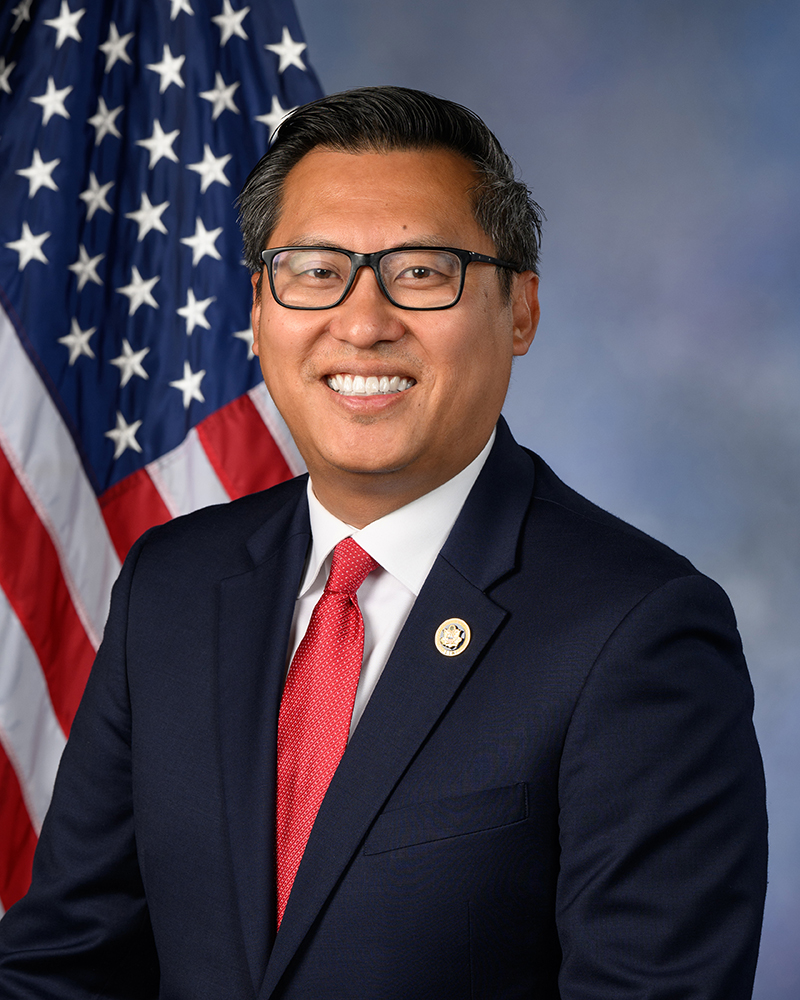
Vince Fong
Vince Fong House · District 20
R
Support
61% 186
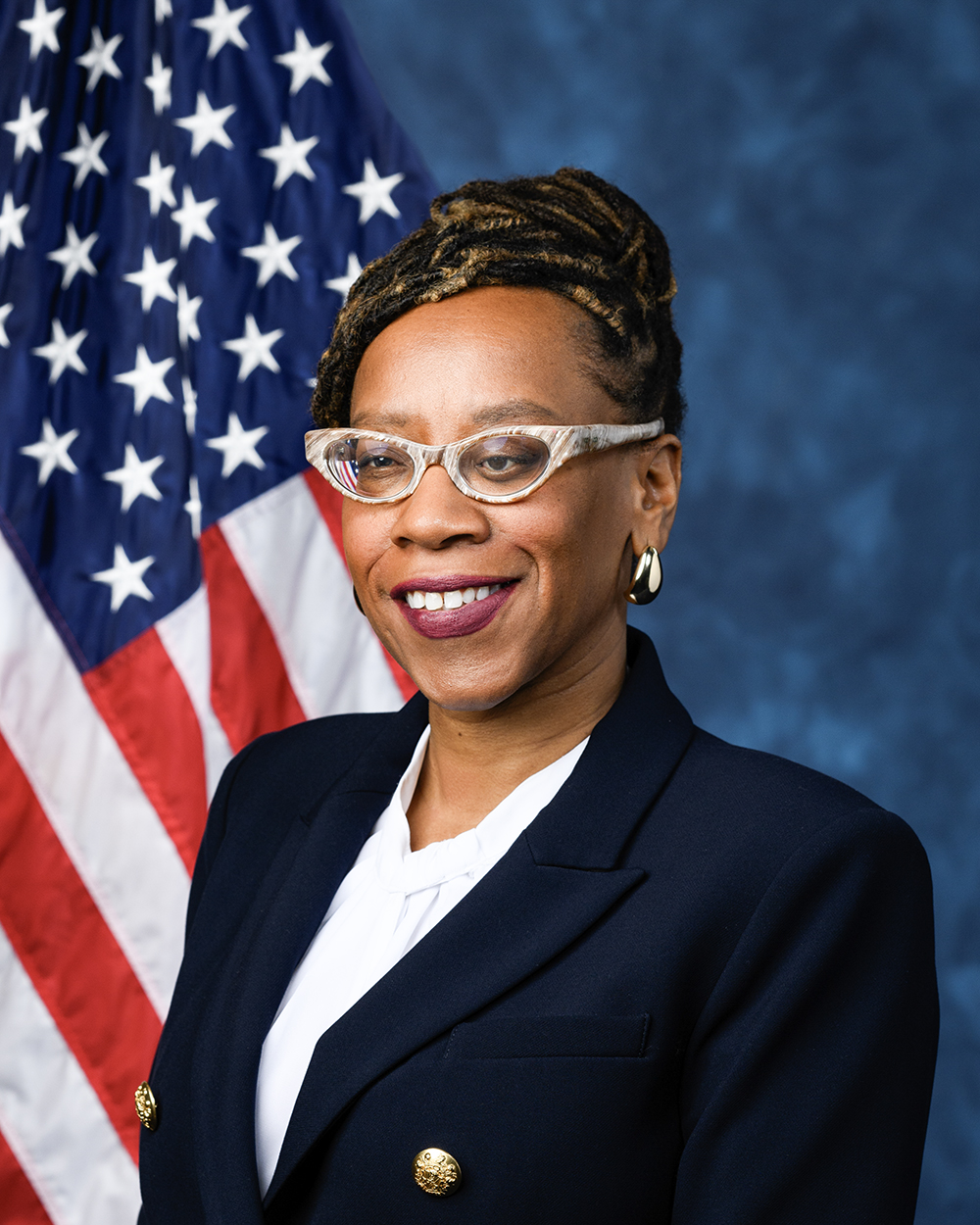
Lateefah Simon
Lateefah Simon House · District 12
D
Strong −
16% 186
Mike Levin
Mike Levin House · District 49
D
Strong −
18% 186
Pete Aguilar
Pete Aguilar House · District 33
D
Strong −
18% 186
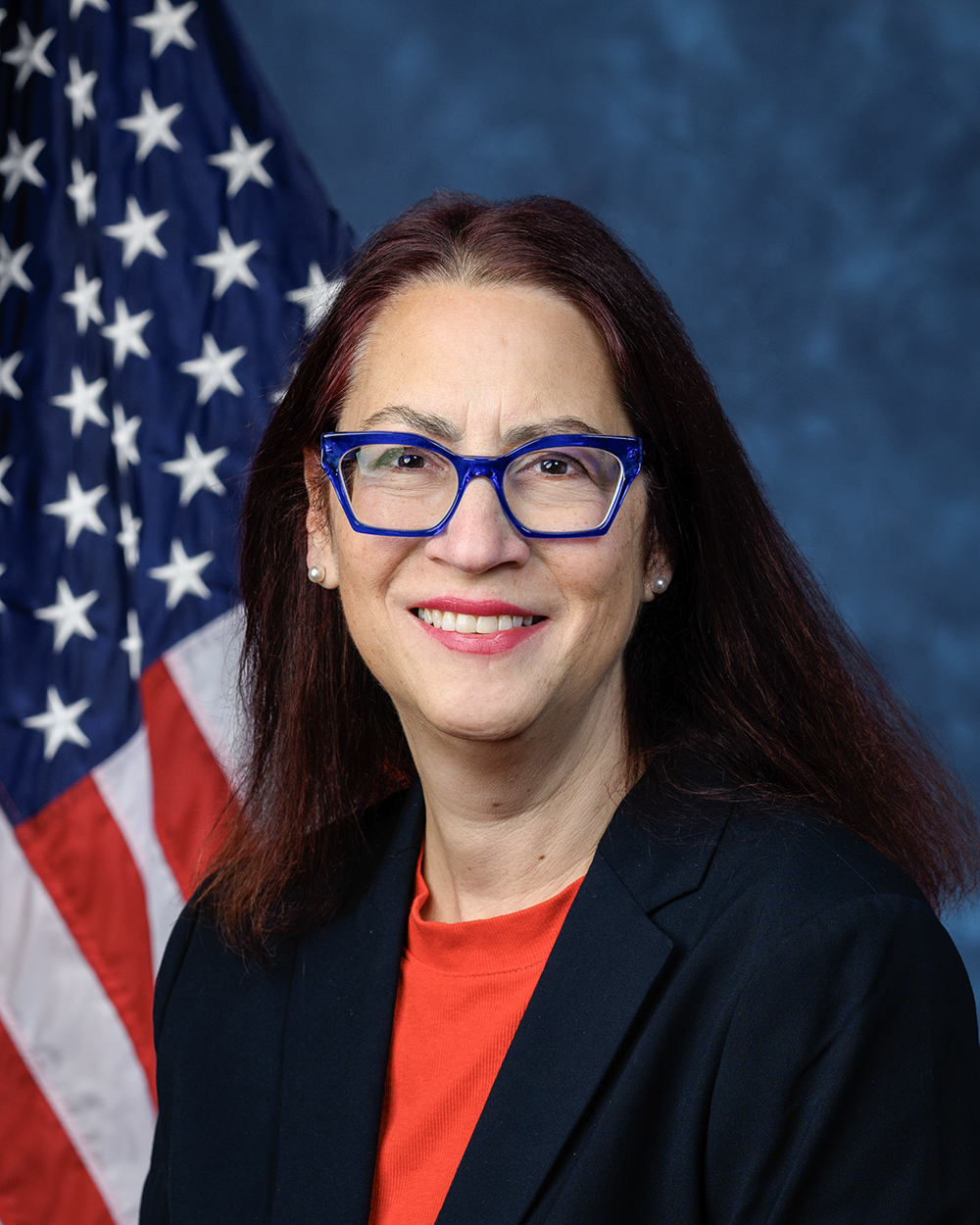
Laura Friedman
Laura Friedman House · District 30
D
Strong −
18% 186
Jimmy Gomez
Jimmy Gomez House · District 34
D
Strong −
18% 183
Showing 1–10 of 718 bills

All budget & taxes bills

in committee · United States · House Sep 10, 2026

HR 10327: Cost Estimates Improvement Act

The Cost Estimates Improvement Act requires the Congressional Budget Office and the Joint Committee on Taxation to include public debt servicing costs in their financial estimates, to the extent practicable. This change directly affects federal budgeting processes by ensuring that the interest payments on national debt are factored into official cost projections for new legislation. The bill amends the Congressional Budget and Impoundment Control Act of 1974 to mandate this specific inclusion in all future estimates prepared by these two bodies.
in committee · United States · House Sep 10, 2026

HR 10330: Higher Education Oversight for Nonprofits Ensuring Standards and Transparency Act

This bill establishes new procedural safeguards for the Internal Revenue Service when conducting tax inquiries or examinations of universities, requiring high-level Treasury approval based on reasonable belief that a university may not qualify for tax-exempt status. It mandates that the IRS provide written notice to the institution before beginning an inquiry and at least 15 days before starting a formal examination, offering the university the opportunity to hold a conference to discuss concerns. The legislation imposes strict time limits, requiring inquiries to be completed within 90 days and examinations within two years, while also restricting the ability to re-examine a university for five years if no significant tax issues are found. Additionally, it requires the Secretary of the Treasury to submit confidential reports to congressional committees detailing any new university tax investigations.
in committee · United States · House Sep 8, 2026

HR 10325: To increase the mandatory contribution amount of Federal Home Loan Banks to the Affordable Housing Program, and for other purposes.

This bill increases the mandatory financial contributions from Federal Home Loan Banks to the Affordable Housing Program by extending a 15 percent net income requirement through 2025 and establishing it as the permanent rate for 2026 and beyond. The legislation directly affects the Federal Home Loan Banks, which are government-sponsored enterprises that provide funding to member banks and credit unions. A key provision ensures that these annual contributions will not fall below $100 million in any given year, regardless of the banks' net income fluctuations.
in committee · United States · House Jul 23, 2026

HR 9934: Housing BOOM Act

The Housing BOOM Act aims to increase the supply of affordable housing by significantly raising the state-level limit on Low-Income Housing Tax Credits and establishing new federal funding mechanisms, including a Middle Income Housing Construction Loan Fund and a Workforce Housing Block Grant Program. The bill directs billions in annual appropriations over five years to support rental construction for households earning between 60 and 120 percent of the area median income, while also increasing existing subsidies for homeless assistance, rural housing, and supportive housing for the elderly and persons with disabilities. To address tenant stability, the legislation creates a new Office of Eviction Prevention within the Department of Housing and Urban Development and authorizes grants to help convert unused government buildings and hotels into emergency shelters and affordable units. Additionally, the act establishes an Interagency Council on Housing Affordability to coordinate federal policy and requires prevailing wage standards for construction workers on federally assisted projects.
in committee · United States · House Sep 3, 2026

HR 10256: Taxpayer Relief from Big Oil Act

The Taxpayer Relief from Big Oil Act would eliminate existing royalty relief programs for oil and gas companies operating in the Gulf of Mexico and Alaska, requiring these firms to pay full royalties on their production. The bill also mandates that the Department of Interior establish standardized transportation cost deductions for calculating royalties on federal lands and offshore waters, capping these deductions at either 30 percent of the total value of production or actual reasonable costs, whichever is lower. Additionally, the legislation requires the Bureau of Land Management and the Bureau of Ocean Energy Management to submit annual reports to Congress detailing the number of royalty relief applications processed, approved wells, and estimated impacts on government revenue.
in committee · United States · House Jul 27, 2026

HR 9958: Head Start Expansion and Improvement Act of 2026

The Head Start Expansion and Improvement Act of 2026 broadens eligibility for early childhood education services by including recipients of various public assistance programs, such as food stamps and Medicaid, in the definition of qualifying families. The bill authorizes $36 billion annually from fiscal years 2027 through 2032 to support these expanded operations and creates a separate grant program providing $1 billion per year until 2030 for agencies to repair or upgrade aging facilities with safety hazards. Additionally, the legislation establishes a loan forgiveness program that cancels federal student loans for childcare workers who complete three years of full-time service in Head Start or Early Head Start programs. Finally, it authorizes $6.8 billion annually through 2032 to provide salary supplements to Head Start employees, with funding allocated based on local wage gaps and cost-of-living factors.
in committee · United States · House Aug 27, 2026

HR 10156: Better Jobs through Evidence and Innovation Act

The Better Jobs through Evidence and Innovation Act amends the Workforce Innovation and Opportunity Act to create a competitive grant program that funds innovative employment and training services. The bill directs federal resources toward initiatives that have demonstrated improvements in participant earnings and job placement, with specific attention to individuals facing barriers to employment and underserved communities such as rural areas. Eligible recipients include state and local workforce boards, tribal organizations, colleges, and nonprofit groups that design or implement these field-initiated programs. The legislation establishes a tiered funding structure based on the strength of existing evidence, offering early-phase grants for new pilots, mid-phase grants for refinement, and expansion grants for proven models. Grantees are required to partner with independent researchers to conduct rigorous impact evaluations, ensuring that at least 60 percent of each award is spent directly on program implementation rather than administrative costs. The bill authorizes appropriations for this initiative through fiscal year 2031.
in committee · United States · House Sep 3, 2026

HR 10295: 9-8-8 Call Center Improvement Act

The 9-8-8 Call Center Improvement Act directs the Secretary of Health and Human Services to provide grants to new or existing crisis call centers that serve regional or local communities. These funds are intended to help centers purchase or upgrade technology, train staff, improve daily operations, and hire additional personnel. The bill authorizes $441 million in appropriations for fiscal year 2027 to support these efforts, with the money remaining available until it is fully spent.
Sub-Topics Mental Health
in committee · United States · House Sep 3, 2026

HR 10287: 9-8-8 Crisis Response Act

The 9-8-8 Crisis Response Act expands federal funding for mental health crisis response and broadens Medicaid coverage to include regional lifeline call centers and crisis stabilization facilities. The bill increases the annual budget for the Mental Health Crisis Response Partnership Pilot Program from $10 million to $100 million for fiscal years 2027 through 2029. It also allows states to use Medicaid funds to pay for these new services, with the federal government covering 85 percent of the costs. To qualify, crisis stabilization facilities must provide 24-hour care without rejecting patients based on their ability to pay or other factors, and they must maintain an average patient stay of less than 150 hours.
in committee · United States · House Jul 22, 2026

HR 9870: Affordable Housing Incentives Act

The Affordable Housing Incentives Act allows property owners to avoid paying capital gains taxes when they sell real estate to qualified housing operators for use as affordable housing. To qualify, the property must be subject to a binding legal agreement that ensures it remains affordable or used as a homeless shelter for at least 30 years. The sale price cannot exceed the value determined by a professional appraisal, and the seller must notify the Treasury Department within 90 days of the transfer. The Treasury is required to audit these properties every five years to verify they continue to meet the affordability requirements throughout the 30-year period.
Showing 1 to 10 of 718 bills
1 2 3 72 Next