Issue · Budget & Taxes

Budget & Taxes (Income Tax)

Every budget & taxes bill, vote, and legislator stance in California, automatically classified by Maddy, our AI policy reader.

Total bills
65
2025-2026 Regular Session
Top supporter
Mike Gipson
100% support rate
Top opponent
Carl DeMaio
0% support rate
Ranked legislators
10
5 support · 5 oppose
Key legislators

Who's moving income tax in California

Legislators moving income tax in California
Legislator Party Stance Support rate Votes
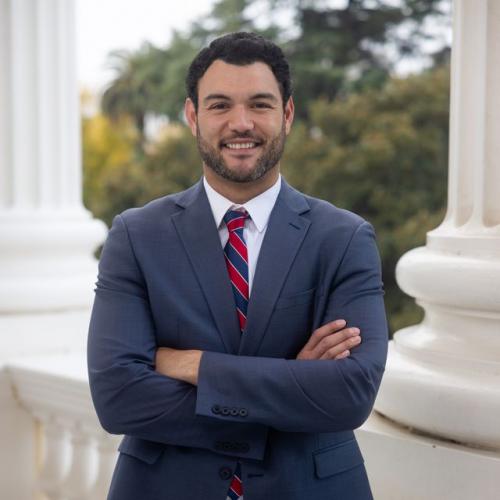
Mike Gipson
Mike Gipson House · District 65
D
Strong +
100% 15
Sharon Quirk-Silva
Sharon Quirk-Silva House · District 67
D
Strong +
100% 15
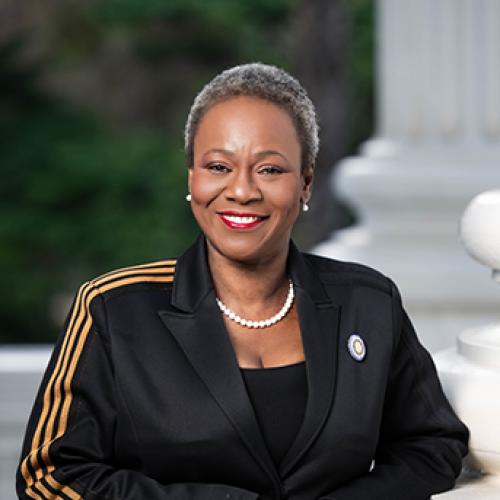
Tina McKinnor
Tina McKinnor House · District 61
D
Strong +
100% 15
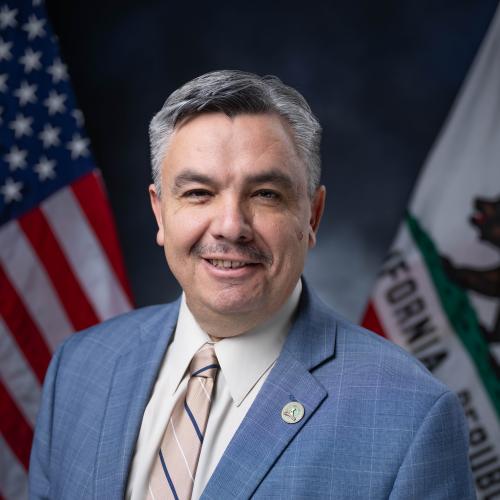
Juan Carrillo
Juan Carrillo House · District 39
D
Strong +
100% 11
Michelle Rodriguez
Michelle Rodriguez House · District 53
D
Strong +
100% 9
Carl DeMaio
Carl DeMaio House · District 75
R
Strong −
0% 15
David Tangipa
David Tangipa House · District 8
R
Strong −
0% 7
Joshua Hoover
Joshua Hoover House · District 7
R
Strong −
0% 7
Kelly Seyarto
Kelly Seyarto Senate · District 32
R
Strong −
0% 7
Megan Dahle
Megan Dahle Senate · District 1
R
Strong −
0% 7
Showing 11–20 of 65 bills

All budget & taxes bills

died · California · Senate Aug 13, 2026

SB 1096: Personal income tax: senior tax credit: dependents: qualifying child.

The Personal Income Tax Law allows various credits against the taxes imposed by that law, including a credit of $227 for each dependent, as defined, of a taxpayer for each taxable year beginning on or after January 1, 1999, as adjusted for inflation, and which may be reduced if a taxpayer's federal adjusted gross income exceeds a threshold amount. This bill would allow a credit against the taxes imposed by the Personal Income Tax Law for each taxable year beginning on or after January 1, 2026, and before January 1, 2031, to a qualified taxpayer in an amount equal to $1,500 per qualified dependent, as defined. The bill would define "qualified taxpayer" for these purposes to mean a taxpayer who is or would have been, or whose spouse is or would have been, as applicable, 65 years of age or older as of the last day of the taxable year and for whom no part of their adjusted gross income for the taxable year consists of earned income, as defined. Existing law requires any bill authorizing a new tax expenditure to contain, among other things, specific goals that the tax expenditure will achieve, detailed performance indicators, and data collection requirements. This bill also would include additional information required for any bill authorizing a new tax expenditure. This bill would take effect immediately as a tax levy.
in committee · California · Senate Apr 27, 2026

SB 1144: Personal income taxes: exemption credit: dependents.

The Personal Income Tax law authorizes an exemption credit of $227 for each dependent of a taxpayer for each taxable year beginning on or after January 1, 1999, adjusted for inflation, which may be reduced if a taxpayer's federal adjusted gross income exceeds a threshold amount. The credit amount for the 2025 taxable year is $475. This bill would increase that credit to $700 for taxable years beginning on or after January 1, 2026, and before January 1, 2031, and would require that the Franchise Tax Board adjust that amount for inflation for taxable years beginning on or after January 1, 2027, as prescribed. This bill would take effect immediately as a tax levy.
in committee · California · Senate May 14, 2026

SB 1137: Personal income tax: deduction: medical expenses.

The Personal Income Tax Law, in conformity or modified conformity with federal income tax laws, allows various deductions in computing the income that is subject to the taxes imposed by that law, including a deduction for the medical and dental expenses paid during the taxable year, not compensated for by insurance or otherwise, for the medical or dental care of the taxpayer, spouse, or a dependent, to the extent that such expenses exceed 7.5% of federal adjusted gross income. This bill would, for taxable years beginning on or after January 1, 2026, and before January 1, 2031, allow a deduction from adjusted gross income for the costs of medical care, as defined, of a qualified taxpayer to the extent the costs exceed 4% of the qualified taxpayer's federal adjusted gross income. The bill would limit the deduction to $5,000. The bill would define "qualified taxpayer" for this purpose to mean an individual with adjusted gross income that does not exceed 300% of the federal poverty level and who does not take an itemized deduction for costs of medical care pursuant to the above-referenced provisions on their California income tax return. Existing law requires any bill authorizing a new tax expenditure to contain, among other things, specific goals that the tax expenditure will achieve, detailed performance indicators, and data collection requirements. This bill also would include additional information required for any bill authorizing a new tax expenditure. This bill would take effect immediately as a tax levy.
passed · California · Senate Jun 30, 2026

SB 1249: Personal income taxes: deductions: elderly seniors.

The Personal Income Tax Law, in modified conformity with federal income tax laws, allows various deductions from gross income in calculating adjusted gross income. This bill, for taxable years beginning on or after January 1, 2027, and before January 1, 2032, would allow a deduction in determining adjusted gross income for a taxpayer in an amount equal to $3,000 per qualified individual, reduced by 6% of the taxpayer's federal adjusted gross income in excess of specified thresholds. The bill would define "qualified individual" for these purposes to mean the taxpayer if the taxpayer is an elderly senior and, in the case of a married couple filing a joint return, the taxpayer's spouse if the taxpayer's spouse is an elderly senior, and would define "elderly senior" to mean an individual who meets specified age criteria as of the last day of the taxable year. Existing law requires any bill authorizing a new tax expenditure to contain, among other things, specific goals that the tax expenditure will achieve, detailed performance indicators, and data collection requirements. This bill would include additional information required for any bill authorizing a new tax expenditure. This bill would take effect immediately as a tax levy.
Sub-Topics Government Spending Income Tax Tags Seniors
passed both · California · Assembly Aug 27, 2026

AB 2186: Personal Income Tax Law: exclusions: reparations programs.

The Personal Income Tax Law, in modified conformity with federal income tax laws, defines "gross income" as income from whatever source derived, except as specifically excluded, and provides various exclusions from gross income. This bill, for taxable years beginning on or after January 1, 2028, and before January 1, 2033, would exclude from gross income any reparations benefit or payment, as defined, received by a taxpayer during the taxable year. Existing law requires any bill authorizing a new tax expenditure to contain, among other things, specific goals, purposes, and objectives that the tax expenditure will achieve, detailed performance indicators, and data collection requirements. This bill also would include additional information required for any bill authorizing a new tax expenditure. This bill would take effect immediately as a tax levy.
in committee · California · Assembly May 14, 2026

AB 1690: Personal Income Tax Law: young child tax credit.

The Personal Income Tax Law allows various credits against the taxes imposed by that law, including a young child tax credit to a qualified taxpayer in a specified amount multiplied by the earned income tax credit adjustment factor, as provided. That law also allows a payment from the continuously appropriated Tax Relief and Refund Account for an amount in excess of tax liability. Existing law defines "qualified taxpayer" for this purpose to include an eligible individual, as defined, who has a qualifying child, defined to be a child younger than 6 years of age as of the last day of the taxable year, and who meets other specified criteria. This bill, for taxable years beginning on or after January 1, 2026, and before January 1, 2038, would instead define a "qualifying child" to mean a child younger than the age limit from the prior taxable year plus one year, as described. The bill, for taxable years beginning on or after January 1, 2038, would define "qualifying child" as being a child younger than 18 years of age, as described. By increasing the payments from the Tax Relief and Refund Account, a continuously appropriated fund, the bill would make an appropriation. Existing law requires any bill authorizing a new tax expenditure to contain, among other things, specific goals that the tax expenditure will achieve, detailed performance indicators, and data collection requirements. This bill would include additional information required for any bill authorizing a new tax expenditure.
Sub-Topics Appropriations Income Tax Tax Credits Tags Children
in committee · California · Assembly May 14, 2026

AB 2444: Personal Income Tax Law: qualified tuition program.

The Personal Income Tax Law, in conformity with federal income tax law, generally defines "gross income" as income from whatever source derived, except as specifically excluded, and provides various exclusions from gross income. Existing law, known as the Golden State Scholarshare Trust Act, establishes the Golden State Scholarshare College Savings Trust (Scholarshare trust) , under the administration of the Scholarshare Investment Board, to provide financial aid for postsecondary education costs of participating students. Existing state and federal law generally includes in gross income distributions from a qualified tuition program, as defined to include the Scholarshare trust, except as provided. Existing federal law, the Consolidated Appropriations Act, 2023, excludes from gross income, for federal income tax purposes, distributions from a qualified tuition program that are made after December 31, 2023, and are paid in a direct trustee-to-trustee transfer to a Roth IRA, as described. The Personal Income Tax Law generally conforms to federal income tax law relating to qualified state tuition programs, except as specified. Among those exceptions, existing state law does not conform to the above-described exclusion for distributions from a qualified tuition program. This bill would instead conform to that federal exclusion for taxable years beginning on or after January 1, 2026, and before January 1, 2031. The Personal Income Tax Law, in modified conformity with federal income tax laws, allows various deductions from gross income in calculating adjusted gross income. This bill would, for taxable years beginning on or after January 1, 2027, and before January 1, 2032, would allow a deduction in determining adjusted gross income for contributions to a Scholarshare account by a qualified taxpayer, as specified. Existing law requires a bill authorizing a new tax expenditure to contain, among other things, specific goals, purposes, and objectives the tax expenditure will achieve, detailed performance indicators, and data collection requirements. This bill would include additional information required for any bill authorizing a new tax expenditure. This bill would take effect immediately as a tax levy.
in committee · California · Senate May 14, 2026

SB 1120: Personal Income Tax Law: Corporation Tax Law: credits: CalCompetes.

The Personal Income Tax Law and the Corporation Tax Law allow various credits against the taxes imposed by those laws including, for taxable years beginning on and after January 1, 2014, and before January 1, 2030, a California Competes Tax Credit in an amount allocated by the Governor's Office of Business and Economic Development (GO-Biz) through the 2027–28 fiscal year, and provided in a written agreement between GO-Biz and the taxpayer, approved by the California Competes Tax Credit Committee, and based on specified factors, including the number of jobs the taxpayer will create or retain in the state and the amount of investment in the state by the taxpayer. This bill would extend the California Competes Tax Credit through taxable years beginning before January 1, 2035, and would make conforming changes to the impacted fiscal year references in those provisions. The bill would, for taxable years beginning on or after January 1, 2026, and before January 1, 2035, also allow a taxpayer in a strategic industry, as defined, to make an election in the form and manner prescribed by GO-Biz for the California Competes Tax Credit to be refundable to the taxpayer from the Tax Relief and Refund Account or the Corporation Tax Fund, as provided. By increasing the payments from the Tax Relief and Refund Account and the Corporation Tax Fund, continuously appropriated funds, the bill would make an appropriation.
passed both · California · Senate Aug 28, 2026

SB 1073: Income taxes: voluntary contributions: Black Cultural District Voluntary Tax Contribution Fund.

Existing law allows an individual taxpayer to contribute amounts in excess of their personal income tax liability for the support of specified funds and accounts, including, among others, to the Native California Wildlife Rehabilitation Voluntary Tax Contribution Fund. This bill would allow, for taxable years beginning on or after January 1, 2026, and before January 1, 2033, an individual to designate on their tax return that a specified amount in excess of their tax liability be transferred to the continuously appropriated Black Cultural District Voluntary Tax Contribution Fund (fund) , which would be created by this bill. The bill would allocate moneys in the fund to, among other entities, the Arts Council for allocation for the construction and maintenance of the Black Cultural District designated in south City of Los Angeles. The bill would require the Franchise Tax Board to revise the tax return form to include a space for the designation of contributions to the fund. By establishing a new continuously appropriated fund, the bill would make an appropriation. This bill would provide that these provisions would remain in effect only until January 1, 2034, but would further provide for an earlier repeal if the Franchise Tax Board determines that the amount of contributions estimated to be received by September 1, 2028, and later calendar years will not at least equal the minimum contribution amount, in which case these provisions would be repealed on January 1 of the following year.
in committee · California · Assembly Apr 27, 2026

AB 2377: Personal Income Tax Law and Corporation Tax Law: deductions: accelerated depreciation for new manufacturing operations.

The Personal Income Tax Law and the Corporation Tax Law, in conformity or modified conformity with federal income tax laws, allows various deductions in computing the income that is subject to the taxes imposed by those laws, including a deduction for depreciation of certain property put into the service of a trade or business. This bill, for taxable years beginning on or after January 1, 2027, and before January 1, 2032, would provide for an accelerated depreciation deduction of 50% or 100%, as applicable, of the adjusted basis, as specified, of qualified property, as defined, put into service by a qualified taxpayer, as defined, during the taxable year. The bill would require a qualified taxpayer to place qualified property with an adjusted basis of at least $1,000,000 into service in the state during the taxable year in order to be eligible for the accelerated depreciation deduction. The bill would require the qualified taxpayer to certify under penalty of perjury that qualified property put into service during the taxable year will be primarily used in the state for at least 3 years. By expanding the crime of perjury, this bill would impose a state-mandated local program. Existing law requires any bill authorizing a new tax expenditure to contain, among other things, specific goals that the tax expenditure will achieve, detailed performance indicators, and data collection requirements. This bill would also include additional information required for any bill authorizing a new tax expenditure. The California Constitution requires the state to reimburse local agencies and school districts for certain costs mandated by the state. Statutory provisions establish procedures for making that reimbursement. This bill would provide that no reimbursement is required by this act for a specified reason. This bill would take effect immediately as a tax levy.
Showing 11 to 20 of 65 bills
Previous 1 2 3 7 Next