

Issue · Budget & Taxes
Budget & Taxes
Every budget & taxes bill, vote, and legislator stance in California, automatically classified by Maddy, our AI policy reader.
Total bills
657
119th Congress
Top supporter
Tom McClintock
72% support rate
Top opponent
Lateefah Simon
16% support rate
Ranked legislators
10
5 support · 5 oppose
Key legislators
Who's moving budget & taxes in California
| Legislator | Party | Stance | Support rate | Votes |
|---|---|---|---|---|
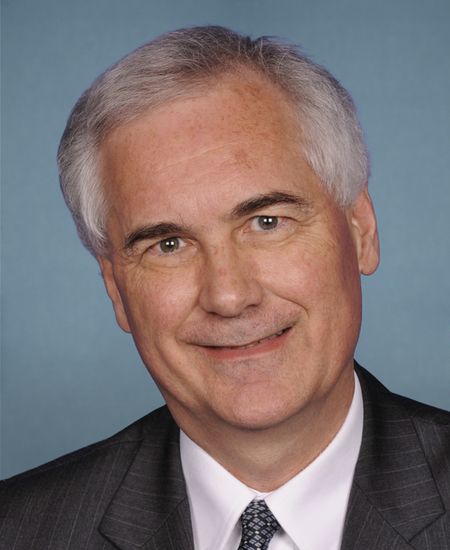
Tom McClintock
House · District 5
|
R |
Support
|
72% | 180 |
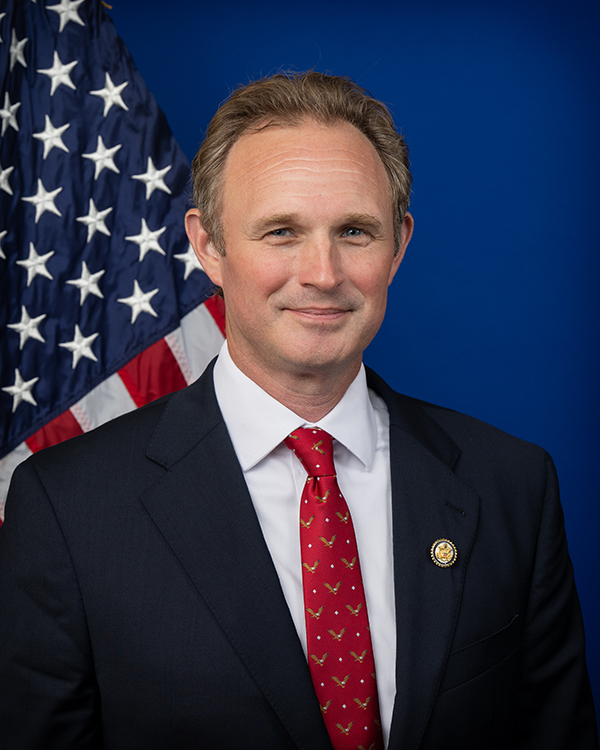
James Gallagher
House · District 1
|
R |
Support
|
66% | 38 |

Adam B. Schiff
Senate
|
D |
Support
|
65% | 271 |

Alex Padilla
Senate
|
D |
Support
|
62% | 268 |
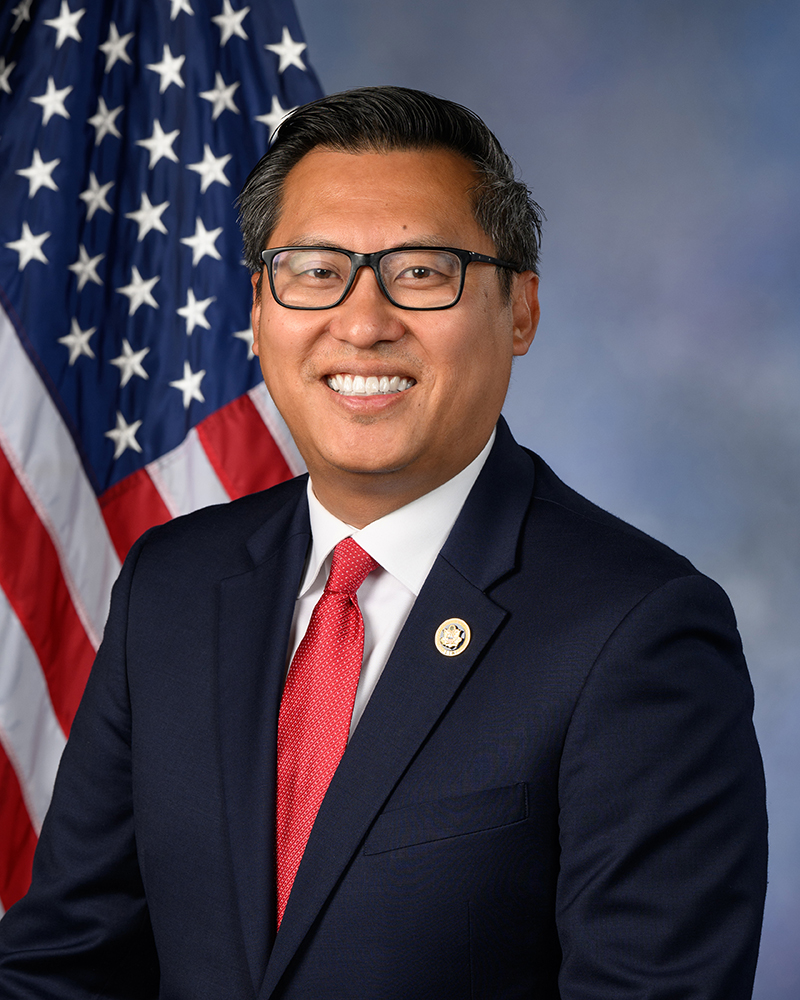
Vince Fong
House · District 20
|
R |
Support
|
61% | 186 |

Lateefah Simon
House · District 12
|
D |
Strong −
|
16% | 186 |
Mike Levin
House · District 49
|
D |
Strong −
|
18% | 186 |
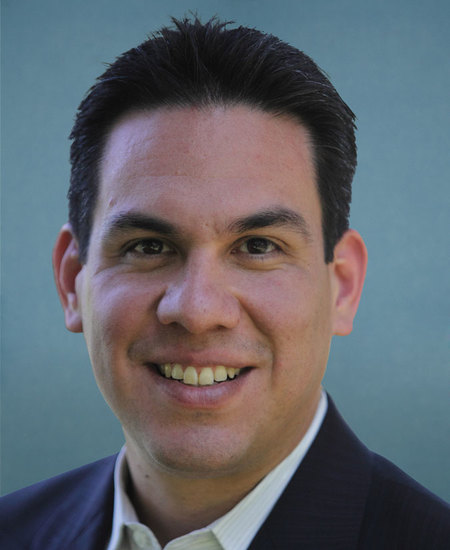
Pete Aguilar
House · District 33
|
D |
Strong −
|
18% | 186 |
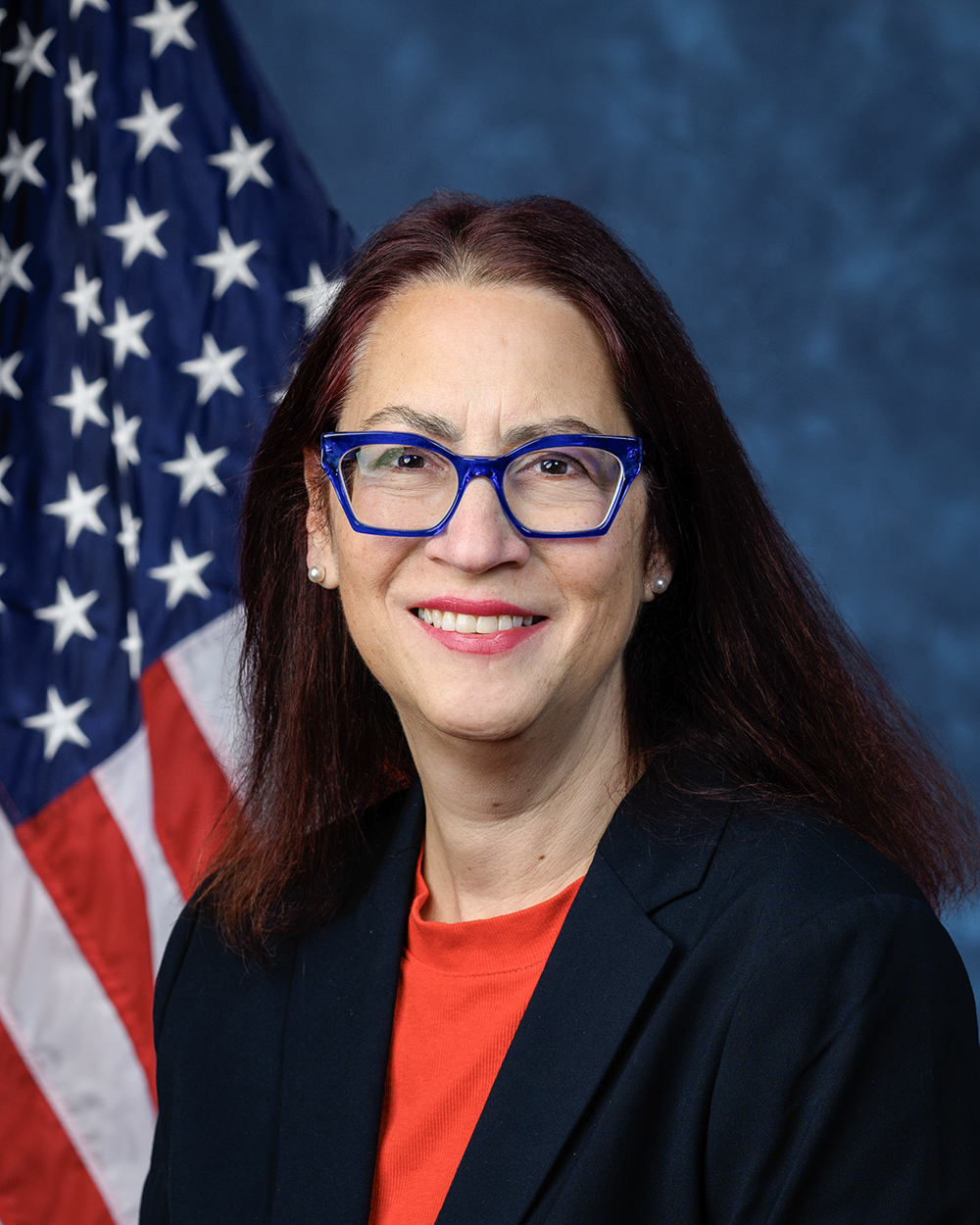
Laura Friedman
House · District 30
|
D |
Strong −
|
18% | 186 |
Jimmy Gomez
House · District 34
|
D |
Strong −
|
18% | 183 |
Showing 1–10 of 657
bills
All budget & taxes bills
HR 10325: To increase the mandatory contribution amount of Federal Home Loan Banks to the Affordable Housing Program, and for other purposes.
Topics
✓ Budget & TaxesSupports Budget & TaxesBill mandates increased financial contributions from Federal Home Loan Banks to the Affordable Housing Program, directly increasing government funding for housing.
✓ HousingSupports HousingThe bill explicitly increases mandatory funding for the Affordable Housing Program by raising Federal Home Loan Bank contributions.
HR 9934: Housing BOOM Act
Topics
✓ Budget & TaxesSupports Budget & TaxesBill explicitly directs billions in annual appropriations and establishes new federal funding mechanisms for housing construction.
✓ HousingSupports HousingThe bill explicitly aims to increase affordable housing supply by raising tax credit limits and establishing new federal funding mechanisms for construction.
HR 10256: Taxpayer Relief from Big Oil Act
HR 9958: Head Start Expansion and Improvement Act of 2026
Topics
✓ Budget & TaxesSupports Budget & TaxesBill authorizes $36 billion annually and creates a separate grant program to fund expanded early childhood education services.
✓ EducationSupports EducationBill expands Head Start eligibility and allocates $36B annually for early childhood education services and facility upgrades.
HR 10156: Better Jobs through Evidence and Innovation Act
Topics
✓ Budget & TaxesSupports Budget & TaxesBill directs federal resources to fund workforce training grants, advancing public service funding and fiscal investment in employment programs.
✓ Labor & EmploymentSupports Labor & EmploymentBill funds innovative employment training and directs resources to improve earnings and job placement for underserved workers.
HR 10295: 9-8-8 Call Center Improvement Act
Topics
✓ Budget & TaxesSupports Budget & TaxesBill authorizes $441 million in federal appropriations to fund crisis call centers, directly advancing government spending and fiscal management for public health services.
✓ HealthcareSupports HealthcareBill funds crisis call centers under HHS to improve mental health access and operations, directly advancing healthcare services.
Sub-Topics
Mental Health
HR 10287: 9-8-8 Crisis Response Act
Topics
✓ Budget & TaxesSupports Budget & TaxesBill explicitly increases federal budget for mental health crisis response from $10M to $100M and expands Medicaid funding mechanisms.
✓ HealthcareSupports HealthcareBill explicitly expands Medicaid coverage and increases funding for mental health crisis response services.
S 5220: Clean Transportation Jobs and Development Act of 2026
Topics
✓ Budget & TaxesSupports Budget & TaxesBill explicitly increases authorized budget for battery processing grants to $6 billion, directly advancing state fiscal management and funding for essential programs.
✓ EnergySupports EnergyBill directs DOE to expand funding for battery manufacturing and critical minerals, strengthening clean energy infrastructure and reducing fossil fuel dependence.
✓ EnvironmentSupports EnvironmentBill funds battery manufacturing and clean vehicle technologies, directly advancing clean energy and reducing emissions.
✓ Labor & EmploymentSupports Labor & EmploymentBill mandates workforce safety and fire prevention plans for grant recipients, directly strengthening workplace safety standards.
✓ TechnologySupports TechnologyBill explicitly funds and expands battery manufacturing and advanced vehicle technologies, directly strengthening the technology sector.
✓ TransportationSupports TransportationBill explicitly funds battery manufacturing and vehicle technologies to advance clean transportation infrastructure.
HR 10044: AI Tax and Work Protection Act
Topics
✓ Budget & TaxesSupports Budget & TaxesBill creates a dedicated trust fund to finance a federal jobs program, directly increasing funding for employment initiatives.
✓ Labor & EmploymentSupports Labor & EmploymentBill creates a federal jobs program to hire permanent workers and fund employment initiatives, directly strengthening labor and employment.
✗ TechnologyOpposes TechnologyBill imposes an excise tax on AI companies, which restricts and financially burdens the technology sector.