






Issue · Budget & Taxes

Budget & Taxes

Every budget & taxes bill, vote, and legislator stance in California, automatically classified by Maddy, our AI policy reader.

Total bills
194
2025-2026 Regular Session
Top supporter
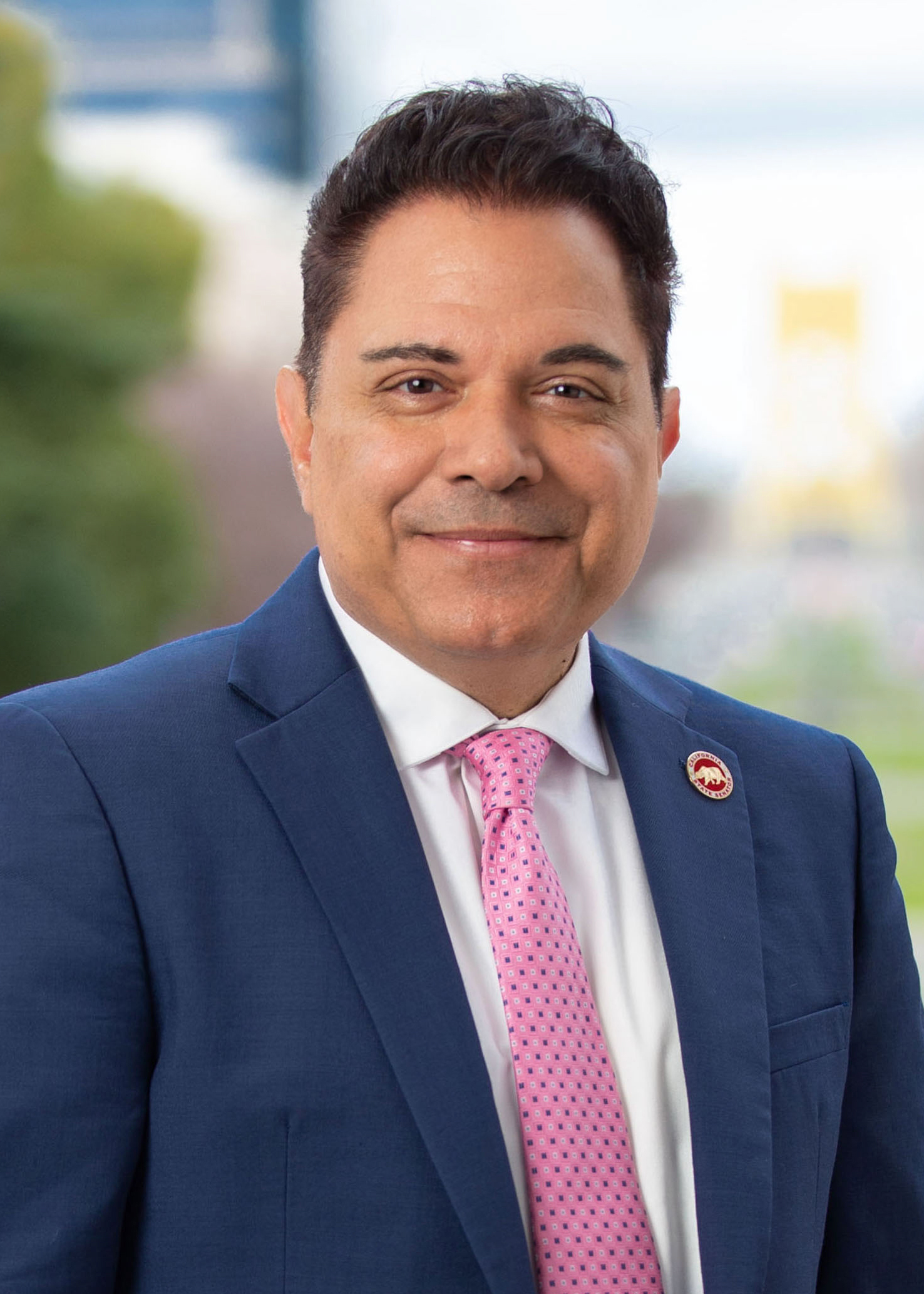
Steve Padilla
97% support rate
Top opponent
Natasha Johnson
4% support rate
Ranked legislators
10
5 support · 5 oppose
Key legislators

Who's moving budget & taxes in California

Legislators moving budget & taxes in California
Legislator Party Stance Support rate Decisive votes
Steve Padilla
Steve Padilla Senate · District 18
D
Strong +
97% 69
Jesse Arreguín
Jesse Arreguín Senate · District 7
D
Strong +
97% 100
Susan Rubio
Susan Rubio Senate · District 22
D
Strong +
97% 65
Darsh Patel
Darsh Patel House · District 76
D
Strong +
97% 61
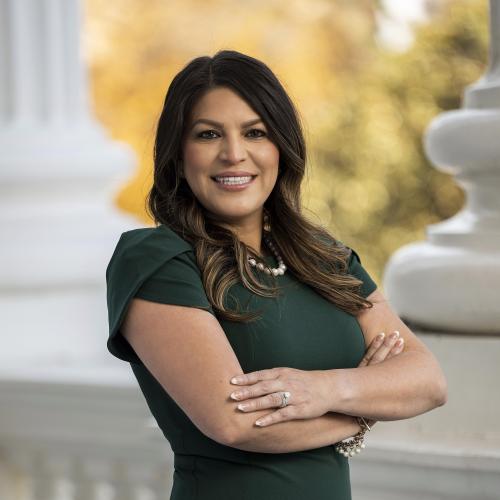
Esmeralda Soria
Esmeralda Soria House · District 27
D
Strong +
97% 61
Natasha Johnson
Natasha Johnson House · District 63
R
Strong −
4% 49
Kelly Seyarto
Kelly Seyarto Senate · District 32
R
Strong −
4% 114
Brian Jones
Brian Jones Senate · District 40
R
Strong −
5% 59
Stan Ellis
Stan Ellis House · District 32
R
Strong −
6% 72
Ali Macedo
Ali Macedo House · District 33
R
Strong −
6% 80
Showing 121–130 of 194 bills

All budget & taxes bills

vetoed · California · Senate Mar 2, 2026

SB 414: School accountability: Office of the Education Inspector General: school financial and performance audits: charter school authorization, oversight, funding, operations, and networks: flex-based instruction: local educational agency contracting.

(1) Existing law requires county superintendents of schools to provide for an audit of all funds under their jurisdiction and control, and requires the governing board of each local educational agency to either provide for an audit of the books and accounts of the local educational agency or make arrangements with county superintendents of schools to provide for that auditing. Existing law requires the governing board of each school district and each office of the county superintendent of schools to include specified provisions in their contracts for audits and requires financial and compliance audits to be performed in accordance with specified standards. If the governing board of a school district has entered into a contract for an independent audit of its financial statements and the audited financial statements have not been filed with the county superintendent of schools on or before a specified due date, existing law authorizes the county superintendent of schools to, among other things, investigate the causes for the delay, as provided. This bill would expressly apply the above-described provisions to educational joint powers authorities and charter schools. The bill, among other things, would require those financial and compliance audits of local educational agencies to be conducted in accordance with specified filing deadlines and would revise requirements regarding which entity is responsible for providing an audit if a local educational agency has not provided for an audit of their respective books and accounts to include the Controller or a chartering authority, as provided. The bill would require, instead of authorize, a county superintendent of schools to investigate the causes for an above-described delay. The bill would require a local educational agency to post the local educational agency's annual financial and compliance audits on its internet website. Existing law requires the Controller to, among other things, on an annual basis, review and monitor the audit reports performed by independent auditors, determine whether audit reports are in conformance with specified reporting provisions, and notify each local educational agency, the responsible county superintendent of schools, the Superintendent, the Department of Finance, and the auditor regarding each determination. Existing law authorizes the Controller to perform quality control reviews of audit working papers to determine whether audits are performed in conformity with those specified standards. Existing law requires the Controller to annually report to the State Department of Education to apprise the department of school districts and offices of county superintendents of schools that are not in compliance with applicable statutes and regulations related to audits and requires the Controller to make recommendations as to what action should be taken by the department. The bill would require the Controller to, if applicable, notify the responsible chartering authority of each determination made, as referenced above, and would require notification to applicable entities to be made within 6 months of the audit report due date or the audit report issue date, whichever is later. The bill would require the Controller to establish and publish as part of the audit guide a weighted risk-based criteria that considers auditor experience and quality factors in determining which audit engagements are required to undergo a quality control review, as provided. The bill would require the Controller to report and provide recommendations to the Superintendent, instead of the department, of entities not in compliance with applicable statutes and regulations and would include educational joint powers authorities and charter schools as reported entities. The bill, commencing with the 2027–28 fiscal year Guide for Annual Audits of K–12 Local Education Agencies and State Compliance Reporting, would require the Controller to include, among other things, instructions requiring specified supplemental information and schedules in audit report components for local educational agency audits and an appendix with the Controller's desk review checklist that is used to determine whether audit reports are in conformance with specified reporting requirements, as provided. Under existing law, once the Controller or county superintendent of schools makes a final determination that specified audits performed by a certified public accountant or public accountant were not performed in substantial conformity with provisions of an audit guide, or that the audit reports do not conform to the provisions of an audit guide, the certified public accountant or public accountant is ineligible to conduct specified audits for 3 years. Existing law requires audits to be made by a certified public accountant or a public accountant, licensed by the California Board of Accountancy, and selected by a local educational agency, as applicable, from a directory of certified public accountants and public accountants deemed by the Controller as qualified to conduct audits of local educational agencies. In order to be added to, or remain on, the Controller's directory of certified public accountants and public accountants as described above, the bill would require, commencing with the 2027–28 fiscal year, and every 2 years thereafter, audit engagement partners and certified public accountants or public accountants responsible for local educational agency audits to, among other things, complete 16 hours of continuing education, demonstrate specified experience, and maintain compliance with the California Board of Accountancy requirements to keep applicable licenses in active status and good standing, as provided. The bill would also apply the continuing education requirement to audit staff who perform audit procedures of local educational agencies. The bill would extend the above-described rules related to the ineligibility of the certified public accountant or public accountant to audits of charter schools, as provided, and would additionally require the Controller to notify charter schools of those certified public accountants or public accountants determined to be ineligible to conduct audits, as provided. To the extent the bill would impose additional duties on local educational agencies or local officials, the bill would impose a state-mandated local program. (2) The bill, until January 1, 2034, would establish the Office of the Education Inspector General. The bill would provide for the appointment of the Education Inspector General by the Governor from a list of 3 qualified individuals nominated by the Joint Legislative Audit Committee, subject to confirmation by a majority of the Senate. The bill would require the Office of the Education Inspector General to, among other things, (A) conduct and supervise forensic audits and investigations relating to the programs and operations of the department, local educational agencies, and entities managing a charter school related to fraud, misappropriation of funds, and other illegal practices and (B) annually report to the appropriate policy committees of the Legislature on investigations and audits of the programs and operations of the department, local educational agencies, and entities managing a charter school. (3) Existing law requires the Controller, in consultation with the Department of Finance and the State Department of Education, to develop a plan to review and report on financial and compliance audits, and with representatives of other entities, to recommend the statements and other information to be included in the audit reports filed with the state by local educational agencies, and to propose the content of an audit guide. Existing law requires the audit guide to include specified content, as provided. This bill would require the Controller to consult with representatives of 2 additional specified entities and would require the audit guide to include a variety of additional content relating to audits of a local educational agency, as provided. (4) Existing law requires the Commission on Teacher Credentialing to establish standards for the issuance and renewal of credentials, certificates, and permits. Existing law requires the commission and the department to enter into a data sharing agreement for the department to provide the commission with educator assignment data necessary to annually identify educator misassignments and vacant positions at local educational agencies, as provided, as part of the State Assignment Accountability System. Existing law requires the commission to annually use data it receives from the department to produce an initial data file of vacant positions and educator assignments that do not have a clear match of credential to assignment and requires the commission to notify local educational agencies and monitoring authorities of the opportunity to access and review the initial data file of potential misassignments, as defined, and vacant positions. Existing law grants the commission the authority to make a final determination for all potential misassignments. Existing law requires, commencing with the 2020–21 school year, the commission to make annual educator assignment, misassignment, and vacant position data publicly available on its internet website. This bill would require teachers employed by a local educational agency and offering certain courses to hold the certificate, permit, or other document required by the commission for that assignment and be monitored. To the extent that this provision would create new duties for county superintendents of schools and local educational agencies, it would constitute a state-mandated local program. (5) Existing law requires state funding to be calculated and withheld from a school district or county office of education for any fiscal year in which a person renders service as a teacher in kindergarten or any of grades 1 to 12, inclusive, who does not have a valid certification document, as provided. This bill would apply the above-described provisions relating to the penalties for a person rendering services as a teacher who does not have a valid certification document to charter schools, as provided. (6) Existing law requires any entity that has a contract with a school district, county office of education, or charter school to ensure that any employee who interacts with pupils, outside of the immediate supervision and control of the pupil's parent or guardian or a school employee, has a valid criminal records summary, as specified. This bill would require an entity that has a contract with a local educational agency to instead ensure any employee who interacts with pupils has a valid criminal records summary without regard to whether the interaction takes place outside of the immediate supervision and control of the pupil's parent or guardian or a school employee. (7) The Charter Schools Act of 1992 requires each charter school to transmit a copy of its annual, independent financial audit report for the preceding fiscal year to the county office of education, the Controller, and the State Department of Education by December 15 of each year. The act authorizes the establishment, operation, and governance of charter schools. Existing law authorizes a charter school that has an approved charter to receive funding for nonclassroom-based instruction only if a determination for funding is made by the State Board of Education, as specified. The act prohibits, from January 1, 2020, to January 1, 2026, inclusive, the approval of a petition for the establishment of a new charter school offering nonclassroom-based instruction, as specified. This bill would extend that prohibition to instead continue through June 30, 2026. This bill would require the governing body of a charter school, by January 31, 2026, and by January 31 of each year thereafter, to review, at a public meeting as an item on the agenda, the annual audit of the charter school for the prior fiscal year, any audit exceptions identified in that audit, the recommendations or findings of any management letter issued by the auditor, and any description of correction or plans to correct any exceptions or management letter issue. By imposing additional requirements on charter schools, the bill would impose a state-mandated local program. The bill would replace the term "nonclassroom-based instruction" with "flex-based instruction" and define a "flex-based charter school" as a charter school that receives a determination for funding from the state board, as described above. The bill would also make numerous nonsubstantive and conforming changes. (8) Existing law requires each chartering authority to, among other things, monitor the fiscal condition of each charter school under its authority. Existing law authorizes the state board to, based upon the recommendation of the Superintendent of Public Instruction, take appropriate action when the state board finds, among other things, illegal or substantially improper use of charter school funds for the personal benefit of any officer, director, or fiduciary of the charter school, as provided. This bill would require that monitoring to also include a review of a sample of credit and debit card transactions of each charter school under its authority. The bill would require a chartering authority to provide the governing body of the charter school with feedback on any issues of concern identified in the review, as provided. If a chartering authority has reasonable suspicion that fraud, misappropriations of public funds, embezzlement, or other financial crimes, may be occurring, the bill would require the chartering authority to notify the State Department of Education and the county office of education. The bill would require the state board, or the state board's designee, to promptly investigate allegations of false claims or misappropriation of public funds by charter schools if there is probable cause to believe that those crimes have occurred. By imposing additional requirements on charter schools and local educational agencies acting as chartering authorities, the bill would impose a state-mandated local program. (9) Existing law, until January 1, 2026, sets out performance standards and procedures for the renewal of charter schools. Existing law sets out revised standards and procedures that are operative on and after January 1, 2026. This bill would extend, until July 1, 2028, the operation of the performance standards and procedures for the renewal of charter schools that would otherwise be inoperative on January 1, 2026, and would delay the operation of the revised standards and procedures until July 1, 2028. (10) Existing law provides for the apportionment of state funding to a charter school based on the average daily attendance that is generated by pupils engaged in nonclassroom-based instruction, as defined, in accordance with prescribed criteria and procedures. This bill would revise and recast those provisions by, among other things, requiring the determination of funding to be on a percentage basis and require the Superintendent to implement the determination for funding by reducing the charter school's reported average daily attendance by the percentage specified by the state board, as specified, and, commencing with the 2027–28 fiscal year, requiring the state board's Advisory Commission on Charter Schools to recommend to the state board the approval of a funding determination request submitted by a charter school consistent with specified conditions. Beginning with the 2027–28 school year, the bill would require the State Department of Education to annually develop a list that identifies networks of flex-based charter schools, as defined, based on data from the prior school year. (11) Existing law authorizes a school district, county office of education, or charter school to offer independent study to meet the educational needs of pupils when certain requirements are met, including, among others, that the local educational agency has adopted written policies, and implemented those policies, in accordance with rules and regulations adopted by the Superintendent, as specified. Existing law authorizes a local educational agency to claim apportionment credit for independent study only to the extent of the time value of pupil work products. This bill would require a local educational agency to maintain one complete pupil work product in each of 4 specified subjects for a pupil enrolled in independent study for each of 3 specified attendance periods, except as provided. (12) The bill would establish the Charter Authorizer Mentor Grant Program to be administered by the California Collaborative for Educational Excellence for the purpose of providing competitive grants to qualified applicants to provide technical assistance to eligible chartering authorities of charter schools, as defined. The bill would establish the Charter School Authorizer Grant Program within the department to provide grants to chartering authorities for certain increased costs associated with the responsibilities imposed by this bill, as provided. (13) The bill would require the governing board or body of a school district, educational joint powers authority, county office of education, or charter school, on or before July 1, 2027, to adopt a policy in order to evaluate and approve contractors. The bill would require the policy to include specified provisions, including, among other things, that a local educational agency is prohibited from (A) expending public funds for a contract unless the materials, programs, and activities are nonsectarian, (B) offering financial payments or gifts as an incentive for pupil enrollment, referral, or retention, and (C) purchasing or contracting for season passes or membership to amusement or theme parks, zoos, or family entertainment activities, except as provided. (14) Under the California Constitution, whenever the Legislature or a state agency mandates a new program or higher level of service on any local agency, the state is required to provide a subvention of funds to reimburse the local agency, with specified exceptions. Existing law, for purposes of this reimbursement, defines "local agency" to include any city, county, special district, authority, or other political subdivision of the state. This bill, for purposes of the above-described state reimbursement, would explicitly add any charter school to the definition of local agency. (15) This bill would provide that the provisions of this bill are severable. (16) The California Constitution requires the state to reimburse local agencies and school districts for certain costs mandated by the state. Statutory provisions establish procedures for making that reimbursement. This bill would provide that, if the Commission on State Mandates determines that the bill contains costs mandated by the state, reimbursement for those costs shall be made pursuant to the statutory provisions noted above.
vetoed · California · Senate Mar 2, 2026

SB 785: Personal income tax: credit: durable medical equipment.

The Personal Income Tax Law allows various credits against the tax imposed by that law. This bill, for taxable years beginning on or after January 1, 2026, and before January 1, 2031, would allow a credit against those taxes in an amount equal to 50% of unreimbursed costs paid or incurred by a taxpayer for the purchase of durable medical equipment, as defined, for use by a qualifying dependent, as defined, during the taxable year. The bill would limit the credit to $5,000 per taxable year for each qualifying dependent. Existing law requires any bill authorizing a new tax expenditure to contain, among other things, specific goals that the tax expenditure will achieve, detailed performance indicators, and data collection requirements. This bill also would include additional information required for any bill authorizing a new tax expenditure. This bill would take effect immediately as a tax levy.
vetoed · California · Senate Mar 2, 2026

SB 512: District elections: initiatives.

Existing law prescribes the procedures by which a proposed ordinance may be submitted to the governing board of a district by an initiative measure. These procedures do not apply to specified districts, including a district formed under a law that does not provide a procedure for elections. This bill would authorize the voters of any district that has authority to impose a transactions and use tax for transportation purposes to impose a retail transactions and use tax by an initiative measure. The bill would prohibit the initiative tax from exceeding the maximum authorized rate for a tax imposed by an ordinance enacted by the governing body of the district, and the bill would require the initiative measure to contain all spending limitations and substantive accountability standards applicable to a tax imposed by an ordinance enacted by the governing body. To the extent the bill would increase the duties of county elections officials, the bill would impose a state-mandated local program. The California Constitution requires the state to reimburse local agencies and school districts for certain costs mandated by the state. Statutory provisions establish procedures for making that reimbursement. This bill would provide that, if the Commission on State Mandates determines that the bill contains costs mandated by the state, reimbursement for those costs shall be made pursuant to the statutory provisions noted above.
passed · California · Assembly Feb 18, 2026

AJR 25: Health care coverage: enhanced Affordable Care Act premium tax credits.

This measure would urge the United States Congress and the President of the United States to immediately restore and extend the enhanced Affordable Care Act premium tax credits.
signed · California · Assembly Feb 10, 2026

AB 1485: Property tax: documentary transfer tax: exemptions: Native American tribes.

(1) The California Constitution authorizes the Legislature to exempt from taxation, in whole or in part, property that is used exclusively for religious, hospital, or charitable purposes, and is owned or held in trust by a nonprofit entity. Pursuant to that authority, existing law provides for a welfare exemption under which property used exclusively for an exempt purpose and owned and operated by specified entities, including foundations, limited liability companies, or corporations meeting certain statutory requirements, is exempt from taxation. Existing law, until the lien date in 2027, also provides that property used exclusively for the preservation of specified natural resources or open-space lands owned or operated by a specified entity meeting specified criteria is deemed to be included within the welfare exemption. This bill would provide that, for purposes of the exemption for property used exclusively for the preservation of specified natural resources or open-space lands, for the property tax lien dates for the 2026–27 fiscal year to the 2031–32 fiscal year, inclusive, property may be owned and operated by a federally recognized Indian tribe or a wholly owned subsidiary of a federally recognized Indian tribe meeting certain requirements. By expanding the duties of local tax officials, this bill would impose a state-mandated local program. (2) Existing law authorizes counties and cities and counties to impose a documentary transfer tax at a specified rate upon deeds, instruments, or other writings by which specified property is transferred. Existing law exempts certain transfers from the imposition of that tax, as specified. This bill would, until January 1, 2031, exempt from that tax the transfer of any deed, instrument, or other writing that makes effective a tribal land return transaction, as defined. (3) Existing law requires any bill authorizing a new tax expenditure to contain, among other things, specific goals, purposes, and objectives that the tax expenditure will achieve, detailed performance indicators, and data collection requirements. This bill would include additional information required for any bill authorizing a new tax expenditure. (4) The California Constitution requires the state to reimburse local agencies and school districts for certain costs mandated by the state. Statutory provisions establish procedures for making that reimbursement. This bill would provide that, if the Commission on State Mandates determines that the bill contains costs mandated by the state, reimbursement for those costs shall be made pursuant to the statutory provisions noted above. (5) This bill would take effect immediately as a tax levy.
vetoed · California · Assembly Jan 22, 2026

AB 797: Community Stabilization Act: Counties of Los Angeles and Ventura.

(1) Existing law, the Bergeson-Peace Infrastructure and Economic Development Bank Act, establishes the California Infrastructure and Economic Development Bank (I-Bank) in the Governor's Office of Business and Economic Development. Existing law, among other things, authorizes the I-Bank to issue bonds, make loans, and provide financial assistance for various types of projects that qualify as economic development or public development facilities. This bill would enact the Community Stabilization Act. The bill would require the I-Bank to develop and administer a program to issue a security, and to cease issuing a security on January 1, 2030. The bill would specify that the purpose of the program is to help stabilize property values in disaster-affected areas by allowing qualified investors, as defined, to purchase tradable securities, with the funding allocated to qualifying investment entities that purchase and manage residential land until it can be resold at fair market value. The bill would require profits from the land investments to be shared among investors and the I-Bank according to certain percentages, with qualifying investment entities being reimbursed for their administrative costs. This bill would establish various requirements for the security, including that it be tradeable, comply with specified municipal bonding requirements, and that it be funded by investments made by qualified investors using funds available pursuant to the federal Community Reinvestment Act of 1977. The bill would require the security to repay the investment upon a liquidity event and within 7 years of the purchase of an investment property, and would describe a liquidity event as the refinance or sale of the investment property. This bill would require funds raised from the purchase of the security to be deposited in the Community Stabilization Fund, which would be created by the bill, and would require all moneys in the fund to be continuously appropriated to the I-Bank. The bill would require the I-Bank to allocate moneys in the fund to qualifying investment entities to be invested in the Counties of Los Angeles and Ventura and in those areas that are covered by a state of disaster declared by the Governor. The bill would require a qualifying investment entity to meet prescribed requirements, including that it be a specified entity, including, among others, a nonprofit organization, as provided. The bill would also impose various requirements on the qualifying investment entity relating to the purchase, maintenance, and sale of the investment property, including, among other things, limiting the purchase of property to residential property that has been damaged or destroyed by the wildfires that began on January 7, 2025, in the Counties of Los Angeles and Ventura, as specified. The bill would require the I-Bank to submit a final report on the program to the Legislature, the Governor, and the Department of Finance no later than January 1, 2034, as specified. By establishing a new continuously appropriated fund, the Community Stabilization Fund, this bill would make an appropriation. (2) This bill would make legislative findings and declarations as to the necessity of a special statute for the Counties of Los Angeles and Ventura. (3) This bill would declare that it is to take effect immediately as an urgency statute.
vetoed · California · Assembly Jan 22, 2026

AB 449: Civil Rights Department: antidiscrimination campaigns.

Existing law, the California Fair Employment and Housing Act, establishes the Civil Rights Department within the Business, Consumer Services, and Housing Agency and sets forth its powers and duties relating to enforcement of civil rights laws and assistance to communities in resolving disputes, disagreements, or difficulties relating to discriminatory practices. This bill, upon appropriation by the Legislature and commencing on or before the later of either July 1, 2026, or one year after the date of the appropriation, would require the department to create and implement statewide and regional radio, social media, and television campaigns for the purposes of discouraging discrimination. The bill would require the department to convene a working group to develop a plan to implement the campaigns above. The bill would exempt the working group from the Bagley-Keene Open Meeting Act. Existing constitutional provisions require that a statute that limits the right of access to the meetings of public bodies or the writings of public officials and agencies be adopted with findings demonstrating the interest protected by the limitation and the need for protecting that interest. This bill would make legislative findings to that effect.
vetoed · California · Assembly Jan 22, 2026

AB 524: Farmland Access and Conservation for Thriving Communities Act.

Existing law, the California Farmland Conservancy Program Act, establishes within the Department of Conservation the California Farmland Conservancy Program. Existing law authorizes the program to offer financial assistance, including grants or contracts, for projects and activities on agricultural lands, as defined, that support agricultural conservation and sustainable land management. This bill would require the department, in collaboration with the California Agricultural Land Equity Task Force, to establish the Farmland Access and Conservation for Thriving Communities Program in the department to provide financial and technical assistance to support agricultural land acquisition and protection. The bill would require the department, subject to specified requirements, to provide financial assistance under the program to qualified entities for the purpose of acquiring agricultural lands to transfer or provide long-term leases to qualified farmer participants, as specified. The bill would establish the Farmland Access Fund in the State Treasury and would make moneys in the fund available, upon appropriation by the Legislature, to the department for program expenditures. The bill would authorize the department to contract with one or more nonprofit organizations to administer the program. The bill would make the operation of the program contingent upon the Legislature making an appropriation for purposes of the program.
vetoed · California · Assembly Jan 22, 2026

AB 265: Small Business Recovery Fund Act.

Existing law establishes the Office of Small Business Advocate (OSBA) within the Governor's Office of Business and Economic Development, also known as GO-Biz, to advocate for causes of small business and to provide small businesses with the information they need to survive in the marketplace. This bill, upon appropriation by the Legislature, would require OSBA to allocate 90% of the moneys appropriated to the Small Business Recovery Fund, which would be created within the State Treasury, for purposes of a small business recovery grant program to provide competitive grants to small businesses, as defined, that are directly impacted by a state of emergency proclaimed by the Governor or other specified emergencies. The bill would require the funds to be used for, among other things, to support recovery and rebuilding efforts, and would require a grantee to match the amount of the grant awarded. The bill would require OSBA to award grants in amounts that range from $2,500 to $100,000, inclusive. This bill would require OSBA to allocate 5% of the moneys appropriated to the fund to the Small Business Technical Assistance Program administered by GO-Biz, for grants to small business technical assistance centers that provide direct service to disaster-affected areas, and 5% to the Capital Infusion Program administered by GO-Biz, to support increased demand for capital-related technical assistance in disaster areas. This bill would require the Director of the Office of Small Business Advocate to prepare and submit a report to the Legislature on the results of grant funds awarded for each state of emergency proclaimed by the Governor, as provided. This bill would repeal the Small Business Recovery Fund Act on January 1, 2032.
signed · California · Senate Oct 13, 2025

SB 63: San Francisco Bay area: local revenue measure: public transit funding.

(1) Existing law creates the Metropolitan Transportation Commission as a local area planning agency for the 9-county San Francisco Bay area with comprehensive regional transportation planning and other related responsibilities. Existing law creates various transit districts located in the San Francisco Bay area, with specified powers and duties relating to providing public transit services. This bill would establish the Public Transit Revenue Measure District with jurisdiction extending throughout the boundaries of the Counties of Alameda, Contra Costa, San Mateo, and Santa Clara and the City and County of San Francisco and would require the district to be governed by the same board that governs the commission, thereby imposing a state-mandated local program. The bill would authorize a retail transactions and use tax applicable to the entire district to be imposed by the board of the district or by a qualified voter initiative for a duration of 14 years, and in an amount of 0.5% in each of the above-described counties located within the district and 1% in the City and County of San Francisco, subject to voter approval at the November 3, 2026, statewide general election. After payments are made for various administrative expenses, the bill would require the district to transfer specified portions of the proceeds of the tax to the commission for allocation to certain programs and other purposes and for allocation to the Alameda-Contra Costa Transit District, the Peninsula Corridor Joint Powers Board, commonly known as Caltrain, the San Francisco Bay Area Rapid Transit District, the San Francisco Municipal Transportation Agency, and other specified transit agencies, for transit operations expenses, and would require the district to transfer specified portions of the proceeds of the tax directly to other specified local transportation agencies, including the San Mateo County Transit District and the Santa Clara Valley Transportation Authority, for public transit expenses, as prescribed. By adding to the duties of local officials with respect to elections procedures for this bill on behalf of the district, the bill would impose a state-mandated local program. (2) Existing law requires the commission to develop regional transit service objectives, develop performance measures of efficiency and effectiveness, specify uniform data requirements to assess public transit service benefits and costs, and formulate procedures for establishing regional transportation priorities in the allocation of funds for transportation purposes. This bill would require the commission to contract with, and manage, a third-party consultant to conduct a financial efficiency review of the Alameda-Contra Costa Transit District, Caltrain, the San Francisco Bay Area Rapid Transit District, and the San Francisco Municipal Transportation Agency, as specified. The bill would require the review to be completed in 2 phases, with the analysis for the 2nd phase only required if the tax measure is approved by the voters of the Public Transit Revenue Measure District. The bill would require the consultant to transmit the analysis for each phase to an oversight committee, which the bill would create with a prescribed membership, for review and adoption. The bill would require a transit operator subject to the financial efficiency review to take specified actions in response to the analysis for the first phase and, subject to review of the oversight committee, to adopt an implementation plan that describes the cost-saving measures identified in the analysis for the 2nd phase that the operator plans to implement, as specified. The bill would require a transit operator subject to the financial efficiency review to verify its compliance with the requirements of the review as a condition of receiving funds from the tax measure approved by the voters of the district. The bill would require each transit operator to which the commission allocates funds to comply with a maintenance of effort requirement as a condition of receiving those funds, as provided. This bill would require the commission, if the tax measure is approved by the voters of the district and other conditions are satisfied, to establish an ad hoc adjudication committee for a transit operator subject to the above-described financial efficiency review to assess and adjudicate petitions submitted by a participating county transportation entity, as defined, or a county board of supervisors with regard to the performance of the transit operator within the geographic jurisdiction of the entity submitting the petition, as provided. As part of this process, the bill would require an ad hoc adjudication committee, among other things, to determine whether to direct the commission to withhold funding from the tax measure allocated to the transit operator if the committee agrees with a claim regarding the performance of the transit operator, as specified. This bill would require the commission to submit a report to the Legislature on or before March 31, 2026, on its forecast of the impacts to ridership on the Alameda-Contra Costa Transit District, Caltrain, the San Francisco Bay Area Rapid Transit District, and the San Francisco Municipal Transportation Agency from planned transportation projects and strategies included in its adopted regional transportation plan. By adding to the duties of the commission, the bill would impose a state-mandated local program. (3) The Bay Area County Traffic and Transportation Funding Act authorizes the formation of county transportation authorities in each of the 9 bay area counties, and provides for the imposition of a retail transaction and use tax in each of those counties of either 12 of 1% or 1%, subject to voter approval, with revenues to be used for various transportation purposes. This bill would instead provide that a retail transaction and use tax imposed under those provisions in the County of San Mateo or the City and County of San Francisco may be imposed in 18 of 1% increments up to 1%. (4) This bill would declare that its provisions are severable. (5) The California Constitution requires the state to reimburse local agencies and school districts for certain costs mandated by the state. Statutory provisions establish procedures for making that reimbursement. This bill would provide that, if the Commission on State Mandates determines that the bill contains costs mandated by the state, reimbursement for those costs shall be made pursuant to the statutory provisions noted above.
Showing 121 to 130 of 194 bills
Previous 1 … 12 13 14 … 20 Next