Maddy summaryThis bill makes online grocery purchasing with SNAP benefits permanent nationwide, ending the current pilot program. It requires the Secretary of Agriculture to transition the program within 120 days, issue necessary regulations within two years covering program integrity and equitable access, and consult with retailers, states, and consumer advocates. SNAP recipients who shop online for groceries will directly benefit from this permanent access, while retailers and EBT processors must comply with new nationwide rules. The bill mandates a report to Congress within 120 days detailing stakeholder input and recommendations.
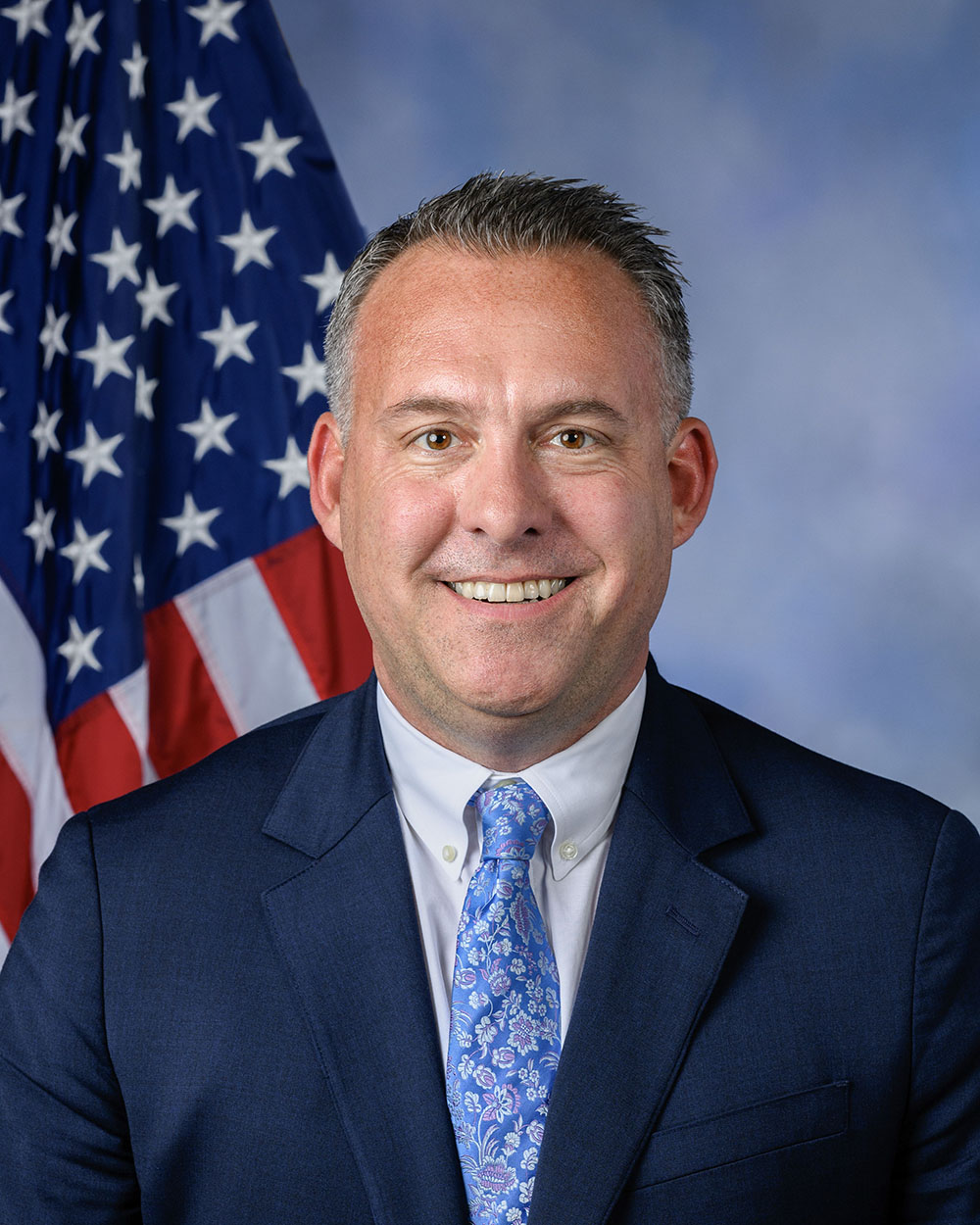
Rep. Adam Gray
Sponsored bills
Maddy summaryHR 7426, the USDA Express Loan Act of 2026, streamlines the application and approval process for USDA-guaranteed farm loans. It requires a simplified application form for real estate and operating loans under $1 million and mandates that the USDA approve or disapprove complete applications within 5 business days. The bill also sets new guarantee caps: 90% for loans up to $125,000, 75% for $125,000-$500,000, and 50% for $500,000-$1 million. Additionally, it creates an accelerated process for business and industry loans under $400,000 (up to $600,000 with low default risk) to assist rural businesses. This directly affects farmers, ranchers, and rural businesses seeking USDA-guaranteed loans through participating lenders.
Maddy summaryThis bill amends the Food and Nutrition Act of 2008 to exempt veterans from work requirements when applying for SNAP (Supplemental Nutrition Assistance Program) benefits. It directly affects veterans who would otherwise face work requirements for SNAP eligibility. The key change adds "a veteran" as a specific exemption category in Section 6(o)(3), updating the existing list of exempt groups. This creates a clear, automatic exemption for veterans under current law, removing a barrier to accessing food assistance.
Maddy summaryThe FREEDOM Act creates a new De-Risking Compensation Program to reimburse energy project developers when regulatory actions cause projects to be canceled or become unviable. Project sponsors pay annual premiums (1.5% of capital contribution) to enroll, and can receive compensation if agencies fail to meet deadlines or revoke permits. The bill establishes strict permitting timelines (90 days for routine authorizations, 1 year for complex authorizations) and creates a Permitting Performance Fund to pay for contractor work when agencies miss deadlines. It prohibits agencies from halting or delaying "fully permitted projects" (projects that have received most required authorizations). The bill directly affects energy developers, federal agencies, and the federal government through new compensation obligations.
Enhanced Iran Sanctions Act of 2025 This bill imposes sanctions on certain foreign persons (individuals and entities) that are involved in Iran's petroleum sector as well as certain associated persons. The bill also requires or authorizes actions to facilitate the enforcement of sanctions on Iran. Specifically, the bill requires the President to impose visa- and property-blocking sanctions on any foreign person that, after the bill's enactment, knowingly engages in any transaction related to the processing, export, or sale of oil, condensates, gas, liquefied natural gas, or other petrochemical products in whole or in part from Iran. The President must also impose sanctions on certain foreign persons associated with a sanctioned individual or entity. For example, the President must sanction the subsidiaries and corporate officers of a sanctioned business. The bill provides certain exceptions to these sanctions, including specifying that sanctions do not apply to the importation of goods or to conducting or facilitating transactions for humanitarian assistance. The Department of State must establish an interagency working group that shall seek to establish a multilateral contact group to coordinate international efforts to enforce sanctions on Iran. The bill expands the State Department rewards program to authorize a reward payment to any individual who furnishes information leading to the identification of a person (1) subject to sanctions under this bill, or (2) that has attempted or is attempting to evade sanctions under this bill.
Law-Enforcement Innovate to De-Escalate Act This bill removes less-than-lethal projectile devices (e.g., certain TASERs) from regulation under the Gun Control Act. The term less-than-lethal projectile device means a device that (1) is not designed or intended to expel (and may not be readily converted to discharge) commonly used ammunition or projectiles exceeding a velocity of 500 feet per second; (2) is designed and intended to be used in a manner not likely to cause death or serious bodily injury; and (3) does not accept (and cannot be readily modified to accept) an ammunition feeding device. The bill also requires the Bureau of Alcohol, Tobacco, Firearms and Explosives to determine whether a device satisfies the definition of a less-than-lethal projectile device within 90 days of a request.
Maddy summaryHR 4304, the FAIR Bet Act, amends the tax code to allow gamblers to deduct 100% of their wagering losses instead of the current 90% limit. This change directly affects individuals who report gambling losses on their federal income tax returns. The key provision modifies Section 165(d) of the Internal Revenue Code to remove the 90% restriction on deducting gambling losses. The bill does not alter how gambling winnings are taxed, only the deduction available for losses.
Maddy summaryThis bill amends the tax code to exclude specific Social Security benefits from taxable income. It directly affects individuals receiving Social Security benefits that were previously subject to taxation due to certain pension rules (like the Windfall Elimination Provision), but are restored under the Social Security Fairness Act of 2023. The exclusion applies only to payments attributable to those restored benefits for months between January 2025 and December 2026. This changes the tax treatment of a defined subset of Social Security payments during a specific two-year period.
Maddy summaryThis bill prevents state or local governments from banning or restricting energy connections (like installation, modification, or access) based on the type or source of energy, such as electricity, natural gas, or renewable fuels. It directly affects consumers choosing energy providers and energy companies seeking to offer services. The key provision prohibits local laws, regulations, or policies that limit energy services sold in interstate commerce, covering all energy types listed in the bill’s definitions. It does not create new programs but limits regulatory authority at the state or local level. The law aims to ensure open access to diverse energy sources without source-based restrictions.
Maddy summaryThis bill exempts certain less-than-lethal projectile devices from federal sales taxes and National Firearms Act restrictions. It directly affects manufacturers, importers, and producers of these devices, which are defined as non-lethal tools (like rubber bullets or beanbag rounds) designed not to cause serious injury and unable to be easily converted to use standard firearm ammunition. Key mechanisms include a 90-day classification process for manufacturers seeking exemption, an annual public list of approved devices, and annual congressional reports on devices excluded from the exemption. The policy change applies to devices meeting specific safety criteria, such as projectile velocity limits and design features preventing misuse as conventional weapons.