HR 1422 United States House · 119th Congress

Enhanced Iran Sanctions Act of 2025

Summary
Enhanced Iran Sanctions Act of 2025 This bill imposes sanctions on certain foreign persons (individuals and entities) that are involved in Iran's petroleum sector as well as certain associated persons. The bill also requires or authorizes actions to facilitate the enforcement of sanctions on Iran. Specifically, the bill requires the President to impose visa- and property-blocking sanctions on any foreign person that, after the bill's enactment, knowingly engages in any transaction related to the processing, export, or sale of oil, condensates, gas, liquefied natural gas, or other petrochemical products in whole or in part from Iran. The President must also impose sanctions on certain foreign persons associated with a sanctioned individual or entity. For example, the President must sanction the subsidiaries and corporate officers of a sanctioned business. The bill provides certain exceptions to these sanctions, including specifying that sanctions do not apply to the importation of goods or to conducting or facilitating transactions for humanitarian assistance. The Department of State must establish an interagency working group that shall seek to establish a multilateral contact group to coordinate international efforts to enforce sanctions on Iran. The bill expands the State Department rewards program to authorize a reward payment to any individual who furnishes information leading to the identification of a person (1) subject to sanctions under this bill, or (2) that has attempted or is attempting to evade sanctions under this bill.
Bill status passed 3 of 5 stages cleared
Introduction
Feb 2025
Committee Review
Mar 2026
House Passage
Mar 2026
Senate Passage
President
Introduced Feb 18, 2025 Last action Mar 17, 2026
Maddy AI version diff · 1 comparison

What changed between versions

Introduced in House Engrossed in House · 12 edits · Mar 16, 2026
MAJOR
The Engrossed version of HR 1422 makes several substantive changes to the Enhanced Iran Sanctions Act of 2025: it converts mandatory sanctions into discretionary ones (changing 'shall' to 'may'), removes the entire Interagency Working Group section, adds a termination provision that ends sanctions if Iran stops supporting terrorism and dismantles its WMD programs, lowers the presidential waiver threshold from 'vital to' to simply 'in' the national interest, and narrows the scope of covered petroleum products by removing gas and liquefied natural gas. The bill also removes a safe harbor for persons relying on certificates of origin and adds a requirement for the President to issue implementing regulations within 60 days.
Scope change
The bill's scope narrowed in some respects (removal of gas and LNG from covered products, removal of the Interagency Working Group) while expanding in others (broader officer coverage, new WMD-related termination trigger, expanded Rewards for Justice Program). The shift from mandatory to discretionary sanctions significantly reduces the bill's automatic enforcement reach.
REQUIREMENT

Sanctions changed from mandatory ('shall impose') to discretionary ('may impose'), giving the President the option not to sanction qualifying foreign persons.

The presidential waiver standard was lowered from 'vital to the national interests of the United States' to simply 'in the national interests of the United States,' making it easier for the President to grant waivers.

The waiver renewal process was simplified: the requirement to submit the renewal report at least 15 days before expiration was removed, but a new requirement was added that reoccurring waivers must include steps taken to implement the phase-out plan.

SCOPE

The entire Interagency Working Group on Iranian Sanctions section (former Section 5) was deleted, including provisions for a multilateral contact group with like-minded nations to coordinate enforcement.

The Rewards for Justice Program amendment (moved from Section 6 to Section 3) was expanded to cover persons evading sanctions with proceeds from 'oil, condensates, or other petroleum or petrochemical products' rather than the narrower 'sale of intercepted oil, gas, liquefied natural gas, petrochemical products, or related products.'

The humanitarian assistance exception was narrowed to apply only to transactions 'to or for the people of Iran,' and a new exception was added for authorized intelligence, law enforcement, or national security activities.

TIMELINE

A new termination provision (subsection f) ends the sanctions requirement 30 days after the President certifies that Iran no longer supports international terrorism AND has verifiably dismantled its nuclear, biological, chemical weapons and ballistic missile programs.

A new requirement mandates that the President issue regulations or guidance within 60 days after enactment to implement the sanctions provisions.

ELIGIBILITY

The list of covered petroleum products was narrowed: 'gas' and 'liquefied natural gas' were removed, leaving only 'oil, condensates, or other petroleum or petrochemical product.' However, 'refining' and 'transfer' were added as covered activities.

The 50 percent ownership or control threshold for imposing sanctions on related entities was removed entirely. In its place, the bill now covers corporate officers, principal executive officers, and persons performing similar functions (broader than just 'corporate officer').

ENFORCEMENT

The rules of construction subsection was deleted, which had included a safe harbor protecting persons who relied in good faith on certificates of origin or other documentation confirming petroleum did not originate from Iran, and a provision requiring consistency with OFAC Frequently Asked Questions 398-402.

Visa revocation no longer takes effect 'immediately' or 'automatically cancels' other visas; instead it now takes effect in accordance with section 221(i) of the Immigration and Nationality Act, which provides for a more structured process.

Floor votes

How they voted

This bill passed the House by voice vote (no roll call recorded).
Full legislative history

Actions timeline

Total actions
13
Key actions
2
Committee
3
Amendments
4
Mar 17, 2026
Committee
Received in the Senate and Read twice and referred to the Committee on Foreign Relations.
upper
Mar 16, 2026
Introduced
The title of the measure was amended. Agreed to without objection.
lower
Mar 16, 2026
Introduced
On motion to suspend the rules and pass the bill, as amended Agreed to by voice vote. (text: CR H2500-2501)
lower
Mar 16, 2026
Lower · Passed
Passed/agreed to in House: On motion to suspend the rules and pass the bill, as amended Agreed to by voice vote. (text: CR H2500-2501)
lower
Mar 16, 2026
Introduced
Mrs. Kim moved to suspend the rules and pass the bill, as amended.
lower
Jan 12, 2026
Introduced
Motion to place bill on Consensus Calendar filed by Mr. Lawler.
lower
Apr 9, 2025
Introduced
Ordered to be Reported (Amended) by Voice Vote.
lower
Apr 9, 2025
Lower · Passed
Committee Consideration and Mark-up Session Held
lower
Feb 18, 2025
Committee
Referred to the Committee on Foreign Affairs, and in addition to the Committee on the Judiciary, for a period to be subsequently determined by the Speaker, in each case for consideration of such provisions as fall within the jurisdiction of the committee concerned.
lower
Feb 18, 2025
Introduced
Introduced in House
lower
1 primary · 295 co-sponsors

Sponsors
Role
Legislator
Party
State
District
P
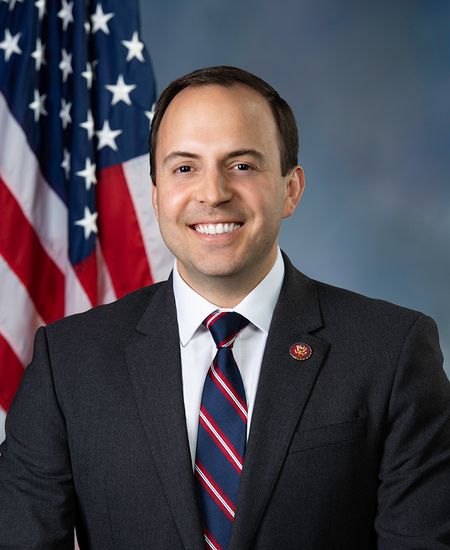
Photo of Michael Lawler
Michael Lawler
RRepublican
NY
17
Co
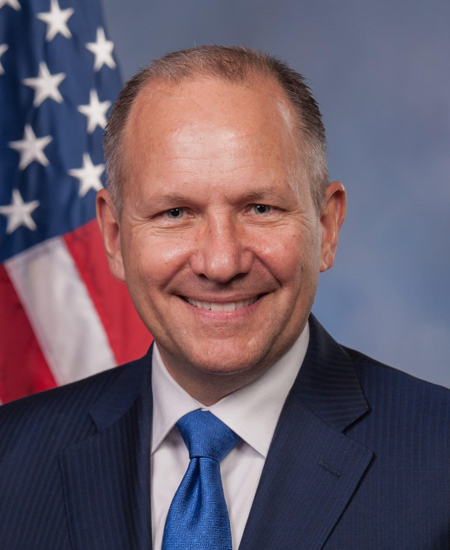
Photo of Abraham J. Hamadeh
Abraham J. Hamadeh
RRepublican
AZ
8
Co
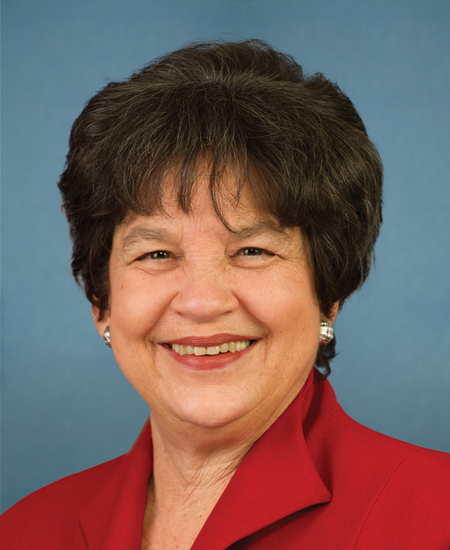
Photo of Adam Gray
Adam Gray
DDemocratic
CA
13
Co
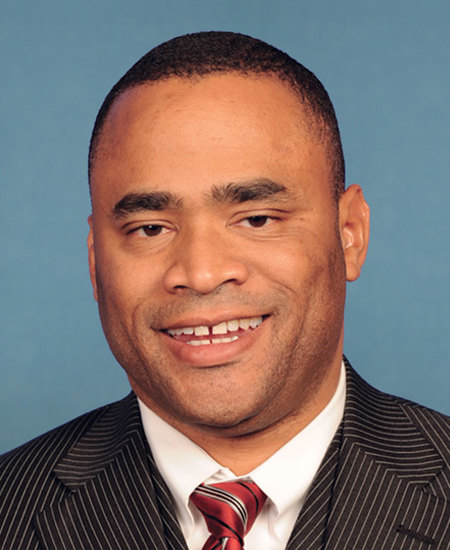
Photo of Addison P. McDowell
Addison P. McDowell
RRepublican
NC
6
Co
Photo of Adrian Smith
Adrian Smith
RRepublican
NE
3
Co
Photo of Adriano Espaillat
Adriano Espaillat
DDemocratic
NY
13
Co
Photo of Ami Bera
Ami Bera
DDemocratic
CA
6
Co
Photo of Andrea Salinas
Andrea Salinas
DDemocratic
OR
6
Co
Photo of Andrew R. Garbarino
Andrew R. Garbarino
RRepublican
NY
2
Co
Photo of Andrew S. Clyde
Andrew S. Clyde
RRepublican
GA
9
Co
Photo of Andy Barr
Andy Barr
RRepublican
KY
6