Maddy summaryHB 4165 updates Arizona's education funding distribution rules for the 2026-2027 fiscal year and establishes a fee system to modernize the state's tax collection technology. The bill directs specific amounts of state revenue to schools, universities, community colleges, and tribal colleges for purposes such as basic aid, technology research, workforce development, and school safety. Additionally, it requires local governments and regional transportation authorities to pay fees to the Department of Revenue to cover the costs of upgrading the integrated tax system. If local entities fail to pay these fees by the deadline, the state will withhold future revenue distributions until the debt is satisfied.
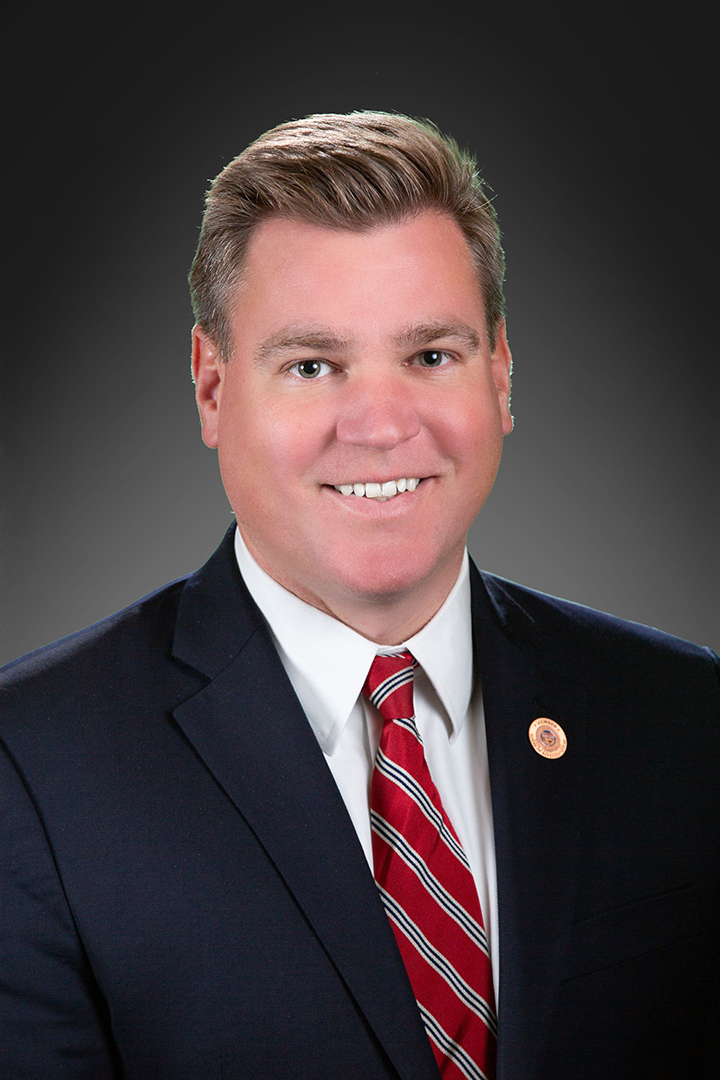
Rep. Neal Carter
Sponsored bills
Maddy summaryThis bill updates how money from Arizona's state lottery is distributed and clarifies rules for examining insurance companies. It ensures that funds are first used to pay off lottery-related bond debts, then allocates specific amounts to various programs including wildlife conservation, child safety, health education, and homeless shelters. The legislation also establishes a minimum deposit requirement for the state general fund before certain heritage funds can receive money and sets a schedule for quarterly transfers. Additionally, it mandates that the insurance director examine domestic insurers at least once every five years and allows for accepting reports from other states to avoid duplicate reviews.
Maddy summaryHB 4156 directs the Arizona Department of Transportation to spend state funds on a wide range of highway projects, including repaving roads, building overpasses, and constructing new bridges across the state. The bill appropriates money from the state general fund and the state highway fund for specific tasks such as widening lanes, improving drainage, and studying future corridor expansions in various counties. It also includes provisions that exempt these specific appropriations from certain legislative reviews and prevents the funds from expiring until the projects are finished or abandoned. Additionally, the legislation sets expectations for local governments and regional associations to contribute their own money to several major infrastructure initiatives.
Maddy summaryHB 4163 updates the financial rules for specific charter schools in Arizona that are sponsored by state agencies, universities, or community colleges. The bill clarifies that school districts are not financially responsible for these schools and establishes new methods for calculating their funding based on student counts and enrollment data. It also prevents double-counting of students who are enrolled in both a charter school and a traditional public school by ensuring their total daily membership does not exceed one. Additionally, the legislation requires that if a charter school receives federal or state grants for basic operations, its state funding must be reduced by the same amount to avoid taxpayer duplication.
Maddy summaryThis bill establishes a new state fund to help Arizona communities pay for the upfront costs of applying for federal transportation grants. It directly affects local governments and organizations in counties and cities of all sizes by providing money for grant applications, engineering design, and matching funds. The program allocates money equally among five categories based on population size, with specific rules to exclude the largest urban areas from certain funding pools. Applicants must first get approval from local planning groups before receiving funds, and they must repay the money if they fail to secure the federal grant or receive duplicate funding elsewhere. Additionally, the bill repeals an existing statute regarding highway revenue distribution to make room for this new funding mechanism.
Maddy summaryThis bill updates the administrative powers of the Arizona Board of Regents to govern the state's public universities for the 2026-2027 fiscal year. It authorizes the board to set tuition and fees based on student residency and enrollment status, while establishing a separate fund for tuition revenue that cannot be used to support alumni associations. The legislation also mandates public hearings and roll call votes for any tuition increases, ensures guaranteed admission for veterans, and requires the board to submit annual budget requests that include projected tuition revenue.
Maddy summaryThis bill allows Arizona counties with fewer than 250,000 residents to use money from specific local taxes for general county expenses in the 2026-2027 fiscal year. Under this rule, a county can use up to $1.25 million from any designated revenue source for purposes other than what that source was originally intended for. To ensure transparency, the law requires these smaller counties to submit a report to the state budget committee by October 1, 2026, detailing how they plan to use these funds. The measure applies only to counties based on their 2020 population counts and does not affect larger jurisdictions.
Maddy summaryThis bill establishes annual groundwater withdrawal fees for users in Arizona's Prescott, Santa Cruz, Tucson, Phoenix, and Pinal active management areas, with a maximum rate of $5 per acre-foot. The collected funds are allocated to cover administrative costs, water supply augmentation, conservation assistance, water banking, and the purchase of older water rights, while also exempting small-scale irrigation operations. Additionally, the legislation creates a dedicated fund to finance the construction and rehabilitation of wells and infrastructure for irrigation districts in specific regions.
Maddy summaryThis Arizona bill creates a new transition program that allows eligible inmates to serve up to ninety days in the community before their full release. To qualify, inmates must meet specific criteria, such as having a minimum or medium custody classification, making satisfactory progress in prison programming, and agreeing to provide post-release information, while those convicted of sexual offenses or serious violent crimes are excluded. The program requires private or nonprofit providers to offer services like counseling, job placement, and family reunification, and it mandates that victims be notified and given a chance to object before an inmate can be released early. Additionally, the bill establishes a dedicated fund to cover program costs and requires the state department to submit annual reports on the number of participants, the types of services provided, and recidivism rates.
Maddy summaryHB 4166 establishes the framework for implementing Arizona's 2026-2027 state budget, with a primary focus on strengthening the state's information technology management and financial oversight. The bill mandates that the state department of administration develop and enforce statewide IT standards, requiring agencies to submit annual technology plans and limiting the department's approval authority for projects between $25,000 and $1 million while mandating independent reviews for larger initiatives. Additionally, the legislation directs that any unrestricted federal funds received during the 2026-2027 fiscal year must be deposited into the state general fund specifically to pay for essential government services.