Issue · Housing

Housing

Every housing bill, vote, and legislator stance in Arizona, automatically classified by Maddy, our AI policy reader.

Total bills
105
57th Legislature - Second Regular Session
Top supporter
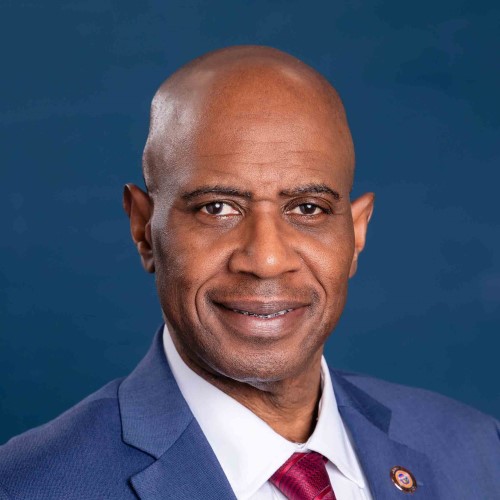
Oscar De Los Santos
73% support rate
Top opponent
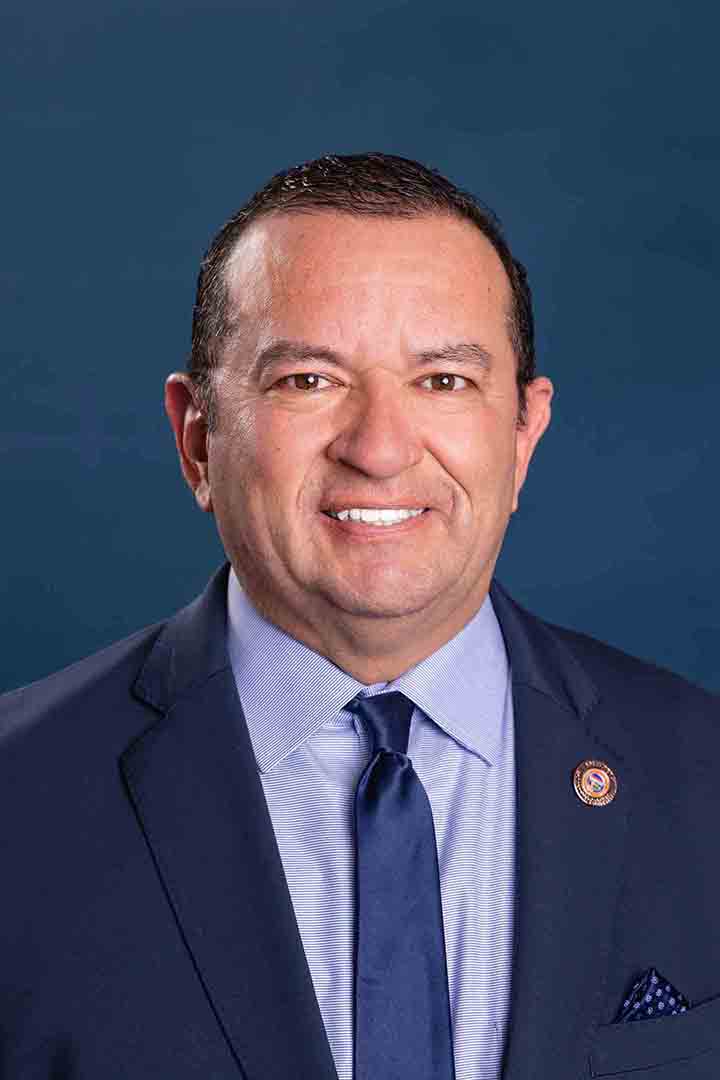
Laurin Hendrix
29% support rate
Ranked legislators
10
5 support · 5 oppose
Key legislators

Who's moving housing in Arizona

Legislators moving housing in Arizona
Legislator Party Stance Support rate Votes
Oscar De Los Santos
Oscar De Los Santos House · District 11
D
Support
73% 112
Flavio Bravo
Flavio Bravo Senate · District 26
D
Support
71% 106
Walt Blackman
Walt Blackman House · District 7
R
Support
70% 183
Chris Lopez
Chris Lopez House · District 16
R
Support
68% 197
Selina Bliss
Selina Bliss House · District 1
R
Support
68% 197
Laurin Hendrix
Laurin Hendrix House · District 14
R
Oppose
29% 129
Anna Abeytia
Anna Abeytia House · District 24
D
Oppose
35% 159
Mariana Sandoval
Mariana Sandoval House · District 23
D
Mixed −
41% 195
Stacey Travers
Stacey Travers House · District 12
D
Mixed −
42% 171
Beverly Pingerelli
Beverly Pingerelli House · District 28
R
Mixed −
43% 190
Showing 51–60 of 105 bills

All housing bills

passed · Arizona · House Feb 26, 2026

HB 2459: mobile home parks; submetering; fees

HB 2459 requires mobile home park landlords to separately meter utilities like electricity, water, and gas, charging only the utility company’s standard residential rate plus a maximum $8 administrative fee. Landlords must clearly disclose all utility charges and fees in rental agreements, including the specific administrative fee amount. The bill prevents mobile home parks from being classified as regulated water systems solely due to submetering for water conservation. This directly affects mobile home park tenants by ensuring fairer utility billing and landlords by setting clear limits on fees.
signed · Arizona · Senate Apr 7, 2026

SB 1473: assisted living homes; occupancy; zoning

SB 1473 prevents Arizona municipalities and counties from imposing local zoning or occupancy rules that conflict with state licensing standards for assisted living facilities. It prohibits local governments from setting resident caps lower than state health department requirements, blocking facilities in residential zones based on resident count, or requiring special permits solely for that reason. The bill ensures state rules override local regulations on these matters, while allowing uniform enforcement of building, fire, and health codes applicable to all similar residential properties. This directly affects assisted living facilities operating in Arizona and local governments that previously could restrict their operations.
Sub-Topics Long-Term Care Zoning
introduced · Arizona · Senate Jan 29, 2026

SB 1441: single-family residence purchases; limitations.

SB 1441 regulates corporate purchases of single-family homes in Arizona. It requires corporations or limited liability companies (LLCs) buying such homes to register with the Corporation Commission and include specific ownership details on deeds, which must also state the property is not the owner’s primary residence. The bill limits corporate ownership to no more than 5% of single-family homes in any census tract and mandates county recorders to report monthly purchase data to the Corporation Commission. It exempts entities owning fewer than ten homes statewide. The law defines "single-family residence" as a detached home not sharing walls with another dwelling.
introduced · Arizona · House Jan 26, 2026

HB 2850: mobile homes; abandonment procedures

HB 2850 amends Arizona law to clarify procedures for mobile home abandonment and establish a relocation fund. It requires landlords to notify the legal owner or lienholder within 10 days if a mobile home is abandoned (defined as 30 days absent with unpaid rent or after eviction), giving them 7 days to pay outstanding rent/utilities before a sale can occur. The bill creates a "mobile home relocation fund" using fees from mobile home transactions to cover tenant relocation costs if parks change use, paying for insurance or direct payments when needed. Landlords must also notify lienholders about abandonment and potential sales, allowing lienholders to reclaim the mobile home by paying owed amounts. This directly affects mobile home park landlords, tenants, and lienholders in Arizona.
Sub-Topics Renters Tenant Rights
introduced · Arizona · Senate Jan 26, 2026

SB 1307: appropriation; DES; emergency shelters

This bill appropriates $5 million in state funds for 2026-2027 to Arizona's Department of Economic Security to provide grants to eligible emergency shelters. It directly affects shelters serving seniors (55+) and families with children under 18, requiring them to offer low-barrier access (no appointment needed), maintain 100+ beds in separate sleeping areas, and provide 30+ individual units. The grants aim to support shelters meeting these specific criteria to address immediate housing needs. The bill is still in early legislative stages, having only received Senate first and second readings.
passed both · Arizona · Senate Jun 12, 2026

SB 1431: municipalities; planned communities; design; prohibition

SB 1431 prohibits Arizona municipalities from requiring homeowner associations for subdivisions or mandating features like gates, walls, or shared amenities that would necessitate such associations. It also blocks cities from restricting home design elements - including colors, roof styles, fencing, or patio layouts - for single-family homes and accessory dwelling units. The bill exempts historical districts, tribal lands, and areas near military facilities, while still allowing municipalities to enforce building codes, fire safety rules, and utility requirements. This legislation directly affects developers, homebuyers, and local governments by limiting municipal control over residential design and community structure. It does not change existing safety or utility regulations but aims to reduce local government oversight of home aesthetics and access features.
Sub-Topics Homeownership
signed · Arizona · House Jun 19, 2026

HB 2244: evictions; satisfaction of judgments

HB 2244 modifies Arizona eviction laws to streamline the process for tenants who have paid a judgment following an eviction. It requires landlords to file a "satisfaction of judgment" within 40 days of full payment, but if they fail to respond to a tenant's motion within 15 days, the tenant faces no filing fee, no court hearing, the judgment is automatically considered satisfied upon proof of payment, and all eviction records are sealed. This directly affects tenants who paid eviction judgments but faced delays or obstacles from landlords. The key mechanism removes procedural barriers for tenants while imposing specific deadlines on landlords to resolve payment records. The bill focuses on concrete administrative changes to expedite record clearance after tenant payment.
Sub-Topics Tenant Rights
introduced · Arizona · Senate Feb 10, 2026

SB 1608: landlords; habitable conditions; temperatures

SB 1608 sets specific indoor temperature requirements for rental properties in Arizona, mandating that landlords maintain rooms at no more than 82°F in warm weather and no lower than 68°F during extreme cold, measured mid-room at 3 feet above ground. It shortens tenant notice periods for heating/cooling failures affecting health to 2 days (from 10 days) and prohibits evictions during weeks with two or more days exceeding 90°F outdoor temperatures. The bill directly affects landlords (requiring compliance with temperature standards and maintenance) and tenants (providing stronger remedies for unsafe conditions and eviction protection). Key provisions include precise temperature measurements, accelerated tenant remedies for critical failures, and a heat-related eviction ban.
failed · Arizona · House Mar 17, 2026

HB 2533: homeless services; office; board

HB 2533 establishes the Office of Homeless Services and the Arizona Homeless Services Board to coordinate state homeless programs. The office must manage a shared data system tracking homeless individuals and services, develop annual budgets, and report to state leaders on homelessness strategies. The office and board will terminate on July 1, 2030, with related laws repealing January 1, 2031. This directly affects homeless individuals in Arizona, service providers (who must share data), and state agencies managing homelessness funding.
Sub-Topics Homelessness
passed · Arizona · Senate Mar 25, 2026

SB 1209: nonoperating identification; fees; homeless exemption

SB 1209 creates a nonoperating identification license for Arizona residents without a valid driver's license (e.g., due to suspension or homelessness) and exempts specific groups from associated fees. It allows homeless veterans and those using shelter addresses to qualify for fee-free licenses, while also providing special markings for veterans and enrolled Native Americans. The license, valid for eight years, is strictly for identification purposes - never for driving - and requires no driving exam. It includes provisions for minors, emancipated youth, and individuals under 21, with clear labeling to distinguish age groups.
Sub-Topics Homelessness
Showing 51 to 60 of 105 bills
Previous 1 5 6 7 11 Next