Issue · Housing

Housing

Every housing bill, vote, and legislator stance in Arizona, automatically classified by Maddy, our AI policy reader.

Total bills
105
57th Legislature - Second Regular Session
Top supporter
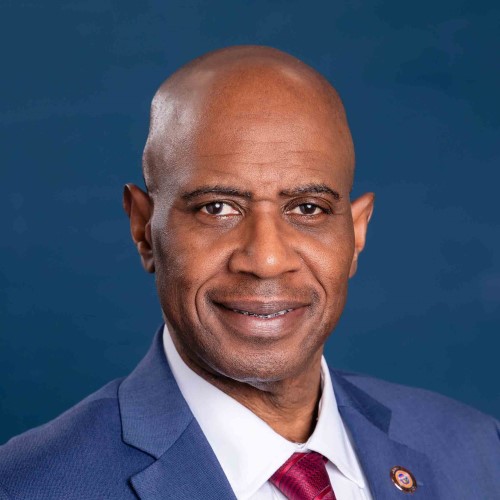
Oscar De Los Santos
73% support rate
Top opponent
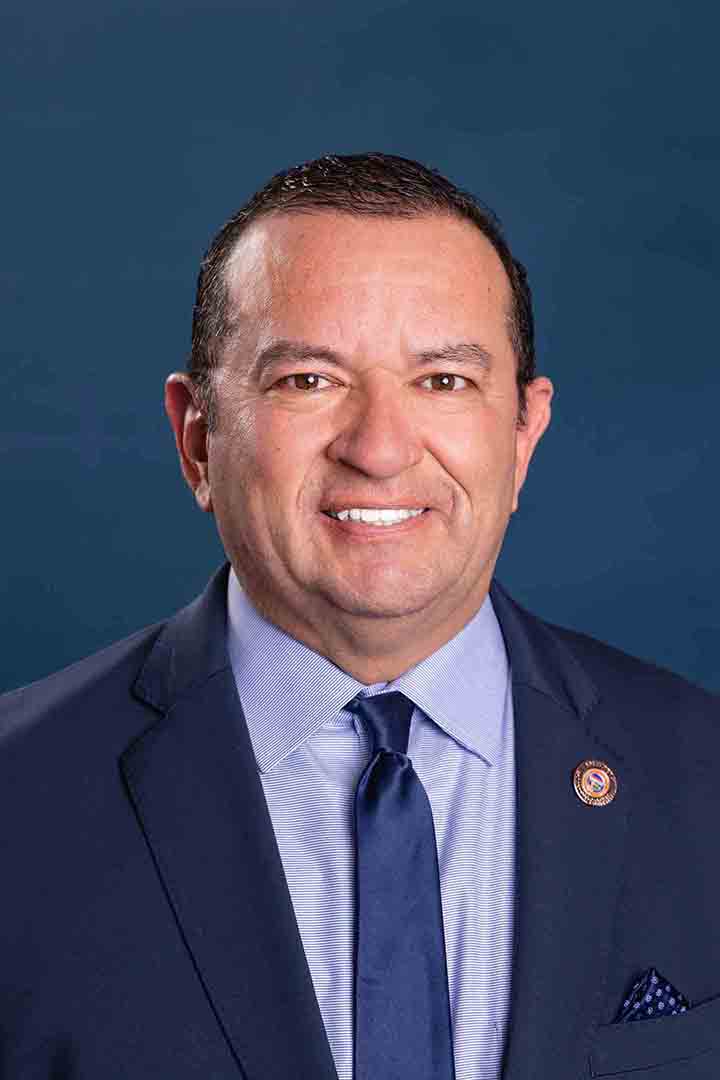
Laurin Hendrix
29% support rate
Ranked legislators
10
5 support · 5 oppose
Key legislators

Who's moving housing in Arizona

Legislators moving housing in Arizona
Legislator Party Stance Support rate Votes
Oscar De Los Santos
Oscar De Los Santos House · District 11
D
Support
73% 112
Flavio Bravo
Flavio Bravo Senate · District 26
D
Support
71% 106
Walt Blackman
Walt Blackman House · District 7
R
Support
70% 183
Chris Lopez
Chris Lopez House · District 16
R
Support
68% 197
Selina Bliss
Selina Bliss House · District 1
R
Support
68% 197
Laurin Hendrix
Laurin Hendrix House · District 14
R
Oppose
29% 129
Anna Abeytia
Anna Abeytia House · District 24
D
Oppose
35% 159
Mariana Sandoval
Mariana Sandoval House · District 23
D
Mixed −
41% 195
Stacey Travers
Stacey Travers House · District 12
D
Mixed −
42% 171
Beverly Pingerelli
Beverly Pingerelli House · District 28
R
Mixed −
43% 190
Showing 21–30 of 105 bills

All housing bills

introduced · Arizona · House Jan 13, 2026

HB 2137: unlawful property occupancy; removal; trespass

HB 2137 creates a new process for property owners to remove occupants from residential properties without a formal eviction lawsuit, directly affecting landlords and occupants in Arizona. Owners or agents can submit a sworn affidavit proving no lease, no recent rent payments, 48-hour notice to vacate, and no ongoing legal disputes, allowing local law enforcement to order removal within 48 hours if the occupant doesn’t leave. Occupants can challenge removals in court by showing evidence of lawful tenancy (e.g., lease, utility bills, payment records), and courts can order reinstatement, damages, and attorney fees if removal was wrongful. The bill also updates criminal trespass laws to clarify penalties for unlawful occupancy and ensures law enforcement can act under this procedure without violating tenant rights under existing housing laws.
passed · Arizona · House Mar 25, 2026

HB 2375: housing; zoning; historic neighborhoods

HB 2375 requires Arizona cities with over 75,000 residents to allow duplexes, triplexes, fourplexes, and townhomes by January 1, 2026, on single-family lots within one mile of downtown and on at least 20% of new developments over ten acres. It prohibits cities from imposing extra parking requirements, height limits, or special permits that would make these housing types harder to build. The law does not apply to historic districts, airport areas, or rural zones without residential services. Cities failing to comply by 2026 must allow middle housing on all single-family lots without restrictions.
introduced · Arizona · House Jan 27, 2026

HB 2514: adequate water supply; statewide requirements

HB 2514 requires municipalities in Arizona to verify adequate water supply before approving new housing subdivisions. Specifically, it mandates that final subdivision plats cannot be approved without either a "certificate of assured water supply" from the state water resources director or a written commitment from a designated water provider. This directly affects developers and local governments when reviewing new residential developments, particularly in areas designated as "active management areas." The bill enforces this requirement to ensure water resources can support new construction, with municipalities required to note the verification on the plat itself.
in committee · Arizona · House Feb 3, 2026

HB 2682: rental assistance program; appropriation

HB 2682 creates Arizona's Rental Assistance Program, providing limited financial help to eligible renters facing temporary hardship. It directly affects tenants with at least one child under 18 who have lived in their rental for 12 months, are no more than two months behind on rent, and face an unexpected financial emergency. The program offers up to $5,000 or two months of rent per year (paid directly to landlords), requires proof of future income, and prohibits evictions for covered months. The state appropriates $5 million for this program in fiscal year 2026-2027, and tenants must also complete free financial literacy classes.
introduced · Arizona · House Jan 21, 2026

HB 2565: landlord tenant; notice; assistance information

HB 2565 requires Arizona landlords to provide tenants in writing, at the start of a lease, with details about property management, ownership, and the state's landlord-tenant laws (available on the Arizona Department of Housing website). It also mandates that landlords include eviction prevention resources - such as the website azcourthelp.org or local assistance services from the Department of Economic Security - in any written notice of lease violations or nonpayment. These requirements apply directly to all residential landlords and tenants in Arizona, aiming to improve transparency and access to support. The bill does not change existing tenant or landlord obligations but adds specific disclosure rules to existing law.
introduced · Arizona · House Jan 21, 2026

HB 2357: class one property; assessment ratio

HB 2357 gradually reduces the property tax assessment ratio for Arizona's "class one property" (primarily primary residences) over time. It lowers the percentage of a home's full cash value used to calculate property taxes, starting at 25% through 2005 and decreasing step-by-step to 15.2% by 2027. The bill directly affects residential property owners by reducing their taxable value year-by-year as specified in the amended statute. This change is a concrete policy adjustment to property tax calculations, not an immediate tax cut.
passed · Arizona · House Mar 10, 2026

HB 2667: homebuyer assistance programs; requirements

This bill sets requirements for Arizona's homebuyer and downpayment assistance programs. First-time homebuyers must be Arizona residents for two years before applying, occupy the home as their primary residence for two years, and cannot use it as a vacation or short-term rental (per defined statutes) until repaying program funds. It also prohibits out-of-state investors from accessing these programs. These rules apply directly to state-run assistance programs and their recipients.
Sub-Topics Homeownership
introduced · Arizona · Senate Jan 20, 2026

SB 1105: rental; accessory dwelling units; prohibition

SB 1105 prohibits cities and towns in Arizona from banning short-term rentals (like Airbnb) or restricting them based on classification. It allows local governments only to regulate these rentals for specific public safety reasons (fire/building codes, noise, property maintenance), to require owners to provide emergency contact information (with a $1,000 civil penalty for non-compliance), and to mandate simple permits with limited requirements (e.g., owner contact, address, $250 fee max). The bill directly affects property owners who rent homes short-term, preempting local rules that conflict with these state-mandated provisions. It also requires owners to notify adjacent neighbors before renting and display permit/license numbers in advertisements.
Sub-Topics Renters
introduced · Arizona · House Jan 21, 2026

HB 2632: landlords; tenant's marijuana use

HB 2632 prohibits landlords in Arizona from terminating a tenant's rental agreement solely due to the tenant's marijuana use. This bill directly affects residential tenants who use marijuana, protecting them from eviction based on that use alone. The key provision amends Arizona law to explicitly state that landlords cannot use a tenant's marijuana use as a reason for termination. The bill does not change other aspects of rental agreements or marijuana laws, only addressing landlord-tenant termination decisions. It is currently in early legislative stages (House first and second readings).
introduced · Arizona · Senate Feb 4, 2026

SB 1558: mobile home parks; utilities; remedies

SB 1558 requires mobile home park landlords to provide clear, itemized utility bills showing separate meter readings, standard residential rates (not higher), and a maximum $8 administrative fee. Landlords cannot charge more than what they pay utility providers for gas, water, or electricity, and must disclose billing details in rental agreements. Tenants can file complaints after 30 days if landlords violate these rules, with courts able to award fees and up to $500 penalties for violations. The bill aims to prevent overcharging and improve transparency in mobile home park utility billing.
Sub-Topics Tenant Rights
Showing 21 to 30 of 105 bills
Previous 1 2 3 4 11 Next