Issue · Environment

Environment

Every environment bill, vote, and legislator stance in Arizona, automatically classified by Maddy, our AI policy reader.

Total bills
138
57th Legislature - Second Regular Session
Top supporter
Flavio Bravo
68% support rate
Top opponent
Anna Abeytia
40% support rate
Ranked legislators
10
5 support · 5 oppose
Key legislators

Who's moving environment in Arizona

Legislators moving environment in Arizona
Legislator Party Stance Support rate Votes
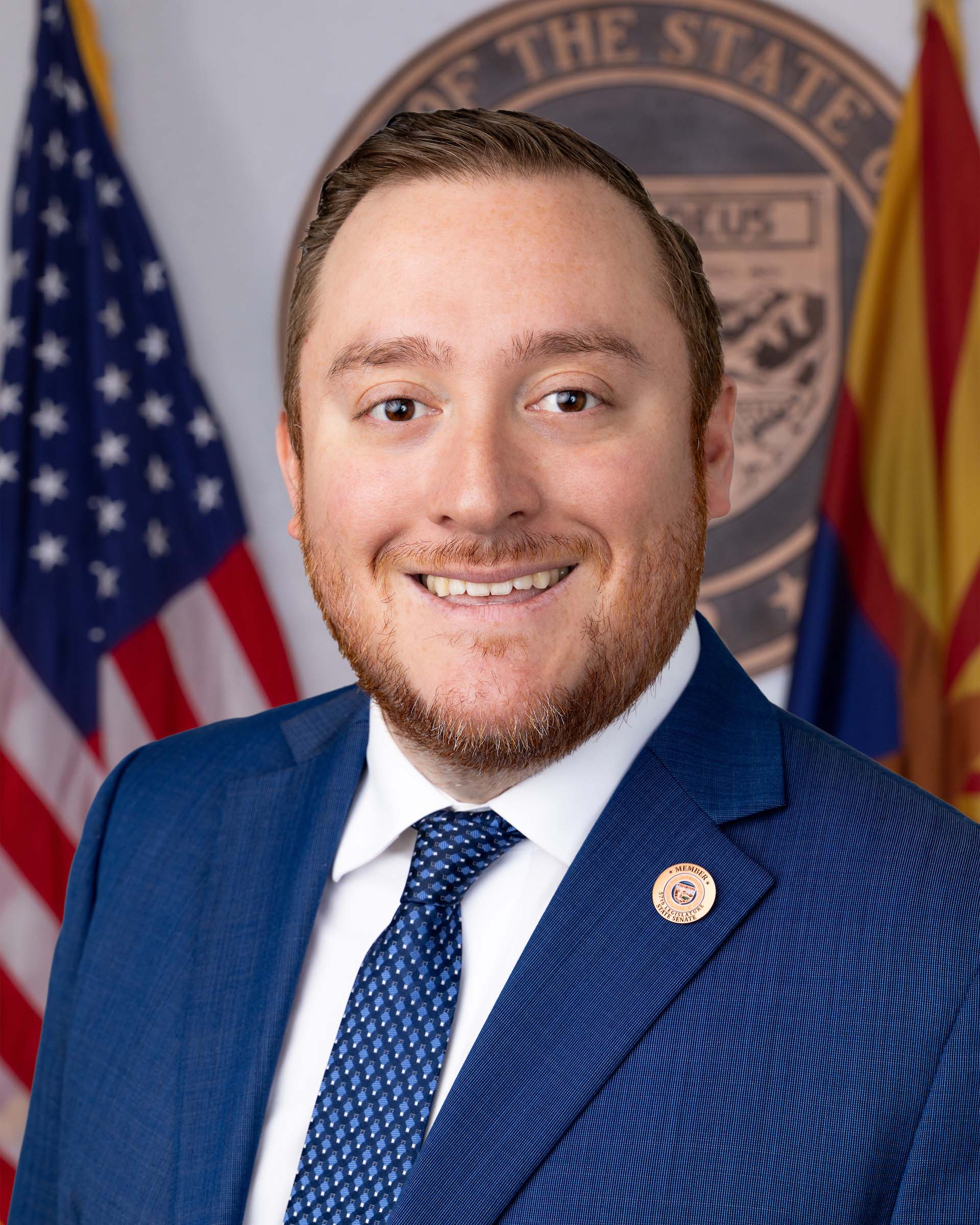
Flavio Bravo
Flavio Bravo Senate · District 26
D
Support
68% 69
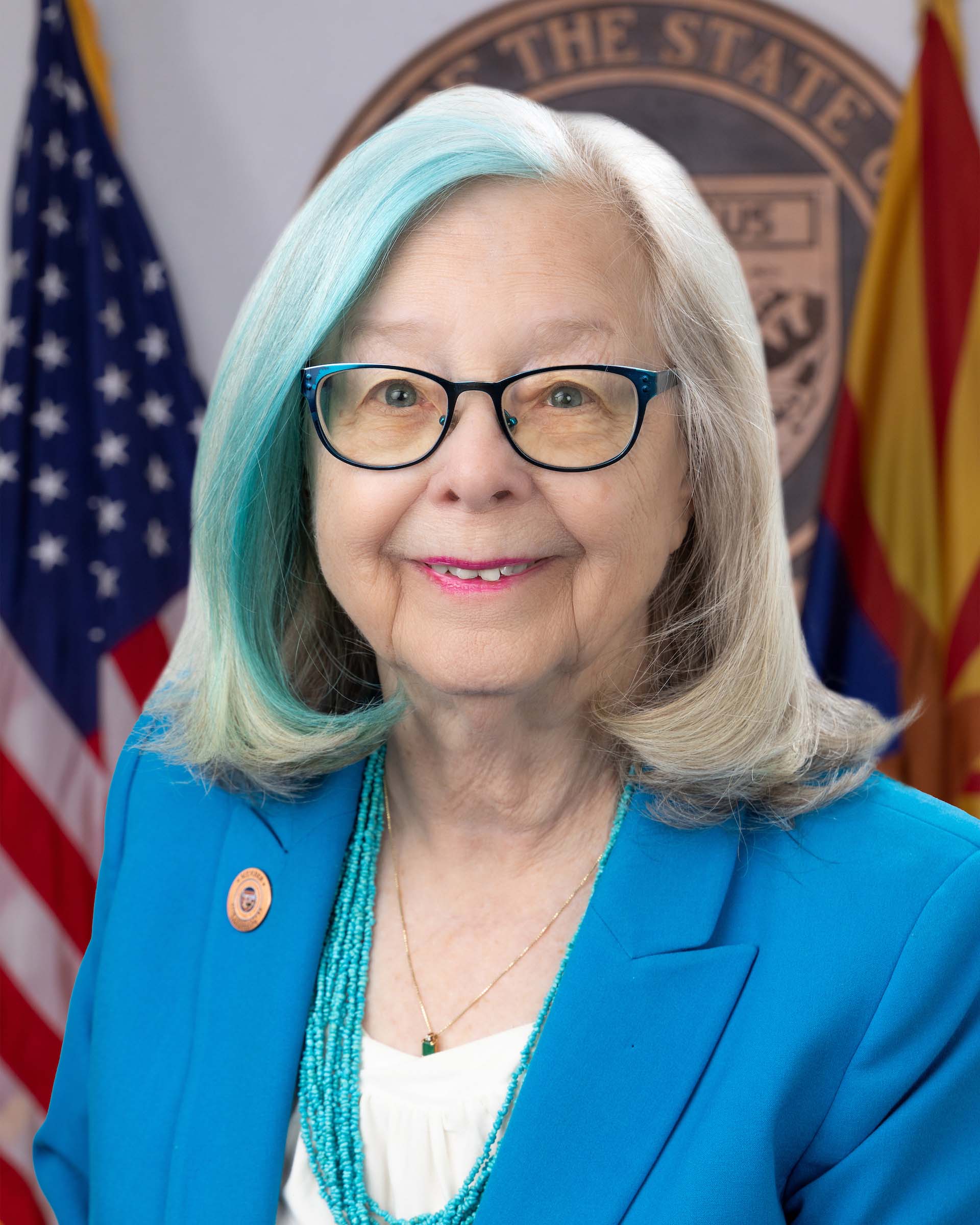
Lela Alston
Lela Alston Senate · District 5
D
Support
64% 84
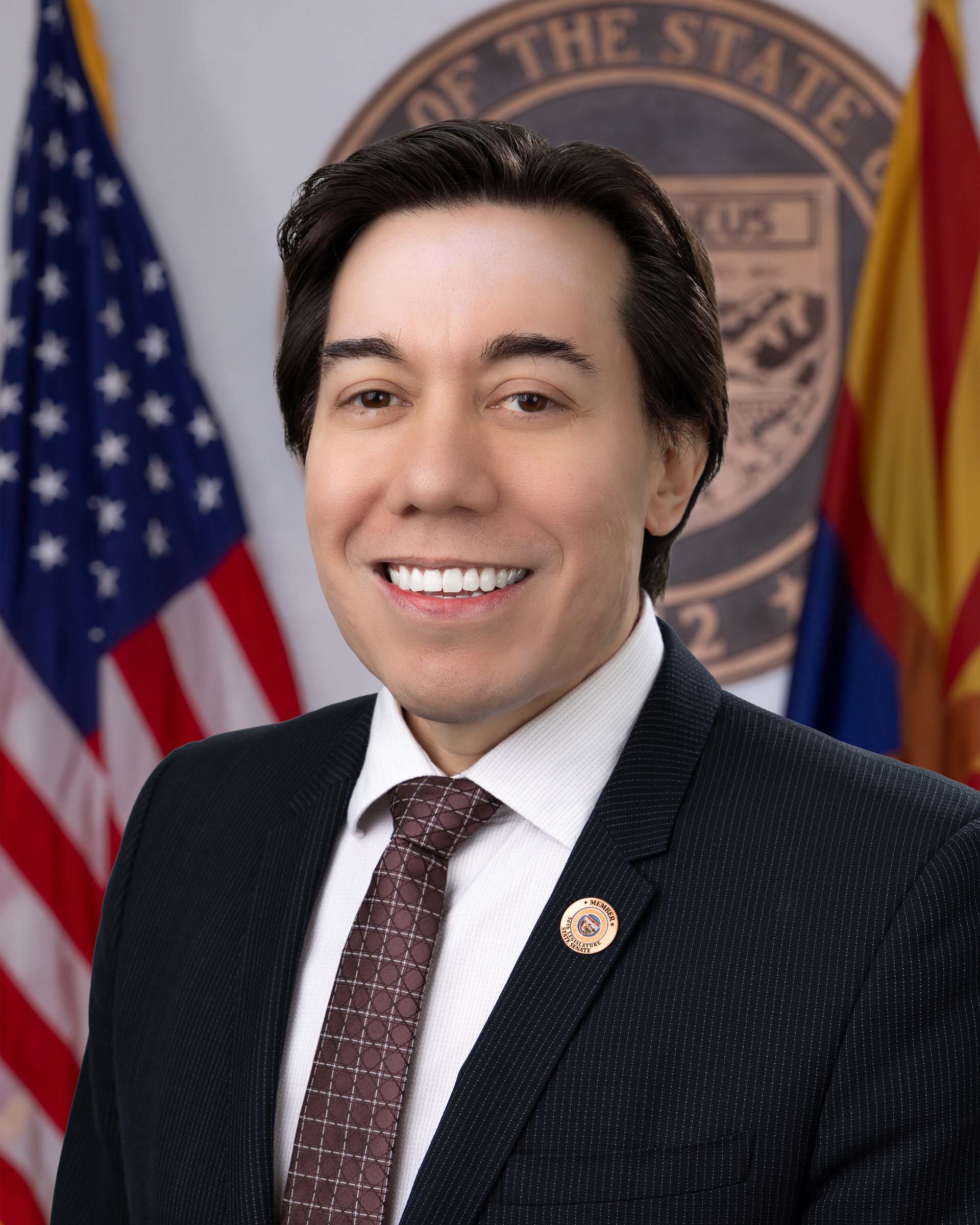
Brian Fernandez
Brian Fernandez Senate · District 23
D
Support
64% 72
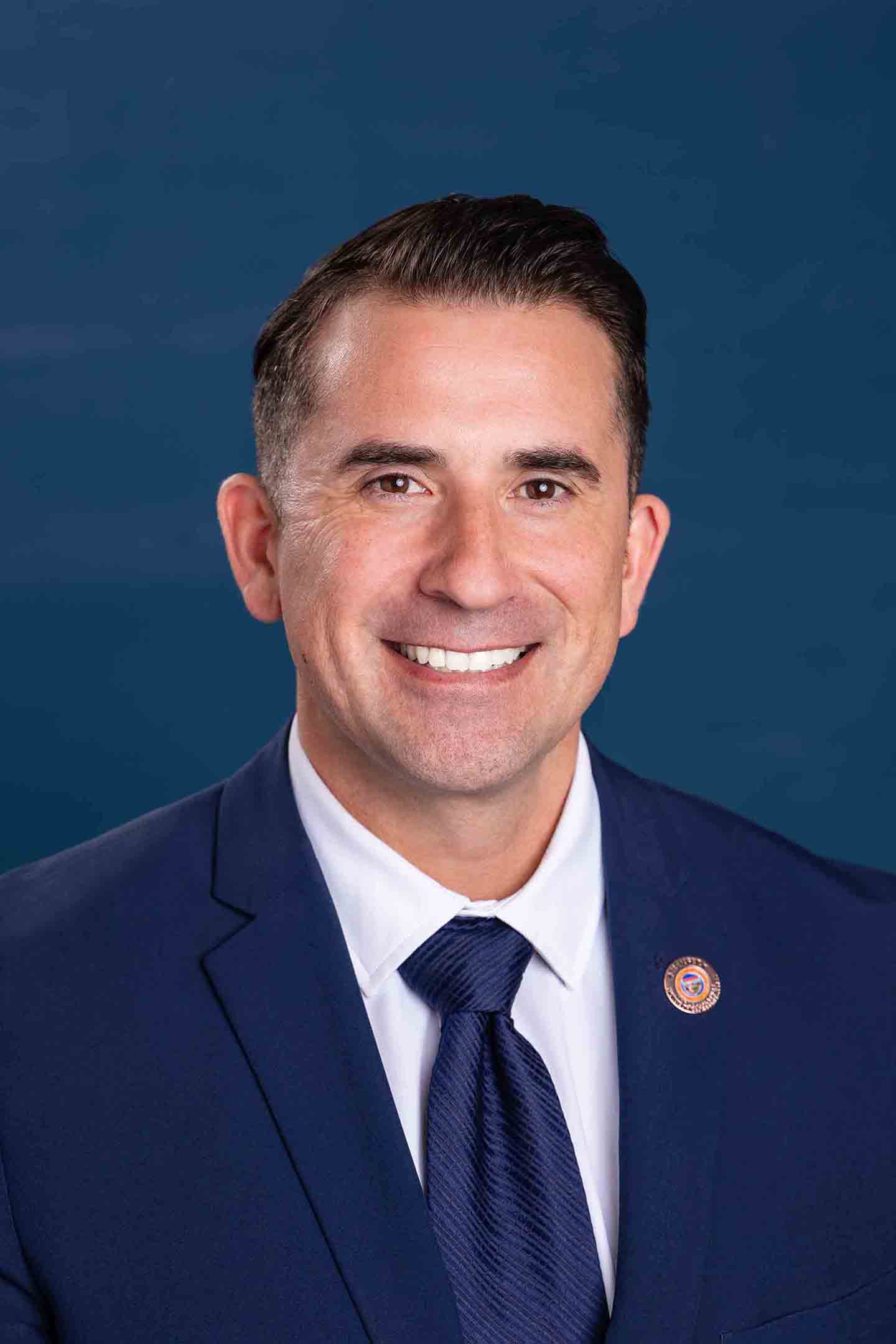
Pamela Carter
Pamela Carter House · District 4
R
Support
63% 141
Kiana Sears
Kiana Sears Senate · District 9
D
Support
63% 81
Anna Abeytia
Anna Abeytia House · District 24
D
Oppose
40% 117
Stacey Travers
Stacey Travers House · District 12
D
Mixed −
40% 123
Nancy Gutierrez
Nancy Gutierrez House · District 18
D
Mixed −
42% 122
Mariana Sandoval
Mariana Sandoval House · District 23
D
Mixed −
42% 139
Aaron Marquez
Aaron Marquez House · District 5
D
Mixed −
42% 141
Showing 41–50 of 138 bills

All environment bills

failed · Arizona · House Feb 26, 2026

HB 2095: assured water supply; well depth

HB 2095 requires developers to obtain either a "certificate of assured water supply" from the state director or a written commitment from a designated city, town, or private water company before selling subdivided land in Arizona's active management areas. It directly affects land developers and real estate transactions, mandating proof of sufficient water supply for new subdivisions. Key provisions include designating cities/towns/private providers with assured water supply (especially those using Central Arizona Project water), exempting mineral extraction developments, and allowing gray water systems to reduce water demand requirements under specific conditions. The bill title mentions "well depth," but the actual text focuses on water supply verification processes, not well depth regulations. This is a procedural requirement for land sales, not a substantive water policy change.
failed · Arizona · House Mar 3, 2026

HB 2492: urban growth boundaries; prohibition

This bill prohibits cities, counties, and state agencies from creating or enforcing any urban growth boundaries that restrict new development, housing options, or public services outside designated areas. It declares such boundaries void in local ordinances, rules, or state contracts, citing Arizona voters' 1998 and 2000 rejections of similar policies. The law aims to prevent policies that could reduce housing affordability by limiting land availability for development, referencing studies from other states. It requires a three-fourths legislative vote to take effect.
introduced · Arizona · House Jan 21, 2026

HB 2337: zoning; use permits; votes; requirements

HB 2337 requires Arizona counties with under 500,000 residents to obtain unanimous approval with all commission members present for wind or solar project permits (including conditional/special use permits or zoning changes). The bill prohibits voting on such applications if any commission member is absent or if a vacancy exists, mandating full attendance before approval. It directly affects renewable energy developers seeking permits in smaller counties but does not change project requirements or apply to larger counties. This is a procedural voting rule, not a substantive policy change to energy development.
Sub-Topics Renewable Energy Solar
introduced · Arizona · Senate Jan 27, 2026

SB 1382: groundwater pumping; measuring; reporting

SB 1382 requires most groundwater users in Arizona’s designated management areas to install approved measuring devices and submit annual reports on their water withdrawals. It primarily affects agricultural users, landowners, and water districts withdrawing groundwater for irrigation or non-irrigation uses in active management zones or the Santa Cruz area. Key exemptions include small users (10 or fewer acre-feet yearly), farms using water on ≤10 contiguous irrigated acres without integrated operations, and certain grandfathered rights. The bill mandates the director to set device specifications and reporting rules, while clarifying which users are exempt from these requirements.
introduced · Arizona · House Jan 13, 2026

HB 2025: DWR; appealable agency actions; exemption

HB 2025 exempts the Arizona Department of Water Resources (DWR) from standard administrative appeal procedures for its licensing decisions. It removes DWR from the process outlined in Arizona Revised Statutes §41-1092.08, which governs how agency heads review administrative law judge decisions. This means water resource licensing cases handled by DWR will not follow the typical steps for agency review or modification of decisions. The bill directly affects DWR and individuals or entities involved in DWR-regulated water resource matters under Title 45.
introduced · Arizona · House Jan 27, 2026

HB 2819: state landscaping; Arizona compost; requirements

HB 2819 requires Arizona state departments (administration, transportation, and state parks) to use compost made within Arizona for landscaping or land management on state-owned or managed land, if such compost is available. "Available" compost must be produced and sold in Arizona, meet quality and delivery standards, and cost no more than 20% more than comparable non-Arizona compost. The bill defines compost as stabilized organic material from decomposed organic matter suitable for soil use. This directly affects state agencies managing public lands and local compost producers meeting the specified criteria.
Sub-Topics Public Lands
introduced · Arizona · House Jan 20, 2026

HB 2274: license plate; Grand Canyon preservation

HB 2274 creates a new "Grand Canyon preservation special plate" program for Arizona vehicle owners. To obtain these plates, individuals must pay a one-time $32,000 fee to the state for plate design approval, plus an annual $25 special plate fee (with $17 of that fee directed to a dedicated Grand Canyon preservation fund). The bill establishes that the $17 annual donation, collected from all buyers of this special plate, will fund conservation efforts for the Grand Canyon. This directly affects Arizona residents who choose to purchase these custom plates, while the preservation fund benefits Grand Canyon conservation projects.
Sub-Topics Conservation
introduced · Arizona · House Jan 21, 2026

HB 2590: appropriation; university of Arizona; agriculture

HB 2590 appropriates $2.5 million from the state general fund for the University of Arizona to study agricultural water efficiency and soil health in desert farming. The project requires the university to identify water-saving practices, develop workforce training, partner with tribal communities on traditional knowledge, and share findings with policymakers. It mandates data collection using drones and surveys to analyze farming challenges and develop strategies for better water use and soil management. The university must report progress and recommendations to state leaders by January 2028. This bill directly affects Arizona farmers, agricultural researchers, and tribal communities through its research focus.
introduced · Arizona · House Jan 21, 2026

HB 2519: appropriation; water conservation grant fund

HB 2519 appropriates $100 million from Arizona's state general fund for fiscal year 2026-2027 to the existing Water Conservation Grant Fund established under Arizona Revised Statutes § 49-1331. This funding directly supports water conservation programs and projects, including grants for municipalities, water providers, and agricultural entities. The bill creates no new regulations or requirements but allocates state funds to advance existing water conservation efforts. The legislation is currently in early legislative stages, having undergone its first and second readings in the House.
passed both · Arizona · House Apr 21, 2026

HCM 2009: subsurface minerals; access; federal policy

HCM 2009 is a memorial from Arizona's legislature requesting the federal government to address barriers to accessing subsurface minerals (like copper) under federal land withdrawals, such as national monuments in Arizona. It asks Congress to amend the Antiquities Act to require state consent for new monuments, compensate Arizona for inaccessible mineral rights, and streamline mining permits. The memorial also seeks to rescind specific federal regulations (43 CFR 3809) that Arizona claims incorrectly treat patented surface lands as public lands, complicating mineral exploration. This would primarily affect Arizona's state land department and private mineral exploration companies by reducing regulatory hurdles to develop critical minerals.
Sub-Topics Public Lands
Showing 41 to 50 of 138 bills
Previous 1 4 5 6 14 Next