Issue · Environment

Environment

Every environment bill, vote, and legislator stance in Arizona, automatically classified by Maddy, our AI policy reader.

Total bills
138
57th Legislature - Second Regular Session
Top supporter
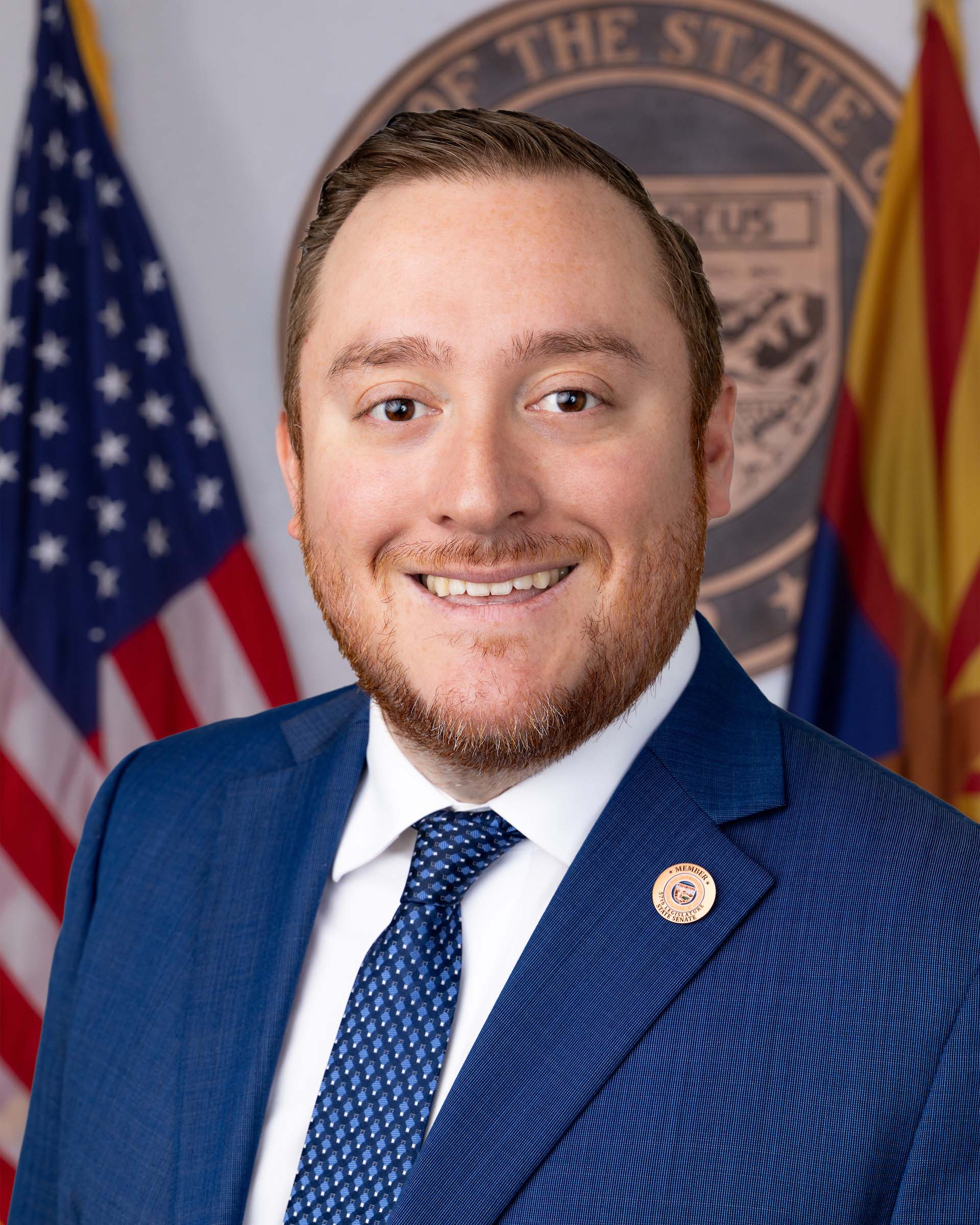
Flavio Bravo
68% support rate
Top opponent
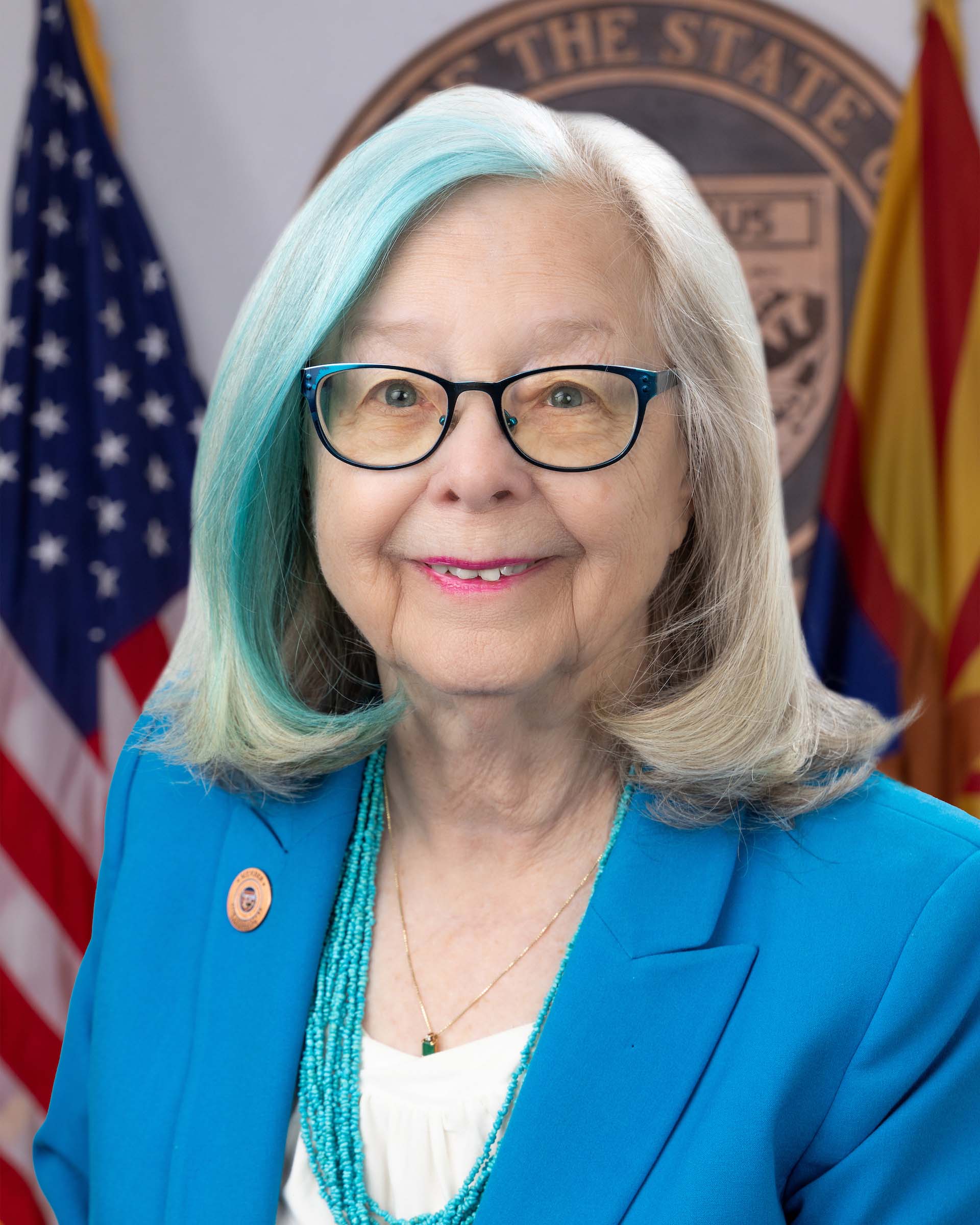
Anna Abeytia
40% support rate
Ranked legislators
10
5 support · 5 oppose
Key legislators

Who's moving environment in Arizona

Legislators moving environment in Arizona
Legislator Party Stance Support rate Votes
Flavio Bravo
Flavio Bravo Senate · District 26
D
Support
68% 69
Lela Alston
Lela Alston Senate · District 5
D
Support
64% 84
Brian Fernandez
Brian Fernandez Senate · District 23
D
Support
64% 72
Pamela Carter
Pamela Carter House · District 4
R
Support
63% 141
Kiana Sears
Kiana Sears Senate · District 9
D
Support
63% 81
Anna Abeytia
Anna Abeytia House · District 24
D
Oppose
40% 117
Stacey Travers
Stacey Travers House · District 12
D
Mixed −
40% 123
Nancy Gutierrez
Nancy Gutierrez House · District 18
D
Mixed −
42% 122
Mariana Sandoval
Mariana Sandoval House · District 23
D
Mixed −
42% 139
Aaron Marquez
Aaron Marquez House · District 5
D
Mixed −
42% 141
Showing 51–60 of 138 bills

All environment bills

vetoed · Arizona · Senate Jun 19, 2026

SB 1445: water quality; testing; on-site

SB 1445 modifies Arizona's water quality regulations to allow small municipalities (with populations between 1,000 and 10,000) to use EPA-approved on-site equipment for bacteriological testing of wastewater. It updates permit requirements for facilities discharging pollutants, including specifying that small towns may conduct this testing on-site instead of sending samples to external labs. The bill directly affects local governments and wastewater facilities in smaller communities by streamlining testing procedures while maintaining EPA standards. It also clarifies permit processes for aquifer protection and aligns with federal Clean Water Act requirements.
Sub-Topics Water Quality
passed · Arizona · House Mar 31, 2026

HB 2955: gasoline formulations; air quality

HB 2955 sets seasonal fuel standards for gasoline sold in Maricopa County (Arizona's most populous county, exceeding 1.2 million residents) and other areas designated as "Area A." From March 31 to October 31, gasoline must meet ASTM D4814 standards with specific vapor pressure limits. From November 1 to March 31, gasoline must comply with California's Phase 2 reformulated gasoline standards and the same vapor pressure limits. The bill also establishes a 7-day review process for fuel suppliers to request temporary exemptions during ethanol or gasoline supply shortages, requiring proof of imminent shortages and state agency approval.
Sub-Topics Air Quality
failed · Arizona · House Mar 24, 2026

HB 2781: decommissioning; solar energy; standards; fund

HB 2781 establishes rules for decommissioning solar energy power plants in Arizona, directly affecting solar plant owners and operators. It requires them to submit detailed decommissioning plans, maintain financial assurance (like bonds) covering cleanup costs, and restore sites to original conditions within 18 months after shutdown. Key provisions include a 90-day cure period for permit violations, mandatory site restoration using native vegetation, and specific removal requirements for above-ground components and foundations. Local governments (cities, towns, counties) enforce these standards and can enter sites to complete decommissioning if owners fail to act. The law ensures solar projects don’t leave environmental or financial burdens on communities after they’re no longer operational.
Sub-Topics Solar
passed · Arizona · House Mar 9, 2026

HB 2267: public nuisance; renewable energy; exceptions

HB 2267 amends Arizona law to classify new utility-scale wind and solar farms within four miles of residential properties as public nuisances. It specifically exempts projects with existing zoning approvals, those approved by environmental committees, and nonexporting rooftop solar systems. County attorneys or the state attorney general may sue to stop these projects, with violators facing misdemeanor charges. The bill directly affects new large-scale renewable energy installations near homes, not existing projects or small residential solar systems.
Sub-Topics Renewable Energy Solar
introduced · Arizona · Senate Jan 27, 2026

SB 1383: greenhouse gas programs; repeal; prohibition.

SB 1383 repeals Arizona's existing greenhouse gas program framework, specifically removing Title 49, Chapter 1, Article 6 of the Arizona Revised Statutes. This bill directly affects any current or future state programs operating under that repealed legal authority. The bill contains no new provisions or mechanisms - it solely eliminates the existing statutory structure for greenhouse gas programs. No new requirements or prohibitions are created; the action is purely a repeal of prior law.
Sub-Topics Climate Change
passed · Arizona · House Mar 9, 2026

HB 2340: certificate; environmental compatibility; factors

HB 2340 amends Arizona law to define factors committees must consider when reviewing applications for environmental compatibility certificates for projects like power plants or transmission lines. It requires evaluation of nine specific factors, including wildlife habitats, historic sites, noise levels, public access, and cost impacts, with special emphasis on protecting areas with rare species or unique biological value. The bill also prohibits committees from requiring labor agreements (like union contracts) as a condition for approval and limits additional pollution standards beyond existing regulations. This directly affects developers seeking project approvals by mandating these environmental and cost considerations during the review process.
introduced · Arizona · House Jan 27, 2026

HB 2472: pesticides; sale; use; restrictions

HB 2472 restricts the sale and use of neonicotinoid pesticides (a class of chemicals including imidacloprid and thiamethoxam) in Arizona. It requires sellers to hold a restricted-use pesticide license and limits use to certified applicators, veterinarians, or wood preservers, with key exceptions for pet care products, personal care items, indoor pest control, and wood preservatives. Violations are classified as class 3 misdemeanors. The law takes effect on December 31, 2026.
failed · Arizona · House Jun 10, 2026

HB 2457: public utilities; plant construction; colocation

HB 2457 allows utilities to build new power plants colocated with large industrial energy users without needing environmental review, provided they give 30 days' written notice to the state commission and hold a public comment session in the affected county. The exemption applies only to public utilities (like municipal power entities) and requires the industrial user to already have all necessary zoning approvals. The state commission must define key terms like "colocated" (including distance or electrical connection details) and "large industrial energy user" (based solely on energy demand in megawatts, without favoring specific industries). This bill streamlines construction for certain projects while maintaining public input requirements.
introduced · Arizona · House Jan 21, 2026

HB 2541: citizen suits; environment

HB 2541 allows Arizona citizens directly harmed by environmental violations to sue polluters, the state, or local governments in court after giving 120 days' notice to both the violator and environmental authorities. The bill requires plaintiffs to prove their case and ensures state agencies have priority in enforcement - citizen lawsuits cannot proceed if the state is already investigating or prosecuting the violation. It also directs civil penalties collected from these lawsuits into Arizona’s Water Quality Assurance Revolving Fund, which must receive $18 million annually for environmental programs. This law expands private enforcement of environmental rules while prioritizing state-led action and funding water quality initiatives.
Sub-Topics Water Quality
introduced · Arizona · House Jan 22, 2026

HB 2141: environmental permitting; requirements; burdened communities

HB 2141 requires environmental impact reports and public hearings for new or expanded facilities (like power plants over 10MW, landfills, or waste treatment plants) located in low-income census tracts defined as areas in the bottom 33% for median household income. It mandates that permit applicants submit impact assessments 30 days before public hearings, which must include community input on health and environmental risks. The state environmental department must wait 60 days after hearings to approve permits and can deny them if cumulative health or environmental risks would be unreasonable for residents. This law directly affects companies seeking permits for large facilities in designated low-income areas, ensuring community input is considered before approvals.
Showing 51 to 60 of 138 bills
Previous 1 5 6 7 14 Next