Issue · Criminal Justice

Criminal Justice (Sentencing)

Every criminal justice bill, vote, and legislator stance in Arizona, automatically classified by Maddy, our AI policy reader.

Total bills
13
57th Legislature - Second Regular Session
Top supporter
Anna Abeytia
100% support rate
Top opponent
Carine Werner
12% support rate
Ranked legislators
10
5 support · 5 oppose
Key legislators

Who's moving sentencing in Arizona

Legislators moving sentencing in Arizona
Legislator Party Stance Support rate Votes
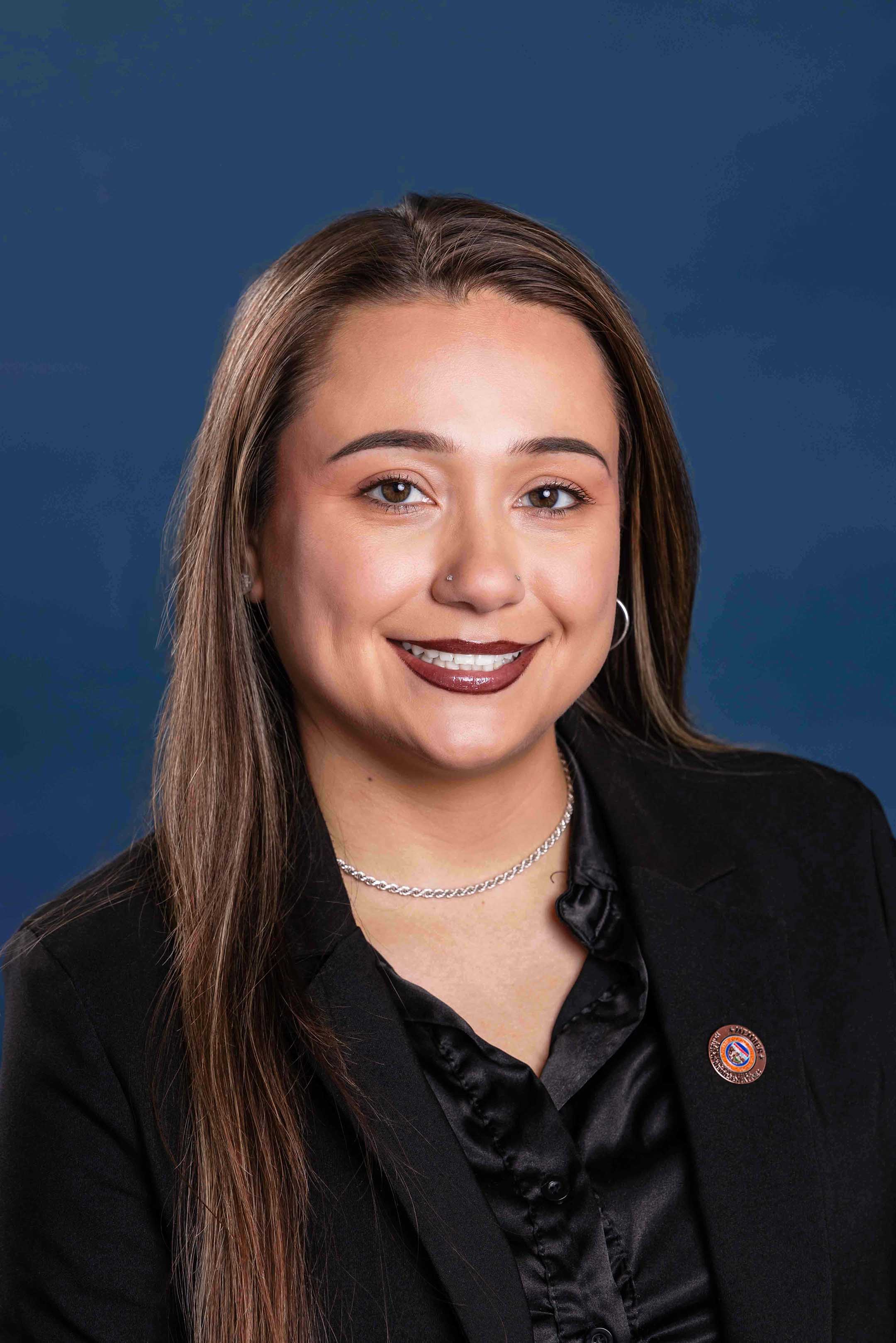
Anna Abeytia
Anna Abeytia House · District 24
D
Strong +
100% 8
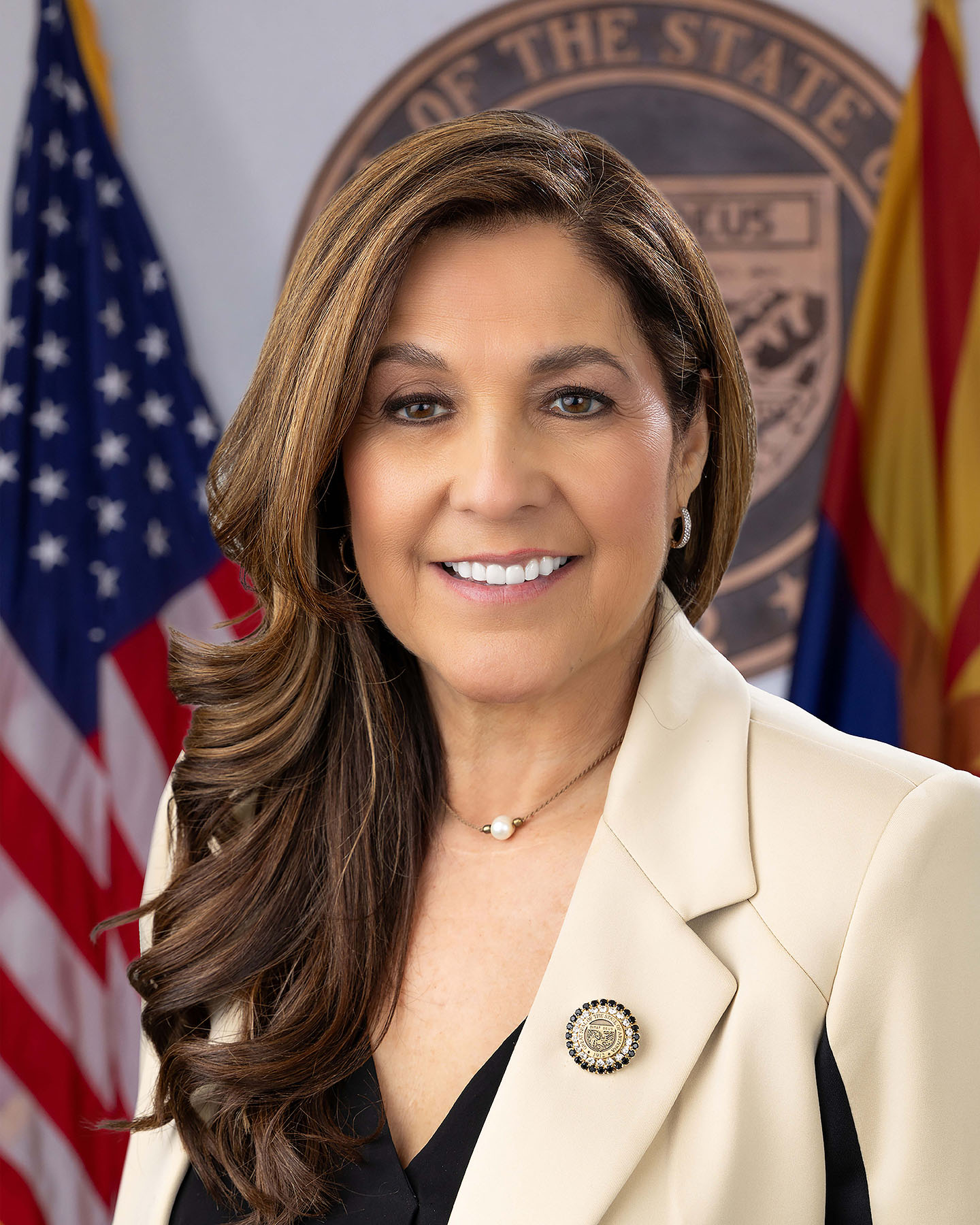
Catherine Miranda
Catherine Miranda Senate · District 11
D
Strong +
100% 8
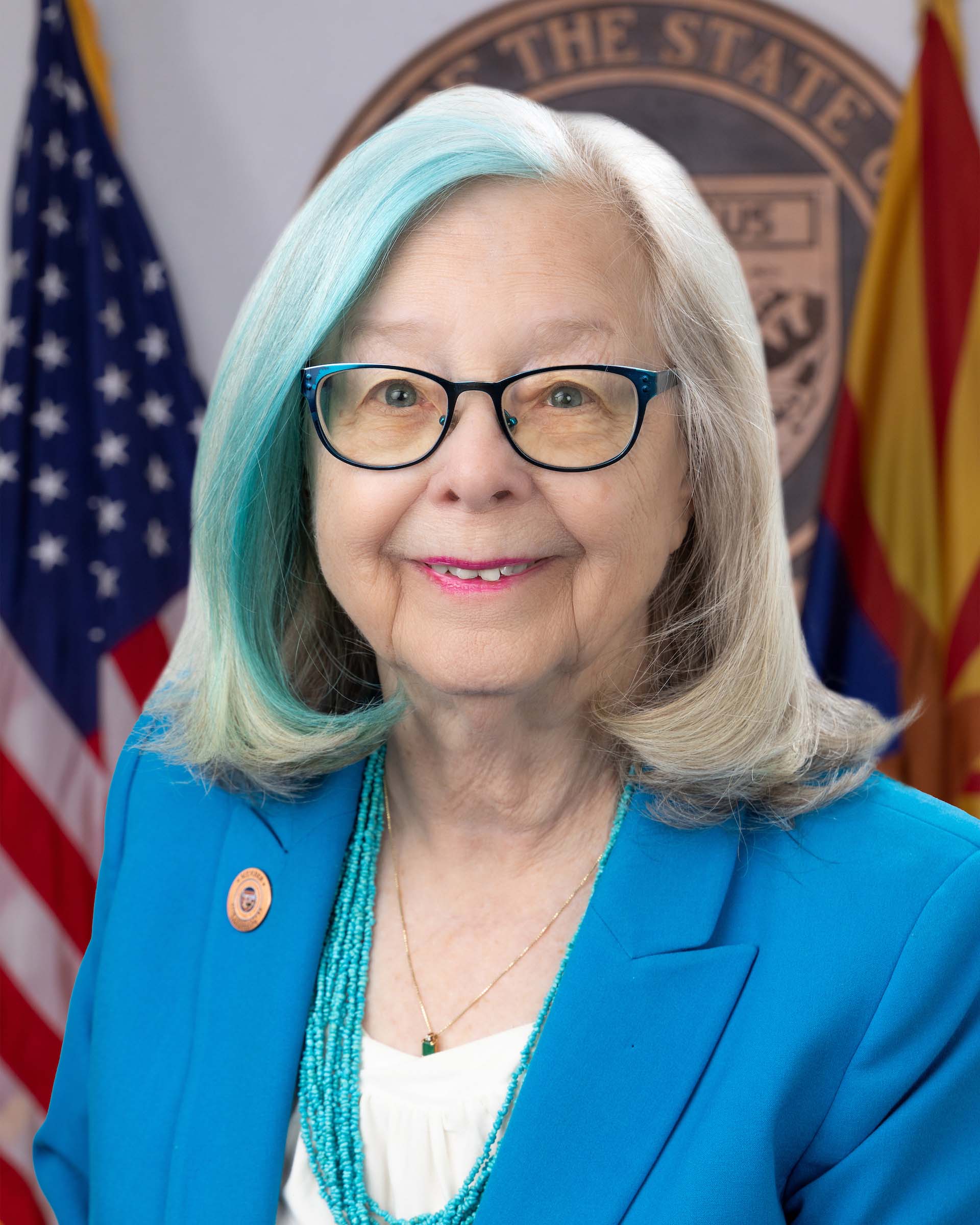
Lela Alston
Lela Alston Senate · District 5
D
Strong +
100% 8
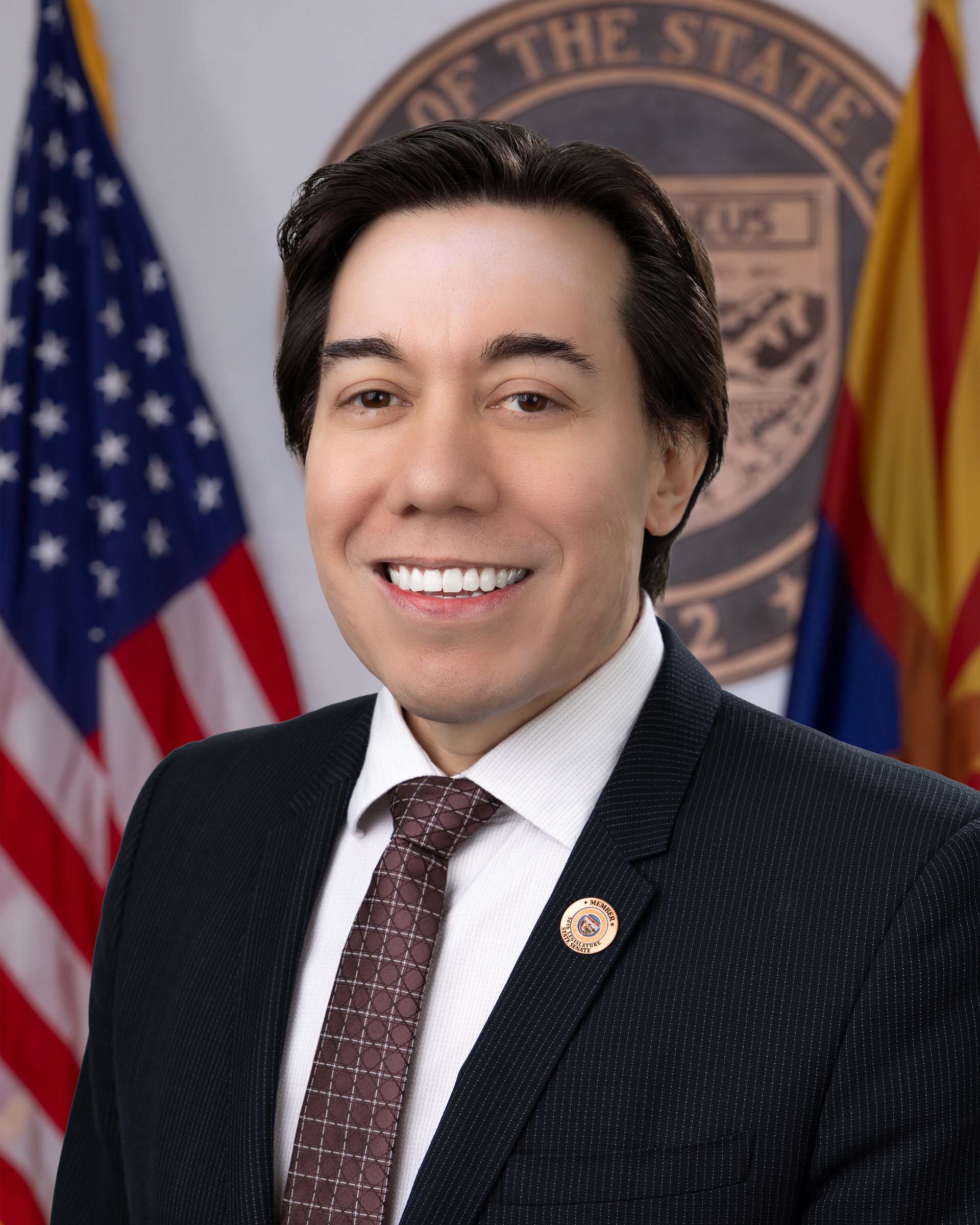
Kiana Sears
Kiana Sears Senate · District 9
D
Strong +
100% 7
Brian Fernandez
Brian Fernandez Senate · District 23
D
Strong +
100% 6
Carine Werner
Carine Werner Senate · District 4
R
Strong −
12% 8
Dave Farnsworth
Dave Farnsworth Senate · District 10
R
Strong −
12% 8
David Gowan
David Gowan Senate · District 19
R
Strong −
12% 8
Frank Carroll
Frank Carroll Senate · District 28
R
Strong −
12% 8
Hildy Angius
Hildy Angius Senate · District 30
R
Strong −
12% 8
Showing 1–10 of 13 bills

All criminal justice bills

introduced · Arizona · Senate Feb 9, 2026

SB 1778: juvenile sentenced as adult; sentencing

SB 1778 changes Arizona's rules for trying juveniles (ages 14-17) as adults. It requires adult prosecution for juveniles accused of specific serious offenses like murder, forcible sexual assault, armed robbery, or violent felonies, especially if they have two prior felony convictions (defined as "chronic felony offenders"). The bill mandates that prosecutors file a special notice about chronic offender status, and courts must hold a hearing to verify this before proceeding. Crucially, it limits sentencing for juveniles tried as adults: judges cannot impose death, life without parole, or sentences totaling 25+ years ("de facto life").
vetoed · Arizona · House Jun 19, 2026

HB 2970: fraudulent schemes; artifices; jurisdiction

HB 2970 amends Arizona law to strengthen penalties for fraud by defining it as knowingly obtaining benefits through false claims, lies, or hiding key facts. It removes the requirement that prosecutors prove victims relied on the fraud and bars probation or early release for serious cases involving $100,000+ in fraud or opioid sales. The law also allows Arizona to prosecute fraud even if parts of the scheme occurred outside state borders. This directly affects individuals or entities committing fraud, with stricter sentencing for large-scale or opioid-related offenses.
failed · Arizona · Senate Feb 18, 2026

SB 1285: prisoners; correctional facilities; sentencing

SB 1285 modifies Arizona's sentencing laws for prisoners. It requires new prison sentences to run consecutively (one after another) if a person commits a felony offense while under correctional supervision (e.g., in state, private, or federal custody). For murder convictions, it clarifies that life sentences with "natural life" (no parole eligibility) apply in specific cases, and sets minimum service periods (25 or 35 years) before release for life sentences involving minors or vulnerable victims. The bill also adjusts sentencing procedures by requiring prosecutors to prove aggravating circumstances beyond a reasonable doubt and defendants to prove mitigating circumstances by a preponderance of evidence.
failed · Arizona · Senate Jun 12, 2026

SB 1170: narcotic drugs; sales; minor; sentencing

SB 1170 amends Arizona's drug sentencing laws to impose mandatory minimum prison terms for specific fentanyl offenses. It sets a 5- to 15-year minimum sentence for selling or possessing at least 200 grams of fentanyl (or 200 grams in a vehicle), increasing to 10- to 20 years for repeat offenders. The bill also creates a separate mandatory sentence for anyone convicted of selling fentanyl that causes a minor's death. These provisions directly affect individuals convicted of large-scale fentanyl sales or possession, removing probation eligibility and requiring minimum prison terms for these offenses.
signed · Arizona · Senate Mar 27, 2026

SB 1211: aggravated harassment; lifetime injunctions

SB 1211 requires Arizona courts to issue lifetime injunctions prohibiting contact between defendants convicted of specific serious felonies and their victims. It applies to offenses including violent felonies, certain domestic violence cases (per A.R.S. §13-2921.01), and other felony categories listed in the bill. The injunctions take effect immediately at sentencing, must be registered with crime databases, and remain valid for the defendant's lifetime unless the victim dies, the conviction is overturned, or the victim requests early termination. Victims can also petition for an injunction after sentencing without court fees. This law directly affects victims of qualifying violent or domestic violence felonies and their convicted offenders.
passed · Arizona · House Mar 25, 2026

HB 2671: chronic felony offenders; juveniles

HB 2671 changes Arizona's rules for prosecuting juveniles (ages 14-17) as adults, specifically targeting those with prior felony convictions. It requires prosecutors to file notice if a juvenile is a "chronic felony offender" (defined as having two prior felony convictions classified as serious offenses), triggering a court hearing to confirm this status. If confirmed, the juvenile faces adult criminal sentencing; if not, the case transfers to juvenile court. This directly affects juveniles with prior felony convictions who commit new serious offenses, shifting jurisdiction from juvenile to criminal court. The bill creates a clear process for determining chronic offender status before trial.
signed · Arizona · House Apr 13, 2026

HB 2132: fentanyl; possession; sale; amount; sentencing

Arizona's HB 2132 increases penalties for fentanyl offenses. It sets a minimum 5-year prison sentence for selling or possessing fentanyl in amounts of 200 grams or more (with repeat offenses requiring 10+ years), replaces probation eligibility for these cases, and mandates a $2,000+ fine. Convicted individuals must also complete 360 hours of community service with substance abuse programs and undergo mandatory drug testing if on probation. The bill directly affects people convicted of fentanyl-related sales or possession above the threshold, aiming to strengthen sentencing for serious drug offenses.
passed · Arizona · House Mar 4, 2026

HB 2495: sentencing enhancements; vulnerable adults

HB 2495 increases sentencing for felony convictions against vulnerable adults in Arizona. It directly affects individuals convicted of specific felonies (under Chapters 11-19, 21, 23 of Arizona law) who knew or should have known the victim was a vulnerable adult. Key provisions prohibit suspension of sentence, probation, or early release (except as specified), and add 3 years to class 4-6 felonies or 5 years to class 2-3 felonies. The bill mandates these sentence increases in addition to any existing enhancements. This changes sentencing outcomes for offenders convicted of such crimes, without altering the underlying offenses.
introduced · Arizona · House Jan 21, 2026

HB 2498: aggravated driving; suspended; revoked; license

HB 2498 creates a new Class 5 felony for driving with a suspended, revoked, or canceled license when a person has five or more prior separate violations of this offense within 84 months (7 years). It directly affects individuals with repeated violations of Arizona's driving suspension laws, imposing a mandatory minimum 4-month prison sentence with no probation, suspension, or early release. The law applies only to offenses occurring on or after January 1, 2019, and counts multiple violations from the same incident as a single offense for the five-violation threshold. This bill does not change penalties for first-time or fewer violations, which remain misdemeanors under existing law.
passed · Arizona · House Mar 3, 2026

HB 2175: crimes; hostility towards victims; sentencing

Arizona's HB 2175 increases prison sentences for certain crimes committed "out of hostility toward a victim because of the victim's identity in a protected group" (as defined in state law). It applies to offenses like assault (Section 13-1203), criminal damage (Section 13-1602), and other felonies listed in the bill. If convicted under these circumstances, defendants face a 3- to 5-year sentence increase (depending on felony class) and cannot receive probation, suspended sentences, or early release until the full term is served. The law explicitly states it does not restrict constitutional free speech rights.
Showing 1 to 10 of 13 bills
1 2 Next