Issue · Criminal Justice

Criminal Justice (Sentencing)

Every criminal justice bill, vote, and legislator stance in Arizona, automatically classified by Maddy, our AI policy reader.

Total bills
18
57th Legislature - Second Regular Session
Top supporter
Anna Abeytia
100% support rate
Top opponent
Carine Werner
12% support rate
Ranked legislators
10
5 support · 5 oppose
Key legislators

Who's moving sentencing in Arizona

Legislators moving sentencing in Arizona
Legislator Party Stance Support rate Votes
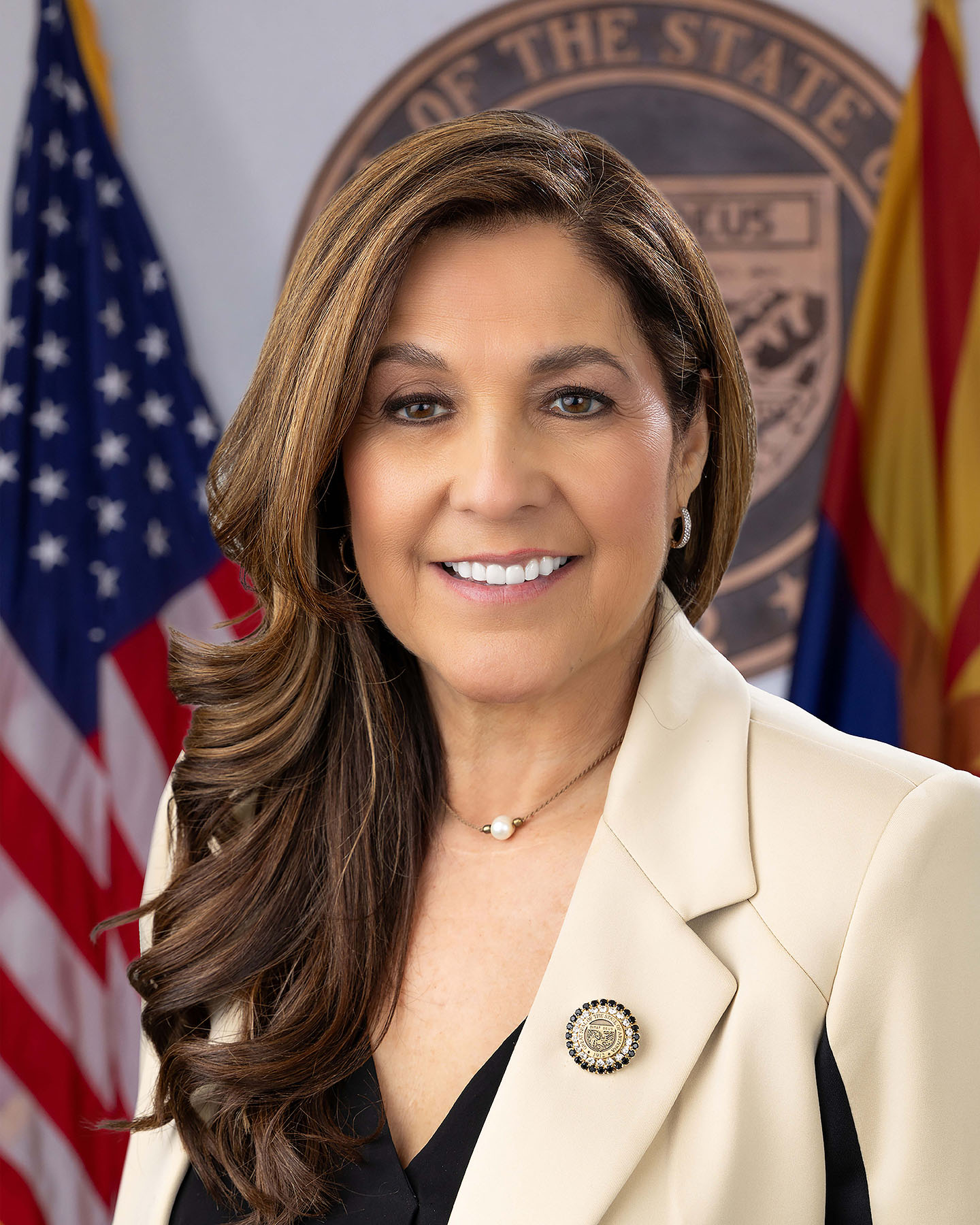
Anna Abeytia
Anna Abeytia House · District 24
D
Strong +
100% 8
Catherine Miranda
Catherine Miranda Senate · District 11
D
Strong +
100% 8
Lela Alston
Lela Alston Senate · District 5
D
Strong +
100% 8
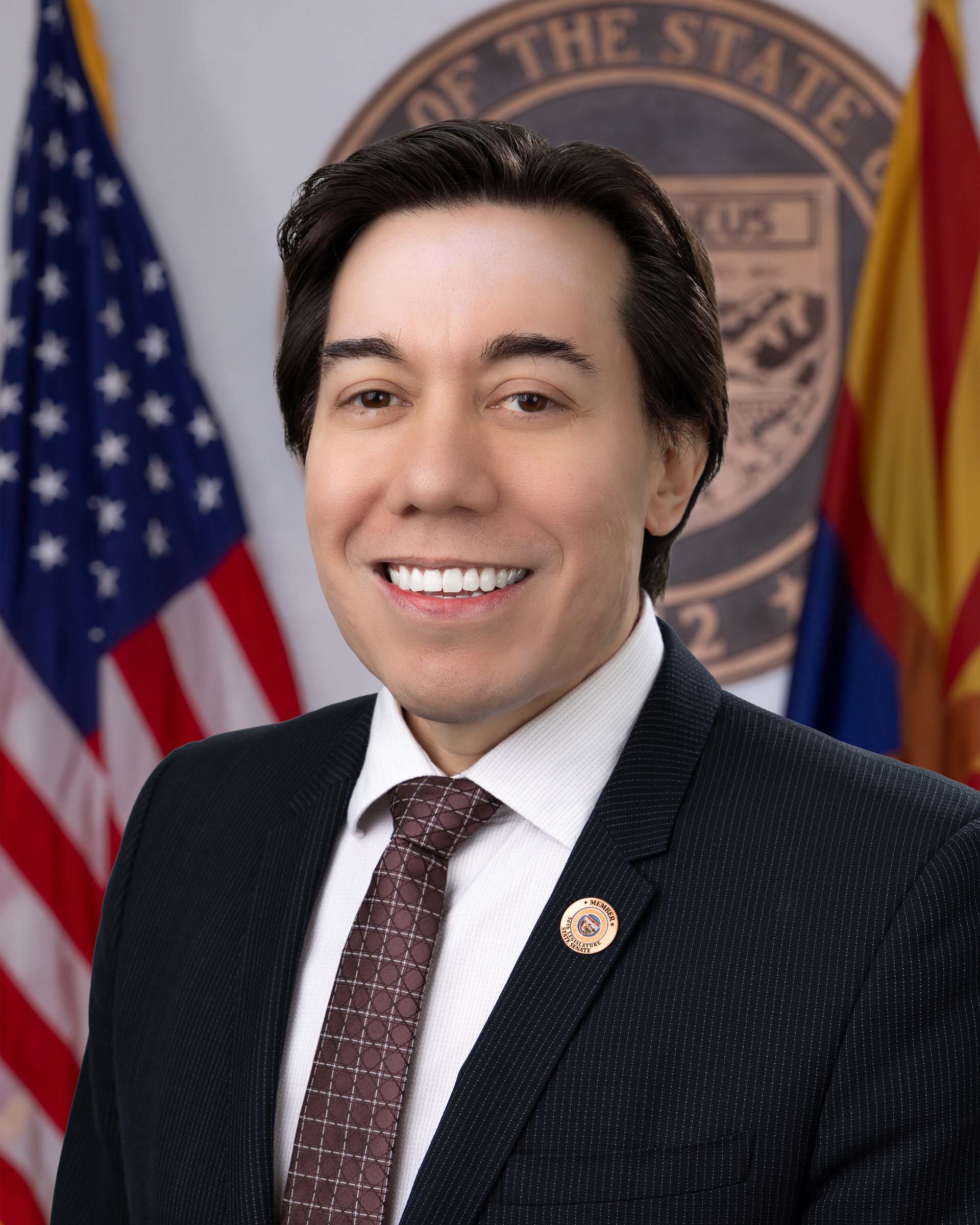
Kiana Sears
Kiana Sears Senate · District 9
D
Strong +
100% 7
Brian Fernandez
Brian Fernandez Senate · District 23
D
Strong +
100% 6
Carine Werner
Carine Werner Senate · District 4
R
Strong −
12% 8
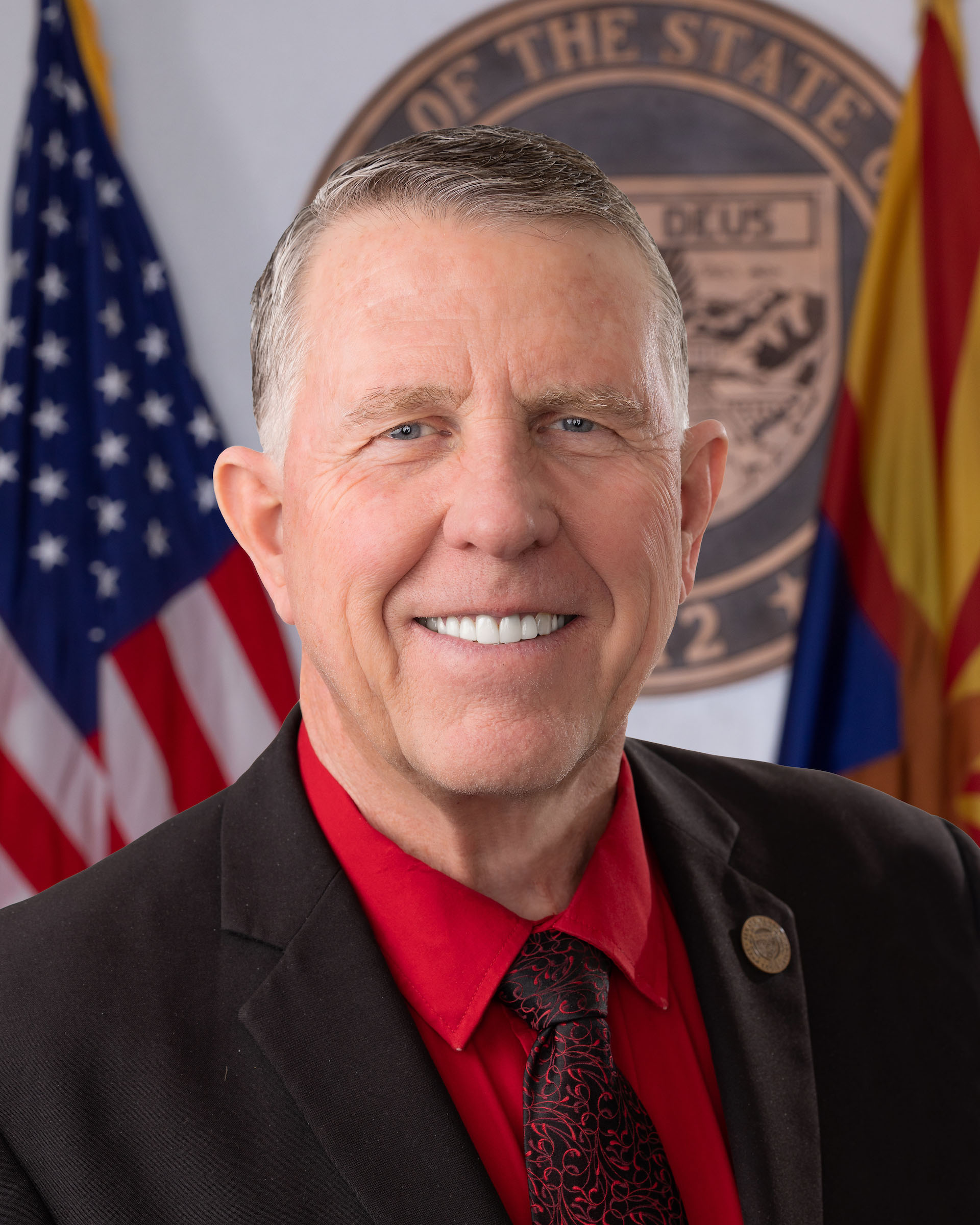
Dave Farnsworth
Dave Farnsworth Senate · District 10
R
Strong −
12% 8
David Gowan
David Gowan Senate · District 19
R
Strong −
12% 8
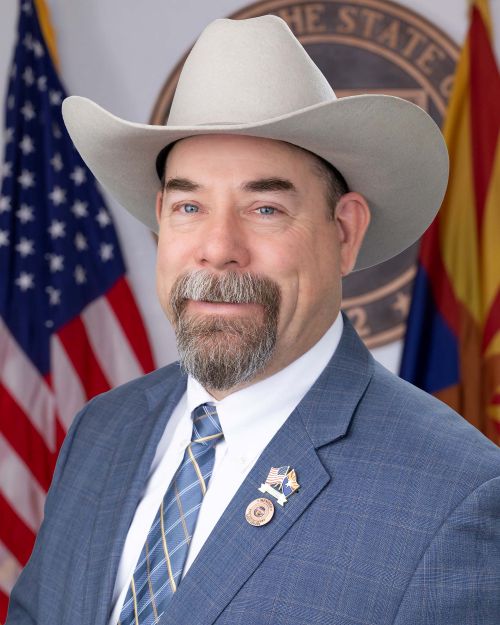
Frank Carroll
Frank Carroll Senate · District 28
R
Strong −
12% 8
Hildy Angius
Hildy Angius Senate · District 30
R
Strong −
12% 8
Showing 11–18 of 18 bills

All criminal justice bills

signed · Arizona · House Jun 4, 2026

HB 2573: DUI; alternative treatment

HB 2573 modifies Arizona's DUI sentencing to offer an alternative treatment option for certain offenders. It allows judges to suspend all but one day of jail time for DUI convictions involving alcohol if the defendant successfully completes a court-ordered alcohol or drug screening, education, or treatment program. The bill also maintains existing penalties, including a $250 minimum fine, two $500 assessments (funding prison construction and public safety equipment), and mandatory ignition interlock devices for alcohol-related DUIs. This primarily affects individuals convicted of DUI under Arizona law, providing a pathway to reduce jail time through treatment participation.
introduced · Arizona · House Jan 21, 2026

HB 2498: aggravated driving; suspended; revoked; license

HB 2498 creates a new Class 5 felony for driving with a suspended, revoked, or canceled license when a person has five or more prior separate violations of this offense within 84 months (7 years). It directly affects individuals with repeated violations of Arizona's driving suspension laws, imposing a mandatory minimum 4-month prison sentence with no probation, suspension, or early release. The law applies only to offenses occurring on or after January 1, 2019, and counts multiple violations from the same incident as a single offense for the five-violation threshold. This bill does not change penalties for first-time or fewer violations, which remain misdemeanors under existing law.
passed · Arizona · House Mar 3, 2026

HB 2175: crimes; hostility towards victims; sentencing

Arizona's HB 2175 increases prison sentences for certain crimes committed "out of hostility toward a victim because of the victim's identity in a protected group" (as defined in state law). It applies to offenses like assault (Section 13-1203), criminal damage (Section 13-1602), and other felonies listed in the bill. If convicted under these circumstances, defendants face a 3- to 5-year sentence increase (depending on felony class) and cannot receive probation, suspended sentences, or early release until the full term is served. The law explicitly states it does not restrict constitutional free speech rights.
introduced · Arizona · Senate Feb 4, 2026

SB 1543: felony conviction; sentence completion; designation.

Arizona's SB 1543 allows courts to downgrade certain lower-level felony convictions to class 1 misdemeanors under strict conditions. It applies to individuals convicted of non-violent class 4, 5, or 6 felonies who have no prior felony convictions, no victim involved, completed all court terms (including payments), waited at least five years since conviction with no subsequent offenses, and where the court deems it in the interest of justice. The bill does not automatically change sentences but gives judges discretion to reclassify eligible cases. It directly affects offenders meeting all five specific criteria. The bill is currently in early legislative stages (Senate readings).
Sub-Topics Courts Sentencing
signed · Arizona · Senate Jun 22, 2026

SB 1275: mandatory prison sentences; judicial discretion

This bill allows judges to impose lighter prison sentences or probation instead of mandatory prison terms for certain defendants with mental health conditions linked to military service or first responder work. It requires judges to find that imposing the mandatory sentence would cause injustice, isn't needed for public safety, and the condition relates to the defendant's military or first responder role. The law excludes cases involving death, serious injury, domestic violence, or ongoing criminal activity. Judges must state their reasoning on the record when deviating from mandatory sentences.
passed · Arizona · House Apr 13, 2026

HB 2043: felony murder; unborn child

HB 2043 amends Arizona's first-degree murder statute to include an unborn child as a victim when death occurs during certain violent crimes (like sexual assault, robbery, or drug offenses) or when death is caused with premeditation. It directly affects individuals convicted of these specific felonies who cause death to an unborn child during the commission of the crime. Key provisions clarify that the unborn child is protected at "any stage of development" and include three exceptions: legal abortions, medical treatment for the mother or child, and actions by the mother herself. The bill does not change sentencing (first-degree murder remains a class 1 felony punishable by death or life imprisonment) but expands the scope of the crime to cover unborn children in defined scenarios.
vetoed · Arizona · Senate Jun 19, 2026

SB 1061: fentanyl; sale amount; nine grams

SB 1061 amends Arizona law to increase penalties for fentanyl-related offenses involving specific quantities. It sets a 9-gram threshold for triggering mandatory minimum sentences: 5-15 years for a first offense and 10-20 years for repeat offenses involving sales or possession in a vehicle. The bill also requires a minimum $2,000 fine (or three times the drug's value), prohibits drug use during probation, and mandates 360 hours of community service for probationers convicted under this section. This law directly affects individuals convicted of fentanyl sales or possession of 9 grams or more, imposing stricter sentencing and additional conditions beyond standard penalties.
passed · Arizona · Senate Mar 9, 2026

SB 1077: interactive computer service; prostitution; violation

SB 1077 amends Arizona law to specifically criminalize using interactive computer services (like websites or apps) to facilitate, promote, or solicit prostitution involving minors. This provision is added to Section E of the dangerous crimes against children statute, making such online activity a "dangerous crime against children in the first degree." The bill establishes sentencing ranges of 13 to 27 years in prison for first-time offenders and 23 to 37 years for those with prior convictions. It directly affects individuals who use digital platforms to engage in or promote child prostitution, imposing stricter penalties than standard prostitution offenses.
Showing 11 to 18 of 18 bills