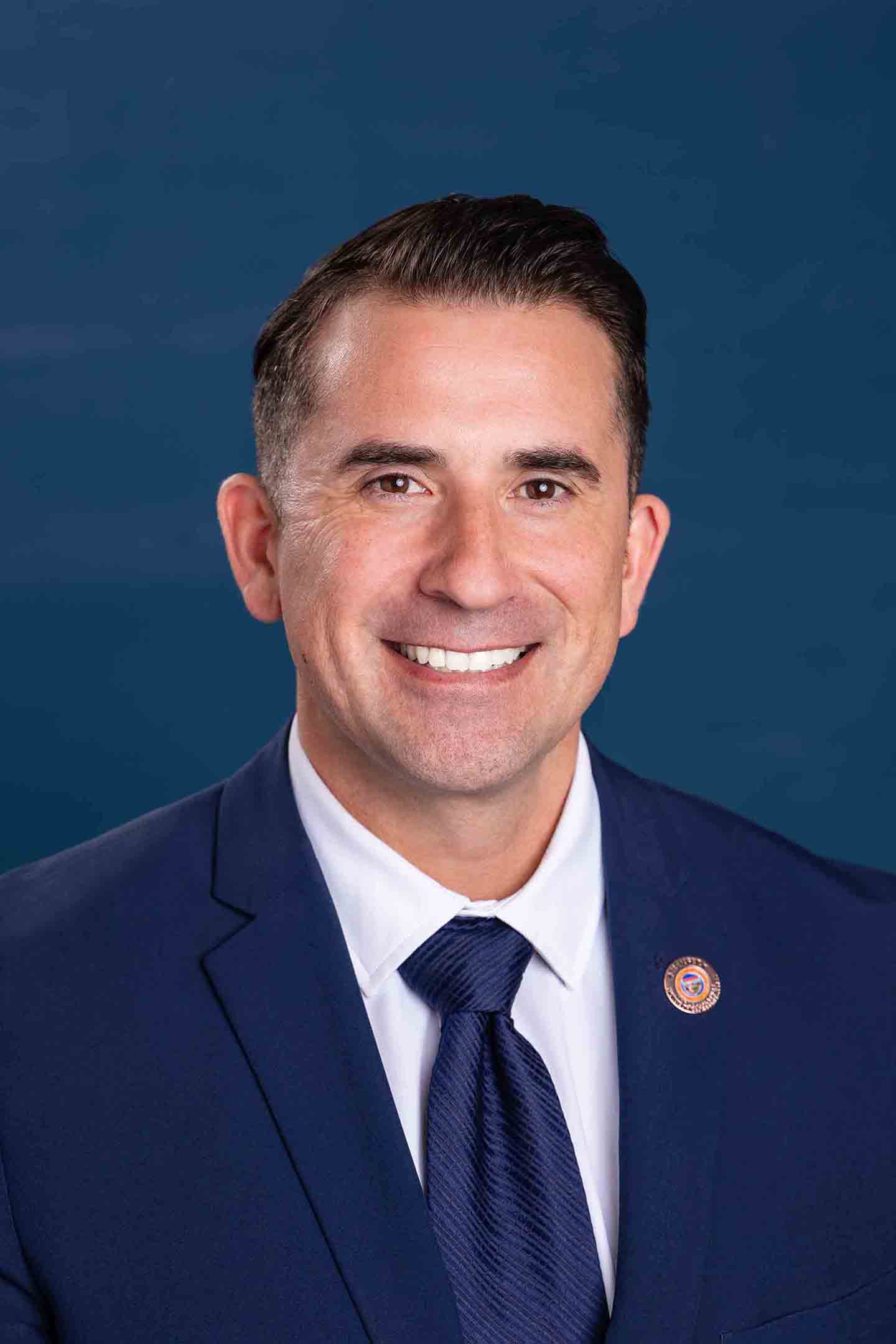
SB 1332 prohibits Arizona from providing state funding or financial support for new light rail construction projects. It requires the state transportation department to conduct a feasibility study by December 2027, comparing light rail costs, environmental impact, ridership, and maintenance against alternatives like autonomous vehicles and bus systems in Maricopa County. The study must be submitted to state leaders and Phoenix officials, with findings informing future state involvement decisions. The bill expires on June 30, 2028, making it a temporary measure to evaluate transit options before potential future funding.
This proposed constitutional amendment (HCR 2044) would prohibit Arizona state and local governments from granting preferential treatment or discrimination based on race, sex, color, ethnicity, or national origin in public employment, education, or contracting. It specifically bans requiring individuals to endorse race-based policies, spending public funds on offices promoting such policies, or implementing disciplinary actions based on race/ethnicity. The amendment directly affects public schools, universities, government agencies, and contractors operating under state authority. If approved by voters, it would become part of Arizona's Constitution, replacing existing antidiscrimination laws in these specific areas.
Arizona's HB 2804 creates a new tax credit to support rural affordable housing development. It allows taxpayers (primarily developers or investors in qualifying projects) to claim a credit against their state insurance premium tax for projects in counties with under 800,000 residents that also qualify for federal low-income housing tax credits. The credit amount matches the state's allocation for each project, capped at $2 million annually through 2036, and requires an eligibility statement from the Arizona Department of Housing. Taxpayers can offset the credit against premium tax liability, carry forward unused portions for up to five years, and the program includes annual reporting requirements for the department.
SB 1798 establishes a two-year pilot program for Arizona school districts with 80-85 schools (covering kindergarten through 12th grade) to install camera-based safety systems that detect registered sex offenders, individuals with criminal records, or "individuals of concern" designated by schools or law enforcement. The system must issue alerts within 60 seconds after analyst review, while strictly prohibiting the storage of video, audio, biometric data, or live monitoring to comply with privacy laws. The bill appropriates $2 million from the state general fund for this program, which expires December 31, 2027, and requires a report on implementation to state leaders. It directly affects participating school districts by mandating specific safety technology with built-in privacy safeguards.
SB 1118 appropriates state funds for a grant program to help rural hospitals cover costs of radiation protection systems. The bill directly affects rural hospitals (defined as those in counties with under 1 million residents) by providing financial assistance for shielding systems that protect staff during medical procedures using radiation. Key provisions require these systems to meet specific standards: equivalent protection to a .25mm lead apron and include real-time dosimetry to measure radiation exposure. The grant program is administered by the Arizona Department of Health Services for fiscal year 2026-2027.
SB 1582 allocates $3.2 million from Arizona's general fund for the 2026-2027 fiscal year to the Department of Education for its existing school safety program. This funding supports the program established under Arizona Revised Statutes §15-154, which focuses on school safety initiatives. The bill directly affects the Department of Education as the recipient and indirectly benefits Arizona public schools through this dedicated funding stream. As a purely financial measure, it does not create new policies or change program requirements.
This bill establishes stricter rules for verifying eligibility for Arizona's health care system by requiring the state to match member data with tax and gambling records to detect undisclosed income. It mandates quarterly checks on able-bodied adults and prohibits the use of self-reported information for enrollment without independent verification from state agencies. Additionally, the legislation seeks to limit presumptive eligibility for adults, restricting it primarily to children and pregnant women, while setting specific performance standards for hospitals that make these temporary determinations. If hospitals repeatedly fail to meet these standards, the bill requires mandatory staff training or revokes their ability to make presumptive eligibility decisions. Although the bill passed the legislature, it was vetoed by the Governor.
This bill establishes new rules for Arizona's Supplemental Nutrition Assistance Program (SNAP) to improve oversight and limit income thresholds for eligible recipients. It mandates that the state cap gross income limits for certain SNAP applicants at 185% of the federal poverty level and requires the Department of Economic Security to regularly cross-check applicant data with tax records, lottery winnings, and other government databases to verify eligibility. The legislation also sets a target to reduce payment error rates to 3% by 2030, requiring quarterly reports to the legislature and imposing financial penalties on the department if it fails to meet interim goals. Additionally, the bill mandates public reporting on fraud investigations and improper payments while authorizing an independent audit to identify factors contributing to payment errors.
HB 2584 amends Arizona law governing state health insurance funding for public employees. It sets monthly spending limits for state-provided health coverage: $500 per individual, $1,200 per married couple (both state employees), or $1,200 per family (one employee spouse). The bill requires the Department of Administration to offer various plan types (including HMOs and indemnity plans) and mandates self-insurance programs include specific protections like grievance procedures and quality standards. It directly affects all full-time state employees and their dependents by defining how public funds can cover their health insurance. The bill does not address genetic sequencing, as suggested by its title.
HB 2008, the "Library Freedom Act," prohibits Arizona public schools from using taxpayer funds to pay dues or membership fees to professional associations that advocate for libraries and librarians. This directly affects public school libraries and their governing bodies, preventing them from financially supporting such associations with public money. The bill includes an exception allowing county free libraries, municipal libraries, or other contracted entities to still join these associations using their own funds. The law clarifies that "school library" encompasses the school's library, all sites it serves, and the school governing body.