

light rail expansion; participation; prohibition
SB 1332 prohibits Arizona from providing state funding or financial support for new light rail construction projects. It requires the state transportation department to conduct a feasibility study by December 2027, comparing light rail costs, environmental impact, ridership, and maintenance against alternatives like autonomous vehicles and bus systems in Maricopa County. The study must be submitted to state leaders and Phoenix officials, with findings informing future state involvement decisions. The bill expires on June 30, 2028, making it a temporary measure to evaluate transit options before potential future funding.
Bill status
vetoed
4 of 5 stages cleared
Introduction
Jan 2026
Committee Review
Mar 2026
Senate Passage
Mar 2026
House Passage
Jun 2026
Vetoed
Jun 2026
Introduced Jan 26, 2026
Vetoed Jun 19, 2026
Maddy AI version diff · 1 comparison
What changed between versions
Introduced Version
→
Senate Engrossed Version (03/17/2026)
·
4 edits
·
Mar 17, 2026
MODERATE
The bill was renumbered and its title was updated to reflect a feasibility review rather than a construction prohibition. The most significant change is that the responsibility for conducting the feasibility review shifted from the Department of Transportation to the Auditor General. Additionally, the scope of the required review was expanded to include detailed analyses of economic benefits, impacts on small businesses, and construction-related disruptions to local commerce.
Scope change
The bill's scope expanded to require a broader economic and community impact analysis, specifically focusing on small businesses and traffic visibility, in addition to the original transit mode comparisons.
REQUIREMENT
The agency responsible for conducting the feasibility review changed from the Department of Transportation to the Auditor General.
New requirements were added to analyze long-term economic benefits and costs between light rail and alternative transit options.
New requirements were added to assess the short-term economic effects of construction on small and locally owned businesses.
New requirements were added to evaluate how construction activity might impair visibility, access, parking, and traffic for affected businesses.
Floor votes · House Jun 11, 2026
How they voted
This bill passed the Senate by voice vote (no roll call recorded).
Full legislative history
Actions timeline
Total actions
15
Key actions
6
Committee
1
Amendments
2
Jun 19, 2026
Vetoed
Vetoed by Governor
executive
Jun 11, 2026
Lower · Passed
PASSED
lower
Jun 1, 2026
Lower · Passed
DP
lower
Mar 25, 2026
Lower · Passed
DP
lower
Mar 17, 2026
Upper · Passed
PASSED
upper
Mar 16, 2026
Upper · Passed
DPA
upper
Feb 17, 2026
Upper · Passed
DPA
upper
1 primary · 0 co-sponsors
Sponsors
Role
Legislator
Party
State
District
P
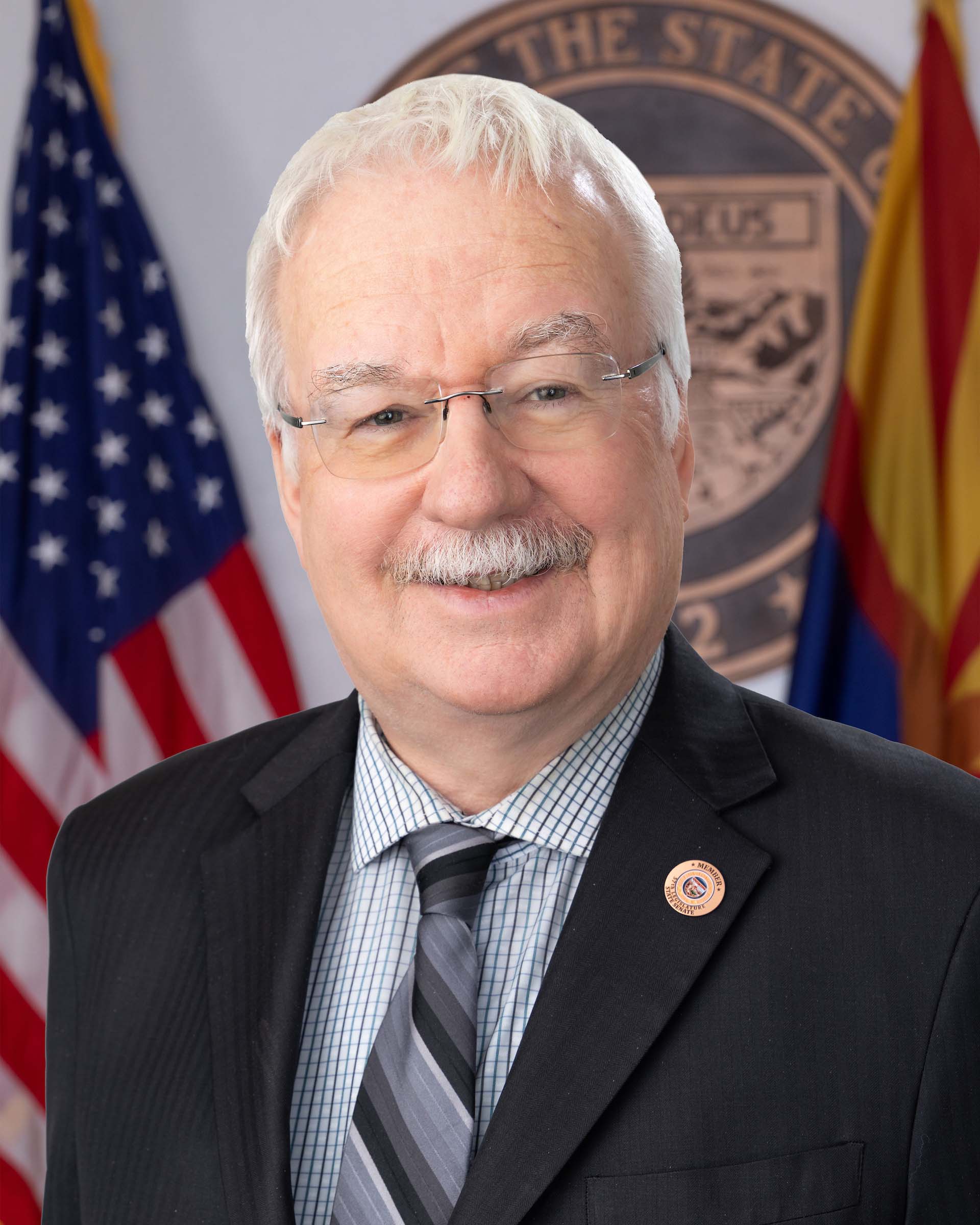
John Kavanagh
RRepublican
Ask Maddy
·
AI policy assistant
Ask Maddy about SB 1332
Scope: AZ
Hi! I can help you understand SB 1332. What would you like to know?
Try one of these
i
Maddy answers using official bill text and legislative records. Always verify before sharing.
Sources cited inline