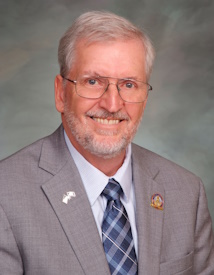
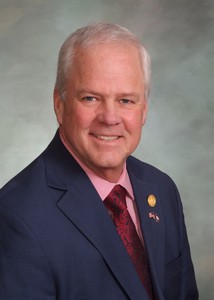
Key legislators
Who's moving energy in Wyoming
Showing 4 of 4
bills
All energy bills
HB 145 replaces multiple existing fees for electric vehicles with a single per-kilowatt-hour tax on electricity used to power them. It reduces the annual decal fee for plug-in hybrid vehicles from $200 to $100 and sets a $200 annual fee for all-electric vehicles (previously subject to overlapping taxes). The bill allows EV owners to receive refunds for electricity purchased for vehicle use and requires clear display of the new electricity-based tax. This directly affects Wyoming residents who own electric or plug-in hybrid vehicles by eliminating "triple taxation" on their vehicles and shifting the tax burden to electricity usage.
HB 174 requires Wyoming's public utilities to offer customers a "choice electric program" that lets them select electricity from different energy sources (like wind, solar, or fossil fuels) and set their preferred mix. Utilities must provide transparent pricing showing actual costs - without subsidies or grants - for each source type, including delivery and administrative fees. Customers can choose specific percentages for each resource type, and utilities must disclose how they handle unreliable energy sources to meet demand. The Public Service Commission must create these rules by January 1, 2027, and cannot keep pricing information confidential. This directly affects residential and commercial electricity customers and all electric utilities operating in Wyoming.
HB 146, the "Affordable Electricity Act of 2026," exempts small residential solar devices (called "plug-in solar generation devices" or PIPVs) from most utility regulations. It directly affects homeowners who install compliant PIPVs - devices under 1,200 watts per meter, designed for standard 120V outlets, and meeting safety standards - to offset their personal electricity use. Key provisions include banning utility fees for these devices, eliminating requirements for interconnection agreements or net metering approvals, and mandating safety features to prevent backfeeding during outages. The bill also shields utilities from liability for customer-installed PIPVs, making it easier for residents to adopt small-scale solar without utility hurdles.
This Wyoming bill (SF 3) makes trespassing at commercial nuclear facilities a felony punishable by up to five years in prison or a $1,000 fine. It creates legal protections for security guards at these facilities, allowing them to use defensive force - including deadly force - to prevent specific crimes like burglary, radiological sabotage, or assaults within protected areas. Guards may also detain suspected violators for law enforcement. The law applies to licensed nuclear facilities (like power plants) and their security personnel, defining "protected areas" as zones within physical barriers posted as restricted. The bill takes effect July 1, 2026.