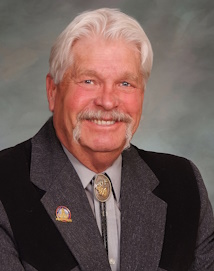
HB 102 prohibits the creation and distribution of AI-generated sexual images of children without consent (Section 6-4-307) and bans developing or distributing AI systems specifically designed to create or promote child sexual material (Section 6-4-308). It makes these acts felonies punishable by up to 10 years in prison and $10,000 fines, with harsher penalties for repeat offenses. The bill also clarifies that using AI to commit crimes isn’t a defense (Section 6-1-206) and provides limited immunity for AI developers who didn’t intend illegal use. It directly affects developers of AI tools, distributors of nonconsensual deepfakes, and individuals using AI to exploit children.
Wyoming's HB 192 proposes changes to penalties for drivers who refuse chemical tests after a DUI arrest when a search warrant has been obtained. The bill increases penalties for refusal to include up to six months in jail, a $750 fine, and mandatory license suspension (30 days to one year) for all drivers, including those under 21 and commercial drivers. It also allows refusal to be used as evidence in court and requires offenders to complete substance use disorder assessments and treatment at their own expense. The bill would take effect on July 1, 2026, if passed.
This bill authorizes two new full-time positions within Wyoming's state forestry division (one effective April 2026, one April 2027) to support the forestry conservation inmate crew program. It appropriates $499,709 from the general fund specifically for these positions, associated equipment/supplies, and program costs through June 2028. The funding is tied to coordination with the Department of Corrections and includes specific budgeting instructions for the state's next fiscal biennium. The bill directly affects the state forestry division, the inmate crew program, and the Department of Corrections.
HB 185 prohibits the manufacture, sale, distribution, and possession of kratom products in Wyoming. It directly affects businesses and individuals handling these products, with exemptions for research institutions and law enforcement labs conducting testing. Violations carry misdemeanor penalties of up to $1,000 fines or one year in jail for repeat offenses. The bill also requires the Department of Agriculture to hire staff and purchase testing equipment, effective July 1, 2026.
HB 170 would amend Wyoming's parole eligibility rules to make prisoners ineligible for parole if they were convicted of assault or escape in district court *or* found guilty of those acts through the Wyoming Department of Corrections' administrative disciplinary process. This change directly affects individuals serving sentences who have been disciplined for assault or escape while incarcerated. The bill adds administrative disciplinary findings (not just court convictions) as a basis for parole ineligibility under state law. It would take effect on July 1, 2026, if enacted. (Note: The bill is currently pending introduction and has not yet been considered by the legislature.)
HB 98 amends Wyoming law to add criminal penalties for violating the Prohibit Red Flag Gun Seizure Act. It makes knowingly violating this law a misdemeanor punishable by up to one year in jail, a $2,000 fine, or both. The bill directly affects individuals who improperly seize firearms under the red flag law, such as law enforcement or officials acting outside legal authority. The law takes effect on July 1, 2026, and does not change the underlying red flag seizure procedures.
Wyoming's SF 87 creates a new felony offense for intentionally causing bodily injury to a police officer while the officer is performing lawful duties. This amendment specifically targets individuals who assault officers during the course of their work, making such acts punishable by up to 10 years in prison. The bill directly affects people who physically harm officers in the line of duty, strengthening penalties for this specific conduct. It amends existing law (W.S. 6-5-204(b)) to clarify that causing bodily injury during officer engagement constitutes a felony. The bill takes effect on July 1, 2026.
HB 42 amends Wyoming law to make failing to stop after a vehicle accident causing death or serious injury a felony, rather than a misdemeanor. Drivers involved in accidents resulting in death or "serious bodily injury" (as defined in state law) would face up to 5 years in prison or a $10,000 fine, compared to the current maximum of 1 year or $5,000 for injuries alone. The bill directly affects drivers involved in collisions with fatal or severe injury outcomes, increasing legal consequences for hit-and-run behavior. It takes effect on July 1, 2026.
HB 43 creates new criminal offenses for money laundering and illegal investments in Wyoming. It defines money laundering as moving property derived from crime (like drug trafficking or fraud) or structuring transactions to hide illegal money, and illegal investment as intentionally evading reporting rules for financial transactions. The bill directly affects financial institutions (such as banks, casinos, and money transmitters) and individuals handling large sums, requiring them to comply with reporting laws. Violations are punishable as felonies with up to 10 years in prison or $10,000 fines. The law takes effect July 1, 2026.
HB 47 requires any person who reasonably believes another person faces immediate risk of serious injury or death to attempt to contact emergency services (like 911) if doing so doesn't endanger themselves or the other person. It directly affects all Wyoming residents who witness such emergencies. The law creates a misdemeanor offense for failing to assist under these conditions, with penalties of up to 6 months in jail and $750 for causing serious injury, or up to 1 year and $2,000 if death occurs. Exemptions include those who provide assistance under other laws or would self-incriminate by reporting. The law takes effect July 1, 2026.