Issue · Education

Education

Every education bill, vote, and legislator stance in West Virginia, automatically classified by Maddy, our AI policy reader.

Total bills
328
2026 Regular Session
Top supporter
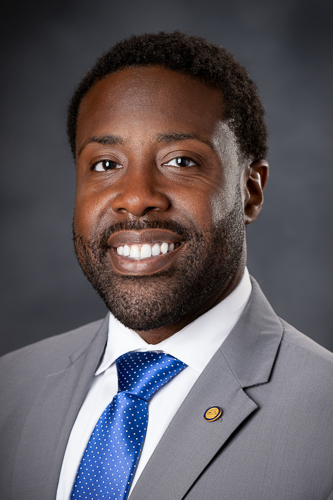
Mickey Petitto
100% support rate
Top opponent
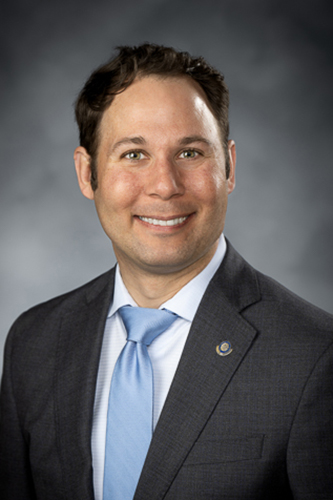
Corby Dillon
17% support rate
Ranked legislators
10
5 support · 5 oppose
Key legislators

Who's moving education in West Virginia

Legislators moving education in West Virginia
Legislator Party Stance Support rate Votes
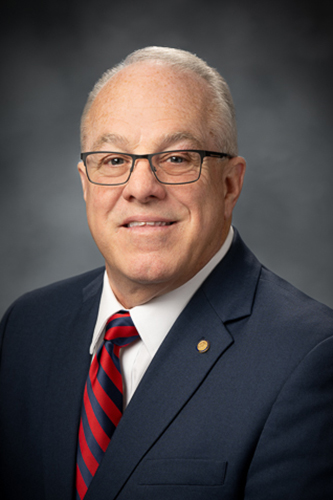
Mickey Petitto
Mickey Petitto House · District 70
R
Strong +
100% 29
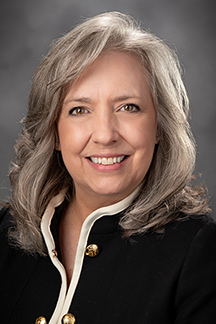
Erica Moore
Erica Moore House · District 15
R
Strong +
94% 46
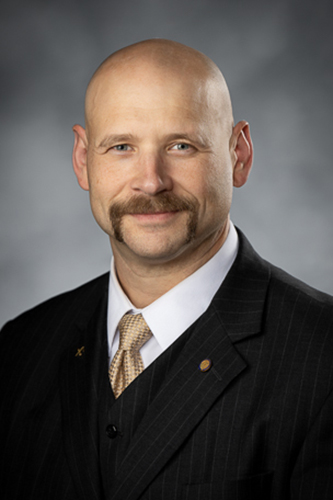
Jimmy Willis
Jimmy Willis House · District 3
R
Strong +
94% 44
John Jordan
John Jordan House · District 42
R
Strong +
94% 43
Joe Parsons
Joe Parsons House · District 16
R
Strong +
93% 37
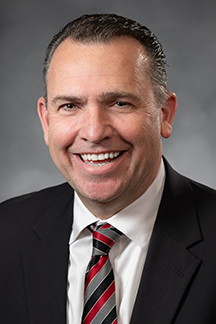
Corby Dillon
Corby Dillon House · District 29
R
Strong −
17% 47
Sean Hornbuckle
Sean Hornbuckle House · District 25
D
Oppose
33% 40
Evan Hansen
Evan Hansen House · District 79
D
Oppose
33% 47
Joey Garcia
Joey Garcia Senate · District 13
D
Oppose
33% 12
Shawn Fluharty
Shawn Fluharty House · District 5
D
Oppose
33% 44
Showing 291–300 of 328 bills

All education bills

in committee · West Virginia · House of Delegates Jan 28, 2026

HB 4855: To the elimination of the West Virginia Department of Education and providing direct funding for education

HB 4855 eliminates West Virginia's Department of Education, transferring its functions to the State Treasurer and county school boards. It creates a centralized School Fund at the State Treasurer to hold all state and federal education funds, which counties receive annually based on a formula weighted 67% by population and 33% by land area. The bill also establishes per-teacher classroom expense accounts and requires public transparency for all county school procurement purchases. These changes directly affect county school boards, teachers, and the State Superintendent, who will no longer oversee education programs.
in committee · West Virginia · Senate Jan 14, 2026

SB 39: Requiring heart health program in grades three through six

SB 39 requires West Virginia public schools with students in grades three through six to implement a heart health program. The program must include 12 consecutive weeks of nutrition and aerobic exercise education annually, delivered through flexible formats like books, digital tools, or in-person classes. Schools must align the program with state health standards, track student participation, and report data to the state education department. This directly affects all public schools serving grades three through six in West Virginia, mandating specific health education requirements during the school day.
in committee · West Virginia · House of Delegates Jan 28, 2026

HB 4861: Authorizing county boards to designate rural anchor schools.

HB 4861 allows West Virginia county school boards, with state board approval, to designate one or more rural schools as "Rural Anchor Schools" if they meet specific criteria: geographic isolation (rural community, primary neighborhood school), enrollment below the statewide average for their grade level, and demonstrated need to avoid unreasonable transportation/safety issues if closed. The bill requires state aid calculations to treat these schools as if they have at least 150 students for funding purposes, covering fixed operating costs (utilities, maintenance) and core staffing, while keeping actual enrollment counts unchanged for other purposes. Designations last five years with annual reporting on enrollment, student performance, and fund usage, and can be revoked if eligibility or accountability rules are violated. This directly affects eligible rural schools and their funding under the state's public school support program.
Sub-Topics K-12 Education School Funding Tags Rural Communities
in committee · West Virginia · Senate Jan 15, 2026

SB 409: High School Educator Flexibility Act of 2026

SB 409 creates a new "course-specific teaching permit" allowing certified West Virginia high school teachers to teach specific high-quality courses - even outside their subject-area certification - after completing approved training. The bill defines "high-quality courses" as those with industry credentials, college credit, or standardized exams, and requires teachers to finish 30+ hours of approved professional learning from designated providers. School districts can assign permit-holding teachers to fill staffing gaps in these courses, and the bill guarantees that career-technical education funding won’t be reduced for courses taught by such instructors. This directly affects certified teachers seeking flexibility and school districts managing specialized course staffing.
in committee · West Virginia · House of Delegates Feb 17, 2026

HB 4871: Make available vegetarian meal option for students enrolled in schools, provided that such meals comply with all applicable federal nutritional guidelines

HB 4871 requires West Virginia public school districts to offer a vegetarian meal option that meets federal nutrition standards for students enrolled in schools. County school boards must make this option available but can require advance requests (with reasonable deadlines) and are not obligated to provide it if a request isn't submitted in time. The bill does not change existing rules for medical or religious dietary accommodations and allows school districts to set their own implementation procedures for requests and menu planning. It directly affects students seeking vegetarian meals and school nutrition programs operating under federal meal reimbursement programs.
Sub-Topics Student Health
in committee · West Virginia · Senate Jan 14, 2026

SB 92: Relating to enhanced pay for certain teachers

SB 92 creates a market-based pay enhancement for West Virginia teachers in counties where regional home prices exceed the state average. It directly affects certified teachers employed in counties where the median home price in their county plus neighboring border counties is higher than West Virginia’s statewide median. The bill calculates an annual multiplier using regional vs. state median home prices (from National Association of Realtors data), which is applied to each county’s average teacher salary to determine supplemental pay. This enhancement, added to base salaries, requires annual reporting to the State Auditor and is subject to personal income tax. The program begins July 15, 2026, with updates every five years.
in committee · West Virginia · Senate Feb 24, 2026

SB 619: Creating Stop the Bleed Act

SB 619, the Stop the Bleed Act, requires West Virginia public schools to implement bleeding control programs starting in the 2026-2027 school year. It mandates schools to place bleeding control kits (containing tourniquets, bandages, gauze, gloves, and DHS/ACS instructional materials) in accessible locations, train staff every other year on wound control techniques, and integrate bleeding control education into high school curricula for grades 9-12. The bill also requires annual kit inspections, post-use restocking, and provides civil immunity for school personnel using kits unless gross negligence occurs. Funding may come from private donations or legislative appropriations. This law directly affects all West Virginia county school districts and their students and staff.
in committee · West Virginia · Senate Jan 14, 2026

SB 57: Exempting ad valorem property tax on property used for divine worship, educational, and charitable purposes

SB 57 amends West Virginia law to explicitly include property used for educational and charitable activities on land primarily for divine worship (like churches) under the existing property tax exemption. This means churches operating schools, daycare centers, or community programs on their property will now qualify for full tax exemption on that land, not just the worship space. The bill clarifies that if a portion of religious property serves educational, literary, scientific, or charitable purposes - such as a church-run school or community center - the entire property remains exempt. It directly affects religious organizations and nonprofits using their land for these combined purposes. The change refines existing law (§11-3-9) without creating new exemptions.
in committee · West Virginia · Senate Jan 14, 2026

SB 224: Creating Support for Neglected Schools Act

SB 224 reorganizes how West Virginia allocates existing school construction funds to prioritize facility improvements. It sets aside 10% of available funds for statewide projects (like school construction), 5% specifically for multi-use vocational-technical facilities (including post-secondary programs), and 2% for emergency repairs. The bill requires school authorities and county boards to submit approved 10-year facility plans before receiving funds and prioritizes vocational-technical projects that partner with community colleges. It directly affects school districts, county boards, and vocational centers by changing how they access state funding for facility upgrades.
in committee · West Virginia · House of Delegates Jan 29, 2026

HB 4955: To ensure that classroom sizes are equal without losing a teachers aide

This bill establishes specific class size limits for West Virginia public schools: kindergarten classes must have no more than 20 students per teacher with an aide (for classes over 10 students), and grades 1-3 must have no more than 25 students per teacher with an aide, phased in from the 2023-2024 school year through 2025-2026. It requires counties to maintain these ratios in K-6 classrooms, allowing interventionists as an alternative staffing option for grades 4-6. The law directly affects K-6 teachers and students by mandating smaller class sizes to maximize teacher-student interaction time and support staff utilization.
Showing 291 to 300 of 328 bills
Previous 1 29 30 31 33 Next