

Maddy summaryHB 2451 modifies Washington State's tax increment financing (TIF) rules to help local governments fund public improvements. It allows cities, counties, and other local jurisdictions to use increased property tax revenue from designated "increment areas" (geographic zones where property values rise after designation) to pay for eligible projects like roads, water systems, affordable housing, and park facilities. The bill sets limits: an increment area cannot exceed $200 million in assessed value (adjusted annually by the consumer price index) or 20% of a jurisdiction's total assessed value, whichever is smaller. It clarifies which costs qualify, including infrastructure, affordable housing development, and administrative expenses directly tied to TIF implementation. This bill directly affects local governments seeking to finance public projects through targeted tax revenue growth within specific zones.
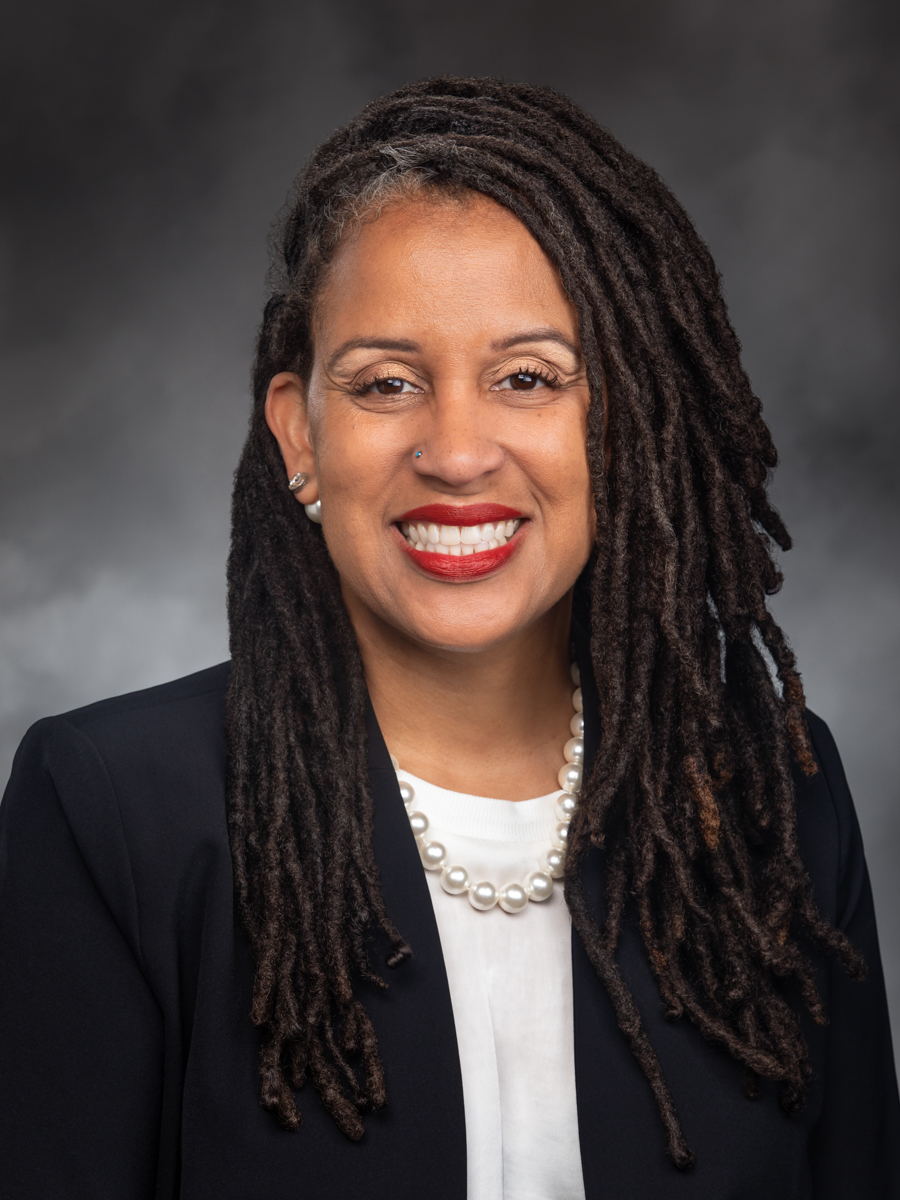
Rep. April Berg
Sponsored bills
Maddy summaryHB 1128 creates a Washington state Child Care Workforce Standards Board to set minimum compensation and employment standards for child care workers. The board, composed of nine members including worker representatives (from family child care, center workers, and school-age programs), employer representatives, parent advocates, and state agency officials, will address low pay and poor working conditions that contribute to workforce instability. It requires the board to hold public hearings, establish standards with a six-member vote, and protect workers from retaliation for participating in the process. The law aims to improve child care quality and affordability by ensuring fair compensation and stable employment for workers directly serving children.
Maddy summaryHB 2165 makes it a gross misdemeanor to intentionally create, possess, or display fake law enforcement items (like badges, vehicle decals, or insignia) that falsely identify someone as a sworn peace officer or reserve officer, or to misrepresent ordinary items as police property. It directly affects individuals or businesses selling or using fake police gear, such as costume shops or people posing as officers. Key exceptions include items clearly marked as honorary roles, historical displays, or protected artistic/satirical works (like parodies or educational materials). The law does not prohibit legitimate uses like historical reenactments or news coverage, and it specifies that the fake item must be displayed in a way that would reasonably mislead others.
Maddy summaryHB 1570 grants collective bargaining rights to student employees (those enrolled in academic or certificate programs) at Central Washington University, Eastern Washington University, Western Washington University, and The Evergreen State College. It defines specific bargaining topics, including tuition remission and waivers, while excluding issues like academic calendars, tuition amounts, student admissions, and termination based on academic performance. Compensation agreements must align with legislative budget limits, though institutions may offer additional pay beyond these limits. The bill applies only to employees not already covered by other collective bargaining laws at these institutions.
Maddy summaryHB 2238 requires Washington's Department of Agriculture to develop a statewide food security strategy by December 2027, aimed at ending hunger, reducing diet-related health disparities, and strengthening agricultural supply chains. The strategy must define food security through three lenses - access, agricultural viability, and supply chain resilience - and establish metrics to track regulatory costs (like fuel and labor), food access gaps, and agricultural competitiveness. It mandates collaboration with state agencies, tribes, BIPOC communities, small farmers, and food policy organizations to identify policy barriers, coordinate disaster response, and address root causes of hunger. The bill expires July 1, 2028, and requires the department to report on agricultural regulatory competitiveness every four years starting in 2030.
Maddy summaryHouse Bill 1980 allows certain private employer transportation services to use designated public transportation facilities, directly affecting employers who provide employee shuttles and the authorities managing these routes. It permits private employer transportation service vehicles, defined as marked, regularly scheduled employee shuttles with capacity for eight or more passengers, to use reserved limited access facilities (like HOV lanes) if their use does not interfere with public transit efficiency. In counties with over two million people, local authorities may also issue fee-for-use permits for these private services to use specific transit-only lanes that allow access to abutting businesses, with approval from public transportation providers. These permits require adherence to operational performance standards to ensure public transit efficiency, and generated revenues cover administrative costs and lane maintenance.
Maddy summaryThis bill is a House resolution that formally recognizes Representative Virginia "Jenny" Graham for her public service in the Washington State House of Representatives. It highlights her eight-year tenure, her advocacy for public safety, and her work on community safety and veterans' issues. The resolution does not create new laws or policies but serves as an official acknowledgment of her contributions and legacy.
Maddy summaryThis bill is a House resolution that formally honors John Michael Sattgast for his 35 years of dedicated service as a communications professional for the House Republican Caucus in the Washington State Legislature. It recognizes his work producing over 4,000 radio stories and coordinating media coverage for state representatives, as well as his leadership roles with the National Conference of State Legislatures. The resolution acknowledges his contributions to sharing legislative history and public information, noting his receipt of the 2023 Legislative Staff Achievement Award. This measure serves as a commemorative tribute rather than establishing new policy or affecting government operations.
Maddy summaryThis bill formally acknowledges the service of Representative Steve Tharinger to his district and the Washington state legislature. It recognizes his long career in public service, including his time as a Clallam County Commissioner, his work on the House Capital Budget Committee, and his advocacy for environmental protection and healthcare. The resolution serves as a commemorative tribute to his contributions and personal qualities rather than establishing new laws or policies.
Maddy summaryHB 2333 protects elected officials, candidates, election officials, and criminal justice staff (like police, prosecutors, and court personnel) from threats by expanding access to address confidentiality and increasing penalties for harassment targeting them in their official roles. The bill amends Washington’s harassment law to make threats against these groups a class C felony if the threat relates to their duties, and updates the address confidentiality program to include them. This allows eligible individuals to keep their home addresses private (using a state-designated address for official mail) and qualifies them for enhanced security measures. The law directly affects public servants who face threats due to their work, not general public safety. It focuses on concrete policy changes: stronger legal penalties for threatening officials and simplified access to address protection.