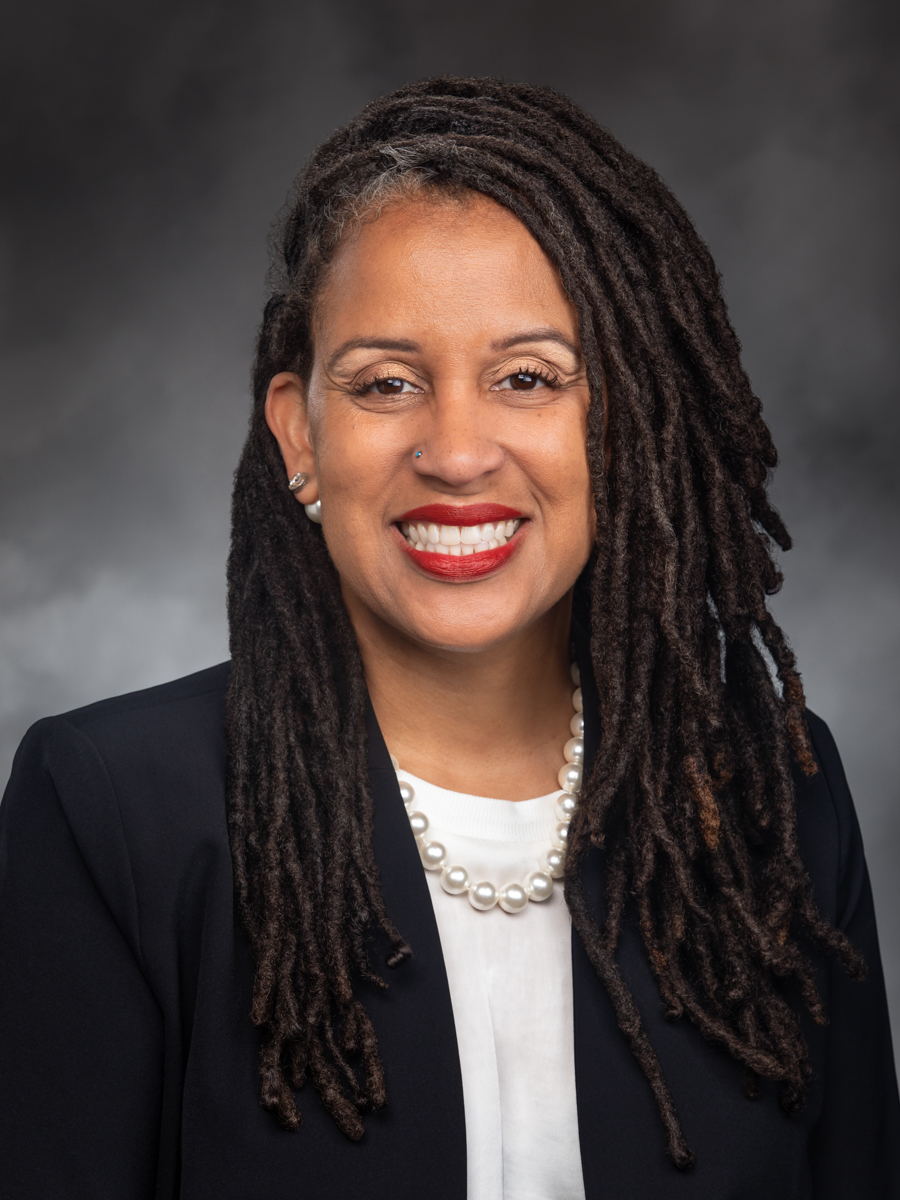
Photo of April Berg
D Washington House · District 44 On the 2026 ballot

Rep. April Berg

Compare
Total votes
3,509
all sessions
Attendance
100%
16 missed
Near the chamber average
With party
99%
of cast votes
Higher than 82% of chamber peers
Bipartisan score
0%
crosses aisle rarely
Lower than 84% of chamber peers
Sponsored
401
bills & resolutions
Near the chamber average
Committees
3
assignments
401 bills and resolutions

Sponsored bills

Total
401
Primary
48
Co-sponsor
353
This page
401
matching current filters
Co-sponsor HB 1960
Signed into law · Washington House · Co-sponsor
Encouraging renewable energy in Washington through tax policy and investment in local communities.

Maddy summaryHB 1960 aims to encourage renewable energy development in Washington by changing the tax structure for large-scale solar and wind energy facilities. The bill exempts personal property used for renewable energy generation and storage in qualified facilities from property taxation. In its place, it establishes a new annual excise tax on these facilities, with rates varying based on the energy type, operational date, and capacity of the generation and storage systems. This new tax directly affects operators of significant solar and wind energy projects and their associated storage systems across the state.

Signed into law Apr 1, 2026 1 co-sponsor
Primary HB 2442
Signed into law · Washington House · Lead sponsor
Providing local governments tax resources and fund flexibility.

Maddy summaryHB 2442 allows Washington counties and cities to impose specific real estate excise taxes to fund local capital projects and affordable housing. It authorizes a 0.25% tax on real property sales for general capital projects (like streets, parks, and sewer systems), with strict usage rules requiring projects to align with comprehensive plans. Additionally, it creates a separate 0.5% tax exclusively for affordable housing development, including acquisition, construction, and maintenance for low- and moderate-income residents. Local governments must document funding plans for future projects and follow voter approval processes for new taxes, while funds must be managed through competitive grant processes for housing initiatives. The bill directly affects local governments by expanding their tax tools for infrastructure and housing priorities.

Signed into law Mar 25, 2026 0 co-sponsors
Co-sponsor HB 1710
Signed into law · Washington House · Co-sponsor
Concerning compliance with the Washington voting rights act of 2018.

Maddy summaryHB 1710 requires certain local governments (designated as "covered jurisdictions" due to documented voting rights issues) to obtain pre-approval before implementing specific voting changes. These changes include altering election methods, redrawing district boundaries, restricting language access for voters, or modifying early voting sites. Before any such "covered practice" takes effect, the local government must either seek a court declaration or get certification from the Attorney General that the change won’t diminish minority voting access. This applies to jurisdictions with a history of voting discrimination or current disparities in voter registration, participation, or other metrics affecting protected groups. The bill aims to enforce compliance with Washington’s Voting Rights Act of 2018 by adding a pre-clearance step for high-impact voting decisions.

Signed into law Mar 25, 2026 1 co-sponsor
Co-sponsor HB 2247
Signed into law · Washington House · Co-sponsor
Concerning veterinarian-client-patient relationships.

Maddy summaryHB 2247 defines the legal requirements for a veterinarian-client-patient relationship in Washington State. To establish this relationship, a veterinarian must have physically examined the animal within the past year (with limited telehealth exceptions for transportation barriers or urgent cases), and must document challenges or conditions for telehealth use. The bill allows ongoing telehealth care after the relationship is established but requires veterinarians to determine if a physical exam is needed. It also creates specific rules for farm operations, mandating written agreements with a "veterinarian of record" accountable for drug oversight and treatment protocols. The law ensures clients can access telehealth for emergencies or specific needs while requiring follow-up exams within 90 days for telehealth consultations.

Signed into law Mar 24, 2026 1 co-sponsor
Co-sponsor HB 2320
Signed into law · Washington House · Co-sponsor
Concerning the regulation of firearm manufacturing.

Maddy summaryHB 2320 regulates firearm manufacturing using 3D printers, CNC mills, or digital code by requiring manufacturers to register these methods with the state. It directly affects individuals or entities producing firearms through digital means, including those creating undetectable or untraceable weapons. The bill amends Washington’s firearm laws to mandate registration of such manufacturing processes and explicitly targets unlicensed producers who might bypass background checks. This policy change aims to address public safety concerns by making digital firearm production subject to state oversight.

Signed into law Mar 24, 2026 1 co-sponsor
Co-sponsor HB 2211
Signed into law · Washington House · Co-sponsor
Concerning medically tailored meals.

Maddy summaryHB 2211 requires Washington state-administered health benefit programs (like Medicaid) to provide medically tailored meals through Washington-based nonprofit vendors when possible. It mandates that meal vendors follow nutrition care plans approved by qualified medical professionals and meet specific standards: meals must align with evidence-based guidelines for medical conditions, offer dietary/cultural accommodations, prioritize locally sourced whole foods, provide at least 500 calories or meet individual energy needs, and deliver one-third of daily recommended carbohydrates and protein. The bill defines "medically tailored meals" as fresh/frozen meals designed by medical professionals to treat specific health conditions. This legislation directly affects state health programs, vendors, and clients with medical conditions requiring specialized nutrition.

Signed into law Mar 24, 2026 1 co-sponsor
Co-sponsor HB 1909
Signed into law · Washington House · Co-sponsor
Establishing the court unification task force.

Maddy summaryHB 1909 establishes a court unification task force to study Washington’s fragmented court system. The task force will analyze disparities in local court rules, technology adoption, and funding that create barriers for people seeking legal help - especially those in rural areas, low-income communities, and underserved populations. It will identify inefficiencies and inequities in court operations and explore potential solutions through a diverse group including judges, court clerks, legal aid representatives, and community advocates with lived experience. The bill does not implement changes but directs the task force to provide recommendations for improving consistency and access to justice. This study aims to inform future policy decisions, not alter current court structures.

Signed into law Mar 24, 2026 1 co-sponsor
Co-sponsor HB 1069
Signed into law · Washington House · Co-sponsor
Allowing collective bargaining over contributions for certain supplemental retirement benefits.

Maddy summaryHB 1069 amends Washington state law to allow collective bargaining between public employers and employee organizations regarding contributions for certain supplemental retirement benefits. Currently, state law prevents bargaining over retirement plans and benefits administered by the Department of Retirement Systems. This bill clarifies that employers can now negotiate over contributions for additional retirement benefits, including medical plans, as long as these benefits are administered by or on behalf of an employee organization. This change enables discussions over these specific benefit contributions, while still excluding the core state retirement plans from collective bargaining.

Signed into law Mar 24, 2026 1 co-sponsor
Co-sponsor HB 1796
Signed into law · Washington House · Co-sponsor
Concerning school districts' authority to contract indebtedness for school construction.

Maddy summaryHB 1796 modifies the authority of Washington state school districts to borrow money for school construction, modernization, or property acquisition. It allows districts to issue bonds or other debt for these purposes without a direct public vote, provided they have prior voter approval for a school facilities levy and have not been under specific state oversight in the last three years. For debt exceeding $250,000, districts must publish public notice and hold a hearing before issuing the bonds. These public notice and hearing requirements do not apply to refinancing existing debt.

Signed into law Mar 24, 2026 1 co-sponsor
Primary HB 2334
Signed into law · Washington House · Lead sponsor
Adjusting the price of a cash transaction to eliminate the need for pennies.

Maddy summaryHB 2334 would require cash transactions in Washington to be rounded to the nearest five cents, eliminating the need for pennies in physical payments. Specifically, prices ending in 1-2¢ or 6-7¢ would round down, while prices ending in 3-4¢ or 8-9¢ would round up. This rule applies only to cash payments (legal tender) and excludes credit/debit cards, electronic payments, or checks. The bill affects all businesses accepting cash and consumers making cash purchases, with rounding rules defined in the legislation. (Note: The bill is in early committee review as of January 2026 and has not been enacted.)

Signed into law Mar 23, 2026 0 co-sponsors
Showing 1 to 10 of 401 bills
1 2 3 41 Next