Maddy summaryThe STOP Suicide Act establishes a new grant program to fund stabilization services for individuals experiencing acute suicidal thoughts. These grants will be awarded competitively to eligible entities such as community health centers, crisis centers, schools, and tribal organizations to support evidence-based interventions that reduce immediate suicide risk. The program authorizes up to $30 million annually from 2027 to 2031 and requires recipients to submit plans for sustaining services after grant funding ends. Grants may support outpatient care, virtual services, and peer support in the least restrictive settings appropriate for each individual's needs.
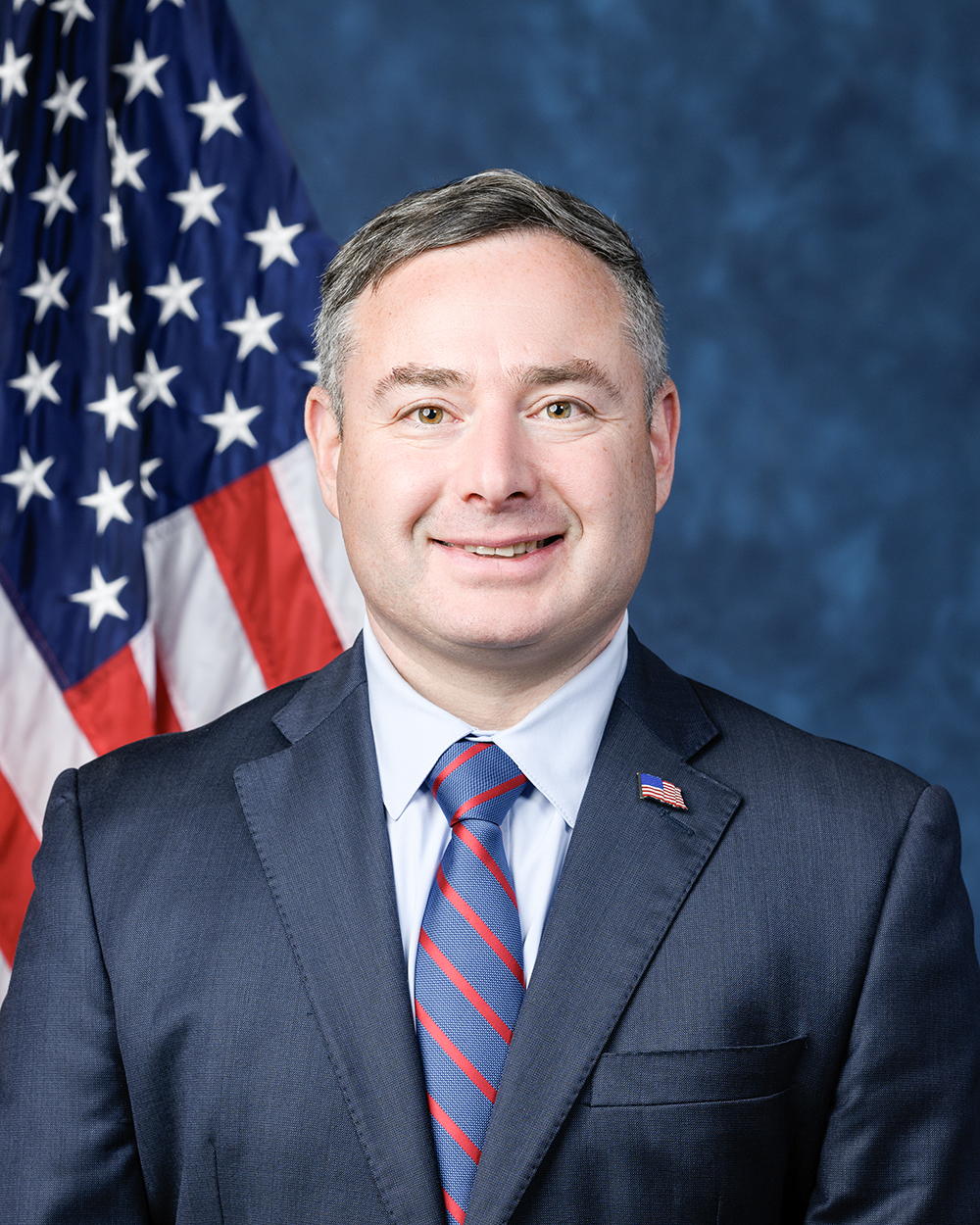
Rep. Eugene Simon Vindman
Sponsored bills
Maddy summaryHRES 971 is a non-binding resolution condemning China's economic and military actions against Japan following Japanese officials' comments about Taiwan. It specifically addresses China's travel advisory (causing $1.2 billion in tourism losses), a ban on Japanese seafood imports, and military drills near Japanese territory. The resolution reaffirms U.S. support for the U.S.-Japan alliance under their mutual security treaty and calls on China to cease coercion. It emphasizes U.S. commitment to upholding a "free and open Indo-Pacific" based on international law. This resolution directly affects Japan's economy and security, with no new legal obligations but serving as a formal U.S. policy statement.
Maddy summaryThe SHADOW Act creates a new State Department Coordinator to lead U.S. efforts against hybrid warfare threats from China and Russia, particularly in Europe. The Coordinator will assess threats like cyberattacks and disinformation campaigns, coordinate with NATO allies and partners (including Japan and Australia), and help protect critical infrastructure sectors. The bill requires the Coordinator to submit a strategy within 60 days and annual reports for three years detailing threat assessments and coordination progress. It also mandates a specific report within 180 days identifying Chinese entities supporting Russia’s defense industry.
Maddy summaryThis bill creates a presumption that certain illnesses are connected to military service for veterans who were stationed at the Pentagon Reservation between September 11 and November 19, 2001. It directly affects those veterans by allowing them to automatically qualify for disability benefits for covered diseases without needing to prove a direct link to their service. The bill specifies that illnesses like asthma, cancer, heart disease, skin conditions, and other respiratory or cardiovascular ailments diagnosed after service will be presumed service-connected. This applies to veterans assigned to the Pentagon during the immediate post-9/11 period, streamlining access to benefits under the existing veterans' health care system.
Maddy summaryHR 3420, the Words Matter Act of 2025, updates federal law to replace the terms "mentally retarded" and "mental retardation" with "intellectual disability" across numerous statutes. It amends over 20 provisions in laws governing healthcare (like the Social Security Act and Indian Health Care Improvement Act), disability services, criminal justice, and federal programs to use more respectful and current terminology. The bill specifically targets definitions in areas such as medical care for families, nursing home regulations, legal sentencing, and grant programs, ensuring consistent language for individuals with intellectual disabilities. The legislation explicitly states this terminology change is purely linguistic and does not alter eligibility, coverage, or rights for affected individuals.
Love Lives On Act of 2025 This bill extends entitlement for various benefit programs and services for surviving spouses of deceased members of the Armed Forces or veterans. The bill provides that the remarriage of a surviving spouse must not bar the furnishing of dependency and indemnity compensation or special pension benefits to such spouse. Additionally, the Department of Defense may not terminate the payment of an annuity for a surviving spouse under the Survivor Benefit Plan solely because the surviving spouse remarries. The bill also expands the definition of a dependent under TRICARE to include a remarried widow or widower whose subsequent marriage has ended due to death, divorce, or annulment.
Maddy summaryThe Kira Johnson Act establishes a federal grant program to support community-based organizations in improving maternal health outcomes for populations facing higher rates of maternal mortality and health disparities. It allocates $100 million annually from 2027 to 2031 for grants that fund programs addressing social determinants of health, culturally congruent care, and support for midwifery practices. The bill also creates a separate $5 million annual funding stream for training all maternity care employees on bias reduction, trauma-informed care, and respectful service delivery. Additionally, the legislation requires hospitals and health systems to establish compliance programs that allow patients to report bias and mandates regular public reporting on these efforts. A study by the National Academies and ongoing evaluation by the GAO will assess the effectiveness of these initiatives in improving patient experiences and health outcomes for pregnant and postpartum individuals from racial and ethnic minority groups.
Maddy summaryThe Candis King Hope for Sickle Cell Families Act establishes a new data collection program to track the incidence, prevalence, and healthcare patterns of sickle cell disease across the United States. Funded through $10 million in annual grants from 2027 to 2031, the program directs the Centers for Disease Control and Prevention to award funding to states for gathering demographic and clinical information about sickle cell disease patients. The legislation also reinstates specific employees from the CDC's Division of Blood Disorders and Public Health Genomics who were removed in agency actions affecting 3 percent or more of the division's workforce within a 60-day period starting January 1, 2025.
Extending WIC for New Moms Act This bill amends the Special Supplemental Nutrition Program for Women, Infants, and Children (WIC) to extend the eligibility periods for breastfeeding and postpartum women. Specifically, a state program may elect to certify a breastfeeding woman for up to 24 months (currently 1 year) postpartum. The bill also expands the eligibility period for postpartum women to up to 24 months after termination of pregnancy (currently 6 months). The Department of Agriculture must submit a report to Congress evaluating the effect of these changes to the program on (1) maternal and infant health outcomes, (2) breastfeeding rates, and (3) qualitative evaluations of family experiences under WIC.
Maddy summaryThe DETECT Nitazenes Act of 2026 updates federal law to include nitazenes alongside fentanyl and xylazine as priority drugs for detection and identification efforts. This change expands the scope of the Homeland Security Act, directing federal agencies to enhance their capacity to detect and identify nitazenes at border crossings and other entry points. The bill does not create new criminal penalties or funding, but rather modifies existing statutory language to ensure nitazenes are treated with the same detection focus as other synthetic opioids.