Issue · Labor & Employment

Labor & Employment

Every labor & employment bill, vote, and legislator stance in Washington, automatically classified by Maddy, our AI policy reader.

Total bills
308
2025-2026 Regular Session
Top supporter
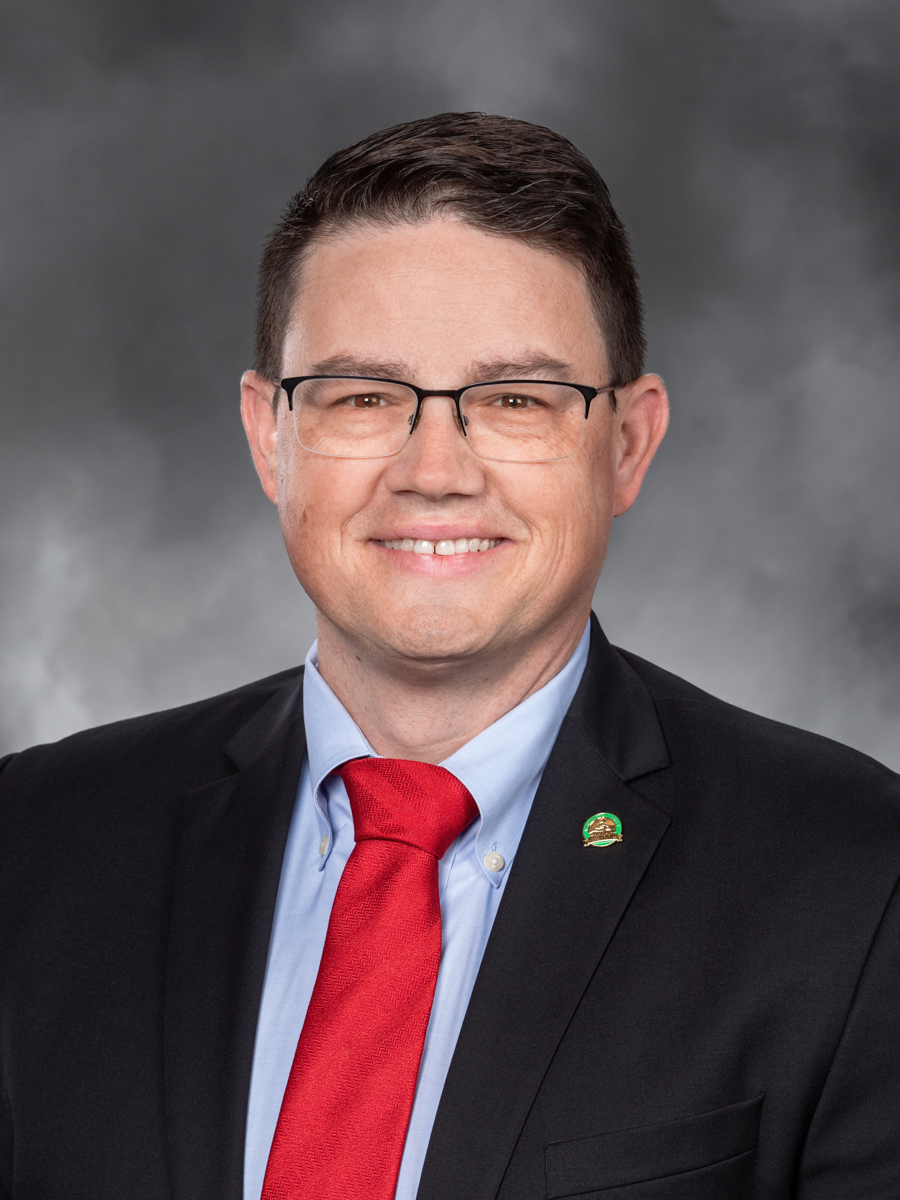
Tina Orwall
95% support rate
Top opponent
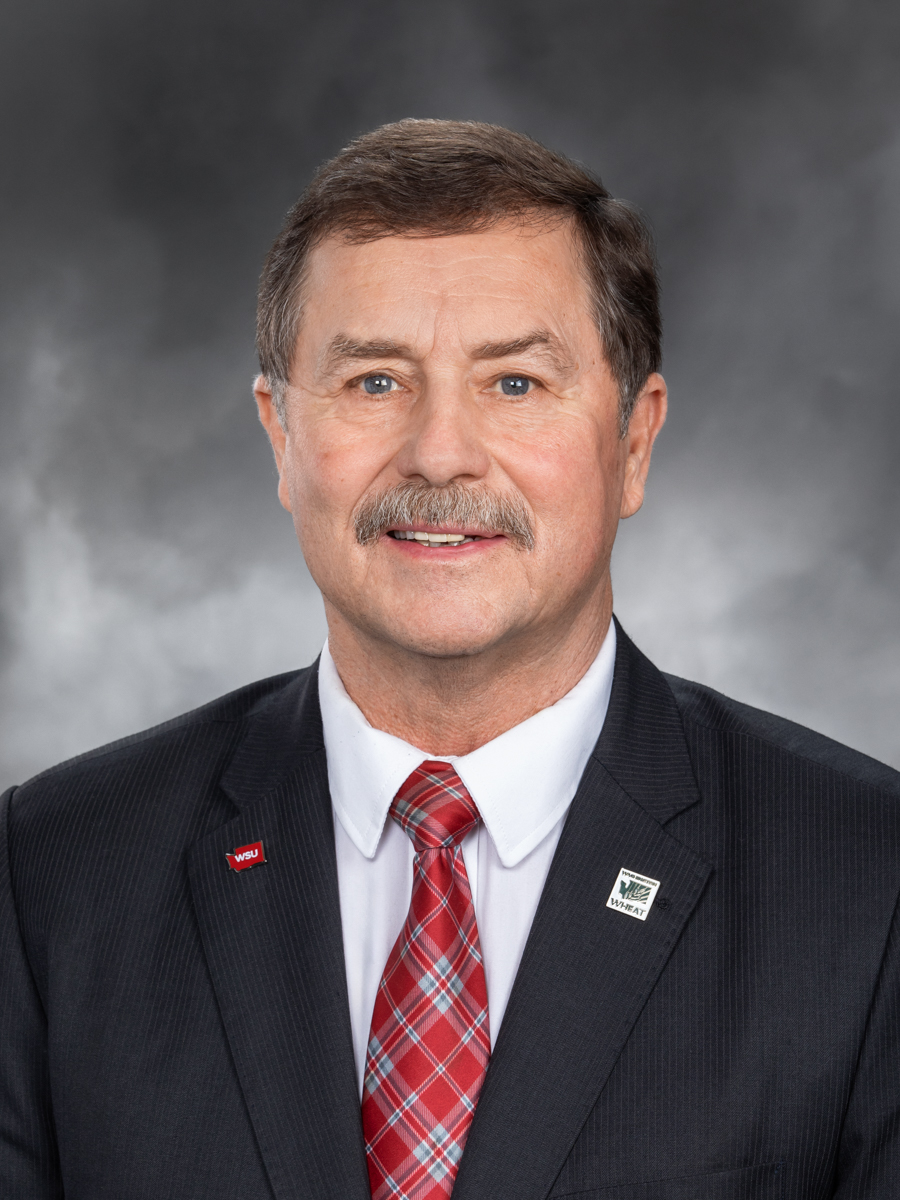
Shelly Short
9% support rate
Ranked legislators
10
5 support · 5 oppose
Key legislators

Who's moving labor & employment in Washington

Legislators moving labor & employment in Washington
Legislator Party Stance Support rate Votes
Tina Orwall
Tina Orwall Senate · District 33
D
Strong +
95% 154
Annette Cleveland
Annette Cleveland Senate · District 49
D
Strong +
93% 159
T'wina Nobles
T'wina Nobles Senate · District 28
D
Strong +
93% 155
June Robinson
June Robinson Senate · District 38
D
Strong +
93% 159
Jamie Pedersen
Jamie Pedersen Senate · District 43
D
Strong +
93% 159
Shelly Short
Shelly Short Senate · District 7
R
Strong −
9% 159
Chris Corry
Chris Corry House · District 15
R
Strong −
10% 180
Leonard Christian
Leonard Christian Senate · District 4
R
Strong −
10% 159
Jim McCune
Jim McCune Senate · District 2
R
Strong −
10% 159
Mark Schoesler
Mark Schoesler Senate · District 9
R
Strong −
12% 159
Showing 61–70 of 308 bills

All labor & employment bills

in committee · Washington · Senate Jan 13, 2026

SB 6100: Removing the sunset date for an employer's ability to correct wage and salary disclosures.

SB 6100 removes an expiration date (previously July 27, 2027) from a provision allowing employers with 15+ employees to correct wage and salary disclosure errors in job postings. Under this bill, employers can fix violations within five business days of written notice without facing penalties or damages, provided they also notify third-party job platforms. This change makes the correction process permanent, while keeping existing penalties, remedies, and the $100-$5,000 statutory damages for unresolved violations intact. The bill directly affects employers posting jobs and job applicants seeking enforcement of wage transparency rules.
Sub-Topics Labor Standards
in committee · Washington · Senate Feb 26, 2026

SB 6045: Placing agricultural employees under the jurisdiction of the public employment relations commission for the purpose of collective bargaining.

SB 6045 extends collective bargaining rights to agricultural employees in Washington State, placing them under the jurisdiction of the Public Employment Relations Commission (PERC) for negotiations on wages, hours, and working conditions. It directly affects farmworkers and agricultural employers, excluding supervisors, family members, and those covered by federal labor laws. The bill establishes procedures for fair bargaining, including culturally and linguistically appropriate processes to address barriers like seasonal work and language differences. It defines key terms and ensures PERC can enforce protections against employer interference in union activities.
in committee · Washington · Senate Jan 19, 2026

SB 6221: Removing the sunset date for an employer's ability to correct wage and salary disclosures and defining "applicant."

This bill removes the expiration date (sunset) for employers to correct wage and salary disclosure errors in job postings, making the correction period permanent. It requires employers to fix noncompliant postings within five business days of written notice from a job applicant or third party, preventing penalties for good-faith corrections. The law applies to employers with 15+ employees and defines "applicant" as someone with genuine employment intent. It maintains enforcement options (like $100-$5,000 penalties per violation) but ensures employers can correct mistakes before legal action.
in committee · Washington · House Feb 4, 2026

HB 2386: Concerning garnishment forms.

HB 2386 standardizes the forms employers must use when handling wage garnishments in Washington State. It requires employers to provide specific details in their "first answer" form, including the defendant's employment status, preexisting garnishments, earnings calculations, and exempt amounts using a prescribed format. The bill mandates that plaintiffs include minimum exemption amounts and maximum garnishment percentages on the form, with employers allowed to treat non-compliant garnishments as non-continuing. This affects employers who withhold wages under court-ordered garnishments.
in committee · Washington · Senate Feb 2, 2026

SB 6105: Raising the exemption from garnishment of earnings for judgments arising from medical debt.

Washington State's SB 6105 increases the exemption from wage garnishment for medical debt judgments. It raises the threshold to 60 times the state's minimum hourly wage or 80% of a person's take-home pay (whichever is greater), compared to 35 times the wage for other consumer debts. This change directly affects individuals facing wage garnishment specifically for unpaid medical bills. The bill amends Washington's garnishment laws (RCW 6.27.150, 6.27.105, and 6.27.140) to provide stronger protection for medical debt cases.
Sub-Topics Minimum Wage
in committee · Washington · House Jan 30, 2026

HB 2419: Concerning participation in the address confidentiality program by administrative law judges and staff employed by the office of administrative hearings.

HB 2419 expands Washington's address confidentiality program to include administrative law judges and staff employed by the Office of Administrative Hearings. It allows these employees, who face safety threats related to their work, to apply for a confidential address through the Secretary of State. The bill requires a sworn statement confirming safety concerns and directs the Department of Licensing to update vehicle registration records using the confidential address, ensuring their personal information remains protected.
in committee · Washington · Senate Jan 14, 2026

SB 6140: Establishing solvency protections for the paid family and medical leave program that do not increase the maximum premium rate cap or contribution rates.

This bill establishes two mechanisms to maintain solvency for Washington's paid family and medical leave program without increasing the maximum premium rate cap or contribution rates. If the calculated premium rate exceeds 1.2%, the commissioner must reduce weekly benefits (including the maximum) to ensure the rate stays under that threshold. Additionally, the commissioner may further reduce benefits if actuarial analysis shows the fund's balance may fall below a sustainable level. These adjustments directly affect employees receiving benefits by potentially lowering their weekly payment amounts if solvency measures are triggered. The changes take effect January 1, 2027.
Sub-Topics Insurance Paid Leave
in committee · Washington · Senate Feb 26, 2026

SB 6253: Concerning public transportation benefit area governing bodies.

SB 6253 requires public transportation benefit area governing bodies in Washington to grant full participation rights to labor representatives who currently serve in nonvoting roles. It adds two new voting members to each governing board: one who regularly uses public transit for transportation, and one representing a community-based organization that uses transit. The bill also mandates that governing body meetings be scheduled at times and locations accessible by public transit to support these new members' participation. These changes apply to all public transportation benefit areas with governing boards, affecting how local transit decisions are made and ensuring broader community input.
Sub-Topics Public Transit
in committee · Washington · Senate Jan 22, 2026

SB 6073: Concerning membership of wildland or aviation firefighters in the law enforcement officers' and firefighters' retirement system.

SB 6073 amends Washington's law enforcement and firefighters' retirement system to explicitly include wildland and aviation firefighters employed by the Department of Natural Resources. The bill clarifies that these firefighters meet the qualifications outlined by the National Wildfire Coordinating Group and are now eligible for membership in the retirement system. This change directly affects DNR wildland and aviation firefighters by granting them access to the same retirement benefits available to other law enforcement and firefighters under the system. The key mechanism is a specific amendment to the definition of eligible employers in the retirement code, removing ambiguity about DNR firefighters' eligibility. The bill does not alter benefit calculations or funding but ensures these workers are covered under the existing system.
in committee · Washington · House Jan 27, 2026

HB 2608: Modifying the targeted urban areas tax preference for projects related to nuclear facilities.

HB 2608 modifies Washington's targeted urban areas tax preference program to explicitly include nuclear facility projects, allowing clean energy manufacturers (including nuclear developers) to qualify for tax breaks previously limited to other industrial projects. The bill adds specific requirements for nuclear projects, such as verifying compliance with labor standards, providing community workforce agreements, and confirming wage compliance during construction. It also extends the deadline for completing qualifying projects by up to two additional 24-month periods (beyond the standard three-year limit) for nuclear facilities requiring federal nuclear regulatory approval. This change aims to support nuclear energy development as part of Washington's clean energy and job creation goals, directly affecting developers of nuclear facilities in designated urban areas.
Showing 61 to 70 of 308 bills
Previous 1 6 7 8 31 Next