Issue · Labor & Employment

Labor & Employment (Labor Standards)

Every labor & employment bill, vote, and legislator stance in Washington, automatically classified by Maddy, our AI policy reader.

Total bills
48
2025-2026 Regular Session
Top supporter
Adrian Cortes
100% support rate
Top opponent
Andrew Barkis
0% support rate
Ranked legislators
10
5 support · 5 oppose
Key legislators

Who's moving labor standards in Washington

Legislators moving labor standards in Washington
Legislator Party Stance Support rate Votes
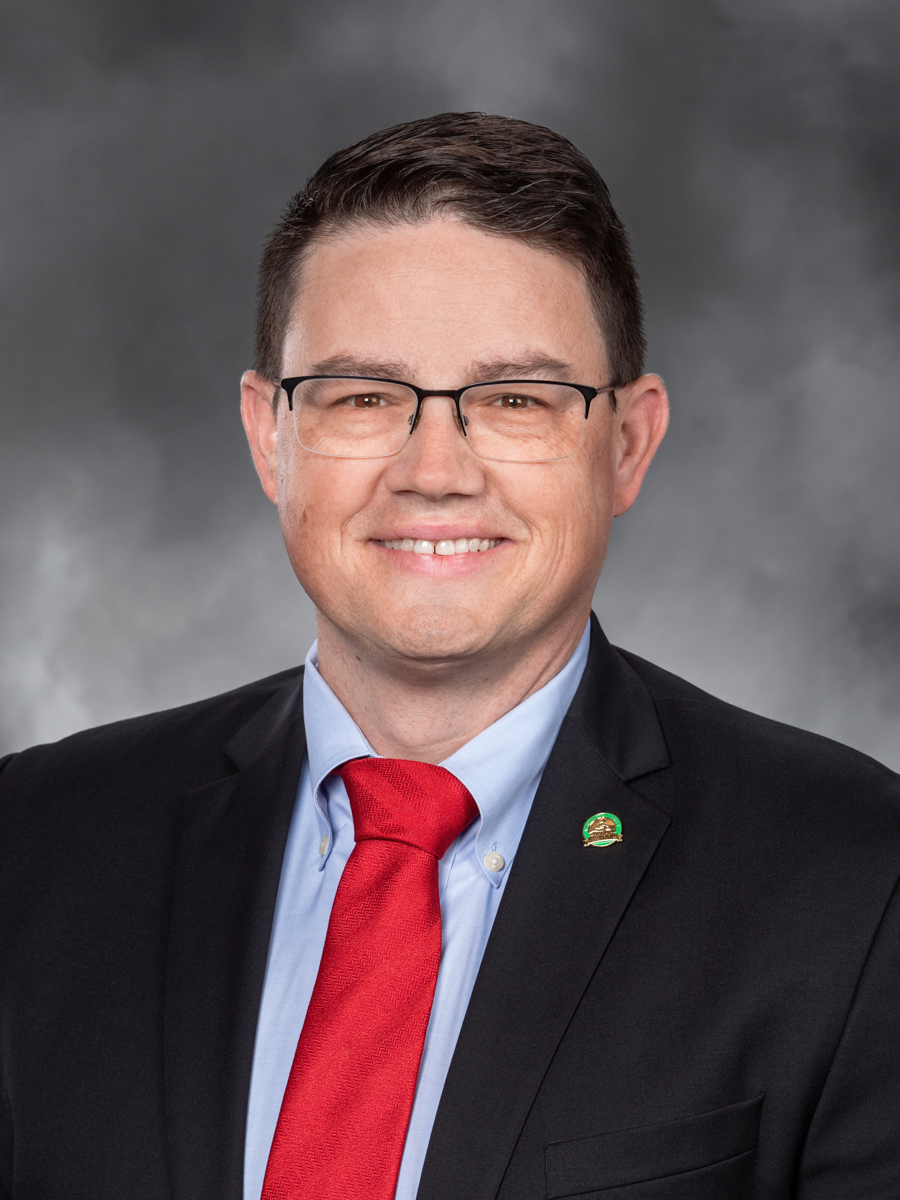
Adrian Cortes
Adrian Cortes Senate · District 18
D
Strong +
100% 12
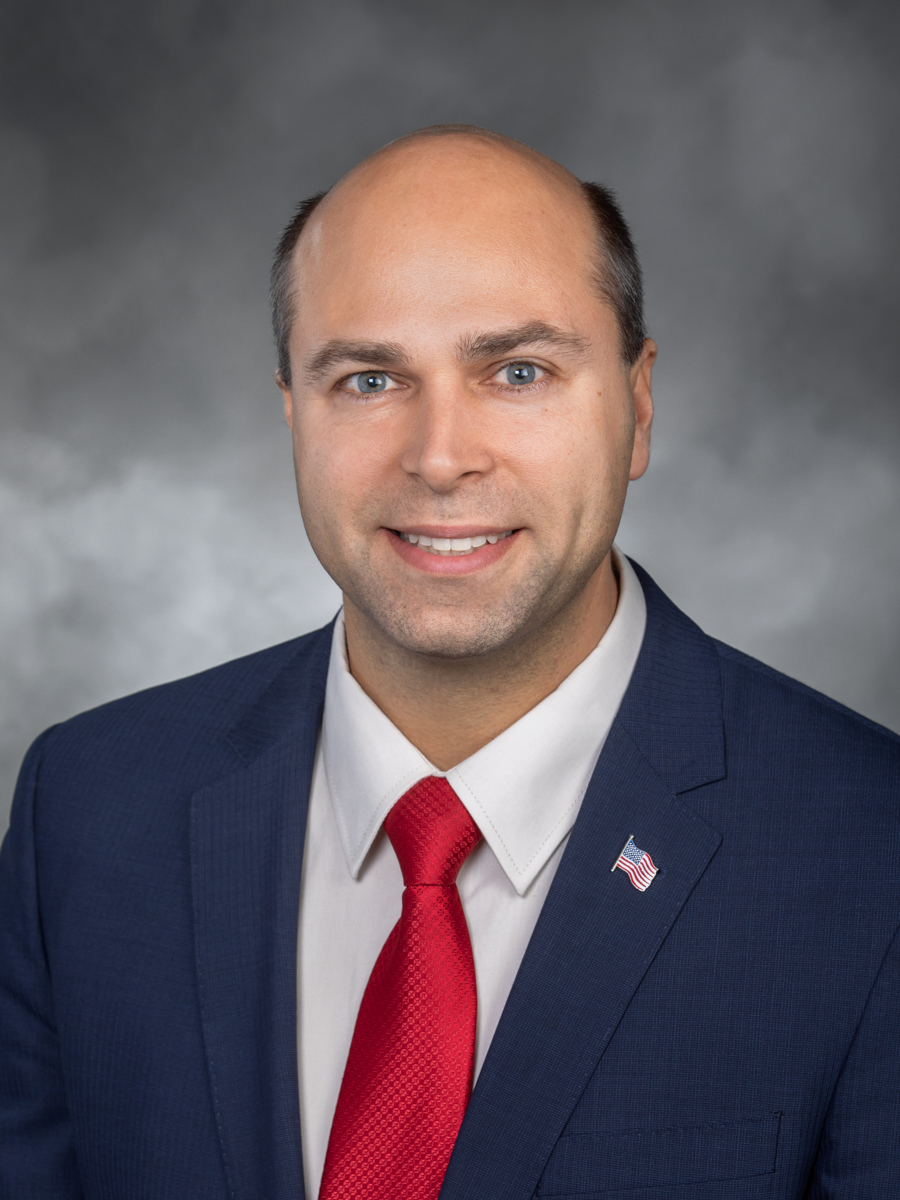
Julio Cortes
Julio Cortes House · District 38
D
Strong +
100% 12
Annette Cleveland
Annette Cleveland Senate · District 49
D
Strong +
100% 9
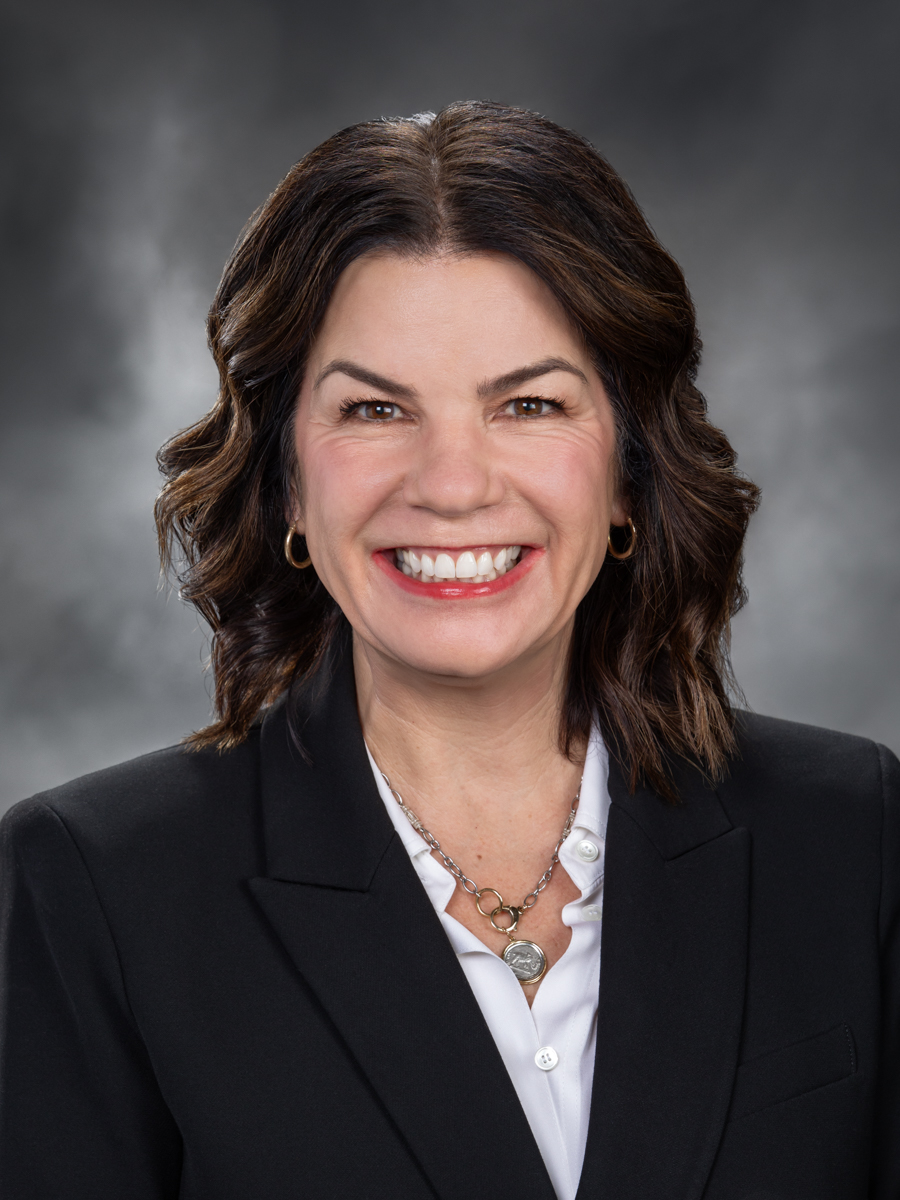
Claire Wilson
Claire Wilson Senate · District 30
D
Strong +
100% 9
Deb Krishnadasan
Deb Krishnadasan Senate · District 26
D
Strong +
100% 9
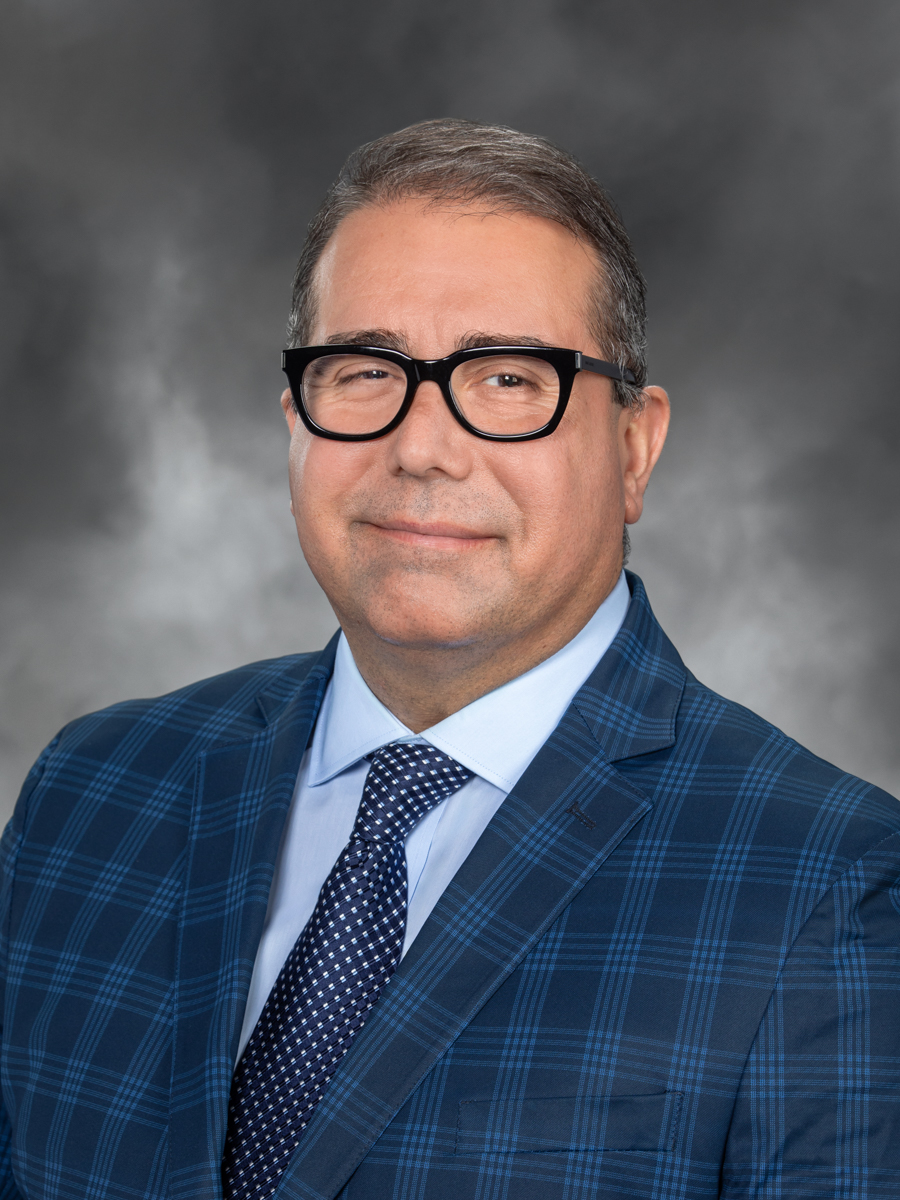
Andrew Barkis
Andrew Barkis House · District 2
R
Strong −
0% 3
Andrew Engell
Andrew Engell House · District 7
R
Strong −
0% 3
April Connors
April Connors House · District 8
R
Strong −
0% 3
Chris Corry
Chris Corry House · District 15
R
Strong −
0% 3
Cyndy Jacobsen
Cyndy Jacobsen House · District 25
R
Strong −
0% 3
Showing 11–20 of 48 bills

All labor & employment bills

signed · Washington · Senate Mar 18, 2026

SB 6302: Concerning misclassification in the finishing trades on public works projects.

SB 6302 prevents contractors on public works projects from misclassifying workers by limiting them to hiring no more than two independent contractors for the same type of finishing work (drywall, flooring, tiling, painting, or glazing) at once. If a contractor violates this limit, all workers performing that specific finishing trade become classified as employees under state law, entitling them to benefits and protections. The bill directly affects workers in these trades on public construction projects, ensuring they receive proper labor rights when contractors improperly use independent contractor arrangements. It amends Washington’s public works and labor laws to clarify worker classification standards for these specific trades.
in committee · Washington · Senate Jan 13, 2026

SB 6100: Removing the sunset date for an employer's ability to correct wage and salary disclosures.

SB 6100 removes an expiration date (previously July 27, 2027) from a provision allowing employers with 15+ employees to correct wage and salary disclosure errors in job postings. Under this bill, employers can fix violations within five business days of written notice without facing penalties or damages, provided they also notify third-party job platforms. This change makes the correction process permanent, while keeping existing penalties, remedies, and the $100-$5,000 statutory damages for unresolved violations intact. The bill directly affects employers posting jobs and job applicants seeking enforcement of wage transparency rules.
Sub-Topics Labor Standards
in committee · Washington · Senate Feb 26, 2026

SB 6045: Placing agricultural employees under the jurisdiction of the public employment relations commission for the purpose of collective bargaining.

SB 6045 extends collective bargaining rights to agricultural employees in Washington State, placing them under the jurisdiction of the Public Employment Relations Commission (PERC) for negotiations on wages, hours, and working conditions. It directly affects farmworkers and agricultural employers, excluding supervisors, family members, and those covered by federal labor laws. The bill establishes procedures for fair bargaining, including culturally and linguistically appropriate processes to address barriers like seasonal work and language differences. It defines key terms and ensures PERC can enforce protections against employer interference in union activities.
in committee · Washington · Senate Jan 19, 2026

SB 6221: Removing the sunset date for an employer's ability to correct wage and salary disclosures and defining "applicant."

This bill removes the expiration date (sunset) for employers to correct wage and salary disclosure errors in job postings, making the correction period permanent. It requires employers to fix noncompliant postings within five business days of written notice from a job applicant or third party, preventing penalties for good-faith corrections. The law applies to employers with 15+ employees and defines "applicant" as someone with genuine employment intent. It maintains enforcement options (like $100-$5,000 penalties per violation) but ensures employers can correct mistakes before legal action.
in committee · Washington · House Jan 27, 2026

HB 2608: Modifying the targeted urban areas tax preference for projects related to nuclear facilities.

HB 2608 modifies Washington's targeted urban areas tax preference program to explicitly include nuclear facility projects, allowing clean energy manufacturers (including nuclear developers) to qualify for tax breaks previously limited to other industrial projects. The bill adds specific requirements for nuclear projects, such as verifying compliance with labor standards, providing community workforce agreements, and confirming wage compliance during construction. It also extends the deadline for completing qualifying projects by up to two additional 24-month periods (beyond the standard three-year limit) for nuclear facilities requiring federal nuclear regulatory approval. This change aims to support nuclear energy development as part of Washington's clean energy and job creation goals, directly affecting developers of nuclear facilities in designated urban areas.
in committee · Washington · House Feb 4, 2026

HB 2524: Establishing the state security guards industry standards board.

HB 2524 establishes a new State Security Guards Industry Standards Board to set minimum employment requirements for security guards in Washington. The board will create rules by 2028 covering minimum pay, paid leave, benefits, and training standards, ensuring they meet or exceed existing industry conditions. Security guard employers must provide certified training every two years through approved worker organizations, which the board will oversee. This bill directly affects security guards and their employers across Washington, aiming to standardize working conditions in the industry.
in committee · Washington · Senate Feb 2, 2026

SB 6068: Concerning workers' wages and benefits in the construction industry.

This bill requires owners and direct contractors to jointly pay unpaid wages, benefits, and reimbursements to construction workers when subcontractors fail to pay. It directly affects construction workers, especially those employed by subcontractors who may not receive payment due to misclassification or underpayment. Key provisions include allowing workers to sue owners or direct contractors directly (not just subcontractors), creating a rebuttable presumption that workers are employees (not independent contractors), and mandating that agreements waiving liability are invalid. The law also authorizes the attorney general to investigate violations and pursue enforcement actions. These changes aim to address wage theft in the construction industry by expanding accountability up the project chain.
in committee · Washington · Senate Feb 26, 2026

SB 6053: Establishing labor protections for domestic workers.

SB 6053 establishes wage and working condition protections for domestic workers in Washington State, directly affecting nannies, home care workers, housekeepers, and similar employees working in private residences. Key provisions require hiring entities (private households or agencies) to provide written agreements detailing pay, hours, benefits, and termination notice (2 weeks for non-live-in workers, 4 weeks for live-in), pay at least the state minimum wage plus overtime for hours over 40, and prohibit wage theft like withholding pay without legal justification. The bill also mandates written notification before termination (with specific exceptions) and requires employers to maintain records for enforcement. These changes apply to domestic workers not performing casual labor or family-related tasks, ensuring clear, enforceable standards for this workforce.
in committee · Washington · House Jan 16, 2026

HB 2538: Increasing pay equity for part-time faculty.

HB 2538 requires Washington community and technical colleges to gradually increase part-time faculty pay to 75% of full-time comparable pay by 2028-29, 80% by 2029-30, and 85% by 2030-31 for the same classroom teaching hours. The bill directly affects part-time faculty at these institutions and mandates annual progress reports to the legislature, including data on pay gaps, faculty demographics, and departmental disparities. Colleges must base pay equity on instructional workloads, including class time, preparation, grading, and student support. The law aims to stabilize faculty employment, improve student outcomes, and increase workforce diversity by closing long-standing pay gaps.
signed · Washington · Senate Mar 24, 2026

SB 6058: Adding discretion to wage enforcement actions.

SB 6058 modifies Washington's wage enforcement process by giving the Department of Labor & Industries more discretion in handling wage claims. It establishes a three-year limit on enforceable wage claims (counting from when a complaint is filed) and creates a $1,000 minimum civil penalty (up to $20,000) for willful violations, calculated as 10% of unpaid wages. Employers can avoid penalties by paying all owed wages plus interest within 10 business days of receiving a notice. This directly affects employers who owe wages, employees seeking unpaid pay, and the department's enforcement procedures. The bill updates existing laws without creating new wage rights.
Showing 11 to 20 of 48 bills
Previous 1 2 3 5 Next